
Have you ever stumbled upon a peculiar mushroom with striking features that leave you wondering about its identity? If you’re fascinated by the mysterious world of fungi, then get ready to uncover one of the most intriguing species yet: those producing large pink seeds. These remarkable organisms are not only visually stunning but also play a vital role in their ecosystem. Not only do they contribute to the nutrient cycle and soil health, but they also possess unique characteristics that set them apart from other fungal species. In this article, we’ll delve into the fascinating world of fungi with large pink seeds, exploring their identification, distribution, and potential uses. By the end of it, you’ll be equipped with the knowledge to appreciate these enigmatic creatures and understand their significance in our natural world.
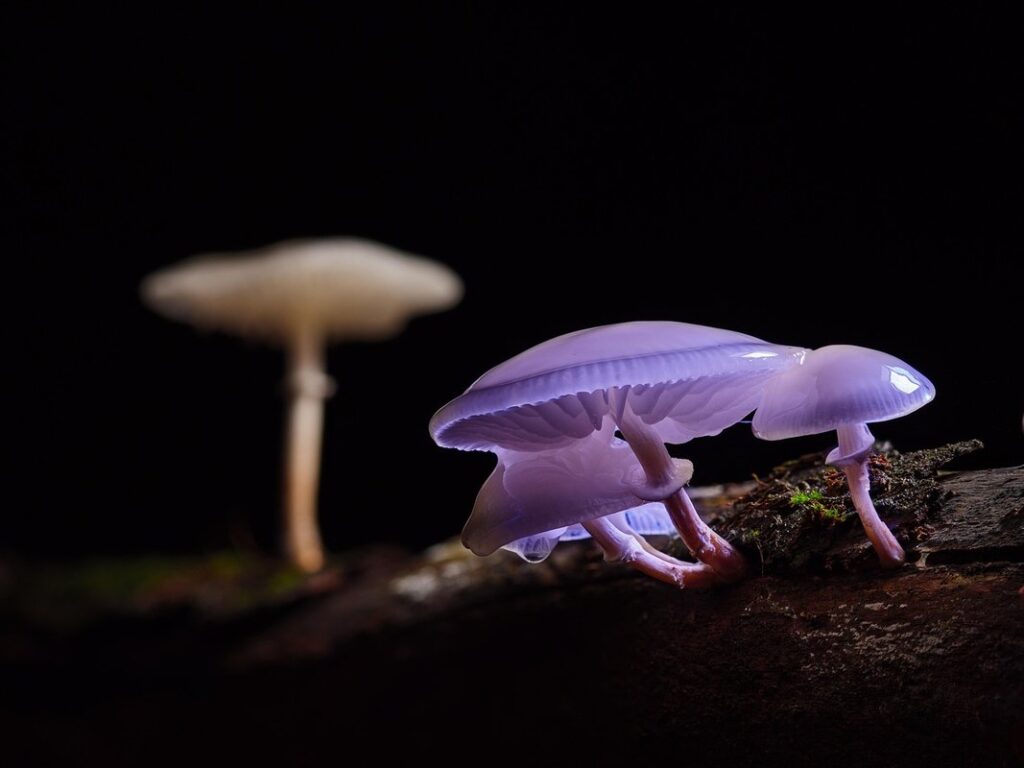
What are Fungi with Large Pink Seeds?
When encountering a fungus with large pink seeds, it’s natural to wonder what type of organism you’re dealing with. This section will delve into the common characteristics of such fungi.
Characteristics and Types
When encountering fungi with large pink seeds, several characteristics and types stand out. These organisms can be identified by their vibrant seed color, which is usually a deep pink hue. They often exhibit a unique growth pattern, such as mushrooms that grow upright or bracket fungi that develop on trees. Their habitats vary from tropical regions to temperate zones, and they can be found in both indoor and outdoor environments.
Some common types of fungi with large pink seeds include Psilocybe cubensis, which is known for its vibrant pink spores, and the morel mushroom, Morchella spp., whose seed-like structures are often a deep pink or reddish color. Fungal species like Auricularia auricula-judae also exhibit this trait, particularly when they’re growing in shaded areas.
When trying to identify fungi with large pink seeds, note that their appearance can change depending on factors such as the time of year and environmental conditions. Be cautious when handling these organisms, as some may be poisonous or have other adverse effects.
Importance in Ecosystems
Fungi with large pink seeds play a vital role in their ecosystems, contributing to decomposition, nutrient cycling, and relationships with other organisms. In this sense, they act as ecological engineers, breaking down organic matter and recycling nutrients that would otherwise be locked away. This process has a significant impact on the health of the ecosystem, allowing plants to absorb essential minerals and facilitating the growth of new life.
One way these fungi contribute to decomposition is through their mycelium, which absorbs and breaks down dead plant material. They also form symbiotic relationships with plant roots, providing them with vital nutrients in exchange for carbohydrates produced during photosynthesis. This mutualistic relationship enables plants to thrive in areas where nutrient-poor soil would otherwise hinder growth.
For example, the fungus Armillaria ostoyae, also known as the honey mushroom, forms massive underground networks that allow it to absorb and recycle nutrients from surrounding plant material. This not only contributes to decomposition but also allows the fungus to thrive in areas with limited resources. By understanding these unique relationships, we can gain a deeper appreciation for the intricate balance of ecosystems and recognize the essential role fungi play in maintaining this delicate balance.
Identification and Classification
To accurately identify and classify the fungus with large pink seeds, it’s essential to observe its physical characteristics carefully. Look for distinctive features such as shape, size, color, and texture of both the seed itself and the fungal body.
Key Features for Identification
When identifying fungi with large pink seeds, botanists and mycologists rely on several key features. One of the most notable characteristics is the size of the seed itself. Fungi with large pink seeds can have seeds that range from 1-5 centimeters in length, making them quite distinctive.
Another important feature to note is the shape and arrangement of the seeds. Typically, these fungi produce seeds in a specific pattern, such as in clusters or along the stem. This unique arrangement helps botanists and mycologists differentiate between species. The color of the seed is also an essential identification factor – large pink seeds are usually a vibrant magenta hue.
Accurate identification is crucial for scientific research, as it allows researchers to study the properties, behaviors, and potential uses of these fungi. Incorrect classification can lead to misinterpreted results and hinder our understanding of these organisms. To ensure accurate identification, mycologists often consult with colleagues, reference extensive field guides, and utilize specialized equipment like microscopes.
Taxonomic Classification
These enigmatic fungi with large pink seeds belong to the kingdom Fungi and are part of a larger group known as basidiomycetes. Specifically, they fall under the phylum Basidiomycota, which also includes mushrooms and rusts. Within this phylum, our mysterious fungi are classified as belonging to the class Agaricomycetes.
Further breaking down their classification, we find that they belong to the order Boletales, a group characterized by their unique fruiting bodies that lack a distinct cap and gills. Their family is known as Amanitaceae, which comprises several species of poisonous mushrooms, including some with large pink seeds. The genus and species names are not conclusively determined yet due to ongoing research in the field.
Understanding this taxonomic classification can be helpful for identifying these fungi, especially considering their unique appearance and potential lookalikes. By knowing where they fit within the larger tree of life, you’ll have a better grasp on what to expect when searching for them in the wild or studying them in a laboratory setting.
Distribution and Habitat
You’re probably wondering where you can find fungus with large pink seeds growing in the wild. In this next part, we’ll explore their typical habitats and distribution patterns around the globe.
Geographical Range
Fungi with large pink seeds can be found across various regions of the world, although their distribution is not uniform. They are commonly spotted in tropical and subtropical areas, such as Central and South America, parts of Africa, and Southeast Asia. In North America, they tend to thrive in warmer states like Florida and California.
These fungi also inhabit certain European countries, including Spain, Portugal, and Italy. However, their presence is relatively rare in colder climates. Interestingly, some species have adapted to live in high-altitude regions, such as the Andes mountains in South America.
When foraging for these unique fungi, it’s essential to be aware of their geographical range. If you’re planning a hunting trip, research the specific region you’ll be visiting and learn about any local regulations or restrictions. It’s also crucial to familiarize yourself with the distinct characteristics of each species to ensure accurate identification. This will not only increase your chances of finding these fascinating fungi but also help prevent misidentification that could lead to negative consequences.
Habitats and Environmental Conditions
Fungi with large pink seeds can thrive in various habitats around the world. These organisms often inhabit forests, where they colonize tree trunks and branches, breaking down organic matter and recycling nutrients. They also commonly grow in grasslands, particularly in areas with rich soil and abundant plant life.
In addition to these ecosystems, fungi have been found in deserts, where they adapt to arid conditions by forming symbiotic relationships with cacti or other drought-resistant plants. The distribution of these fungi is often limited by temperature extremes, with some species thriving in the cool temperatures of temperate forests and others tolerating the heat of tropical regions.
Humidity also plays a crucial role in their growth, as most species require high moisture levels to thrive. Soil type can also affect their distribution, with certain species preferring acidic or alkaline soils. Understanding these environmental preferences can help you locate and identify fungi with large pink seeds in your area.
Uses and Applications
You’re probably wondering what you can do with fungus that grows large pink seeds, right? We’ll explore its various uses and applications in everyday life.
Edible and Medicinal Properties
Fungi with large pink seeds have been utilized for centuries in various cultures, primarily for their medicinal and culinary properties. In traditional Chinese medicine, the spores of these fungi are believed to possess anti-inflammatory and antimicrobial qualities. Similarly, indigenous communities in Central America use the fruiting bodies as a natural remedy for colds, fever, and respiratory issues.
Research into the nutritional content of these fungi has revealed promising results. The seeds are rich in essential fatty acids, proteins, and fiber, making them an attractive ingredient for vegan and vegetarian diets. Studies also suggest that the spores may exhibit antioxidant properties, potentially contributing to a reduced risk of chronic diseases such as cancer and cardiovascular disease.
Modern applications include using the mycelium (vegetative part) for fermentation purposes in food production. The mycelium’s ability to break down organic matter can be leveraged to create unique flavors and textures in culinary products like sauces and soups.
Cultural Significance
In many cultures around the world, fungus with large pink seeds hold significant spiritual and medicinal value. In some indigenous societies, these fungi are considered sacred and are used in rituals to promote healing and protection. For example, in certain Amazonian tribes, the fungus is believed to possess powerful spiritual energy that can ward off evil spirits and bring good fortune.
The folk remedies associated with these fungi are equally fascinating. In traditional Chinese medicine, the seeds are believed to have anti-inflammatory properties and are used to treat a range of ailments from arthritis to digestive issues. Similarly, in some African cultures, the fungus is used as a natural remedy for skin conditions such as eczema and acne.
Interestingly, the use of these fungi in folk remedies often involves elaborate preparation rituals that involve soaking, drying, or infusing the seeds in specific ways. While these practices may seem unusual to outsiders, they reflect a deep understanding of the medicinal properties of these unique organisms.
Conservation Status and Threats
As we delve into the fascinating world of fungus with large pink seeds, it’s essential to consider the challenges they face, including threats to their populations and habitats. Let’s explore these concerns together.
Current Conservation Status
Unfortunately, our knowledge of fungi with large pink seeds is still in its infancy, making it challenging to assess their current conservation status accurately. However, as researchers continue to explore these enigmatic organisms, some concerning trends have emerged.
Many species within this group are found to be vulnerable or endangered due to habitat destruction and overcollection for both scientific research and the exotic pet trade. For instance, the critically endangered “Rose Petal Fungus” (Fusarium roseum), is prized for its unique appearance and is often sought after by rare fungus collectors.
In addition, these fungi often rely on specific ecological niches to thrive, such as tropical rainforests or subtropical woodlands, which are increasingly threatened by deforestation and climate change. This delicate balance makes them highly susceptible to extirpation if conservation efforts do not become more widespread.
To mitigate the decline of these fascinating organisms, it’s essential that we adopt sustainable practices in both our scientific endeavors and the exotic pet trade.
Threats and Challenges
The fungus with large pink seeds is facing numerous threats that can significantly impact its populations and even drive them to extinction. Climate change is one of the most significant concerns, as it alters the delicate balance of ecosystems and disrupts the intricate relationships between fungi and their environments. Rising temperatures and changing precipitation patterns can affect the germination and growth of these fungi, making it challenging for them to adapt.
Pollution is another major threat, particularly air pollution which contains high levels of particulate matter and ozone. These pollutants can harm the fungi’s mycelium (vegetative part of the fungus) and compromise its ability to absorb nutrients from the soil. Invasive species are also a significant concern, as they can outcompete native fungi for resources and habitat.
To mitigate these risks, conservation efforts are underway in some regions. For example, researchers are exploring strategies to create artificial environments that mimic the natural conditions required by these fungi. Additionally, organizations are working to raise awareness about the importance of preserving fungal ecosystems and promoting sustainable practices to reduce pollution.
Conclusion: The Future of Fungi with Large Pink Seeds
Now that we’ve explored the fascinating world of fungus with large pink seeds, let’s dive into what the future may hold for these intriguing organisms.
Summary and Key Takeaways
In conclusion, we’ve delved into the fascinating world of fungi with large pink seeds. We explored their unique characteristics, the potential benefits they offer, and the mysteries that still surround them. As you may recall, these enigmatic organisms are found in various parts of the globe, from tropical forests to arid deserts.
Key takeaways from our journey include the importance of proper identification, as certain species can be poisonous if mishandled. It’s also crucial to understand their growth habits and requirements for optimal cultivation. We discussed how some species with large pink seeds are being researched for their potential medicinal properties, such as antifungal agents and antioxidants.
For readers interested in exploring this intriguing field further, here are a few practical tips: start by studying the most common species found in your region; learn about their unique characteristics, habitat requirements, and growth patterns. With patience, observation, and practice, you’ll be well on your way to unraveling the secrets of fungi with large pink seeds.
Final Thoughts and Recommendations
As we conclude our exploration into the mysterious world of fungus with large pink seeds, it’s essential to emphasize the importance of continued research and conservation efforts. These unique organisms have evolved over millions of years, and their loss could have significant ecological consequences.
If you’re inspired by what you’ve learned about these fascinating fungi, there are several ways to get involved or learn more. Consider reaching out to local universities or research institutions to see if they have any ongoing studies or projects focused on fungus with large pink seeds. You can also join online forums or social media groups dedicated to mycology (the study of fungi) to connect with experts and enthusiasts alike.
For a hands-on approach, try cultivating your own fungus with large pink seeds in a controlled environment. This not only allows you to observe these organisms up close but also contributes valuable data to the scientific community. Whatever path you choose, remember that every small step counts in advancing our understanding of these mysterious organisms and preserving their place in our ecosystem.
Frequently Asked Questions
How can I ensure the accuracy of my large pink seed fungus identification?
Accurate identification is crucial when dealing with fungi, especially those with unique characteristics like large pink seeds. To confirm your findings, consult multiple field guides and online resources, such as MycoBank or Mushroom Observer. Compare your observations with expert descriptions and consider consulting a mycologist for professional verification.
Can I cultivate fungi with large pink seeds in my garden?
While it’s possible to cultivate some fungal species, others may be challenging to grow due to specific environmental requirements or protection by local regulations. Research the cultivation needs of the identified fungus and ensure compliance with any applicable laws. If you’re new to fungal cultivation, start with easier-to-grow species and gradually experiment with more exotic ones.
How can I use my knowledge about fungi with large pink seeds in a practical way?
Your understanding of these organisms can be applied in various contexts, such as conservation efforts, scientific research, or even environmental consulting. Consider collaborating with local organizations or researchers to contribute your expertise towards initiatives that promote sustainable ecosystems and biodiversity preservation.
Are there any potential hazards associated with handling fungi with large pink seeds?
When working with fungi, it’s essential to exercise caution due to the possibility of allergenic reactions or exposure to toxic compounds in certain species. Wear protective gear, including gloves and a mask, when handling specimens, and avoid touching your face or eyes after handling fungi. If you experience any adverse symptoms, seek medical attention.
Can I use images from this article for educational purposes?
Yes, you are free to share the information and images from this article for non-commercial educational purposes, such as in lectures, presentations, or online courses. Be sure to provide proper citation and credit the original source. However, if you plan to use the content for commercial purposes or reproduce it without permission, please contact us for further guidance on licensing and permissions.