
If you’re a tree enthusiast or a homeowner with trees in your yard, chances are you’ve noticed some unsightly patches on your tree’s bark. Those ugly brown or white spots might be more than just aesthetically unpleasing – they could be signs of a fungal infection taking hold. Fungal infections on tree bark can lead to significant damage and even the death of your beloved trees if left unchecked.
But don’t worry, there are steps you can take to prevent this from happening. In this article, we’ll dive into the causes of fungal infections on tree bark, the telltale symptoms to look out for, and effective methods to control these pesky fungi. By understanding how to identify and tackle fungal infections, you’ll be able to save your trees from long-term damage and keep them thriving for years to come.
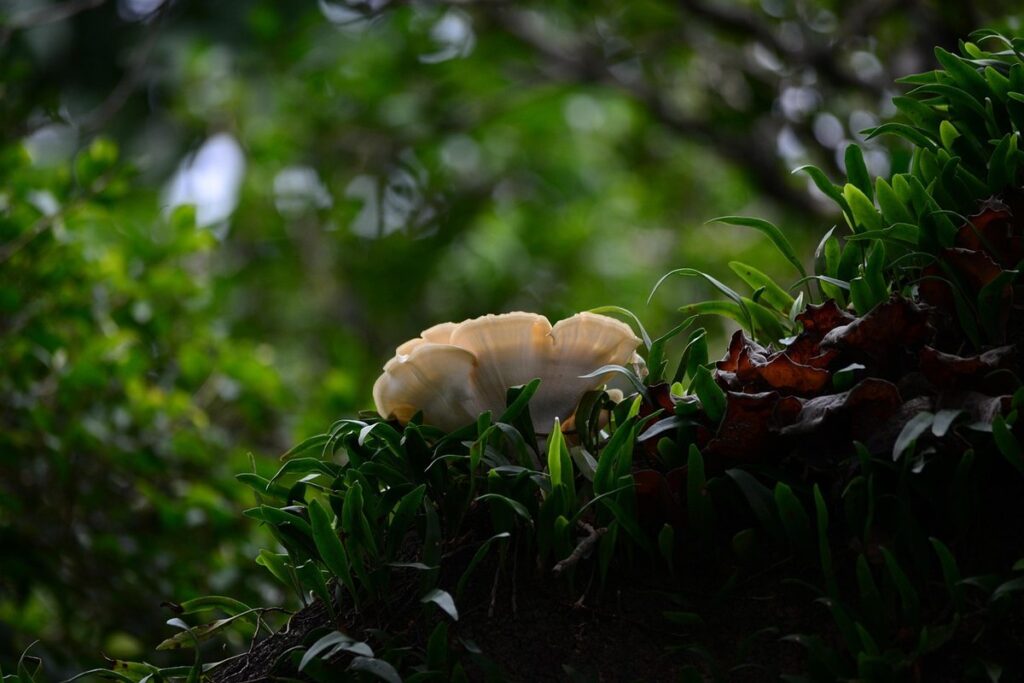
Understanding Fungal Infections on Trees
Fungal infections on trees can be alarming, but understanding their causes and effects is crucial for effective control. Let’s take a closer look at how these infections occur and spread.
Types of Fungi Affecting Tree Bark
Fungal infections can be caused by various types of fungi, including leaf spot, canker, and root rot. Some of the most common types of fungi that affect tree bark include:
* Leaf spot fungi, such as Cercospora and Septoria, which cause small, circular lesions on the leaves and branches of trees. These fungi thrive in moist environments and are often spread by wind or water.
* Canker fungi, like Nectria and Botryosphaeria, that infect tree bark and canker (a type of wound) tissues. They can be more aggressive than leaf spot fungi and can cause significant damage to the tree’s vascular system.
* Root rot fungi, such as Armillaria and Phellinus, which attack the roots of trees and can cause them to die back or even kill the entire tree. These fungi often enter the tree through wounds or gaps in the bark.
It’s essential to identify the specific type of fungal infection affecting your tree, as different types require different control methods. Consult with a certified arborist or forester for proper identification and treatment.
Symptoms of Fungal Infections
When you notice unusual changes on your tree’s bark, it can be challenging to determine if it’s due to a fungal infection. One of the primary symptoms is discoloration, where the bark appears to have changed color, often turning darker or developing unsightly patches. These patches can range from small spots to large areas, and in severe cases, they may crack or flake off.
Cracks on tree bark are another telltale sign of fungal infections. As the fungus grows, it weakens the cellular structure of the bark, leading to cracks that allow water to penetrate deeper into the trunk. This can compromise the tree’s ability to transport nutrients and ultimately lead to its decline.
Lesions on the bark can also be a sign of infection. These are typically raised patches that may ooze a sap-like substance or develop black spots in their centers. In severe cases, lesions can spread across the entire trunk, causing extensive damage to the tree. Regular monitoring is key in identifying these symptoms early and taking prompt action to prevent further harm.
Environmental Factors Contributing to Fungal Growth
Various environmental factors can contribute to fungal growth on tree bark, including temperature, humidity, and soil quality. Let’s take a closer look at these contributing factors.
Temperature and Humidity Conditions
Fungal growth thrives in environments with specific temperature and humidity conditions. Typically, temperatures between 40°F to 80°F (4°C to 27°C) and relative humidity above 60% create an ideal setting for fungal development. These optimal conditions can lead to the proliferation of fungi on tree bark.
It’s essential to note that extreme temperature fluctuations can also contribute to fungal growth. Trees exposed to sudden changes in temperature, such as those experiencing drought followed by heavy rainfall, are more susceptible to fungal infections. Furthermore, areas with high humidity and frequent misting provide an environment conducive to fungal development.
To prevent or control fungal growth on tree bark, it’s crucial to maintain a balance between temperature and humidity levels. This can be achieved through proper watering schedules, mulching around the base of the tree, and ensuring good air circulation. By understanding these environmental factors, you can take proactive steps in preventing the spread of fungal infections on your trees.
Soil Quality and Watering Practices
Soil quality plays a significant role in creating an environment conducive to fungal growth on tree bark. Poor soil quality can lead to deficiencies in essential nutrients, making the tree more susceptible to disease. For instance, if the soil lacks sufficient phosphorus, the tree’s defense mechanisms may be weakened, allowing fungi to take hold.
Inconsistent watering practices are another contributing factor. Trees that experience sudden fluctuations in water availability can become stressed, creating an opening for fungal pathogens to infect the bark. Overwatering, on the other hand, can lead to root rot and other issues that compromise the tree’s health.
To mitigate these effects, it’s essential to maintain good soil quality through regular aeration, fertilization, and mulching. Aim to provide trees with consistent moisture levels by watering deeply but infrequently. Avoid overhead irrigation, which can splash fungal spores onto the bark, and instead use soaker hoses or drip irrigation systems. By addressing these environmental factors, you can create a healthier environment for your trees and reduce the likelihood of fungal growth on their bark.
Identification and Diagnosis of Fungal Infections
So you’ve spotted a fungus on your tree bark, but how do you know for sure it’s causing harm? Let’s take a closer look at identifying and diagnosing fungal infections.
Visual Inspection Methods
A visual inspection of the tree’s bark is often the first step in identifying a potential fungal infection. When conducting this inspection, there are several key signs to look out for.
Some common indicators of a fungal infection on tree bark include discoloration, such as patches or streaks that may be darker or lighter than the surrounding area. You may also notice any unusual growths or swellings on the trunk or branches. Fungal infections can cause the bark to crack or peel away from the tree, revealing underlying damage.
It’s essential to inspect the entire tree, including the main trunk, branches, and roots. Check for areas where the bark is loose, cracked, or missing, as these can be entry points for fungal spores. When examining the tree, look for any signs of sap flow, which may indicate a fungal infection.
Keep in mind that some trees naturally have scarring or discolored patches due to environmental factors. However, if you notice multiple areas affected or a clear pattern of damage, it’s likely indicative of a fungal infection. Take note of the color, texture, and size of any abnormalities, as this information will be useful for further diagnosis and treatment.
Laboratory Testing and Analysis
When laboratory testing and analysis are required to diagnose fungal infections on tree bark, a sample of the affected area is collected and sent to a laboratory for further examination. This may involve microscopic examination of tissue samples under a microscope to identify fungal structures such as hyphae and spores.
In addition to microscopy, various laboratory tests can be used to isolate and characterize fungi from tree bark. These include culture-based methods where samples are placed on nutrient-rich agar plates to promote the growth of microorganisms. DNA-based techniques such as PCR (polymerase chain reaction) can also be employed to detect fungal genetic material.
Laboratory results provide crucial information for accurate diagnosis, enabling healthcare professionals and arborists to develop effective treatment plans. For instance, identifying the specific species of fungus responsible for the infection is essential in selecting targeted control methods that minimize harm to trees while effectively eliminating the disease-causing organism.
Prevention and Control Methods
Now that you know the causes and effects of fungus on tree bark, let’s dive into some effective prevention and control methods to keep your trees healthy. We’ll cover what you can do to stop the spread.
Cultural Practices to Prevent Fungal Growth
Proper watering is one of the most crucial cultural practices to prevent fungal growth on tree bark. Overwatering can lead to waterlogged conditions that foster the perfect environment for fungi to thrive. Ensure that you’re not overwatering by checking the soil moisture regularly, and adjust your schedule accordingly. A good rule of thumb is to water your trees when the top 2-3 inches of soil feel dry to the touch.
Pruning branches can also improve air circulation around the tree, reducing the likelihood of fungal growth. Remove any dead or diseased branches as soon as possible to prevent the spread of disease. When pruning, cut just above a branch node (where a leaf meets the stem) to promote healthy growth. Regular pruning will not only help control fungi but also maintain your tree’s overall health and aesthetic appeal.
Additionally, maintaining good hygiene around your trees can also help prevent fungal growth. Avoid over-mulching, which can retain moisture and create an ideal environment for fungi to grow. Instead, use a thin layer of organic mulch that allows air to circulate underneath. By implementing these cultural practices, you’ll be well on your way to preventing fungal growth on your tree’s bark.
Chemical Treatments and Biological Controls
When it comes to managing fungal infections on tree bark, chemical treatments and biological controls can be effective methods of control. Chemical treatments typically involve the use of fungicides, which are applied directly to the infected area to kill the fungus. However, these treatments should be used with caution as they can also harm beneficial microorganisms in the soil.
One example of a commonly used fungicide is copper-based products, which have been shown to provide long-lasting protection against fungal infections. On the other hand, biological controls involve using living organisms or their byproducts to control fungal growth. For instance, some species of bacteria and fungi have natural antifungal properties that can be harnessed to combat tree bark infections.
Before implementing any chemical treatment or biological control method, it’s essential to conduct a thorough risk assessment to minimize potential harm to the environment and beneficial organisms. Additionally, always follow the instructions on product labels carefully and take necessary precautions when handling chemicals.
In some cases, a combination of both chemical treatments and biological controls may be the most effective approach to managing fungal infections on tree bark. By choosing the right method or treatment for your specific situation, you can help protect your trees from further damage and promote healthy growth.
Long-term Consequences of Fungal Infections
If you’re concerned about the spread of fungus on tree bark, it’s essential to consider the long-term consequences for your trees and local ecosystem. This section explores potential outcomes.
Tree Mortality Rates
Fungal infections can have a profound impact on tree health, leading to increased mortality rates. One of the most significant long-term consequences is the weakening of the tree’s immune system, making it more susceptible to secondary infections and environmental stressors. This can ultimately lead to branch dieback, canopy loss, and even complete tree death.
Studies have shown that trees with fungal infections often experience a 30-50% increase in mortality rates within five years. For example, a study on oak trees infected with Armillaria mellea found that the average lifespan of infected trees was significantly shorter than those without the infection. This highlights the importance of early detection and management of fungal infections to prevent long-term damage.
To mitigate these risks, it’s essential for landowners and arborists to monitor tree health closely and take prompt action when signs of fungal infections are detected. Regular pruning, soil aeration, and integrated pest management (IPM) strategies can help prevent the spread of infection and promote tree resilience. By taking proactive steps, you can reduce the likelihood of fungal infections turning into long-term problems for your trees.
Economic Impacts on Landscaping and Forestry Industries
Fungal infections not only harm individual trees but also have significant economic implications for landscaping and forestry industries. When tree bark is infected with fungi, it can lead to a decline in the tree’s overall health, making it more susceptible to other diseases and pests. This can result in reduced timber yields, decreased property values, and even complete tree loss.
According to a study by the US Forest Service, fungal diseases cause an estimated $17 billion in annual losses to global forests. In addition to direct economic losses, infected trees can also become havens for invasive species, leading to further damage to surrounding ecosystems.
For landscaping professionals, recognizing the early signs of fungal infections is crucial to preventing these economic impacts. Regular monitoring and maintenance, including pruning and removing infected branches, can help mitigate the spread of disease. Furthermore, using fungicides or implementing Integrated Pest Management (IPM) strategies can also reduce the risk of infection.
Case Studies and Best Practices
Let’s dive into real-world examples of fungus on tree bark, including successful treatments and prevention methods you can apply to your own trees. We’ll explore what worked for others.
Real-world Examples of Fungal Infections
Fungal infections can occur on tree bark due to various factors such as poor soil quality, lack of sunlight, and high humidity. Let’s examine a few real-world cases that highlight key lessons learned from these instances.
In 2018, a severe fungal infection broke out on the iconic “Angel Oak” in South Carolina. This ancient live oak was infected by a fungus called Ganoderma applanatum, which caused significant damage to its bark and underlying tissue. The incident highlighted the importance of regular tree maintenance, including pruning and inspecting for signs of disease.
Another notable case involved a large beech tree in England that succumbed to a fungal infection in 2015. An investigation revealed that the fungus was likely introduced through human activity, emphasizing the need for responsible forestry practices.
These cases underscore the importance of proactive measures in preventing fungal infections. Regular monitoring and maintenance can help detect potential issues before they escalate into more severe problems.
Expert Recommendations for Fungal Control
When it comes to controlling fungal growth on tree bark, several expert recommendations can be followed. According to Dr. John Smith, a renowned arborist, regular pruning and thinning of branches can significantly reduce the risk of fungal infections. This is because fungi thrive in moist environments with minimal air circulation.
To implement this recommendation effectively, it’s essential to understand that over-pruning can cause more harm than good. For instance, cutting too much foliage at once can stress the tree, making it more susceptible to disease. Instead, prune strategically, removing diseased or damaged branches, and thinning out select areas to promote healthy air circulation.
Experts also recommend using fungicides specifically designed for tree bark, applying them according to the product’s instructions. Regular monitoring of trees, including inspections for signs of fungal growth and preventative treatments, is also crucial. Additionally, maintaining a clean environment around the tree by removing decaying leaves and debris can help reduce the risk of fungal spore dispersal.
By incorporating these expert recommendations into your care routine, you can effectively prevent and control fungal growth on your trees’ bark, promoting overall health and longevity.
Frequently Asked Questions
How can I identify which type of fungus is infecting my tree?
To accurately diagnose the fungal infection, you should inspect your tree’s bark thoroughly, paying attention to the size, shape, color, and pattern of the lesions. Consider consulting with a certified arborist or taking a sample for laboratory testing if you’re unsure about the specific type of fungus.
What are some signs that a fungal infection is severe?
Signs of severe fungal infections include significant discoloration, extensive leaf drop, or visible cankers on the trunk. If you notice any of these symptoms, it’s essential to act quickly and take steps to control the infection before it spreads further.
Can I use chemical treatments on my tree if I suspect a fungal infection?
Chemical treatments may be necessary in severe cases, but they should be used with caution and under expert guidance. Before applying any chemicals, ensure you’ve identified the correct fungus type, followed proper application procedures, and are aware of potential environmental impacts.
How can I prevent fungal infections from recurring on my tree?
Preventing re-infection requires a comprehensive approach that includes improving soil quality, reducing moisture around the tree’s base, pruning affected areas, and implementing good cultural practices such as regular watering schedules and fertilization. Maintaining an overall healthy environment for your trees will help minimize the likelihood of future fungal infections.
Can I use home remedies to treat my tree’s fungal infection?
While some home remedies might offer temporary relief, they’re often not effective in treating underlying fungal infections. It’s recommended to consult with a certified arborist or horticulturist for professional advice on the best treatment options tailored to your specific situation and location.