
Indoor gardening is more than just a hobby – it’s a way to bring some much-needed calm and serenity into your life. In today’s fast-paced world, stress levels are higher than ever, and our indoor air quality can be compromised by pollutants and toxins. But did you know that nurturing plants indoors can have a profound impact on both our mental health and physical well-being? By choosing the right plants for your space and creating an ideal environment, you can boost your mood and even improve the air quality in your home. In this article, we’ll share expert tips on selecting the perfect plants, setting up a thriving indoor garden, and avoiding common mistakes to ensure your plants thrive and bring you joy. Whether you’re a seasoned green thumb or just starting out, get ready to discover the many benefits of fun indoor gardening nurture!
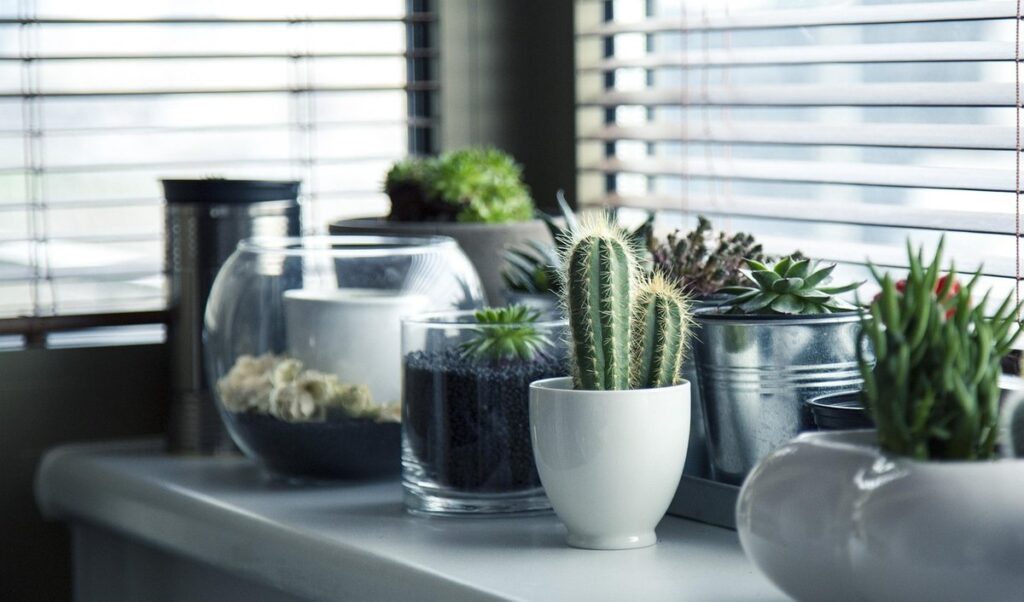
Benefits of Indoor Gardening
Indoor gardening offers a multitude of benefits, from purifying the air we breathe to boosting our mental well-being and improving overall health. Let’s explore these advantages up close!
Reduces Stress and Anxiety
Indoor gardening is not just about growing plants, it’s also a therapeutic activity that can help reduce stress and anxiety levels. Research has shown that being around nature, even if it’s indoors, can have a calming effect on the mind and body.
When we’re surrounded by lush greenery, our brain produces more neurotransmitters like serotonin and dopamine, which are responsible for regulating mood and reducing stress. Moreover, caring for plants requires focus and attention to detail, taking our minds away from worries and troubles.
To experience the therapeutic benefits of indoor gardening, start with a simple planter or herb garden in your kitchen or living room. As you tend to your plants, take note of the calming sensation you feel as you touch the soil, water them, or simply gaze at their growth. To enhance this experience, try playing soothing music or aromatherapy while gardening.
As you nurture your indoor plants, remember that it’s okay to make mistakes – they’re an opportunity to learn and grow alongside your plants. By incorporating indoor gardening into your daily routine, you’ll not only have beautiful plants but also a reduced stress level and improved mental well-being.
Improves Air Quality
Indoor gardening isn’t just about beautifying your space; it also has a significant impact on air quality. Studies have shown that indoor plants can remove up to 87% of pollutants and toxins from the air, making them an essential addition to any home or office.
One of the primary ways indoor plants improve air quality is by absorbing volatile organic compounds (VOCs), which are commonly found in household products like cleaning supplies, paint, and adhesives. These chemicals can cause a range of health issues, including headaches, respiratory problems, and even cancer. By placing a few potted plants around your living or working space, you can significantly reduce the levels of VOCs in the air.
Some of the most effective indoor plants for air purification include peace lilies, spider plants, and snake plants. These plants are not only easy to care for but also work efficiently to remove pollutants from the air. Simply place them on a windowsill or near a ventilation system, and let their natural processes do the rest.
Boosts Mood and Energy
Indoor gardening is not just about growing plants – it’s also about cultivating a healthier you. Research has shown that being surrounded by nature has a profound impact on our mental well-being. In fact, studies have found that spending time outdoors can reduce symptoms of anxiety and depression by up to 47%.
When we bring the outdoors in, through indoor gardening, we experience similar benefits. Caring for plants can be therapeutic, allowing us to focus on the present moment and quiet our minds. As we nurture our plants, they in turn help purify the air, reducing stress and promoting a sense of calm.
One way to boost your mood and energy levels is to get creative with your indoor garden. Try incorporating colorful flowers or vibrant leafy greens into your space. Not only will this add visual interest, but it will also provide an instant pick-me-up. Plus, having plants nearby can encourage you to take breaks and move around throughout the day – essential for maintaining energy levels.
By combining plant care with gentle exercise, like stretching or yoga, you’ll be tackling mental health in a fun and holistic way. So why not start your indoor gardening journey today? Not only will you reap the benefits of improved mood and energy, but you’ll also enjoy the satisfaction of watching your plants thrive under your care.
Choosing the Right Plants
Choosing the right plants for your indoor garden can be overwhelming, but don’t worry, we’ve got you covered with some expert advice on selecting the perfect blooms.
Low-Maintenance Options
If you’re new to indoor gardening or tend to forget to water your plants (no judgment!), it’s time to meet some low-maintenance friends that’ll thrive even when you’re away. Succulents and cacti are the ultimate low-fuss plants for indoor spaces. These desert dwellers store water in their thick, fleshy leaves, making them virtually drought-tolerant.
When choosing succulents or cacti, don’t worry too much about variety – most of them will do well with minimal care. Here’s a quick rundown on how to keep them happy: place them near a sunny window (most require 4-6 hours of direct sunlight daily), water sparingly (once a week is fine for most), and fertilize once a month during the growing season. If you’re forgetful, consider self-watering planters or invest in a moisture meter to ensure your plants aren’t too dry.
Some popular low-maintenance options include Aloe Vera, Echeveria, and Pincushion Cactus – all easy to find at most nurseries or home goods stores. By choosing these no-fuss friends, you can enjoy the benefits of indoor gardening without sacrificing precious time or energy.
Air-Purifying Plants
When it comes to choosing plants for your indoor space, air-purifying plants are an excellent option. Not only do they add a touch of greenery to your home, but they also help remove pollutants and toxins from the air, promoting a healthier environment.
Some popular air-purifying plants that thrive in indoor spaces include snake plants (Sansevieria Trifasciata) and peace lilies (Spathiphyllum wallisii). These low-maintenance plants are perfect for busy individuals or those new to indoor gardening. They require minimal watering, can tolerate a range of lighting conditions, and can even survive with infrequent watering.
Peace lilies, in particular, are known for their elegant white blooms and ability to remove formaldehyde from the air. Snake plants, on the other hand, are effective at removing benzene and trichloroethylene. Both plants are easy to care for and can be placed in hanging baskets or pots to add a touch of greenery to any room.
By incorporating these air-purifying plants into your indoor space, you’ll not only enjoy the aesthetic benefits but also contribute to a healthier environment.
Seasonal and Colorful Plants
When it comes to adding visual interest to indoor spaces, seasonal and colorful plants are an excellent choice. Not only do they bring a touch of nature indoors, but they also help purify the air and improve mood.
To choose the right seasonal plants, consider the time of year and your local climate. For example, in the spring and summer, vibrant flowers like geraniums, petunias, and begonias thrive indoors. In the fall and winter, opt for low-maintenance plants with interesting foliage, such as succulents or bromeliads.
To add color to your indoor space, look for plants with bold, bright blooms. Some popular options include African violets, orchids, and gloxinia. Consider mixing and matching different colors and textures to create a visually appealing arrangement.
For added visual interest, try grouping plants together in a decorative planter or using a trellis to train climbing plants like ivy or clematis. With a little creativity, you can turn your indoor space into a beautiful and thriving oasis that brings joy all year round.
Creating the Perfect Indoor Garden
To create a lush and thriving indoor garden, you’ll want to consider factors like lighting, temperature control, and soil quality. Let’s dive into the specifics of setting up your perfect indoor oasis.
Lighting Considerations
When it comes to creating a thriving indoor garden, lighting is one of the most crucial factors to consider. Indoor gardens require adequate light to photosynthesize and grow, just like their outdoor counterparts. However, since they’re indoors, you have more control over the lighting conditions.
You can opt for natural lighting by placing your plants near windows that receive plenty of sunlight during the day. But be mindful of the type of window it is – south-facing windows are ideal for most plants, while north-facing ones provide softer, indirect light. East- and west-facing windows offer a balance between direct and indirect light.
If natural lighting isn’t an option or isn’t sufficient, artificial lighting can be used as a supplement. LED grow lights are popular among indoor gardeners due to their energy efficiency and minimal heat production. You can also repurpose old lamps or use fairy lights to create a unique ambiance while providing necessary light for your plants. Remember to choose the right color temperature – blue light is ideal for plant growth, but avoid it during the night as it can interfere with your sleep.
Experiment with different lighting options to find what works best for your indoor garden.
Temperature Control
When it comes to creating the perfect indoor garden, temperature control is one of the most crucial factors to consider. Just like humans, plants have a preferred temperature range that they thrive in, and when this range is exceeded, growth can slow down or even come to a halt.
Did you know that the ideal temperature for most houseplants falls between 65-75°F (18-24°C)? If your indoor garden is placed near a drafty window or an air conditioning vent, it’s essential to take measures to maintain a stable temperature. You can use thermal curtains or blinds to regulate the temperature and prevent cold air from seeping in.
To ensure optimal growth, make sure to keep sensitive plants away from heating vents and radiators, which can cause temperatures to soar above 80°F (27°C). Some plants, like ferns and peace lilies, are more tolerant of cooler temperatures, while others, such as succulents and cacti, prefer warmer conditions. Monitor the temperature in your indoor garden regularly to provide the best environment for your plants to thrive.
In general, it’s better to err on the side of caution and keep your indoor garden at a slightly lower temperature than necessary, rather than risking damage from heat stress or extreme cold.
Humidity Levels
When it comes to creating a thriving indoor garden, one often overlooked aspect is humidity levels. Just like plants need sunlight and water, they also require a specific level of humidity to stay healthy. Most houseplants prefer a humid environment, typically between 40-60% relative humidity.
However, average home humidity levels usually range from 10-30%, making it challenging for plants to thrive. To combat this, you can use a few simple tricks. One way is to place the pot on a tray filled with water and pebbles. As the water evaporates, it increases the surrounding humidity level.
Another method is to group plants together, which creates a microclimate that retains moisture. You can also use humidifiers or misting bottles to manually increase the humidity around your plants. For example, you can spray the leaves of your ferns or peace lilies with a fine mist every few days to keep them hydrated.
Remember, it’s essential to maintain optimal humidity levels for your specific plant species. Research the recommended humidity range for each plant and adjust accordingly.
Watering and Fertilization
To give your indoor plants the best chance at thriving, let’s dive into the essentials of watering and fertilization for a healthy and happy garden. Proper care will make all the difference!
Overwatering Prevention
When it comes to indoor gardening, overwatering is one of the most common mistakes we make. It can lead to root rot, kill your plants, and even damage your furniture. To avoid this, let’s first look out for signs that indicate you’re watering too much.
Some common signs include yellowing leaves, droopy stems, and water pooling around the pot. If you notice any of these, it’s time to take corrective measures. Start by checking the soil moisture by sticking your finger into it – if it feels wet or damp, wait a day or two before watering again. You can also use a moisture meter for more accuracy.
Another way to prevent overwatering is to choose plants that are adapted to indoor conditions and don’t require frequent watering. Research your plant’s specific needs beforehand, and make sure the pot has good drainage holes to allow excess water to escape.
Fertilizing Options
When it comes to fertilizing your indoor plants, you have a variety of options to choose from. As an indoor gardener, it’s essential to understand the differences between organic and synthetic fertilizers and their effects on plant growth.
Organic fertilizers are derived from natural sources such as animal waste, compost, or plant-based materials like bone meal or alfalfa meal. These options promote healthy soil biota and provide a slow release of nutrients to your plants. They’re also environmentally friendly and non-toxic, making them an excellent choice for indoor gardening.
Synthetic fertilizers, on the other hand, are made from chemical compounds that quickly provide essential nutrients to plants. However, they can be harsh on the environment and may require frequent applications to maintain their effectiveness. When used excessively, synthetic fertilizers can lead to nutrient imbalances and harm beneficial microorganisms in the soil.
To make informed decisions about your fertilizing options, consider the following:
* Choose organic fertilizers for a more natural approach
* Select synthetic fertilizers only when necessary, as they may be too harsh for indoor plants
* Read labels carefully to ensure you’re getting what your plants need
Tips for Efficient Watering
Watering your indoor plants can be a fun and rewarding experience, but it’s easy to overdo it. Not only does excessive watering lead to root rot and other problems, but it also wastes precious resources. To water your plants efficiently, start by observing their needs based on factors like climate, soil type, and plant species.
Begin with the “soak-and-dry” method: allow the top 1-2 inches of soil to dry out between waterings. For example, a peace lily prefers its soil to be moist but not soggy, while a succulent can go weeks without a drink. Watering frequency also depends on pot size and drainage – smaller pots require more frequent watering, as excess moisture has nowhere to escape.
Some plants respond well to deep soaking, while others prefer shallow sipping. Experiment with different methods and schedules until you find the sweet spot for your unique plants. Consider using self-watering planters or a drip irrigation system for added efficiency. By paying attention to these factors, you’ll develop a more intuitive connection with your indoor garden and give each plant exactly what it needs – no more, no less.
Indoor Gardening Hacks
Now that you’ve got the basics down, let’s dive into some clever indoor gardening hacks to help your plants thrive and your space shine. From repurposed containers to clever watering tricks, we’ve got you covered.
Vertical Gardening
Vertical gardening is an excellent solution for small spaces or tight budgets, allowing you to make the most of your indoor area. By utilizing walls and other vertical surfaces, you can create a lush oasis that’s both visually appealing and functional.
When choosing a vertical garden system, consider the space constraints and available light in your room. For instance, if you have limited natural light, opt for LED grow lights or self-watering planters to ensure your plants receive sufficient nutrients. Some popular options include living walls, trellis systems, and modular planters that can be easily installed on a wall or freestanding.
To create a thriving vertical garden, start with a mix of easy-to-grow plants such as herbs, succulents, or flowering vines like ivy or clematis. You can also repurpose old pallets, crates, or wooden lattices to add a rustic touch. Make sure to provide adequate drainage and watering systems to prevent overwatering and root rot.
By incorporating vertical gardening into your indoor space, you’ll not only add some greenery but also create a unique focal point that will be the envy of friends and family.
Repurposing Containers
When it comes to indoor gardening, one of the most exciting aspects is repurposing household items into planters and containers. Not only does this reduce waste and get creative juices flowing, but it also adds a unique touch to our indoor spaces.
Take an old mason jar, for instance. Clean it thoroughly and add some decorative paint or stickers to give it a personalized look. Fill it with potting soil and your favorite herbs or succulents – voila! You’ve got a charming planter that’s not only eco-friendly but also Instagram-worthy.
Another creative option is using cardboard tubes (from toilet paper rolls or paper towel rolls) as mini planters for small plants like cacti or moss. Simply cut the tube to the desired length, add soil and your chosen plant, and place it on a shelf or windowsill. You can even decorate the tube with paint or markers for an extra pop of color.
You can also repurpose old teacups, boots, or vintage containers as planters. Just be sure to clean them thoroughly and ensure they have drainage holes to prevent waterlogged soil. Get creative and experiment with different materials – your indoor garden will thank you!
DIY Planters and Decorations
One of the most exciting aspects of indoor gardening is getting creative with DIY planters and decorations. Not only do you get to express your personal style, but you also reduce waste and create a more sustainable garden space.
To make unique planters, start by collecting various containers like old boots, teacups, or wooden crates. Clean and disinfect them thoroughly before adding soil and plants. You can also repurpose items like cardboard tubes, plastic bottles, or mason jars to create mini greenhouses or vertical planters.
For trellises, use twine or wire to train climbing plants like ivy, clematis, or passionflower on a wooden dowel or an old ladder. Get creative with decorative elements by adding seashells, pebbles, or small figurines around the base of your plants. Remember to choose materials that won’t harm your plants or create dust.
Consider upcycling items like old picture frames, birdhouses, or bookshelves to create tiered plant stands or room dividers. You can also use natural elements like driftwood, rocks, or branches to add a rustic touch to your indoor garden. With a little imagination and elbow grease, you can turn any space into a lush oasis.
Common Indoor Gardening Mistakes
When it comes to indoor gardening, even the most enthusiastic green thumbs can make mistakes that might surprise you. Let’s take a look at some common errors to avoid.
Overcrowding
When it comes to indoor gardening, one of the most common mistakes is overcrowding. This can lead to a host of problems, including reduced air circulation, increased risk of disease and pests, and even root bound conditions that can stunt plant growth.
Overcrowding occurs when plants are placed too close together, leaving little room for their roots to grow or for adequate air circulation. This can be particularly problematic in indoor spaces where ventilation is already limited. To avoid overcrowding, it’s essential to plan your layout carefully before planting. A good rule of thumb is to leave about 6-8 inches between plants, depending on their mature size.
To give you a better idea, consider this: if you’re growing multiple varieties of herbs, such as basil and mint, it’s best to separate them by at least a foot or more to prevent overcrowding. Not only will this help your plants thrive, but it will also make maintenance tasks like watering and pruning much easier. By spacing your plants correctly, you’ll create a healthy and balanced indoor garden that brings joy and beauty to your home for months to come.
Ignoring Pest Control
Ignoring pest control is one of the most common mistakes indoor gardeners make. It’s easy to get caught up in the excitement of nurturing new plants and forget about potential pests lurking in the shadows. But neglecting pest control can lead to serious problems, from spider mites to root rot.
Common pests that affect indoor plants include mealybugs, aphids, whiteflies, and scale. These tiny critters feed on plant sap, causing curled leaves, stunted growth, and even death. Fungal diseases like root rot and leaf spot are also common, often caused by overwatering or poor air circulation.
To prevent these issues, start with a clean slate: inspect your plants thoroughly before bringing them home, and isolate any new additions for 2-3 weeks to monitor for pests. Regularly inspect your plants’ leaves, stems, and soil for signs of infestation. Use neem oil or insecticidal soap as a preventative measure, applied every 1-2 weeks during peak pest season.
Remember, prevention is key: keep your indoor garden well-ventilated, water carefully, and avoid overfertilizing to reduce the risk of pests and diseases. By being vigilant and taking proactive steps, you’ll enjoy healthier, happier plants all year round!
Failing to Provide Sufficient Light
When it comes to indoor gardening, one of the most common mistakes people make is failing to provide sufficient light for their plants. But let’s be real – not all of us have a sun-drenched office or a south-facing window that can provide the necessary rays.
Plants need light to undergo photosynthesis, which is essential for growth and development. Without enough light, your plants will become leggy, weak, and may even drop their leaves. In fact, studies have shown that plants grown in low-light conditions can be up to 50% less productive than those grown in optimal lighting.
So, what can you do if you’re struggling with insufficient lighting? One solution is to move your plants to a brighter location – but this isn’t always feasible. Instead, consider investing in grow lights. These can be placed directly above or around the plant, providing the necessary spectrum and intensity for healthy growth. Another option is to choose low-light tolerant plants like Chinese Evergreen or Pothos, which can thrive in even the darkest of spaces.
By acknowledging the importance of sufficient light and taking steps to address insufficient lighting, you’ll be well on your way to becoming an indoor gardening rockstar!
Frequently Asked Questions
How can I ensure my indoor garden is safe from pests?
If you notice any signs of pests, such as tiny eggs or actual insects on your plants, act quickly to prevent infestations. Regularly inspect your plants and use organic pest control methods like neem oil, soap solution, or insecticidal soap. Yes, it’s possible to grow a healthy indoor garden without resorting to chemical pesticides.
What if I have limited natural light in my home? Can I still have an indoor garden?
While most plants require some direct sunlight, there are many low-light tolerant options like Chinese Evergreen, Pothos, or Snake Plant. Research specific lighting requirements for your chosen plants and consider using grow lights to supplement natural light. This will allow you to create a thriving indoor garden even in rooms with limited natural light.
How often should I water my indoor plants, and what’s the best way to check moisture levels?
Watering frequency depends on plant type, soil mix, and humidity levels. Generally, it’s better to underwater than overwater. Check moisture levels by sticking your finger into the soil up to the first knuckle; if the soil feels dry, it’s time to water. Water thoroughly until excess water drains out of the pot.
What are some common mistakes beginners make when starting an indoor garden?
Common pitfalls include overcrowding, ignoring pest control, and failing to provide sufficient light. Start small with a few plants and gradually expand your collection as you gain experience. Regularly inspect your plants for signs of pests or nutrient deficiencies, and adjust your care routine accordingly.
Can I use regular tap water for my indoor garden, or do I need to use filtered or distilled water?
While some plants can tolerate tap water, others prefer distilled or rainwater due to high mineral content in tap water. Research specific watering needs for your chosen plants and consider using a water filter to reduce minerals and prevent scaling on pots and equipment.