
Fruits come in all shapes, sizes, and forms. While many of us are familiar with tree-grown favorites like apples and oranges, there’s a whole world of delicious and nutritious options that grow on vines, shrubs, bulbs, and more. From succulent strawberries to luscious grapes, these fruits offer unique health benefits and growing conditions that set them apart from their tree-growing counterparts. If you’re looking to mix up your fruit routine or simply want to learn more about the amazing diversity of fruits beyond trees, this article is for you! We’ll take a closer look at some of the most popular fruits that don’t grow on trees, exploring their benefits, growing conditions, and how to incorporate them into your diet. Get ready to discover new flavors and possibilities in the world of fruits!
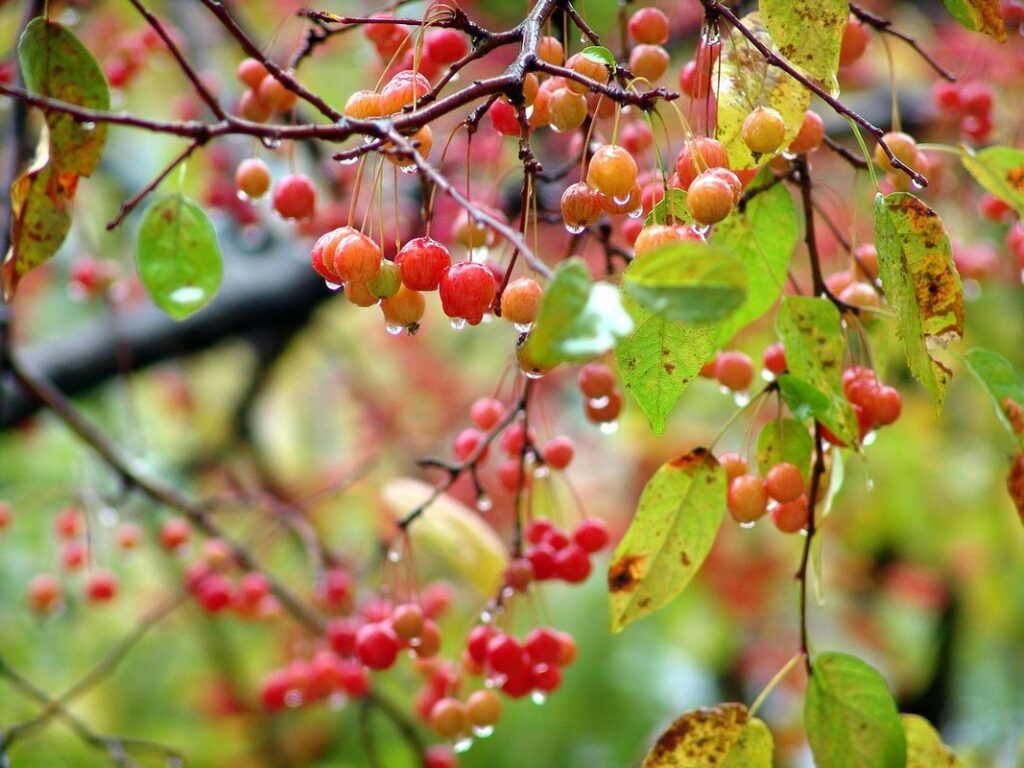
Common Fruits that Grow on Vines
You’ll love learning about the juicy fruits that grow on vines, from succulent grapes to sweet kiwis and plump passionfruits. Let’s start exploring these tasty treasures!
Grapes: The Most Widespread Fruit Vine
Grapes are undoubtedly one of the most widely consumed fruits globally, with over 25 million tons produced annually. They’re also one of the oldest cultivated fruits, with evidence of grape cultivation dating back to around 6000 BC in ancient civilizations such as Greece and Rome. But grapes aren’t just a tasty snack or a refreshing drink; they offer numerous health benefits and have been used for centuries in various ways.
In terms of nutrition, grapes are an excellent source of vitamins C and K, potassium, and antioxidants like resveratrol. They’ve been linked to reduced risks of heart disease, certain cancers, and age-related cognitive decline. Grapes also come in a range of varieties, from the sweet Muscat and Riesling to the tart Concord and Thompson Seedless.
If you’re interested in cultivating your own grapes, consider planting disease-resistant varieties like Flame or Ruby Seedless. These can thrive in containers or directly in soil with minimal maintenance. For wine enthusiasts, the process begins by selecting suitable grape varieties for fermentation – typically those with high acidity and sugar content.
One of the most unique aspects of grapes is their adaptability to various climates and regions. From the arid deserts of California to the lush vineyards of Bordeaux, grapes can grow in almost any environment.
Kiwi: A Superfood Grown on a Climbing Plant
When it comes to superfoods that grow on vines, kiwi is definitely one of the top contenders. This small, fuzzy fruit packs a big punch when it comes to nutritional benefits. For starters, kiwis are an excellent source of vitamin C, with just one medium-sized kiwi providing over 70% of your daily recommended intake. But that’s not all – kiwis also contain a range of other essential vitamins and minerals like potassium, folate, and manganese.
In terms of antioxidant properties, kiwis stand out from the crowd. They contain an impressive array of antioxidants, including vitamin C, polyphenols, and flavonoids, which work together to protect against cell damage and inflammation in the body. This makes kiwi a great choice for anyone looking to boost their immune system or reduce their risk of chronic diseases like heart disease and cancer.
If you’re interested in growing your own kiwi plants at home, it’s easier than you think. Kiwi plants are relatively low-maintenance and can thrive in containers or directly in the ground. Simply choose a sunny spot with well-draining soil, plant your kiwi seedling, and water regularly – before long, you’ll be enjoying fresh kiwi straight from your own backyard!
Pomegranate: A Fruit with Medicinal Properties
Pomegranates are one of the most nutrient-dense fruits that grow on vines, making them an excellent addition to a healthy diet. One medium-sized pomegranate contains about 3 grams of dietary fiber, along with essential vitamins C and K. The fruit is also rich in antioxidants, which play a crucial role in protecting cells from damage caused by free radicals.
The potential health benefits of pomegranates are numerous. Studies have shown that consuming pomegranate juice can lower LDL (bad) cholesterol levels and even help reduce blood pressure. This makes pomegranates an excellent choice for individuals at risk of heart disease or those looking to manage their weight. Additionally, the anti-inflammatory properties present in pomegranates may help alleviate symptoms associated with arthritis and other inflammatory conditions.
To incorporate pomegranates into your diet, try adding them to salads, yogurt, or oatmeal. You can also enjoy pomegranate juice as a refreshing beverage. When selecting a fresh pomegranate, look for ones that are heavy for their size and have a deep red color. With its unique taste and numerous health benefits, it’s no wonder why pomegranates are becoming increasingly popular among health-conscious individuals.
Fruits that Grow on Shrubs
When it comes to shrubs, many people assume they only produce flowers and foliage. However, some surprisingly delicious fruits also grow on these compact, shrub-like plants!
Strawberry: A Popular Summer Fruit
Strawberries are one of the most popular summer fruits that grow on shrubs. They thrive in temperate climates with mild winters and cool summers. Ideal growing conditions for strawberries include full sun to partial shade, well-draining soil with a pH between 5.5 and 6.5.
To fertilize your strawberry plants, use a balanced fertilizer (10-10-10) in early spring followed by a second application in mid-summer. Mulching around the plants helps retain moisture, suppress weeds, and regulate soil temperature.
However, strawberries are susceptible to various diseases such as powdery mildew, botrytis, and leaf spot. Regularly inspect your plants for signs of disease like yellowing leaves or white powdery patches on the leaves. Use organic or integrated pest management (IPM) methods to control pests like aphids, spider mites, and slugs.
To prevent diseases and pests, ensure good air circulation around strawberry plants and remove any weeds that compete with them for water and nutrients. Regular watering and maintaining a consistent moisture level can also help reduce the risk of disease.
Gooseberry: A Tart but Nutritious Fruit
Gooseberries are often overlooked as a nutritious addition to our diets, but this tart fruit packs a punch when it comes to vitamins and antioxidants. With one medium gooseberry providing around 125% of the recommended daily intake of vitamin C, incorporating them into your meals can boost your immune system in no time.
There are several types of gooseberries, each with its unique characteristics. The most commonly consumed varieties include green, red, and yellow gooseberries. Green gooseberries have a more acidic taste, making them ideal for jams and preserves. Red gooseberries are sweeter and often eaten fresh or used in desserts. Yellow gooseberries, on the other hand, have a milder flavor and can be enjoyed raw or cooked.
To incorporate gooseberries into your diet, start by adding them to salads, smoothies, or yogurt parfaits. You can also use them as a topping for oatmeal or ice cream. For a burst of flavor, try making a homemade jam using green gooseberries and enjoy it on toast or scones. With their numerous health benefits and versatility in cooking, it’s time to give gooseberries the attention they deserve.
Currant: A Small but Tasty Fruit
Currants are one of the smallest yet most flavorful fruits that don’t grow on trees. They’re perfect for adding a burst of sweetness and color to baked goods, salads, and even savory dishes. But did you know that currants require specific growing conditions to thrive? Let’s dive into the optimal climate, soil requirements, and fertilization needs for these tiny superstars.
Currants love cool, temperate climates with moderate summers and cold winters. They prefer well-drained soil with a pH between 6.0 and 7.0. To promote healthy growth, fertilize your currant shrubs in early spring with a balanced fertilizer (10-10-10 NPK). As for common diseases, currants are susceptible to powdery mildew and leaf spot. Regularly inspect your plants, and if you notice any signs of infection, treat them promptly with fungicides.
To keep pests at bay, use organic methods like spraying neem oil or introducing beneficial insects that prey on aphids and other pests. Prune your currant shrubs annually to maintain their shape and promote fruiting. With proper care, you’ll be enjoying a bountiful harvest of sweet, juicy currants in no time!
Tropical Fruits that Don’t Grow on Trees
When it comes to tropical fruits, you might be surprised at how many don’t grow on trees – let’s explore some of these hidden gems!
Pineapple: A Prickly but Sweet Fruit
When it comes to tropical fruits that don’t grow on trees, pineapple is undoubtedly one of the most popular and versatile options. Native to South America, pineapples have become a staple in many cuisines around the world due to their unique flavor and impressive nutritional profile.
One of the key benefits of consuming pineapples is their exceptionally high vitamin C content – a single serving can provide up to 130% of your daily recommended intake! This makes them an excellent addition to a healthy diet, supporting immune function and collagen production. Pineapples also contain anti-inflammatory compounds called bromelain, which have been shown to reduce swelling and alleviate symptoms of arthritis.
Growing pineapple plants at home is surprisingly easy, requiring minimal maintenance and care. You can start by planting the crown (or “eyes”) from a fresh pineapple in well-draining soil with plenty of sunlight. Water regularly, but avoid overwatering – pineapples are susceptible to root rot if the soil is too moist. With proper care, your pineapple plant will flourish, producing delicious fruit for years to come!
Papaya: A Fruit Rich in Vitamins and Minerals
Papaya is one of the most popular tropical fruits that don’t grow on trees, and for good reason. Not only is it rich in vitamins A and C, but it’s also an excellent source of potassium and folate. But did you know that papayas are relatively easy to grow, given the right conditions?
Optimal climate for papaya cultivation ranges from tropical to subtropical regions with temperatures between 64°F and 90°F (18°C and 32°C). The ideal soil should be well-draining, rich in organic matter, and slightly acidic. To promote healthy growth, fertilize your papaya plant with a balanced fertilizer during the growing season.
However, papayas are susceptible to several diseases and pests, including anthracnose, root rot, and the papaya mealybug. Regularly inspect your plants for signs of infestation or disease, and take prompt action if necessary. For example, remove any affected leaves or stems, and treat with insecticidal soap or neem oil.
By providing your papaya plant with the right growing conditions and care, you can enjoy a bountiful harvest of this delicious and nutritious fruit in as little as six to nine months.
Guava: A Small but Nutritious Fruit
Guavas are a nutrient-dense fruit that’s packed with health benefits. One of the key advantages of guava is its high vitamin C content – just one guava provides over 250% of your daily recommended intake! This makes it an excellent choice for boosting immunity and fighting off illnesses.
The antioxidant properties in guavas also make them a great tool for protecting against chronic diseases like heart disease, diabetes, and certain types of cancer. Guavas are rich in polyphenols, flavonoids, and carotenoids, which work together to neutralize free radicals and promote overall well-being.
If you’re interested in growing guava plants at home, it’s relatively easy to do so. Guava trees prefer a subtropical climate with full sun and well-draining soil. They can be grown in containers or directly in the ground, making them a great option for small spaces. With proper care, guavas can thrive in USDA zones 4-10 and produce fruit within 2-3 years of planting.
When choosing guava varieties to grow at home, look for compact or dwarf varieties that are specifically bred for container growing or smaller spaces. This will help ensure you get a healthy crop without taking up too much space.
Fruits that Grow on Bulbs
Let’s explore one of the most unique categories: fruits that grow on bulbs, like garlic and onions. You might be surprised by how many tasty options fall into this unusual group.
Onion: A Versatile Vegetable with Medicinal Properties
Onions are often overlooked as a fruit due to their savory flavor and use primarily in cooking. However, they belong to the Allium family and grow on underground bulbs, just like garlic does. This makes them a perfect fit for our list of fruits that don’t grow on trees.
One of the most impressive nutritional benefits of onions is their high fiber content. A single medium-sized onion can provide up to 2.6 grams of dietary fiber, which is about 10% of the daily recommended intake. Fiber is essential for maintaining a healthy digestive system and preventing constipation. Onions are also rich in antioxidants like quercetin, which has potent anti-inflammatory properties that may help reduce the risk of chronic diseases such as heart disease and cancer.
Incorporating onions into your meals can be easy. Simply sauté them with olive oil and garlic for a tasty side dish or add them to soups and stews for added depth of flavor. You can also use onion powder as a seasoning, making it a convenient way to get the benefits of onions in a pinch.
Garlic: A Flavorful Herb with Health Benefits
Garlic is often overlooked as a “fruit” despite being technically classified as one. It’s easy to see why, given its association with savory dishes rather than sweet treats. However, garlic does indeed grow on a bulb, which sets it apart from fruits that grow on trees. For those interested in growing their own garlic, the optimal climate is one with warm summers and cool winters, making regions like California or Italy ideal.
When it comes to soil requirements, garlic prefers well-draining, loose soil rich in organic matter. A pH between 6.0 and 7.0 is also crucial for optimal growth. Fertilization should be done carefully, as over-fertilizing can lead to weak bulbs. It’s best to use a balanced fertilizer in the spring, followed by a high-phosphorus fertilizer to promote bulb formation.
Common garlic diseases include white rot and fusarium basal rot, which are often caused by poor drainage or inadequate fertilization. Pests like aphids, spider mites, and thrips can also be problematic. To mitigate these issues, practice good garden hygiene, monitor your plants regularly, and consider using organic pest control methods whenever possible.
Unconventional Fruits that Don’t Grow on Trees
While most people think of fruits as growing on trees, there are many delicious options that don’t fit this bill. Let’s explore some unconventional favorites!
Rambutan: A Tropical Fruit with a Unique Appearance
Rambutan is one of those tropical fruits that will leave you curious with its unique appearance. Growing on a bushy vine, this Southeast Asian native has a soft hair-like covering, giving it a fuzzy look. But don’t let its appearance fool you – rambutans pack quite the punch when it comes to nutrition.
Rich in vitamin C, rambutans are an excellent source of antioxidants that can help boost your immune system. In fact, one serving of rambutan provides over 100% of your daily recommended intake of vitamin C. This makes them a great addition to your diet during cold and flu season. The high water content in rambutans also makes them a refreshing and hydrating snack.
To reap the benefits of rambutans, you can try incorporating them into salads or enjoying them as a fresh fruit snack. You can even use their seeds to make a nutritious oil that’s rich in antioxidants. With its unique taste and impressive nutritional profile, it’s no wonder rambutans are gaining popularity worldwide. Give them a try and experience the tropical twist they bring to your diet!
Mangosteen: A Fruit with Medicinal Properties
Mangosteen is a tropical fruit that’s often referred to as the “Queen of Fruits” due to its impressive array of health benefits. Native to Southeast Asia, mangosteens are purple-red in color and have a soft, white interior with a slightly sweet taste.
One of the key reasons why mangosteen is so beneficial for our bodies is its high vitamin C content. In fact, it has one of the highest levels of vitamin C among all fruits, which can help boost our immune system and fight off infections. A single serving of mangosteen provides over 150% of the recommended daily intake of vitamin C.
In addition to its high vitamin C content, mangosteen also contains anti-inflammatory properties that have been shown to be effective in reducing pain and inflammation. This makes it a great natural remedy for conditions like arthritis and other inflammatory diseases. The xanthone compounds present in mangosteen have been found to inhibit the growth of cancer cells, making it a promising fruit for cancer prevention.
To incorporate mangosteen into your diet, try incorporating it into salads or smoothies for an extra boost of vitamin C and antioxidants. You can also consume it as a juice or take it in supplement form.
Dragon Fruit: A Tropical Fruit Rich in Vitamins and Minerals
Dragon fruit is a tropical gem that thrives in regions with optimal climate conditions. This vibrant fruit requires a warm and humid environment to grow, typically between 64°F to 90°F (18°C to 32°C). It prefers well-drained soil rich in organic matter, making it ideal for cultivation in areas with rich volcanic or sandy soils. When it comes to fertilization, dragon fruits benefit from regular feeding of balanced fertilizers, particularly during the fruiting stage.
However, even with favorable growing conditions, dragon fruits are susceptible to common diseases such as root rot and anthracnose. Regular pruning and good air circulation can help prevent these issues. Pests like aphids and mealybugs can also be a problem; introduce natural predators or use neem oil to control infestations.
To successfully grow dragon fruit, choose a location with adequate sunlight and protection from strong winds. By understanding the unique needs of this tropical treasure, you’ll be well on your way to enjoying a bountiful harvest of this nutrient-rich delight.
Conclusion
In conclusion, exploring the world of fruits that don’t grow on trees has been an enlightening experience. We’ve delved into the unique characteristics and benefits of these often-overlooked options, including strawberries, blueberries, raspberries, blackberries, and grapes. By incorporating these fruits into your diet, you can enjoy a boost of essential vitamins, minerals, and antioxidants. Consider adding fresh berries to your morning oatmeal or yogurt, or blending them into a refreshing smoothie. To make the most of these tree-free fruits, be sure to choose seasonal options whenever possible and store them properly to maintain their flavor and nutritional value. By embracing this diverse array of options, you’ll expand your culinary horizons and reap the rewards of a balanced diet.
Frequently Asked Questions
Can I grow these non-tree fruits at home, or are they too difficult to cultivate?
You can definitely try growing some of the fruits mentioned in this article at home, but it depends on the specific fruit and your climate. For example, kiwis and passionfruits are relatively easy to grow in temperate climates, while tropical fruits like guava and dragon fruit require a warmer environment. Research the specific growing conditions for each fruit before attempting to cultivate them.
How do I incorporate these non-tree fruits into my diet and meal planning?
Incorporating new fruits into your diet can be as simple as adding sliced strawberries or kiwi to oatmeal or salads, or using fresh grapes in smoothies. Experiment with different recipes and flavors to find ways to make these fruits a part of your daily meals.
Are there any specific health benefits I should know about for each type of non-tree fruit?
Yes! For example, pomegranates have been shown to have anti-inflammatory properties, while papayas are rich in vitamins A and C. Grapes contain resveratrol, an antioxidant that has been linked to heart health. Research the unique health benefits of each fruit to get the most out of them.
Can I substitute non-tree fruits for tree-grown fruits in recipes?
In many cases, yes! For example, you can use kiwi instead of pineapple or strawberries as a topping for yogurt or ice cream. However, keep in mind that different fruits have unique flavor profiles and textures, so some experimentation may be necessary to find the best substitutes.
Are there any specific cooking methods or techniques I should use when preparing non-tree fruits?
Some non-tree fruits, like tropical fruits like pineapple and papaya, can be cooked in a variety of ways, including grilling, roasting, or sautéing. Other fruits, like kiwi and strawberries, are best enjoyed fresh or lightly sweetened. Experiment with different cooking methods to bring out the unique flavors of each fruit.