
Fruit tree blooming is a beautiful sight to behold, but did you know that optimizing this process can lead to bountiful harvests? If you’re an avid gardener or just starting out, you’re probably eager to learn how to encourage your fruit trees to bloom their best. Choosing the right trees for your climate and soil type is crucial, as is proper pruning, pollination, and soil care throughout the year.
In this article, we’ll dive into expert tips on how to optimize your fruit tree blooming. We’ll cover everything from selecting varieties that thrive in your region to maintaining the health of your trees through regular maintenance tasks like pruning and mulching. By following these simple yet effective techniques, you can increase yields and enjoy a more productive and rewarding gardening experience.
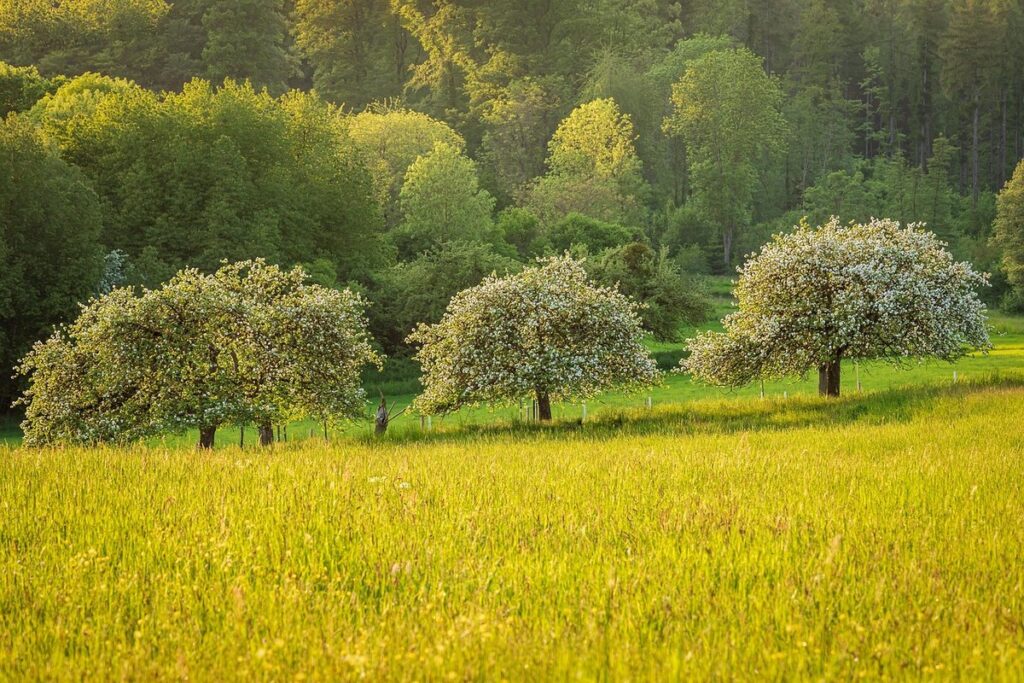
Understanding the Blooming Process
Now that you’ve learned about the signs of blooming fruit trees, let’s dive deeper into understanding the actual process of how they bloom. This section explains the intricacies of tree flowering in detail.
The Role of Weather Conditions in Tree Blooming
When it comes to fruit tree blooming, weather conditions play a significant role in determining when and how they bloom. Temperature is one of the most critical factors affecting fruit tree blooming. Most fruit trees require a certain number of chill hours, which is the amount of time they spend in temperatures between 32°F and 45°F (0°C to 7°C), to break dormancy and produce buds. For example, apple trees typically need around 600-1,200 chill hours, while peach trees require around 300-400 chill hours.
Sunlight also has a significant impact on fruit tree blooming. Fruit trees generally prefer full sun to partial shade, with six to eight hours of direct sunlight per day. However, some varieties like citrus and fig trees can tolerate more shade. Adequate rainfall is essential for fruit tree blooming as well. Fruit trees require around 20-30 inches (500-750 mm) of water annually, depending on the climate and soil type.
To ensure optimal blooming conditions, it’s essential to provide your fruit tree with a suitable environment that meets its specific temperature, sunlight, and rainfall requirements.
Factors Influencing Pollination and Fruiting
When it comes to fruit trees blooming, several factors can significantly influence pollination and fruit set. Soil quality, for instance, plays a crucial role in supporting the overall health of your tree. Well-draining soil rich in organic matter allows for optimal nutrient uptake by the roots, which is essential for flower and fruit development.
Nutrient availability is another critical factor that impacts pollination and fruiting. Fruit trees require adequate supplies of macronutrients like nitrogen, phosphorus, and potassium to produce healthy flowers and fruits. A balanced fertilizer application during the growing season can go a long way in ensuring your tree receives all the necessary nutrients.
Proper pruning techniques also contribute significantly to successful pollination and fruit set. Pruning helps maintain an open canopy structure, allowing sunlight to reach flowers and young fruits. It also promotes air circulation, reducing the risk of disease infection that can hinder pollination and fruiting.
In practice, make sure to have your soil tested annually to determine its nutrient content and pH level. Based on the results, adjust your fertilizer application accordingly. Prune your tree in late winter or early spring, removing any dead, diseased, or damaged branches. This will help your tree focus its energy on producing healthy flowers and fruits.
Choosing the Right Fruit Trees for Your Climate
When selecting fruit trees, it’s essential to choose varieties that thrive in your local climate and soil conditions. This means considering factors like temperature, humidity, and sunlight exposure when making your decision.
Selecting Fruit Trees Suitable for Warm Climates
When selecting fruit trees suitable for warm climates, consider popular varieties that can thrive in temperatures above 65°F (18°C). For instance, citrus trees like oranges, lemons, and limes are well-suited for regions with mild winters. Avocado trees, another staple in warm climates, require minimal chill hours and produce fruit year-round.
Mango trees are also a popular choice for tropical and subtropical regions, providing high yields of juicy fruit. However, they do require more maintenance, including regular pruning to maintain shape and encourage fruiting.
When planting fruit trees in warm climates, it’s essential to provide adequate protection from extreme heat. Mulching around the base helps retain moisture and regulate soil temperature, while also suppressing weeds. Regular watering is crucial, but be cautious not to overwater, which can lead to root rot and other issues.
Some popular fruit tree varieties for warm climates include ‘Valencia’ orange, ‘Hass’ avocado, and ‘Ataulfo’ mango. Research specific growing conditions and requirements for your chosen variety to ensure success in your warm climate garden.
Selecting Fruit Trees Suitable for Cold Climates
When selecting fruit trees for colder climates, it’s essential to choose varieties that can tolerate frost and freezing temperatures. Some excellent options for cold-climate gardeners include:
* Apple trees (Malus domestica) such as ‘Red Delicious’ and ‘Gala’, which are relatively hardy and can withstand temperatures as low as -20°F (-29°C).
* Pear trees (Pyrus communis) like ‘Bartlett’ and ‘Anjou’, which prefer cooler winters and can tolerate temperatures down to -30°F (-34°C).
* Cherry trees (Prunus avium) like ‘Bing’ and ‘Rainier’, which are relatively cold-hardy but may require some protection during extreme cold snaps.
To ensure optimal growth in colder climates, it’s crucial to adapt your fruit tree care routine accordingly. This includes planting trees in well-draining soil with a southern exposure to maximize sunlight hours. Mulching around the base of the tree and using anti-desiccant sprays can also help protect against frost damage and dry winter conditions.
When choosing specific varieties, consider factors such as chill hours (the amount of time fruit trees require cold temperatures to break dormancy) and hardiness zones. This will help you select the best-suited options for your specific region and ensure a bountiful harvest.
Preparing Soil for a Fruit Tree Bloom
To ensure your fruit tree blooms beautifully, it’s essential to prepare its soil properly. Let’s dive into the simple yet crucial steps to take right now.
Soil Testing and Analysis
Soil testing and analysis are crucial steps in preparing soil for a fruit tree bloom. By understanding the nutrient levels and potential deficiencies in your soil, you can take corrective measures to ensure your trees receive the necessary nutrients for optimal growth and blooming.
Most fruit trees prefer well-draining, slightly acidic soils with a pH between 6.0 and 7.0. However, the ideal pH range may vary depending on the specific tree species. For instance, citrus trees thrive in slightly acidic soils with a pH of around 6.5, while apple trees perform best in slightly alkaline soils with a pH of about 7.2.
To conduct soil testing, you can collect a sample from 6-8 inches deep and send it to a laboratory for analysis. Alternatively, you can use DIY soil testing kits available at most gardening stores. These kits usually provide an estimate of the nutrient levels in your soil, including nitrogen (N), phosphorus (P), potassium (K), as well as pH levels.
Once you have the results, compare them with the recommended levels for your specific fruit tree species. If deficiencies are detected, apply targeted fertilizers to address the issues. For example, if the test reveals low levels of phosphorus, add a balanced fertilizer rich in P and K to promote healthy root growth and blooming.
Amending Soil for Optimal Nutrient Levels
When it comes to amending soil for optimal nutrient levels, selecting the right organic amendments is crucial. The type and quantity of amendments you choose will depend on your soil’s current condition and the specific needs of your fruit tree. Compost is an excellent choice as it adds beneficial microorganisms, improves soil structure, and increases nutrient availability.
Consider using well-rotted manure or leaf mold to add organic matter and improve soil fertility. Alfalfa meal or fish bone meal can provide a boost of nitrogen, phosphorus, or potassium, depending on your tree’s needs. However, use these amendments sparingly as excessive amounts can cause an overabundance of certain nutrients.
To determine the right balance for your tree, consider getting a soil test to identify nutrient deficiencies and pH levels. Based on the results, you can choose targeted amendments to improve soil fertility and structure. For example, if your soil is too acidic, adding dolomitic limestone or oyster shell can help raise the pH.
Encouraging Fruit Tree Blooming through Pruning
To encourage your fruit trees to bloom, pruning is a crucial step that helps promote healthy growth and increases the chances of successful blooming. Proper pruning techniques are essential for this process.
Basic Pruning Techniques for Fruit Trees
When it comes to encouraging fruit tree blooming through pruning, understanding basic pruning techniques is essential. Pruning is not just about cutting branches; it’s an art that requires timing and technique to ensure the health and productivity of your trees.
For deciduous fruit trees like apples, pears, and cherries, prune during their dormant season, typically between late winter and early spring. This allows for new growth in the growing season, promoting blooming and fruit production. For evergreen trees like citrus and olive, prune year-round, as they bloom continuously.
Some fundamental pruning principles include:
* Removing diseased, damaged, or crossing branches to maintain tree health and structure
* Reducing branch length to promote air circulation and sunlight penetration
* Thin out dense growth to encourage new fruiting wood development
When pruning, use sharp, clean tools to prevent spreading diseases. Cut just above a bud or node, making a 45-degree angle cut to prevent water from collecting on the wound. Don’t over-prune – removing more than one-third of the tree’s branches can shock the tree and reduce blooming potential.
By understanding these basic pruning techniques and timing them correctly for your specific fruit tree type, you’ll be well on your way to promoting healthy growth and encouraging those beautiful blooms.
Tips for Optimizing Fruit Set through Pruning
When it comes to optimizing fruit set through pruning, there are several strategies you can employ. One of the most effective ways is by reducing the number of fruiting branches. This might seem counterintuitive, but by limiting the number of fruiting branches, you’re allowing more energy and resources to be directed towards each individual fruit.
To achieve this, identify the strongest and healthiest branches that are producing the most fruit, and remove any weaker or diseased ones. This will also help improve air circulation and reduce the risk of disease. Additionally, prune back any overgrown tips to encourage bushy growth and increase the number of flowers produced.
Another key aspect is promoting cross-pollination by pruning adjacent branches to create a “V” shape. This allows bees and other pollinators to easily access both sides of the tree, increasing the chances of successful pollination. By combining these strategies, you’ll be able to optimize fruit set, improve overall health, and enjoy a bountiful harvest.
Common Challenges in Fruit Tree Blooming and How to Overcome Them
As you nurture your fruit trees, it’s not uncommon to encounter challenges that hinder blooming. We’ll explore common issues that can impact fruit tree blossoms.
Identifying and Managing Pests and Diseases
When fruit trees are in bloom, they become more susceptible to pests and diseases that can damage flowers, reduce yields, and even kill the tree. Some common pests that affect fruit trees during this time include aphids, whiteflies, and spider mites. These tiny insects feed on sap, causing curled or distorted leaves, stunted growth, and reduced flowering.
Diseases such as powdery mildew, brown rot, and scab also become more prevalent when fruit trees are blooming. Powdery mildew is a fungal disease that causes a white, powdery coating to form on leaves, while brown rot is a bacterial infection that turns fruits soft and mushy.
To manage pests and diseases naturally, practice good garden hygiene by removing weeds, debris, and infested branches. Encourage beneficial insects like bees, ladybugs, and lacewings, which prey on aphids and other pests. Use neem oil or insecticidal soap to control mild infestations, but avoid overusing chemical pesticides that can harm the environment.
Regularly inspect your trees for signs of damage, and treat any issues promptly to prevent them from spreading. For example, if you notice aphid colonies on a branch, prune it off immediately to prevent further infestation. By staying vigilant and using natural control methods, you can protect your fruit trees and ensure a healthy, productive bloom season.
Strategies for Dealing with Unfavorable Weather Conditions
When dealing with unfavorable weather conditions, it’s essential to take proactive measures to minimize their impact on fruit tree blooms. Extreme weather events like frost damage and drought can be particularly challenging for fruit trees.
Frost damage is a common issue that can occur when temperatures drop below the tree’s tolerance level, causing buds to freeze and potentially kill them. To mitigate this risk, consider using anti-desiccant sprays or covers to protect your trees from frost. For example, you can use burlap sheets or frost blankets to cover young trees, while more mature trees can benefit from a layer of anti-desiccant spray.
Drought, on the other hand, requires a different approach. When rainfall is scarce, ensure that your fruit trees receive adequate water supply through irrigation systems. Be cautious not to overwater, as this can lead to root rot and other issues. Monitor soil moisture levels regularly and adjust watering schedules accordingly.
In both cases, maintaining healthy tree growth and preparing for potential weather events through regular pruning and fertilization can help your fruit trees withstand extreme conditions. Regular monitoring of weather forecasts can also enable you to take preventive measures in a timely manner.
Maintaining Fruit Tree Health throughout the Year
To keep your fruit trees thriving, you’ll need to stay on top of regular pruning, fertilizing, and pest management, which can be a bit overwhelming if you’re new to growing fruit.
Regular Maintenance Tasks for Healthy Fruit Trees
To ensure your fruit trees continue to thrive and produce an abundance of delicious fruit year after year, regular maintenance tasks are crucial. One essential task is pruning, which helps promote healthy growth, encourages fruiting, and removes diseased or damaged branches that can spread disease.
Regular fertilization is also vital for maintaining a robust tree. Feed your trees with a balanced fertilizer in early spring, and follow the instructions on the package for application rates. Be mindful of over-fertilizing, as this can damage the tree’s root system. Consider getting a soil test done to determine the nutrient levels in your soil.
Another critical aspect is pest management. Regularly inspect your trees for signs of pests like aphids, whiteflies, and spider mites. Use organic or integrated pest management (IPM) methods to control infestations before they become severe. Keep an eye out for diseases like powdery mildew, brown rot, and root rot, which can spread quickly if not addressed promptly.
By incorporating these routine tasks into your annual maintenance schedule, you’ll be well on your way to growing a thriving, productive fruit tree that will provide you with a bountiful harvest for years to come.
Seasonal Adjustments for Optimal Fruit Production
As you nurture your fruit trees throughout the year, it’s essential to make seasonal adjustments to ensure continuous blooming and healthy growth. This involves paying attention to changes in temperature, humidity, and sunlight patterns that impact tree development.
During spring, prune fruit trees to promote healthy growth and encourage new blooms. Remove any dead or diseased branches, and shape the tree to maintain a balanced structure. Be sure to disinfect your pruning tools between cuts to prevent the spread of disease.
Summer months require careful watering and fertilization schedules. Fruit trees need adequate moisture during this period, but overwatering can lead to root rot and other issues. Aim for about 1 inch of water per week, either through rainfall or irrigation. Additionally, consider adding a balanced fertilizer in late summer to support fruit development and overall tree health.
In autumn, prepare your fruit trees for the winter months by providing protection from extreme temperatures and moisture fluctuations. Install windbreaks or frost cloth to shield delicate varieties from harsh conditions.
Frequently Asked Questions
How do I determine if my fruit tree is getting enough chill hours?
Concise, valuable answer: Chill hours play a crucial role in determining when your fruit tree blooms. To determine if your tree is receiving sufficient chill hours, monitor the temperature and record it over several years. For most deciduous trees, 600-800 chill hours are ideal. Check the specific requirements for your tree species to ensure optimal blooming.
What’s the best way to handle common pests like aphids and spider mites on my fruit trees?
Concise, valuable answer: Regularly inspect your trees for signs of infestation, such as white powdery patches or sticky honeydew droplets. For minor issues, use neem oil or insecticidal soap sprays according to the product’s instructions. For severe infestations, consider introducing beneficial insects like ladybugs or lacewings that prey on these pests.
Can I plant multiple fruit trees of different varieties together?
Concise, valuable answer: Yes, planting multiple fruit tree varieties together can increase pollination and overall yield. Ensure compatibility by selecting species with similar blooming periods and growth habits to promote cross-pollination. Research specific requirements for your chosen varieties before planting.
How often should I prune my fruit trees for optimal blooming?
Concise, valuable answer: Prune your fruit trees annually during their dormant season (winter or early spring) to maintain shape and promote healthy growth. Remove any dead, diseased, or damaged branches, and thin out the tree to allow sunlight penetration. Prune no more than 25% of the tree’s canopy to avoid stressing it.
Can I still grow fruit trees in areas with poor soil quality?
Concise, valuable answer: Yes, but you’ll need to take extra steps to amend your soil for optimal nutrient levels. Test your soil pH and adjust it accordingly by adding lime (for acidic soils) or sulfur (for alkaline soils). Incorporate organic matter like compost or well-rotted manure to improve soil structure and fertility.