
Growing your own fruit trees can be a truly rewarding experience, but it requires more than just planting a few seeds. One crucial aspect of successful fruit tree cultivation is pollination. Without proper pollination, your trees may not produce the fruit you’re hoping for, leading to disappointment and frustration. That’s why we’ve created this comprehensive guide to fruit tree pollination. In this article, we’ll delve into the basics of pollination, including how it works and what factors influence its success. We’ll also explore advanced techniques like Integrated Pest Management (IPM) and artificial aids that can help enhance pollination outcomes. By following our expert advice, you’ll learn how to create a fruit-friendly environment and boost your tree’s chances of successful pollination and abundant harvests.
Understanding Fruit Tree Pollination Basics
So, you want to grow a bountiful harvest from your fruit trees? To get started, let’s dive into the basics of pollination and how it affects your tree’s productivity.
Types of Fruits and Their Pollination Needs
When it comes to fruit tree pollination, different types of fruits have varying needs. For instance, apples and pears are self-incompatible, meaning they require cross-pollination from a compatible variety to produce fruit. On the other hand, citrus trees like oranges and lemons are self-fertile but still benefit from having multiple trees nearby for better pollination.
Berries, such as strawberries, blueberries, and raspberries, have different requirements. Strawberries are self-fertile, but their yields increase significantly with cross-pollination. Blueberries require two different varieties that bloom at the same time to ensure successful pollination. Raspberries, being dioecious, need both male and female plants for proper pollination.
Pollination is essential for fruit tree health as it allows for seed production and fertilization of flowers. Without sufficient pollinators or cross-pollination, fruit trees may struggle to produce viable seeds, leading to reduced yields and lower quality fruit.
Factors Affecting Fruit Tree Pollination
Fruit tree pollination success largely depends on various environmental factors that can either promote or hinder the process. Temperature and climate play a crucial role in fruit tree pollination, with most trees requiring a certain temperature range to produce viable pollen.
In regions with extreme temperatures, such as frost-prone areas or those experiencing intense heatwaves, fruit tree pollination may be compromised. For instance, cherry blossoms are sensitive to frost damage, which can significantly reduce the chances of successful pollination.
Wind direction also affects fruit tree pollination, particularly for trees that rely on wind-borne pollen transfer. A gentle breeze can facilitate the exchange of pollen between trees, while strong gusts can disrupt this process and lead to reduced fruit set.
Humidity levels also impact fruit tree pollination, with optimal humidity ranges varying depending on the specific species. Some trees thrive in humid conditions, such as mangoes, which require high humidity for successful pollination.
Types of Pollinators: Bees, Butterflies, and More
Let’s explore the diverse world of pollinators that help fruit trees thrive, from busy bees to colorful butterflies and other important helpers.
Honey Bee Importance in Fruit Pollination
Honey bees are some of the most crucial pollinators for fruit trees. A single colony can contain up to 60,000 honey bees, and these colonies operate like tiny factories. The organization within a hive is impressive: workers communicate through complex dance patterns and pheromones to coordinate tasks, ensuring that every bee knows what needs to be done.
When it comes to foraging for nectar and pollen, honey bees are incredibly efficient. They visit around 50-100 flowers per trip, collecting and transferring pollen between plants in the process of pollination. This behavior is crucial for fruit tree reproduction, as many varieties rely on cross-pollination to produce viable seeds.
If you’re a gardener or farmer looking to attract more honey bees to your orchard, consider planting a variety of flowering plants that provide nectar and pollen rich sources of nutrition. This will not only support the local pollinator population but also encourage healthy plant growth and fruit production.
Other Insect Pollinators (Wasps, Flies)
While bees and butterflies often steal the pollination spotlight, other insects play a crucial role in fruit tree pollination. Wasps, for example, are efficient pollinators, especially when it comes to fruits like blueberries and raspberries. These beneficial wasps transfer pollen from one flower to another as they feed on nectar.
Flies, too, are often overlooked but contribute significantly to fruit tree pollination. Fruit flies, in particular, visit flowers for food and inadvertently pick up and deposit pollen grains, facilitating cross-pollination. Some species of flies even exhibit specialized behaviors, like hoverflies that mimic the appearance of bees, further enhancing their pollinating abilities.
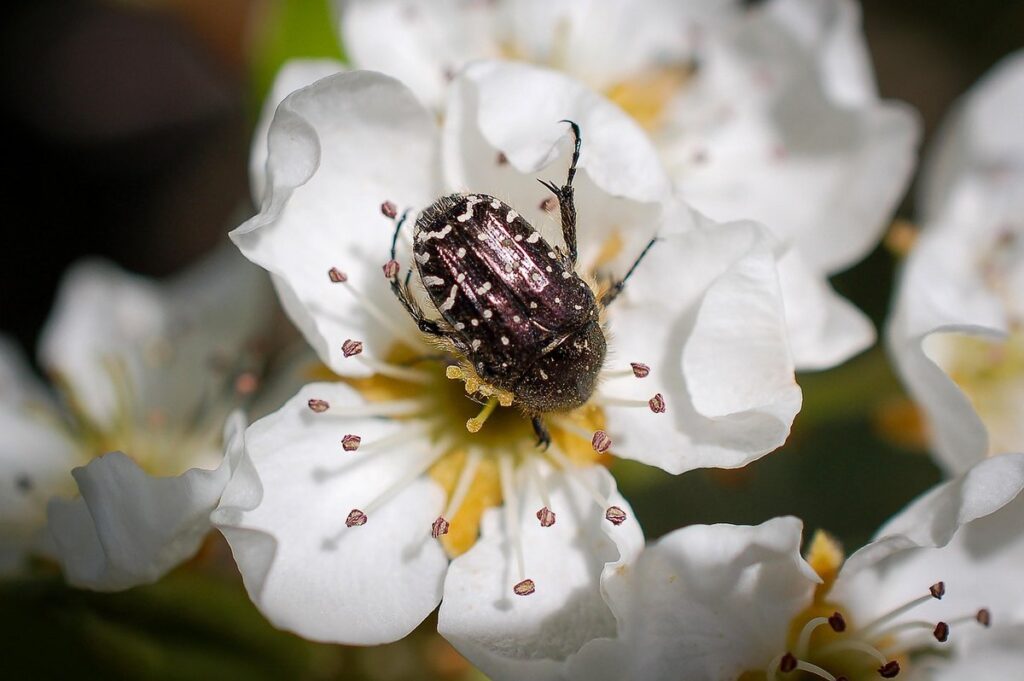
Beetles are another group of insects that contribute to fruit tree pollination. These tiny creatures can be both beneficial (like ladybugs) and detrimental (like sap-feeding beetles). However, some species of beetles, such as bumblebee-like flower beetles, actively collect and transfer pollen between flowers, boosting pollination efficiency.
When cultivating fruit trees, consider the role these often-overlooked insects play in your orchard’s ecosystem. By understanding their habits and habitats, you can create a more diverse and resilient pollinator network, potentially reducing your reliance on bees and other dominant pollinators.
Creating a Fruit-Friendly Environment
To ensure optimal pollination, it’s crucial to create a fruit-friendly environment around your trees. This includes choosing the right location and companion plants for successful cross-pollination.
Tree Selection and Placement for Optimal Pollination
When selecting fruit trees for optimal pollination, it’s essential to choose varieties that are compatible with your climate and region. Research the specific needs of different tree species, including chill hours, heat tolerance, and frost sensitivity. For example, some citrus trees require a certain number of chill hours to produce fruit, while others can thrive in warmer temperatures.
When it comes to placement, consider the location’s exposure to sunlight, wind direction, and proximity to water sources. Ideally, place trees with overlapping pollination periods near each other to maximize cross-pollination opportunities. For instance, if you have an apple tree that requires cross-pollination from another apple tree, plant them about 20-30 feet apart. Consider the mature size of the trees when planning their layout, leaving enough space for growth and easy maintenance.
In addition to compatible species and placement, also think about companion planting. Planting flowers or herbs that attract pollinators near your fruit trees can increase pollination rates. Some examples include lavender, rosemary, and nasturtiums.
Planting Companion Trees for Better Pollination
When it comes to creating a fruit-friendly environment, companion planting is a valuable strategy that can significantly improve pollination outcomes for your fruit trees. By strategically pairing specific plants with your apple trees, you can attract beneficial pollinators and enhance the overall health of your orchard.
For example, planting wildflowers like lavender or coneflowers alongside your apple trees can attract bees and other pollinators that are essential for successful fruit set. Similarly, companion planting with herbs like mint or lemongrass can help deter pests and diseases that can harm your fruit trees.
To implement this strategy effectively, consider the following tips:
• Choose plants that bloom at different times to provide a constant source of nectar and pollen for pollinators throughout the growing season.
• Select plants that are native to your region, as they will require less maintenance and be more attractive to local pollinators.
• Plant companion trees and flowers in close proximity to your fruit trees to maximize their effectiveness.
By incorporating companion planting into your orchard management plan, you can create a thriving ecosystem that supports the health and productivity of your fruit trees.
Enhancing Pollination through Gardening Practices
When planting fruit trees, incorporating specific gardening practices can significantly boost pollination rates and improve overall yields. We’ll explore these simple yet effective techniques next.
Removing Obstacles and Ensuring Access
When it comes to enhancing pollination around fruit trees, one crucial aspect is creating an obstruction-free environment. This means maintaining a clear space around the trees, free from weeds and debris that can impede pollinators’ movement. Think of this as clearing a pathway for bees and other beneficial insects to efficiently visit flowers.
To achieve this, start by regularly weeding around your fruit trees. Remove weeds at least 3-4 feet away from the trunk to ensure easy access for pollinators. Keep in mind that some weeds can be beneficial, so only remove those that might harm your tree or hinder pollination.
Another essential step is pruning nearby shrubs and branches. Trimming these back will not only improve air circulation but also provide a clear path for insects to fly between trees. Aim to prune during the dormant season to avoid damaging the plants. By dedicating some time each year to clearing the space, you’ll be creating a welcoming environment that encourages pollinators to visit your fruit trees more frequently. This simple yet effective approach will greatly contribute to successful fruit tree pollination.
Watering and Nutrient Strategies for Healthy Trees
When it comes to nurturing healthy fruit trees with robust pollination capabilities, proper watering and nutrient management play a crucial role. A well-watered tree is more likely to produce flowers and fruits, which are essential for successful pollination.
Firstly, ensure that you’re providing the right amount of water for your tree’s needs. This typically means 1-2 inches of water per week, either from rain or irrigation. But how do you determine if your tree is getting enough water? Check its leaves: if they’re dull and wilted, it might be time to water.
In terms of nutrients, focus on providing a balanced diet that meets the tree’s specific needs at different stages of growth. A general rule of thumb is to apply 10-20 pounds of compost or fertilizer per year for young trees (under 2 years old). For mature trees, reduce the amount to 5-10 pounds annually.
Some key nutrients to consider include nitrogen for leaf growth, phosphorus for flower and fruit production, and potassium for overall tree health. Regular soil testing will help you understand your tree’s nutrient needs and make adjustments accordingly. By paying attention to these details, you’ll be on the right track towards creating a pollination-friendly environment that supports healthy and thriving fruit trees.
Monitoring Pollination Success
Once you’ve planted and nurtured your fruit tree, it’s time to monitor its pollination success. This is where careful observation comes into play.
Identifying Signs of Successful Pollination
When it comes to determining whether pollination has been successful, there are several key indicators to look out for. One of the most obvious signs is fruit set – if you notice that flowers have turned into fruit, it’s a good indication that pollination was effective. On the other hand, an excessive number of flower drops can be a sign that pollination wasn’t as successful as you had hoped.
As you observe your tree over time, pay attention to its growth patterns. A healthy and well-pollinated tree will typically exhibit robust new growth, with leaves and shoots emerging from the branches. In contrast, a poorly pollinated tree may appear stunted or weak. Another important indicator is the color and appearance of the blossoms themselves – if they’re large, plump, and brightly colored, it’s likely that pollination was successful.
If you notice any combination of these signs, it’s likely that your tree has received sufficient pollination. However, keep in mind that these indicators can be influenced by a range of factors, including weather conditions, soil quality, and pest/disease management practices.
Troubleshooting Common Pollination Issues
When it comes to fruit tree pollination, even with careful planning and management, issues can still arise. As a gardener, it’s essential to recognize potential problems and take corrective action to ensure successful pollination.
One common issue is insufficient bee populations. Bees are crucial for fruit tree pollination, but their numbers have been declining in recent years due to habitat loss, pesticides, and climate change. To mitigate this problem, you can create a bee-friendly environment by planting a variety of flowers that provide nectar and pollen for bees, such as lavender, coneflowers, and sunflowers.
Unfavorable weather conditions like extreme temperatures, droughts, or excessive rain can also hinder pollination. For instance, prolonged periods of cold temperatures can cause fruit trees to bloom too early, making them vulnerable to frost damage. To address this issue, choose fruit tree varieties that are tolerant of your local climate and provide supplemental care during harsh weather conditions.
Plant diseases like powdery mildew or fire blight can also impact pollination by weakening the plant’s immune system. To prevent disease, practice good sanitation, prune trees regularly, and use organic fungicides when necessary.
Advanced Techniques for Enhanced Pollination
Now that you’ve learned the basics, it’s time to dive into more advanced techniques to supercharge your fruit tree pollination and ensure a bountiful harvest every year.
Integrated Pest Management (IPM) Strategies
When it comes to creating a balanced ecosystem that supports both fruit trees and their pollinators, Integrated Pest Management (IPM) strategies are essential. IPM is an approach that focuses on managing pests in a holistic way, taking into account the entire ecosystem rather than just individual species.
By using IPM strategies, you can reduce your reliance on chemical pesticides, which can harm or kill pollinators like bees and butterflies. Instead, you can encourage beneficial insects like ladybugs and lacewings, which prey on pests that might otherwise harm your fruit trees. For example, by planting a diverse range of flowers that attract these beneficial insects, you can create a natural pest control system.
In addition to reducing chemical use, IPM strategies also involve monitoring your orchard for signs of pests or disease, and taking action early to prevent problems from getting out of hand. This might involve introducing biological controls like parasitic wasps or nematodes, which target specific pests without harming other beneficial organisms. By adopting an IPM approach, you can create a balanced ecosystem that supports both your fruit trees and their pollinators, leading to healthier, more productive plants.
Using Artificial Aids Like Beeswax Coatings
Artificial aids like beeswax coatings can be a game-changer for fruit tree pollination, especially when natural pollinators are scarce. These coatings work by reducing the moisture loss from pollen grains, allowing them to stick better to visiting insects and improving the chances of successful pollination.
In traditional beekeeping practices, beeswax is used to coat flower petals or stigma to facilitate pollen transfer. However, this technique can be adapted for fruit trees as well. You can apply a thin layer of beeswax or other artificial aids like synthetic coatings to the stigma or anthers of your fruit tree flowers. This will help pollen grains adhere longer to visiting insects, increasing the chances of successful pollination.
For example, studies have shown that applying a 1% beeswax coating to apple flower stigma increased pollinator visitation rates by up to 20%. Similarly, using synthetic coatings like silicone or latex on kiwi flowers has been found to enhance pollen transfer efficiency.
Frequently Asked Questions
What’s the best way to create a fruit-friendly environment for my trees?
Creating a fruit-friendly environment involves more than just planting your trees in a sunny spot. Consider factors like soil quality, air circulation, and nearby plant diversity when designing your orchard layout. Incorporate companion plants that attract beneficial pollinators and provide nutrients through nitrogen fixation or nutrient uptake. For example, plant comfrey to improve soil fertility or nasturtiums to repel pests.
Can I use artificial aids for fruit tree pollination if I have a small space?
While natural pollinators are ideal, artificial aids can be useful in small spaces where bees and other insects may not thrive. Beeswax coatings on flowers can mimic the scent of pollen, attracting pollinators to your trees. However, ensure you’re using these aids judiciously and follow manufacturer instructions to avoid harming your trees.
How do I know if my fruit tree is receiving sufficient cross-pollination?
Monitoring pollination success involves observing signs like flower drop, fruit set, and seed production. Inspect your trees regularly for evidence of successful pollination, such as the presence of bees or other pollinators around the flowers. Keep in mind that some fruits may not display visible signs of pollination; consult with a local expert to determine specific indicators for your tree type.
What are the key steps to troubleshooting common pollination issues?
When encountering pollination problems, consider factors like tree placement, companion planting, and pest management practices. Common challenges include inadequate pollinator populations or poor air circulation around the trees. To address these issues, adjust your orchard layout, plant additional pollinator-friendly plants, or employ Integrated Pest Management (IPM) strategies to minimize harm.
Can I use Integrated Pest Management (IPM) techniques in combination with artificial aids?
While IPM is an effective approach for managing pests and diseases, using it in conjunction with artificial aids can be beneficial. By controlling pest populations through IPM, you’ll create a more favorable environment for natural pollinators to thrive. Then, consider supplementing with artificial aids to ensure successful pollination and optimal fruit production.