
Thinning your peach trees is an essential step in maintaining their overall health and promoting healthy growth. When left unthinned, peach trees can become overcrowded, making them more susceptible to disease and reducing air circulation – two major concerns for any gardener. Effective fruit thinning can significantly improve the tree’s vigor and ultimately lead to a bountiful harvest.
In this comprehensive guide, we’ll walk you through the best practices for timing, tools, and techniques to achieve optimal results. We’ll cover common challenges that gardeners face when thinning their peach trees and provide expert advice on overcoming them. By the end of this article, you’ll be equipped with the knowledge to confidently thin your peach trees, reducing disease risk, improving air circulation, and enhancing tree vigor – all key factors in growing healthy and productive peach trees.
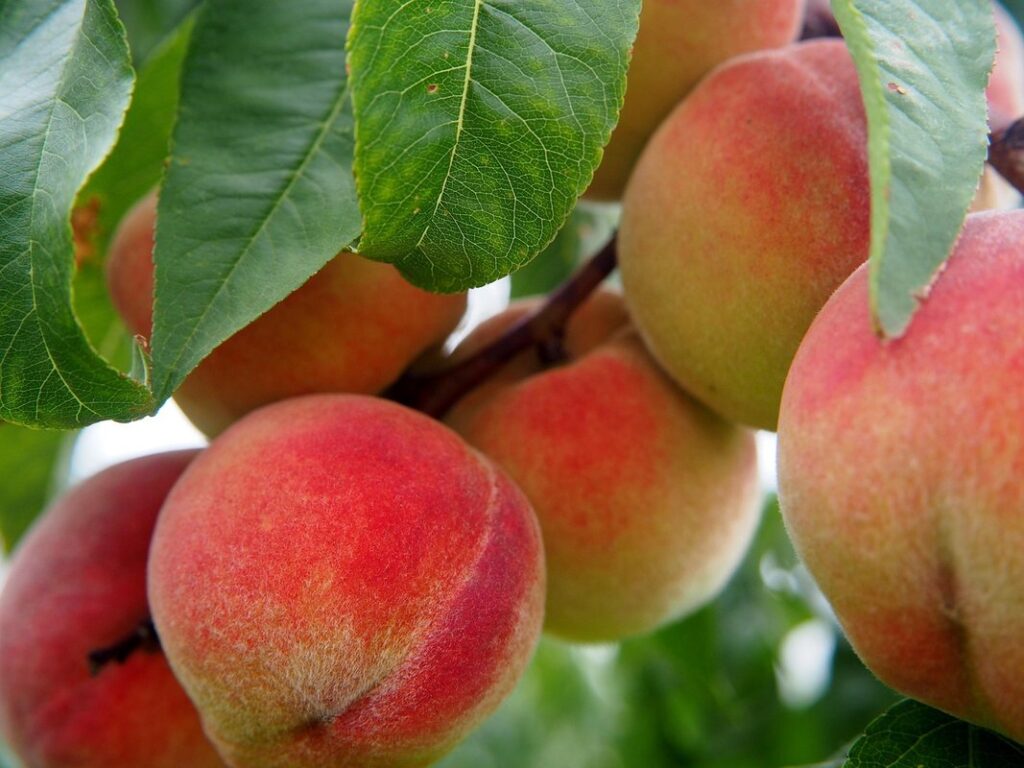
Understanding the Importance of Fruiting in Peach Trees
Peach trees produce fruit for only a short time each year, and understanding why fruiting is crucial to their survival will help you make informed pruning decisions. Let’s explore this vital aspect together.
Why Fruiting is Crucial for Peach Tree Health
When peach trees focus their energy on producing fruit, it’s not just about yielding a bountiful harvest. Fruiting has a profound impact on the tree’s overall health, and neglecting this aspect can have severe consequences. One of the primary concerns is disease susceptibility. When a peach tree is overloaded with fruit, its defenses are compromised, making it more vulnerable to fungal diseases like powdery mildew and brown rot.
This vulnerability is further exacerbated by poor air circulation around the branches, which creates an ideal environment for pathogens to spread. Furthermore, excessive fruiting can lead to weak and spindly growth, making the tree more susceptible to mechanical damage from wind or hail. By thinning the fruit load, you’re not only promoting better air circulation but also encouraging the tree to channel its energy into developing a robust root system and strong branch structure.
By controlling fruit production through thinning, you can significantly reduce disease susceptibility and promote overall vigor management in your peach trees. This is essential for maintaining healthy trees that are better equipped to withstand various environmental stresses.
Factors Influencing Fruiting in Peach Trees
When it comes to growing juicy and healthy peaches, understanding the factors that influence fruiting is crucial. Peach tree fruiting is affected by both external and internal factors.
External factors such as climate play a significant role in peach tree fruiting. Weather conditions like frost, heatwaves, and drought can damage or destroy flowers and young fruits, thereby reducing yields. Soil quality is another essential factor, with peaches requiring well-drained, fertile soil rich in organic matter to produce bountiful harvests.
Internal factors also come into play, including genetic predisposition. Some peach tree varieties are naturally more productive than others, while some may be more resistant to disease or pests. Pruning and training techniques can also impact fruiting patterns by controlling the number of branches, promoting air circulation, and directing energy towards fruit production.
Regular soil testing and fertilization can help maintain optimal nutrient levels, ensuring your peach tree has what it needs to produce an abundance of fruit. By considering these factors and taking proactive steps to create a conducive environment, you’ll be well on your way to growing thriving, productive peach trees.
Benefits of Fruit Thinning for Peach Trees
When you thin your peach tree’s fruit, you’re not just removing a few extra peaches – you’re also giving the remaining ones a chance to grow bigger and sweeter. This is where the benefits of fruit thinning really shine through.
Improved Air Circulation and Disease Prevention
When you thin out excess fruit on your peach tree, you’re not only promoting healthy growth and development, but also creating a more disease-resistant environment. Improved air circulation within the tree canopy is one of the most significant benefits of fruit thinning.
As excess fruit grows, it can create a dense layer of foliage that traps moisture and creates a humid microclimate. This is an ideal breeding ground for fungal diseases like brown rot, which thrives in damp environments. By removing some of this excess fruit, you’re allowing more air to circulate through the canopy, reducing the risk of disease outbreaks.
For example, if you have a heavily fruited peach tree, try thinning out about half of the fruits when they’re around 4-6 inches in diameter. This will help maintain a healthy balance between foliage and fruit growth, ensuring your tree receives adequate air circulation and moisture management. Remember to check on your tree regularly for signs of disease, and take prompt action if you notice any issues. By adopting this simple practice of fruit thinning, you’ll be well on your way to enjoying a bountiful harvest while minimizing the risk of diseases like brown rot.
Enhanced Nutrient Uptake and Tree Vigor
When you thin your peach tree’s fruit load, you allow each remaining piece of fruit to receive more nutrients and resources from the tree. This reduction in competition among fruit is crucial for enhancing nutrient uptake and promoting tree vigor.
Think about it this way: when a peach tree has too many fruits on its branches, the individual pieces of fruit must share limited resources like water, sunlight, and essential nutrients. As a result, each piece of fruit doesn’t receive enough to develop fully. By thinning your peach tree’s fruit load, you’re enabling each remaining piece of fruit to receive more than enough resources to grow and ripen properly.
In practical terms, this means that the reduced competition among fruit allows the tree to allocate its resources more efficiently. The tree can focus on providing the necessary nutrients and energy for a smaller number of high-quality fruits rather than spreading itself too thin across multiple lower-quality fruits. This leads to healthier, more productive trees with better growth patterns and overall productivity.
Methods for Fruit Thinning in Peach Trees
To successfully thin your peach tree, you’ll need to know when and how to remove excess fruit, a delicate process that requires patience and precision. Let’s dive into the different methods for thinning fruit on your peach tree.
Hand-Thinning: A Labor-Intensive but Effective Approach
Hand-thinning is a manual process that requires patience and dedication but can be an effective method to control fruit set. The ideal time for hand-thinning peach trees is when the fruit is around 1-2 inches in diameter, usually late spring or early summer.
To begin, inspect each limb and remove any weak, deformed, or diseased fruit. Focus on thinning fruit from the interior of the tree, as this will help to promote even growth and prevent branch breakage. Remove fruits that are touching or overlapping to allow for proper air circulation and sunlight penetration.
When hand-thinning, use a pair of clean, sharp pruning shears to make precise cuts just above the fruit stem. Cut at a 45-degree angle, about one-quarter inch above the first bud on the stem. This will help to minimize stress to the tree and promote healing.
Remember that hand-thinning is a time-consuming process, and it’s essential to be thorough to achieve the best results. Set aside several hours to carefully thin your peach tree fruit, and consider enlisting the help of family or friends for added efficiency.
Mechanical Pruning Tools and Techniques
When it comes to mechanical pruning tools and techniques for thinning peach tree fruit, efficiency and safety are top priorities. One of the most common methods is using loppers or hand pruners to remove individual stems or clusters. However, when dealing with larger quantities, specialized tools like gas-powered pruning saws or pole saws become more practical.
Some gardeners also swear by the use of mechanical fruit thinners, which can be adjusted to specific sizes and types of fruits. These machines not only save time but also reduce labor intensity. It’s essential to choose a tool that fits your specific needs and tree size.
When working with power tools, always wear protective gear such as gloves, safety glasses, and earplugs. Regular maintenance is also crucial; keep blades sharp and clean, and ensure proper storage when not in use. Before beginning the thinning process, inspect the tree for any signs of disease or pests, and address these issues first to prevent further damage.
Some examples of efficient mechanical pruning tools include:
* Pruning saws with adjustable handles for comfortable grip
* Pole saws with rotating heads for easy fruit removal
* Mechanical thinners with interchangeable blades
Best Practices for Timing Fruit Thinning
When it comes to timing fruit thinning, understanding when to remove excess fruit is crucial. To avoid harming your peach tree, we’ll cover the best practices for getting this delicate process just right.
Pre-Bloom vs. Post-Bloom Thinning
When it comes to fruit thinning peach trees, one of the key decisions you’ll need to make is whether to thin the blossoms before they bloom (pre-bloom) or after they’ve bloomed (post-bloom). Both methods have their benefits and drawbacks when it comes to fruit set, tree stress, and disease susceptibility.
Pre-bloom thinning involves removing some of the flowers or buds from the tree before they bloom. This can help reduce the overall crop load and promote healthier growth by redirecting energy away from unproductive blossoms. However, this method can also lead to reduced yields in subsequent years if the tree is not given time to recover.
On the other hand, post-bloom thinning involves removing some of the fruit after it’s set but before it reaches full size. This can help reduce the risk of disease and pests by giving the remaining fruit more space to grow without competing for resources. It also allows you to assess which fruits are most likely to be fruitful and prioritize those.
Ultimately, the best approach will depend on your specific tree’s needs and growing conditions. If you have a young or stressed tree, pre-bloom thinning may be a better option. But if you’re looking to optimize yields while minimizing disease risk, post-bloom thinning might be the way to go.
Monitoring Tree Response to Thinning
Monitoring peach trees’ response to thinning is crucial to ensure that you’re not over-thinning and causing more harm than good. Keep a close eye on your trees’ behavior after thinning, looking for signs of stress or improved health outcomes.
Some common signs of stress after thinning include:
• Leaves turning yellow or dropping
• Reduced fruit set or smaller fruit size
• Increased susceptibility to pests or diseases
On the other hand, a healthy response to thinning may manifest as:
• Improved air circulation and reduced fungal diseases
• Enhanced photosynthesis and growth rates
• Better fruit quality and increased yields in subsequent seasons
To gauge your tree’s response, inspect it regularly for the next 4-6 weeks after thinning. Look for these signs of stress or improvement, and adjust your pruning strategy as needed. For example, if you notice significant leaf drop or reduced growth, consider reducing the severity of thinning or adjusting the timing to avoid peak heat stress periods.
By closely monitoring your peach tree’s response, you can fine-tune your thinning technique and optimize its health and productivity over time.
Overcoming Common Challenges with Fruit Thinning
Thinning peach tree fruit can be a daunting task, especially when encountering common challenges that hinder progress. Let’s tackle these obstacles together and find solutions to overcome them effectively.
Identifying and Managing Over-Thinned Trees
Identifying over-thinned trees can be a daunting task, but it’s essential to catch these issues early on. When peach trees are thinned too aggressively, they may start to show signs of stress, such as pale or wilted leaves, reduced fruit set, and a weakened overall structure.
To spot over-thinning, inspect your tree regularly for any unusual symptoms. Look out for branches that appear damaged or dying, as these can be indicators that the tree has been stripped too bare. Check the trunk’s circumference – if it appears too small compared to the canopy size, this could be a sign of over-thinning.
If you suspect your peach tree is suffering from over-thinning, there are steps you can take to recover it. Begin by reducing water and fertilizer applications for several weeks to help the tree conserve energy. Prune any severely damaged branches, but avoid cutting too much at once, as this could further stress the tree.
Consider implementing a 2-step pruning process: remove 1/3 of the weak or damaged growth first, then follow up with a second pruning session 4-6 weeks later to assess and adjust as needed.
Maintaining Consistent Fruit Thinning Practices
Developing a routine fruit thinning schedule is crucial to maintain consistency across multiple trees or orchard operations. To start, identify the optimal timing for thinning based on factors like climate, soil type, and peach tree variety. A general rule of thumb is to thin peaches when they’re around 2-3 inches apart.
Once you’ve determined the ideal time frame, create a schedule that allows for consistent thinning across all trees or orchard operations. This can be done weekly, bi-weekly, or at specific growth stages (e.g., before petal drop or after fruit set). Consider using a calendar or spreadsheet to keep track of your thinning schedule.
To ensure consistency, consider implementing a tagging system where you mark trees that have been thinned. This visual cue will help prevent over- or under-thinning in subsequent visits. Regular monitoring and adjustments to the thinning schedule as needed can also contribute to maintaining consistent practices.
Ultimately, developing a routine fruit thinning schedule requires discipline but yields benefits like reduced disease susceptibility, improved air circulation, and enhanced overall peach tree health.
Frequently Asked Questions
What if I notice my peach tree is still producing a large number of fruits despite thinning, will it continue to be more susceptible to disease?
If you’ve already thinned your peach tree but are still seeing an abundance of fruit, it’s essential to identify the underlying cause. Check for factors such as nutrient deficiencies, water stress, or pests that might be contributing to excessive fruiting. Address these issues promptly to prevent further complications.
How do I determine the ideal thinning ratio for my specific peach tree variety?
The optimal thinning ratio varies depending on your tree’s species, age, and growing conditions. Research the recommended ratio for your particular peach tree variety or consult with a local gardening expert who can provide guidance based on their experience. Keep in mind that over-thinning can be detrimental to tree health.
Can I use mechanical pruning tools for both hand-thinning and post-bloom thinning?
While mechanical pruning tools are effective for hand-thinning, they’re not suitable for post-bloom thinning. Post-bloom thinning requires a more delicate approach to avoid damaging the fruit or interfering with pollination processes that occur after blossoming. Hand-thinning is still the preferred method in this stage.
What should I do if my peach tree shows signs of over-thinning, such as weak growth and reduced vigor?
Identifying over-thinned trees early is crucial for corrective action. Inspect your trees regularly during the growing season, looking out for symptoms like weakened branches, sparse foliage, or a general decline in health. If you notice any of these signs, reduce the thinning ratio to ensure the tree is receiving adequate nutrients and energy.
Are there specific tools I should use when hand-thinning my peach tree?
When hand-thinning, it’s essential to choose the right tools for the task. Opt for a sharp, clean pruning saw or loppers, and consider using a fruit thinning tool specifically designed for this purpose. These tools will help you make precise cuts without causing unnecessary damage to the tree or its branches.