
When it comes to getting your favorite fruits at their peak flavor and texture, there’s more going on beneath the surface than meets the eye. Plant hormones play a crucial role in regulating fruit ripening, but have you ever wondered how they work together to bring your juicy apples or plump tomatoes to perfection? From ethylene production that triggers ripening to auxin involvement in cell elongation and expansion, understanding plant hormones can help you better appreciate the intricate processes at play. This article will take a closer look at the key players involved: gibberellins, which promote stem growth, and abscisic acid, which regulates water balance. We’ll delve into how these hormones interact to control fruit ripening, shedding light on the fascinating world of plant biology.
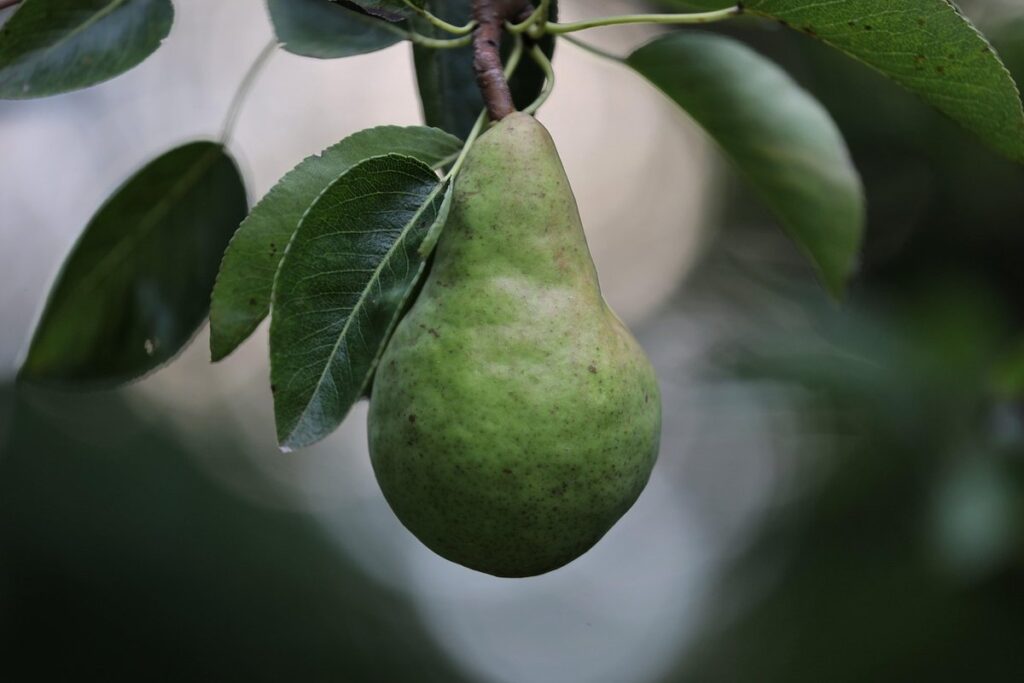
Understanding Fruit Development and Maturation
To grasp how fruit ripening plant hormones work their magic, let’s dive into the fascinating process of fruit development and maturation from blossom to harvest. This complex journey involves a delicate interplay between plant growth regulators.
The Role of Plant Growth Regulators in Fruit Growth
Plant growth regulators (PGRs) play a crucial role in regulating various aspects of fruit development, including cell division, expansion, and differentiation. These chemical signals influence the rate at which fruits grow, affecting their final size, shape, and quality.
For instance, auxins are a class of PGRs that promote cell elongation, contributing to increased fruit length and diameter. Ethylene, another key player in fruit ripening, stimulates cell division and expansion, leading to a more uniform fruit growth pattern. Meanwhile, gibberellins regulate the process of cell differentiation, influencing the formation of seeds, flesh, and skin.
The interplay between these PGRs is essential for optimal fruit development. For example, a lack of auxin can result in stunted or irregularly shaped fruits, while an overabundance of ethylene can lead to premature ripening. By understanding how PGRs interact with each other and the plant’s internal environment, farmers can employ targeted strategies to optimize fruit growth, such as adjusting pruning practices or irrigation schedules.
By manipulating these chemical signals, growers can improve fruit quality, increase yields, and reduce post-harvest losses.
Ethylene Production and Regulation during Fruit Ripening
Ethylene production and regulation play a pivotal role in fruit ripening. This hormone is synthesized from various substrates, including 1-aminocyclopropane-1-carboxylic acid (ACC), through the action of ethylene biosynthetic enzymes. ACC synthase catalyzes the conversion of S-adenosylmethionine (SAM) into ACC, which is then converted to ethylene by ACC oxidase.
Ethylene signaling pathways involve a complex interplay between various receptors and downstream components. These interactions ultimately lead to changes in fruit growth, color development, and softening. Ethylene levels are tightly regulated through negative feedback mechanisms involving the expression of genes involved in its biosynthesis. This self-regulatory loop ensures that ethylene production remains within optimal limits.
As ethylene levels increase during ripening, they exert a pronounced effect on fruit senescence. By promoting cell wall degradation and softening, ethylene facilitates the transition from mature green to ripe fruit. Conversely, suppressing ethylene production through genetic or chemical means can delay ripening, as seen in fruits like tomatoes and strawberries. Understanding the intricacies of ethylene regulation is crucial for optimizing fruit ripening processes and improving post-harvest storage techniques.
The Key Hormones Involved in Fruit Ripening: A Closer Look
Let’s take a closer look at the key hormones responsible for triggering fruit ripening, including ethylene and abscisic acid, and explore their roles in this complex process. These hormones play a crucial part in regulating fruit development and maturation.
Auxins and Their Involvement in Fruit Growth and Maturation
Auxins play a crucial role in regulating cell elongation, division, and differentiation during fruit development. They are involved in promoting cell growth, particularly in the early stages of fruit formation. As the fruit grows, auxins interact with other hormones like gibberellins, cytokinins, and ethylene to regulate the ripening process.
For example, in apple fruits, auxin levels are higher in the growing tips, while gibberellin levels are higher in the stem end. This interaction between auxins and gibberellins helps regulate cell elongation and division, ultimately contributing to the formation of a mature fruit.
During maturation, auxins continue to play a role by promoting cell wall loosening and pectin modification, allowing for the breakdown of cell walls and the softening of tissues. This process is essential for the transition from a firm, green fruit to a ripe, edible one. By understanding how auxins interact with other hormones during fruit growth and maturation, farmers can develop strategies to optimize fruit quality and yield.
Ethylene-Auxin Interactions in Regulating Fruit Ripening
Ethylene and auxin are two key plant hormones that play a crucial role in regulating fruit ripening. When it comes to their interaction, these hormones engage in a complex feedback loop that fine-tunes the ripening process. Research has shown that ethylene promotes auxin degradation, which in turn leads to an increase in cell elongation and expansion – processes that contribute to fruit softening.
This reciprocal regulation is crucial for maintaining the delicate balance between fruit ripening and growth. For instance, apples treated with exogenous auxins have been found to exhibit increased cell wall metabolism and reduced ethylene production. Conversely, applying ethylene to these same apples triggers an increase in auxin levels, leading to enhanced cell elongation.
This intricate feedback loop highlights the importance of understanding how plant hormones interact to regulate fruit ripening. By manipulating this balance, farmers can optimize their harvesting schedules and storage conditions to minimize post-harvest losses and maximize fruit quality.
Gibberellins: Their Role in Fruit Development and Ripening
Let’s take a closer look at gibberellins, one of the most critical plant hormones involved in regulating fruit growth and maturation, especially for non-climacteric fruits. These tiny molecules play a vital role in promoting seed germination and preventing premature fruit senescence.
GA Biosynthesis and Regulation during Fruit Growth
Gibberellins (GAs) play a crucial role in regulating fruit growth and development. Their biosynthesis involves a complex series of reactions that ultimately lead to the production of active GA molecules. During fruit growth, GAs are synthesized primarily in the sepals and then transported to other parts of the fruit through the phloem.
One key function of GAs is cell elongation, which contributes significantly to fruit expansion. For instance, studies have shown that apple fruits treated with GA3 (a synthetic form of gibberellin) exhibit increased cell length and subsequent fruit enlargement. Similarly, in tomato plants, GA-deficient mutants display reduced cell division rates, underscoring the importance of GAs in regulating cell growth.
GAs are also involved in regulating gene expression to control various aspects of fruit development. Research has identified specific GA-responsive genes that play a role in cell elongation and division. Understanding these regulatory mechanisms is crucial for developing strategies to manipulate GA levels and tailor fruit growth patterns according to commercial requirements.
GA-Ethylene Interactions in Regulating Fruit Ripening
Gibberellins (GAs) play a crucial role in fruit development and ripening. However, their interaction with another key regulator of fruit ripening – ethylene – is equally fascinating. Research has shown that GAs and ethylene interact in complex ways to control fruit ripening.
One way they interact is through synergistic effects. For instance, when GA levels are high, the resulting increase in cell expansion can create conditions where ethylene production is triggered more easily. This synergy leads to a coordinated effort between GAs and ethylene in promoting fruit ripening. On the other hand, antagonistic interactions occur as well – for example, high ethylene levels can suppress GA biosynthesis, thus reducing its ability to promote fruit growth.
Understanding these interactions is crucial for optimizing fruit production. For instance, manipulating GA and ethylene levels through controlled conditions or genetic modification could enhance fruit ripening rates and quality. Researchers have already started exploring this avenue, with promising results in crops like tomatoes and strawberries.
Abscisic Acid: A Role in Fruit Development and Maturation?
Abscisic acid is often overlooked, but it plays a crucial role in regulating fruit development and maturation, slowing down the ripening process. Let’s explore its function further.
The Potential Functions of Abscisic Acid (ABA) in Fruits
As we delve into the world of fruit ripening plant hormones, let’s take a closer look at Abscisic Acid (ABA), one of the key players in regulating fruit development. While it may not be as widely discussed as other plant hormones like ethylene or auxins, ABA plays a crucial role in seed maturation and dormancy.
In many fruits, including berries, citrus, and apples, ABA is involved in the regulation of seed growth and development during fruit ripening. Research has shown that ABA promotes seed maturation by inhibiting cell division and promoting cell differentiation. This process allows for the proper formation of seeds within the fruit, ensuring their viability and quality.
Interestingly, ABA also plays a role in dormancy induction in certain fruits, such as pomegranates and persimmons. In these cases, high levels of ABA are associated with the development of dormancy, which can be broken by environmental cues like temperature changes or light exposure. Understanding the relationship between ABA and seed maturation/dormancy can provide valuable insights for plant breeders and farmers looking to improve fruit quality and yield.
Interaction between ABA and Other Hormones during Fruit Ripening
During fruit ripening, ABA interacts with other hormones to regulate the process. One notable interaction is between ABA and ethylene. While ethylene promotes ripening, ABA has an inhibitory effect on its production, thereby slowing down the ripening process. This counterintuitive relationship is crucial for maintaining a balance in fruit development.
ABA also interacts with gibberellins (GAs), which promote cell elongation and growth. When GAs are present, they can override ABA’s inhibitory effects on ethylene production, leading to an accelerated ripening process. In contrast, the presence of cytokinins can delay fruit senescence by countering ABA’s effects.
For example, research has shown that in tomatoes, ABA can inhibit the expression of ethylene biosynthetic genes, thereby slowing down the ripening process. However, when GAs are applied alongside ABA, they can overcome this inhibition and promote faster ripening. This nuanced interaction highlights the complexity of hormone regulation during fruit development.
Understanding these interactions is essential for optimizing fruit production and quality. By manipulating hormone levels and ratios, growers can fine-tune the ripening process to meet market demands. For instance, delaying the onset of ethylene production through ABA application can improve fruit storage life and reduce spoilage.
Regulation of Fruit Ripening: Environmental Factors and Their Influence
Environmental factors play a crucial role in regulating fruit ripening, influencing the timing and quality of the ripening process in various ways. Let’s explore how temperature, light, and water impact this critical stage.
Temperature and Humidity Effects on Fruit Ripening
Temperature and humidity play significant roles in regulating fruit ripening. When it comes to ripening fruits, temperature fluctuations can have a profound impact on hormone levels and metabolism. For instance, ethylene production is significantly influenced by temperature. Research suggests that optimal temperatures for ethylene production vary among different species of fruits. For example, bananas produce more ethylene at warmer temperatures (around 20°C), while apples are sensitive to high temperatures.
Humidity also has a profound effect on fruit ripening. Excessive moisture can lead to fungal growth and spoilage, particularly in soft-skinned fruits like strawberries and grapes. Conversely, inadequate humidity can accelerate water loss through transpiration, leading to desiccation and shriveling. Maintaining optimal humidity levels is crucial for controlled atmosphere storage (CAS) facilities used for ripening perishable fruits. In general, most fruits require a relative humidity of 80-90% for optimal ripening.
The effects of temperature and humidity on fruit metabolism can be observed in the changes that occur during the ripening process.
Light Quality and Duration: Implications for Fruit Development and Ripening
Light quality and duration play a significant role in regulating fruit development and ripening. This is especially true for fruits that rely heavily on photoperiodism, such as apples and grapes. When exposed to different light intensities and durations, plants adjust their hormone regulation accordingly, ultimately affecting the ripening process.
For instance, long-day conditions typically promote flowering and fruit set in many plant species, while short days trigger the production of ethylene, a key hormone involved in ripening. Research has shown that exposure to supplemental lighting can increase yields and improve fruit quality by manipulating these photoperiodic responses. Specifically, LED grow lights with specific spectral ranges have been shown to enhance chlorophyll content and promote healthier fruit development.
Understanding the interplay between light quality and duration can be invaluable for growers seeking to optimize their fruit ripening processes. By fine-tuning lighting conditions, farmers can manipulate hormone regulation to achieve desired outcomes, such as earlier or later ripening, depending on market requirements.
Conclusion: Integrating Our Understanding of Fruit Ripening Hormones
Now that we’ve explored the world of fruit ripening plant hormones, it’s time to integrate our understanding into your daily life. By grasping how these hormones influence the ripening process, you can make more informed decisions when handling produce. For instance, if you’re planning a trip to the market, knowing which fruits are ready to ripen and those that require specific conditions will help you choose the best options for cooking or eating fresh.
This newfound knowledge also empowers you to experiment with different storage methods and environmental conditions to slow down or speed up the ripening process. By doing so, you’ll be able to enjoy a wider variety of fruits at their optimal flavor and texture. As you continue to explore this fascinating world, remember that understanding fruit ripening hormones is an ongoing learning experience – stay curious and keep discovering!
Frequently Asked Questions
What’s the best way to replicate ethylene production for optimal fruit ripening in my home environment?
You can create a makeshift ethylene chamber using a sealed container or bag with fruits, which helps concentrate the ethylene gas and promotes ripening. However, keep an eye on temperature, humidity, and air circulation to ensure conditions are similar to those found naturally during fruit development.
How do I know if my fruits have reached their optimal stage of ripeness?
Monitor your fruits regularly for visual cues like color change, softening, or slight sweet aroma. Use a hand-held CO2 meter to detect elevated ethylene levels, which usually signal peak ripeness. Regularly inspecting the fruits will help you determine when they’re ready for consumption.
What are some common mistakes people make when trying to speed up fruit ripening using plant hormones?
Some pitfalls include applying too much hormone concentration or frequency, neglecting optimal temperature and humidity conditions, or failing to maintain proper air circulation within a sealed environment. Be cautious not to over-manipulate the process, as this can lead to suboptimal results.
Can I use commercial ethylene-producing products to enhance fruit ripening?
While some commercial products exist that mimic natural ethylene production, their efficacy and safety for human consumption should be carefully evaluated. Always research and consider potential chemical residues or additives before using external aids in your food preparation process.
How do different environmental factors like light quality, temperature, and humidity influence the role of plant hormones in fruit ripening?
Environmental conditions can significantly impact hormone synthesis and action within fruits. For instance, high temperatures may enhance ethylene production but also accelerate degradation processes, while optimal light levels can promote chlorophyll breakdown and color change.