
If you’re looking to grow your own fruit but have limited space or live in an area with partial sunlight, don’t worry – there are plenty of delicious options that can thrive in shade. Many people assume that fruit plants need full sun to produce a bountiful harvest, but this just isn’t true. In fact, some of the most popular and productive fruits like strawberries, raspberries, and currants actually prefer partial light conditions.
In this article, we’ll explore the best fruit plants for shade and provide you with expert tips on how to grow them successfully. From choosing the right varieties to providing optimal growing conditions, we’ll cover everything you need to know to enjoy a fruitful harvest – even in areas with limited sunlight. Whether you’re a seasoned gardener or just starting out, keep reading to discover the secrets of growing amazing fruit in shade.
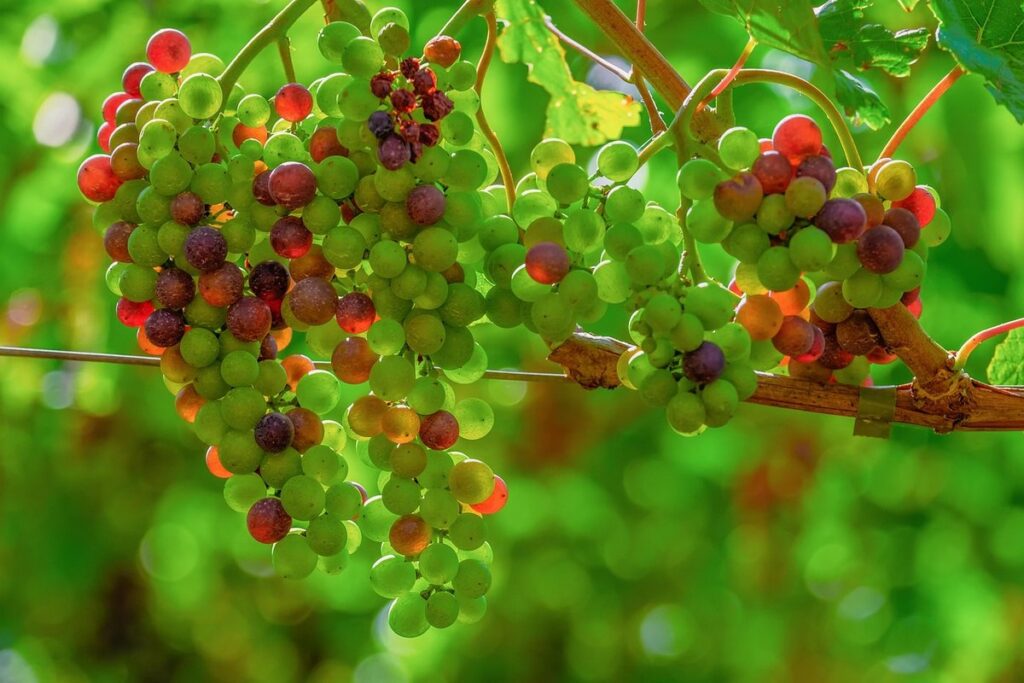
Understanding Shade-Tolerant Fruit Plants
When it comes to growing fruit plants in shade, understanding which varieties can thrive is crucial. Let’s take a closer look at the key factors that determine a plant’s tolerance for low light conditions.
Characteristics of Shade-Tolerant Fruits
When it comes to shade-tolerant fruits, there are certain characteristics that set them apart from their sun-loving counterparts. These plants have evolved to thrive in low-light conditions, and one of the key ways they achieve this is through modified photosynthesis.
In shaded environments, plants often struggle to produce enough energy to sustain themselves due to reduced light intensity. However, shade-tolerant fruits have adapted to overcome this challenge by modifying their photosynthetic processes. For example, some species have increased the surface area of their leaves or developed waxy coatings to maximize light absorption.
Another characteristic of shade-tolerant fruits is their ability to produce sugars even in low-light conditions. This is often achieved through a process called “crassulacean acid metabolism” (CAM), which allows plants to open their stomata at night and store CO2, reducing water loss during the day when light is scarce.
Some examples of fruits that exhibit these characteristics include strawberries, raspberries, and blackberries. When growing these plants in shaded areas, be sure to provide them with well-draining soil and adequate moisture to support healthy growth. By understanding the unique needs of shade-tolerant fruits, you can create a thriving fruit garden even in low-light conditions.
Importance of Providing Adequate Shade for Fruit Plants
Providing adequate shade for fruit plants is crucial to ensure their optimal growth and productivity. When exposed to direct sunlight, especially during peak hours, fruit plants can suffer from scorching, which can lead to reduced yields, poor quality fruits, and even plant death. In fact, a study by the University of California found that strawberries exposed to intense sunlight for extended periods resulted in 30% lower yields compared to those grown under shaded conditions.
Shade not only prevents scorching but also promotes healthy growth by maintaining an optimal temperature range for photosynthesis. Most fruit plants thrive when temperatures are between 15°C and 25°C (59°F – 77°F). Adequate shade ensures that the plant’s energy is directed towards producing fruits rather than trying to adapt to extreme temperatures.
To provide adequate shade, you can use techniques such as pruning nearby trees or installing a canopy or pergola over the fruit bed. You can also consider planting shade-tolerant species like blueberries, currants, and raspberries that naturally thrive in shaded conditions. By providing the right amount of shade, you’ll be rewarded with healthier plants, better yields, and delicious fruits all season long!
Top 10 Fruit Plants that Like Shade
If you’re looking for fruit plants that don’t require direct sunlight, we’ve got you covered. Here are the top 10 varieties that will thrive in shade and bring fresh flavor to your garden.
1. Strawberries – A Low-Maintenance Option
When it comes to growing strawberries in shaded conditions, you’ll be pleased to know that they’re one of the most low-maintenance options on our list. These sweet treats are perfect for adding a pop of color and flavor to your garden, even when direct sunlight is scarce.
Strawberries are surprisingly adaptable and can thrive in partial shade, making them an excellent choice for north-facing gardens or areas with dappled shade. They’re also relatively easy to care for, requiring minimal pruning and watering. In fact, strawberries can produce two to three crops per year, providing you with a steady supply of fresh fruit.
To get the most out of your strawberry plants in shaded conditions, be sure to provide them with well-draining soil and a consistent moisture level. You can also try growing them in containers to make the most of available space. With proper care, strawberries can produce up to 1 quart (about 2 cups) of fruit per plant per year – a bounty that’s hard to beat!
2. Raspberries – A Versatile Choice for Shaded Areas
When it comes to fruit plants that can tolerate shade, raspberries are an excellent choice. Not only do they provide a bountiful harvest of delicious and nutritious berries, but they’re also incredibly versatile when it comes to soil types. Whether you have heavy clay, sandy loam, or anything in between, raspberries will thrive.
One of the key advantages of growing raspberries in shade is their ability to tolerate a wide range of pH levels. They can grow well in acidic soils with a pH as low as 5.5, but they also do well in more alkaline conditions. This makes them an excellent choice for gardeners who have less-than-ideal soil conditions.
To get the most out of your shaded area, choose a variety of raspberry that’s specifically bred for shade tolerance. Some popular options include ‘Autumn Bliss’, ‘Fall Gold’, and ‘Heritage’. Plant them in well-draining soil with a mix of compost and mulch to keep the soil rich and fertile. With proper care, you can enjoy a bountiful harvest of raspberries from your shaded area.
Fruits that Can Grow Well in Partial Shade
While many fruit plants require full sun, some amazing options can still thrive in partial shade. Let’s explore these lesser-known favorites perfect for a shadier spot.
Growing Blueberries in Partial Shade
Growing blueberries in partial shade requires careful consideration of their specific needs. Blueberry plants typically require at least 6 hours of direct sunlight per day, but they can also thrive in partial shade, especially when provided with the right conditions.
To grow blueberries successfully in partial shade, it’s essential to choose a location that receives dappled or filtered light throughout the day. This can be achieved by planting them near the base of a tree or under an open canopy. Ensure the area is well-ventilated and has good air circulation to prevent fungal diseases.
When selecting blueberry varieties for partial shade, look for cultivars like ‘Bluecrop’, ‘Patriot’, or ‘Tophat’, which are known to perform well in conditions with reduced sunlight. Regular watering and fertilization will also help promote healthy growth. Mulch around the plants to retain moisture and regulate soil temperature.
Keep an eye out for signs of nutrient deficiencies, such as yellowing leaves or stunted growth, and address them promptly by adjusting your fertilization schedule. With proper care, blueberry plants can produce a bountiful harvest in partial shade conditions.
Cultivating Blackberries for Optimal Results
When it comes to cultivating blackberries for optimal results, understanding their unique requirements is crucial. Unlike many other fruit plants, blackberries can thrive in partial shade, making them an excellent choice for gardeners with limited sunlight. To achieve maximum yields, it’s essential to provide your blackberry plants with the right conditions.
Blackberries prefer well-draining soil and full sun to partial shade. However, in shaded conditions, they tend to produce more fruit than they do in direct sunlight. This is because the cooler temperatures and reduced moisture loss allow for more energy to be directed towards fruit production. To make the most of this phenomenon, choose a blackberry variety that’s specifically bred for partial shade.
When planting blackberries in shade, ensure that your soil has a pH between 5.5 and 6.5. Mulch around the plants to retain moisture and suppress weeds. Water regularly, but avoid overwatering, which can lead to disease and reduced yields. With proper care and attention, you can enjoy bountiful harvests of delicious blackberries from your shaded garden bed.
Best Practices for Growing Fruit Plants in Shade
When it comes to growing fruit plants in shade, proper care and technique are crucial to ensure healthy growth and a bountiful harvest. Here are some essential best practices to follow.
Providing Sufficient Moisture Levels
When growing fruit plants in shade, maintaining optimal moisture levels is crucial for their survival and productivity. Shade can lead to slower water evaporation, but this doesn’t mean the plants won’t need adequate watering. In fact, some fruit plants are more susceptible to drought stress when grown under shaded conditions.
To provide sufficient moisture levels, a regular irrigation schedule should be implemented. Aim to water your fruit plants deeply once or twice a week, depending on soil type and climate. Keep in mind that overwatering can be just as detrimental as underwatering, so make sure the top 2-3 inches of soil feel dry before resuming watering.
Mulching is another essential aspect of maintaining moisture levels in shaded areas. Organic mulch like wood chips or bark helps retain moisture by reducing soil temperature and preventing water loss through evaporation. Apply a 2-inch layer of mulch around your fruit plants, keeping it a few inches away from the plant’s base to prevent rot.
Monitor your plants’ response to watering and adjust accordingly. For instance, citrus trees prefer slightly dry soil between waterings, while berries benefit from consistent moisture levels. By striking the right balance, you’ll be well on your way to growing healthy and productive fruit plants in shade.
Using Trellises and Supports for Better Growth
Using trellises and supports is an effective way to help fruit plants grow upright and reach their maximum potential in shaded areas. By providing structural support, you can encourage healthy growth habits, improve air circulation, and promote even sunlight distribution among the plant’s leaves.
Trellises are particularly useful for climbing fruit plants like kiwi, passionfruit, and citrus varieties that thrive in partial shade. Install a sturdy trellis near the planting site to provide a framework for the plant to climb on as it grows. Make sure to secure the trellis firmly into the ground or anchor it to a nearby structure to prevent it from toppling over.
Regularly prune your fruit plants to maintain their shape and encourage fruiting. Remove any weak or damaged branches, and trim back long stems to promote bushy growth. This will also help you train the plant to grow towards the trellis, making the most of available sunlight and providing better access for harvesting.
When using supports, keep in mind that over-pruning can be detrimental to fruit production. Prune judiciously, focusing on maintaining a balanced structure while allowing enough light to filter through the foliage. With proper care and attention, your shaded fruit plants will thrive and produce an abundance of delicious fruit.
Shade-Tolerant Fruit Plants for Small Spaces
When it comes to growing fruit plants in small spaces, shade-tolerant options are a game-changer for urban gardeners and space-conscious homeowners. Here’s where you can find some of the best varieties that will thrive in partial shade.
Dwarf Citrus Trees – Perfect for Urban Gardens
Dwarf citrus trees are a perfect addition to urban gardens, offering numerous benefits that make them ideal for small spaces. One of the most significant advantages is their compact size, which allows them to thrive in containers and produce high yields despite being grown in shade. These trees typically grow between 6-10 feet tall, making them an excellent choice for patios, balconies, or other limited areas.
Another benefit of dwarf citrus trees is their ability to tolerate partial shade, reducing the need for direct sunlight that can be scarce in urban environments. With proper care and pruning, these trees can produce a bountiful harvest of delicious fruit, including oranges, lemons, limes, and grapefruits. To maximize yields, ensure your dwarf citrus tree receives at least 4-6 hours of indirect sunlight per day and maintain a consistent watering schedule.
When selecting a dwarf citrus tree for your urban garden, consider factors such as mature size, climate tolerance, and pest resistance. With proper care and attention, these trees can provide you with fresh, homegrown fruit all year round, even in the shade. By following these tips, you’ll be well on your way to enjoying the benefits of dwarf citrus trees in your small space garden.
Compact Apple Varieties for Shaded Areas
If you’re limited to a shaded area but still want to grow delicious apples, there are several compact varieties that thrive in these conditions. Some popular options include ‘Red Delicious’, ‘Gala’, and ‘Granny Smith’. These varieties tend to grow smaller than standard apple trees, typically reaching heights of 6-10 feet.
When selecting a compact apple variety for shaded areas, consider the mature size of the tree as well as its chill hour requirements. For example, ‘Red Delicious’ requires around 600-800 chill hours and can tolerate partial shade but may not produce fruit in full shade.
To care for your compact apple tree in a shaded area, ensure it receives at least 4-6 hours of direct sunlight per day. Regular pruning will also promote healthy growth and encourage fruiting. It’s essential to mulch around the base of the tree to retain moisture and suppress weeds that compete with the tree for resources.
Water your tree regularly but avoid overwatering, which can lead to root rot in shaded areas where moisture tends to accumulate.
Common Challenges When Growing Fruit Plants in Shade
Growing fruit plants in shade can be a bit more tricky, and it’s not uncommon for new gardeners to encounter issues like reduced yields and weak plant growth. Let’s tackle some of these common challenges head-on.
Overcoming Pests and Diseases in Shaded Conditions
Growing fruit plants in shade comes with its own set of challenges, and pests and diseases are among the most significant concerns. When it’s not possible to provide full sun for your plants, you need to be extra vigilant about protecting them from common issues.
One of the primary reasons why shaded conditions create a conducive environment for pests is the increased humidity levels. This makes fruit plants like strawberries, blueberries, and raspberries more susceptible to fungal diseases such as powdery mildew and leaf spot. To prevent this, ensure good air circulation around your plants by pruning them regularly.
Common pests that thrive in shade include aphids, whiteflies, and spider mites. These can be controlled using neem oil or insecticidal soap. Regularly inspecting your plants for any signs of infestation and taking action promptly is essential to preventing the issue from escalating.
Maintaining Soil Health for Optimal Growth
Maintaining healthy soil conditions is crucial for optimal growth of fruit plants growing in shade. When it comes to shaded areas, the soil tends to be acidic and low in organic matter, making it challenging for plants to absorb necessary nutrients. To combat this, regular fertilization and composting are essential.
Start by testing your soil pH to determine its acidity level. Most fruit plants prefer a slightly acidic to neutral soil pH between 6.0 and 7.0. Based on the test results, choose a fertilizer that matches your plant’s needs. For example, blueberries require an acidic fertilizer with a pH of around 5.5, while raspberries prefer a more balanced fertilizer.
Composting is another effective way to enrich your soil. Create a compost pile using kitchen scraps, leaves, and other organic matter. Add it to the soil as needed or mix it into the top few inches for optimal results. Remember, a 2-3 inch layer of compost can significantly improve soil structure and fertility.
Conclusion: Embracing Shade-Tolerant Fruit Plants
As you’ve learned which fruit plants thrive in shade, it’s time to put your newfound knowledge into action and start enjoying a bountiful harvest from your shaded garden.
Recap of Key Takeaways
As we conclude our comprehensive guide to growing fruit plants in shade, let’s recap the key takeaways to help you successfully cultivate a bountiful harvest even in low-light conditions. By now, you’re familiar with the best fruit plants for shade, including strawberries, blueberries, and currants, which can tolerate partial or full shade.
Remember that most fruit plants require at least 4-6 hours of direct sunlight per day to produce well. However, there are exceptions like figs, grapes, and kiwis, which can thrive in shadier conditions. Be sure to choose the right variety for your specific climate and growing conditions.
When selecting a shade-tolerant fruit plant, consider factors such as soil quality, moisture levels, and air circulation. For example, strawberries require well-draining soil and consistent moisture, while blueberries prefer acidic soil with good drainage.
To ensure optimal growth, provide your plants with the right amount of care. Mulch around the base to retain moisture and suppress weeds. Fertilize regularly, using a balanced fertilizer for fruiting plants. Prune regularly to promote healthy growth and encourage fruit production.
In addition to these general tips, keep in mind specific requirements for each plant species. For instance, fig trees require minimal pruning, while kiwi vines need regular training on a trellis or arbor.
By incorporating the insights from this guide into your gardening routine, you’ll be able to enjoy a bountiful harvest of delicious fruit even in areas with limited sunlight.
Frequently Asked Questions
Can I grow shade-tolerant fruit plants in containers?
Yes, many shade-tolerant fruit plants can thrive in containers, making them perfect for small spaces or urban gardens. Just ensure the container is at least 6-8 hours away from direct sunlight and has good drainage to prevent waterlogged soil.
How do I know if my shaded area receives enough moisture for fruit plant growth?
Fruit plants need consistent moisture, especially when growing in shade. Check your soil regularly by inserting a finger into the soil up to the knuckle; if it feels dry, it’s time to water. You can also mulch around plants to retain moisture and suppress weeds.
Can I grow multiple types of fruit plants together in the same shaded area?
Yes, many fruit plants are compatible with each other and can be grown together in a single shaded area. However, ensure that the specific needs of each plant (e.g., sunlight, watering, pruning) are met to prevent competition for resources.
How do I prune my shade-tolerant fruit plants to maintain their productivity?
Pruning is essential to promote healthy growth and encourage fruiting on your shade-tolerant fruit plants. Remove any dead or diseased branches, and trim back new growth to about one-third of its length. This will help control the plant’s shape and direct energy towards producing more fruit.
Can I use a trellis to provide additional support for my climbing fruit plants in shade?
Yes, using a trellis can be an excellent way to provide support for your climbing fruit plants in shade. Place the trellis near the plant and gently tie the stems to it as they grow. This will help keep the plant upright and encourage vertical growth, which can lead to more productive harvests.