
Fruit flies can be a nuisance in compost piles, not only because they’re annoying but also because they can spread disease and attract other pests. If you’ve ever struggled with fruit fly infestations in your compost, you know how frustrating it can be to deal with their buzzing and laying eggs in the mix. To maintain a healthy compost environment and encourage beneficial microorganisms, effective control methods are essential.
In this article, we’ll explore various strategies for controlling fruit flies in compost, including biological, physical, and chemical approaches. From introducing beneficial insects that prey on fruit fly larvae to using physical barriers and repellents, you’ll discover how to create a pest-free environment without harming your compost. We’ll cover the most effective methods for keeping fruit flies at bay and maintaining a thriving ecosystem in your compost pile.
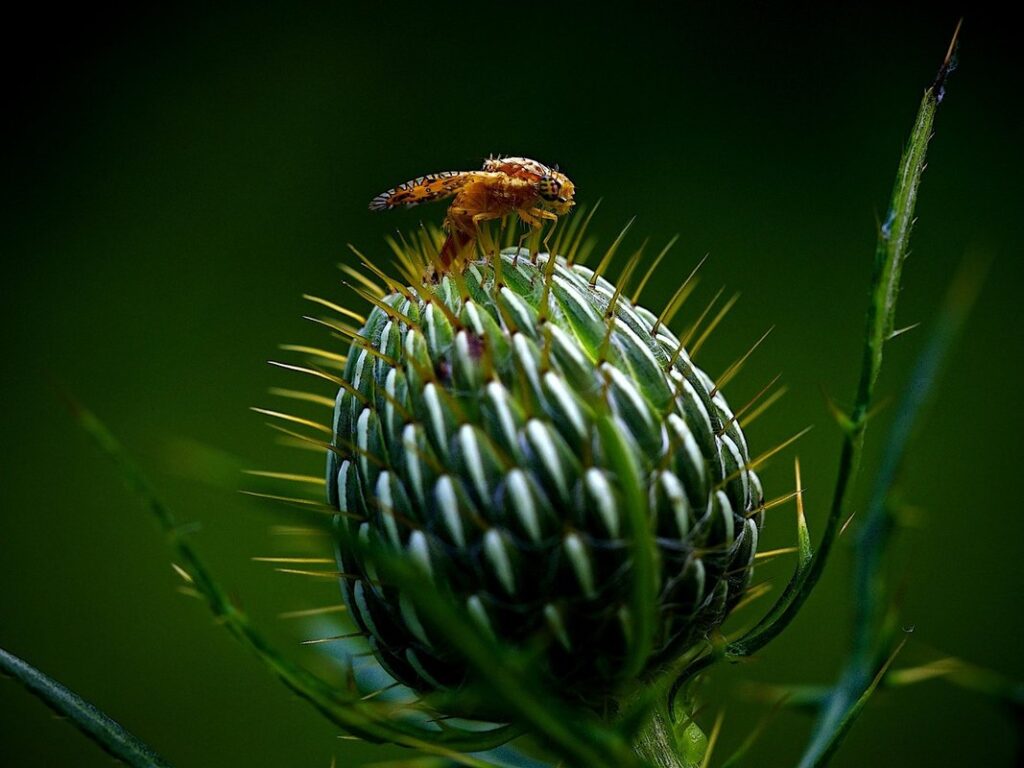
Understanding Fruit Flies in Compost
Fruit flies can be a real nuisance in compost piles, so let’s dive into what causes them to thrive and how their life cycle contributes to the problem.
The Life Cycle of Fruit Flies
To effectively manage fruit fly populations in compost, it’s essential to understand their life cycle. Fruit flies undergo complete metamorphosis, meaning they go through four distinct stages: egg, larva, pupa, and adult. Female fruit flies can lay up to 500 eggs at a time, which typically hatch within 24-30 hours. The larvae feed on organic matter for about 3-7 days before entering the pupal stage.
During this stage, the larvae transform into pupae and undergo significant physical changes. This process usually takes around 2-4 days, after which they emerge as adult fruit flies. Adult fruit flies live for approximately 10-30 days, during which time they mate and start the cycle again.
To break the life cycle of fruit flies in compost, it’s crucial to target the larval stage, where they’re most vulnerable. Regular monitoring and maintenance of your compost pile can help prevent infestations from taking hold. Be sure to turn your pile frequently, aerate it well, and maintain optimal moisture levels – all of which will make it difficult for fruit fly eggs to survive and thrive.
Common Attractants for Fruit Flies
When it comes to understanding fruit flies in compost, knowing what attracts them is crucial for effective control. Fermented food waste is a major attractant for fruit flies, as the sweet and sticky liquids produced during fermentation are like a feast for these pesky insects. High levels of moisture in the compost pile also play a significant role in attracting fruit flies. When the pile is too wet, it creates an ideal breeding ground for fruit flies.
In fact, research has shown that fruit fly populations can increase exponentially when moisture levels exceed 60% in compost piles. To avoid this scenario, make sure to maintain a balance between adding water and turning the compost regularly. For example, if you’re composting food waste from fruits or vegetables, try to balance it with other dry materials like leaves or straw.
By being mindful of these attractants, you can take proactive steps to prevent fruit fly infestations in your compost pile.
Identifying and Assessing a Fruit Fly Infestation
To determine whether you have a fruit fly infestation, it’s essential to identify signs of their presence and assess the severity of the problem. This involves checking for eggs, larvae, and adult flies in your compost.
Signs of Fruit Fly Infestations in Compost
When it comes to fruit fly infestations in compost, there are several signs that indicate you’ve got an issue on your hands. One of the most noticeable indicators is a sudden and intense sweet, fermented odor emanating from the pile. This smell can be overwhelming and often signals that the compost has become too wet or has reached the perfect environment for fruit flies to thrive.
Other visual signs include the presence of live fruit flies buzzing around the compost or crawling on nearby surfaces. You may also notice an abundance of fruit fly eggs, larvae, or even adult flies trapped in the compost, which can be a clear indication that your compost is infested.
To further confirm if you have a fruit fly problem, inspect the compost pile for any signs of mold or mildew growth. Fruit flies are often attracted to these types of microorganisms and will lay their eggs in areas with high moisture content.
Keep an eye out for other indicators such as yellowing or browning leaves on nearby plants due to the infestation’s effect on soil quality.
Factors Contributing to Fruit Fly Populations in Compost
When it comes to fruit fly populations in compost, several factors come into play that contribute to their growth and proliferation. Temperature is one such factor – fruit flies thrive in temperatures between 15°C and 30°C (59°F to 86°F), with optimal breeding at around 25°C (77°F). If your compost pile isn’t being regularly turned or aerated, it can create a warm, humid environment that’s perfect for fruit fly eggs to hatch.
Moisture content is another crucial factor. Fruit flies need access to a reliable source of water to survive and breed. High moisture levels in the compost, often caused by overwatering or excessive vegetable scraps, provide an ideal breeding ground for these pests. pH levels also play a role – while fruit flies can tolerate a wide range of pH levels, they tend to prefer slightly acidic to neutral environments.
To mitigate the growth of fruit fly populations, it’s essential to maintain optimal composting conditions, including turning and aerating the pile regularly to regulate temperature and moisture levels. Regular monitoring of your compost’s pH levels can also help you identify potential issues. By understanding and controlling these contributing factors, you’ll be better equipped to prevent fruit flies from taking over your compost.
Biological Methods for Controlling Fruit Flies
Now that we’ve covered physical and chemical controls, let’s dive into some biological methods to naturally manage fruit fly populations in your compost.
Introducing Natural Predators and Parasites
Beneficial insects like wasps and certain species of flies can play a crucial role in controlling fruit fly populations. These natural predators feed on adult fruit flies, while others prey on their larvae, breaking the breeding cycle. One such example is the “Trichopoda pennipes” wasp, which specifically targets fruit fly eggs and larvae.
When introducing these beneficial insects to your compost, it’s essential to create an environment conducive to their survival. This can be achieved by providing a suitable habitat, such as a sheltered area with adequate food sources. For instance, planting flowers that attract pollinators near the compost pile can help draw in natural predators.
It’s also worth noting that some species of parasitic wasps and flies are specific to fruit fly larvae. By identifying these beneficial insects and introducing them to your compost, you can create a balanced ecosystem that works in your favor to control fruit fly populations. This approach not only reduces the need for chemical controls but also maintains a healthy balance within your compost.
Encouraging Beneficial Microorganisms in Compost
Composting microorganisms play a vital role in breaking down organic matter, but they can also help control fruit fly populations when encouraged to thrive. By creating an environment that fosters beneficial microbial activity, you can outcompete fruit flies for resources and make the compost pile less favorable to their survival.
To encourage beneficial microorganisms, it’s essential to maintain a balanced carbon-to-nitrogen ratio in your compost. Aim for a mix of 2/3 “brown” materials (dried leaves, straw, or shredded newspaper) and 1/3 “green” materials (fruit and vegetable scraps, grass clippings, or manure). This balance supports the growth of beneficial microbes that feed on fruit fly eggs and larvae.
Regular turning of the compost pile also helps aerate it, allowing microorganisms to thrive. Aim for at least two turns per week, especially during warm weather when microbe activity is highest. Additionally, maintaining adequate moisture levels (like a damp sponge) will help keep microorganisms active and effective in breaking down organic matter.
This approach has been successfully implemented by many commercial composting facilities, which have seen significant reductions in fruit fly populations by promoting beneficial microbial growth.
Physical Methods for Controlling Fruit Flies
When dealing with fruit fly infestations in compost, physical methods can be a simple and effective way to control their populations. Let’s take a look at some of these practical approaches.
Covering Compost Piles to Prevent Fruit Fly Attraction
Covering compost piles is an effective method to prevent fruit flies from being attracted and laying eggs in the pile. When you leave a compost pile uncovered, it becomes an attractive breeding ground for fruit flies. They are drawn to the moist environment and the presence of decaying organic matter.
To cover your compost pile effectively, start by using a durable screen or mesh material that allows air to circulate while keeping pests out. You can also use a tarp or plastic sheet, but ensure it’s not too tight, as this can prevent airflow and create anaerobic conditions. Keep the covering material at least 6-8 inches away from the pile to allow for proper ventilation.
Additionally, consider adding a layer of straw or another dry material on top of the compost pile before covering it. This will help absorb excess moisture and make it difficult for fruit flies to lay eggs in the pile. Regularly inspect your covered compost pile to ensure that it’s not developing anaerobic conditions, which can attract more pests. By following these steps, you can significantly reduce the risk of attracting fruit flies to your compost pile.
Turning Compost Regularly to Improve Aeration
Regularly turning your compost pile is one of the most effective ways to improve aeration, which is essential for controlling fruit fly infestations. When you turn your compost, you’re not just changing the order of the materials; you’re also increasing oxygen levels and reducing moisture retention.
As a general rule, aim to turn your compost every 7-10 days during warm weather. This will help prevent anaerobic conditions from developing, which are perfect breeding grounds for fruit flies. You can also check on the pile by inserting a stick or chopstick into it – if you encounter significant resistance, it’s time to turn.
By maintaining good aeration through regular turning, you’ll notice a decrease in moisture levels as well. Fruit flies thrive in environments with high humidity and food waste. So, by controlling these factors, you’re reducing the likelihood of an infestation occurring in the first place. With consistent maintenance, your compost pile will remain healthy, odor-free, and fruit fly-free.
Chemical Methods for Controlling Fruit Flies (Last Resort)
If you’re not making progress with non-chemical methods, it’s time to consider more drastic measures. We’ll examine chemical options as a last resort for fruit fly control in compost.
Use of Insecticides and Bait Traps in Compost Piles
When it comes to chemical controls, it’s essential to use them as a last resort due to their potential impact on beneficial microorganisms and human health. However, there are specific situations where insecticides or bait traps might be necessary.
Insecticides can be used to target fruit flies in compost piles, but it’s crucial to choose products specifically labeled for use in composting environments. These products typically contain pyrethrin or permethrin, which are relatively safe for beneficial insects. When applying insecticides, make sure to follow the manufacturer’s instructions and take necessary precautions to avoid contamination.
Bait traps can also be an effective way to control fruit flies, especially when combined with other methods. They typically use a lure that attracts adult fruit flies, which then get trapped inside. Some popular options include sticky traps coated with a sweet-tasting substance or jar-based traps containing a mixture of yeast and sugar. Remember to monitor your compost pile regularly and replace bait traps as needed to maintain their effectiveness.
Precautions When Using Chemical Controls in Compost
When using chemical controls as a last resort to control fruit flies in compost, it’s essential to exercise caution and follow specific guidelines. Chemicals can be effective in eliminating large infestations but must be handled with care to avoid harming the environment or contaminating food crops.
Before applying chemical controls, ensure you have identified the source of the infestation and taken steps to prevent re-infestation. This might involve removing any fruit fly eggs or larvae, repairing torn bins, or covering your compost pile. Always follow the instructions on the label carefully, taking note of application rates, safety precautions, and recommended treatment duration.
Some chemicals commonly used for fruit fly control in compost include pyrethrin sprays, permethrin dusts, and bifenthrin granules. However, it’s crucial to choose a product specifically labeled for use on organic materials and follow the manufacturer’s guidelines to minimize environmental impact. When applying chemical controls, wear protective gear, including gloves, masks, and eye protection, and ensure good ventilation in the area.
Maintaining a Fruit Fly-Free Compost Environment
Now that we’ve discussed how to identify and manage fruit fly infestations, let’s explore practical ways to maintain a compost environment free from these pesky pests. This includes essential habits for regular maintenance.
Regular Monitoring for Signs of Infestation
Regular monitoring for signs of infestation is crucial to maintaining a fruit fly-free compost environment. It’s essential to create an environment that discourages fruit fly presence by ensuring good airflow, reducing moisture levels, and eliminating food sources. Check your compost piles regularly for signs of fruit flies, such as the presence of adults or larvae. Look for eggs, which are small white dots usually found on the surface of the pile.
To monitor effectively, divide your compost into smaller sections to make it easier to inspect each area. Check for any unusual odors, as fruit flies often attract other pests like rodents and ants. If you notice signs of infestation, take immediate action by turning the pile to aerate it, adding more brown materials to balance out the green materials, or using a barrier to prevent adult flies from reaching the compost.
Remember, prevention is key in maintaining a fruit fly-free environment. Regular monitoring will help you identify issues early on and take corrective measures before they become severe problems.
Ongoing Best Practices to Prevent Future Infestations
Maintaining a fruit fly-free compost environment requires ongoing practices that prevent future infestations. Regular monitoring of your compost piles is crucial to detect any signs of fruit flies early on. Check for eggs, larvae, and adult fruit flies by inspecting the surface and contents of your compost regularly. If you notice an increase in fruit fly activity, take immediate action to rectify the situation.
To prevent future infestations, make sure to maintain good ventilation within your compost piles. This can be achieved by adding more “green” materials such as food scraps or grass clippings, which will help speed up decomposition and reduce moisture levels. Additionally, ensure that your compost bins are regularly cleaned and disinfected with a solution of water and white vinegar.
By following these ongoing best practices, you’ll significantly reduce the likelihood of future fruit fly infestations in your compost environment. Remember to also maintain good waste management habits, such as regularly removing mature compost and replacing it with fresh materials, to keep your compost piles healthy and balanced. This will not only prevent fruit flies but also ensure a thriving ecosystem within your compost.
Frequently Asked Questions
What if I’ve already started composting with fruit fly infestations? Can I still use the methods described in this article?
You can definitely implement these methods even after an infestation has begun. Start by removing any rotting or overripe materials that might be attracting the fruit flies, and consider introducing natural predators or parasites to control the population. Regularly turning your compost pile will also help to reduce aeration problems and encourage beneficial microorganisms.
How often should I monitor my compost pile for signs of fruit fly infestation?
Regular monitoring is key to preventing fruit fly populations from getting out of hand. Check your compost pile at least once a week, looking for signs like fruit flies swarming around the pile or eggs visible on the surface. Be proactive and take action as soon as you notice any issues.
Can I use insecticides in my compost pile if I’ve tried other methods and still have a problem?
While chemical controls can be effective against fruit fly infestations, they should always be used as a last resort due to potential risks to human health and the environment. Only consider using insecticides or bait traps if you’ve exhausted all other options and taken steps to improve composting conditions.
How long does it typically take for beneficial microorganisms to colonize a compost pile after introducing natural predators or parasites?
Beneficial microorganisms can start to populate your compost pile within 1-2 weeks of introducing natural predators or parasites. This process is accelerated when you maintain proper aeration, adequate moisture levels, and a balanced carbon-to-nitrogen ratio in the compost.
Can I use physical barriers to control fruit flies around my entire property, not just the compost pile?
Yes, using physical barriers like fine mesh screens or netting can be an effective way to prevent fruit flies from accessing areas where they might lay eggs. Place these barriers around doors and windows, as well as any other entry points that fruit flies may use to reach your property.