
When you pick up a fresh apple or banana, you probably notice that their color and ripeness can vary significantly. But have you ever wondered what causes this variation? The answer lies in the complex interplay between ethylene gas, temperature, light exposure, and other factors that affect fruit quality. Understanding these dynamics is crucial for growers, suppliers, and consumers alike. Not only does it impact the appearance and taste of your favorite fruits, but also their nutritional value and shelf life. In this article, we’ll delve into the science behind fruit color and ripening, exploring how these variables interact to produce a ripe, ready-to-eat fruit that’s bursting with flavor and nutrients. We’ll examine the role of ethylene gas in the ripening process, as well as the effects of temperature and light exposure on fruit quality.
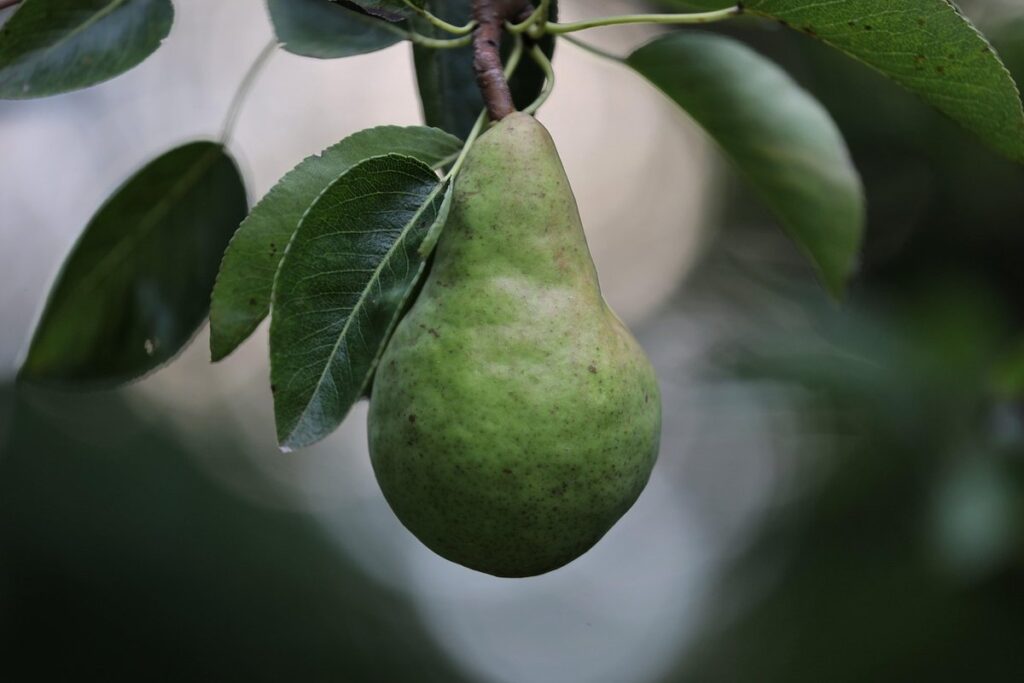
Understanding Fruit Color: A Key to Maturity
Now that we’ve discussed how color is created, let’s dive into what it can tell us about a fruit’s ripeness and maturity. A closer look at the color of your favorite fruits will become incredibly revealing!
How Fruit Color Changes During Maturation
When fruit is green, it’s because chlorophyll, the pigment responsible for photosynthesis, dominates its color profile. As fruits mature and ripen, they produce more ethylene gas, which triggers a series of biochemical reactions that lead to the breakdown of chlorophyll. This process allows other pigments like carotenoids (responsible for orange and yellow colors) and anthocyanins (responsible for red, purple, and blue hues) to emerge.
The change in fruit color is not just about hiding one pigment behind another; it’s also about creating a balance of different compounds. For instance, the ripening of bananas is accompanied by an increase in starch-degrading enzymes that break down complex carbohydrates into simpler sugars, contributing to their characteristic yellow color. Similarly, apples turn from green to red as anthocyanins accumulate and mask chlorophyll’s presence.
Understanding these changes can help you select ripe fruit for consumption and inform decisions around harvesting timing for farmers. By recognizing the gradual shift in pigment composition, you’ll be better equipped to anticipate the full range of colors that ripening fruits will exhibit, from vibrant reds and purples to sun-kissed yellows and oranges.
Factors Influencing Fruit Color
Fruit color is influenced by an array of factors, each playing a crucial role in determining its final appearance. Weather conditions are among the most significant contributors to fruit color variations. For instance, prolonged exposure to excessive sunlight can lead to the formation of anthocyanins, pigments responsible for red and purple hues. On the other hand, cloudy weather often results in fruits ripening with less intense colors.
Soil quality also has a profound impact on fruit color. Nutrient-rich soils with adequate water supply enable optimal nutrient uptake by plants, influencing pigmentation. For example, tomatoes grown in well-draining, nutrient-fertile soil tend to exhibit vibrant red hues. Conversely, nutrient-deficient or water-starved soils can result in fruits displaying muted colors.
Genetic predisposition is another key factor determining fruit color. Apple varieties, for instance, inherit distinct color profiles from their parent trees. Growers can predict the likely color of the harvest based on the tree’s genetic makeup. Understanding these factors enables farmers and gardeners to cultivate fruits that meet consumer preferences by optimizing growing conditions and selecting suitable cultivars.
The Role of Ethylene in Fruit Ripening
Ethylene is often called the “ripening hormone” because it plays a crucial role in regulating fruit ripening, affecting color, texture, and flavor. Let’s explore its impact on this process.
How Ethylene Gas Triggers Ripening
As fruits grow on the tree, they produce ethylene gas as part of their natural ripening process. However, did you know that this same gas is also produced by the fruit itself? This seemingly innocuous gas plays a crucial role in triggering the ripening processes within the fruit.
Ethylene gas acts as a signaling molecule that triggers a series of biochemical reactions within the fruit, ultimately leading to ripening. But how does it do this? Well, ethylene receptors on the surface of plant cells recognize the presence of ethylene and send a signal through various signaling pathways. These pathways are like a chain reaction, with each step triggering the next, culminating in the breakdown of cell walls and the production of enzymes that soften the fruit.
In simple terms, as ethylene levels increase within the fruit, it’s like sending an SOS message to the rest of the plant cells saying “Hey, we’re ripe now!” The response is a chain reaction that ultimately leads to the ripening process. This natural process can be accelerated or slowed down depending on factors such as temperature, humidity, and handling practices.
For example, did you know that apples exposed to ethylene gas will ripen faster than those not exposed? Or that bananas produce more ethylene gas as they ripen? This means that even in the absence of external ethylene sources, fruits can still trigger their own ripening process.
The Effect of Ethylene on Fruit Color Change
Ethylene plays a significant role in regulating fruit color change, particularly during the ripening process. As ethylene production increases, it triggers a cascade of biochemical reactions that lead to softening and browning of the skin. This is because ethylene induces the breakdown of cell walls, causing the fruit’s structural integrity to weaken.
One key aspect of ethylene’s influence on fruit color change is the production of volatile compounds such as aldehydes and esters. These molecules are responsible for the characteristic aroma associated with ripe fruits like apples and bananas. For instance, when ethylene levels rise in an apple, it triggers the production of methyl anthranilate, which contributes to its distinctive sweet and floral scent.
Conversely, excessive ethylene production can also lead to unwanted browning or discoloration. This is why some fruit packaging solutions, like those used for bananas, incorporate ethylene scavengers to maintain optimal ripening conditions and minimize spoilage. By understanding the role of ethylene in regulating fruit color change, growers and suppliers can better manage the ripening process and extend shelf life.
Understanding the Color Change in Specific Fruits
Let’s take a closer look at specific fruits, such as bananas and tomatoes, to see how their color changes as they ripen naturally. These examples will help illustrate the underlying science of fruit color transformation.
Citrus Fruits: From Green to Orange
When it comes to citrus fruits like oranges and lemons, one of the most noticeable changes during ripening is the shift from green to vibrant orange hues. But what’s behind this color transformation? The primary reason for this change lies in the breakdown of chlorophyll – the pigment responsible for photosynthesis and giving plants their green color.
As citrus fruits mature, the cells within them begin to break down chlorophyll, allowing other pigments like carotenoids and anthocyanins to take over. In oranges, these pigments combine with sugars and acids to produce the characteristic orange-red color we see in ripe fruit. Meanwhile, lemons undergo a similar process, but their high acidity content allows them to retain more of their green color.
To determine if your citrus fruits are ready for consumption, look out for other signs like softening skin, increased sweetness, and fragrant aromas. For oranges, a slight yellowing around the stem is often an indication that they’re approaching full ripeness.
Berries: The Transition from Green to Red or Purple
Berries are one of the most iconic fruits that undergo a dramatic color change from green to red or purple. This transformation is not just a visual delight but also a sign that the fruit has reached optimal ripeness and sweetness. So, what triggers this color shift? In berries like strawberries and blueberries, it’s primarily due to the breakdown of chlorophyll and the accumulation of anthocyanins and other pigments.
As berries mature, their cells begin to break down, releasing enzymes that start to degrade chlorophyll, the green pigment responsible for photosynthesis. This process allows other pigments like anthocyanin, a powerful antioxidant, to shine through, giving the berry its characteristic red or purple color. The ripening process also triggers the production of sugars and acids, making the fruit sweeter and more flavorful.
To encourage optimal color change in berries, ensure they receive plenty of sunlight and maintain consistent moisture levels. Avoid over-handling, as this can cause damage to delicate skin cells and lead to uneven ripening.
Factors Affecting Fruit Ripening Time
Let’s dive into the fascinating world of fruit ripening and explore the various factors that can affect how quickly a piece of fruit turns from green to ready-to-eat. Weather conditions, for instance, play a significant role in this process.
Temperature and Light Exposure
When it comes to fruit ripening time, temperature and light exposure play crucial roles. Enzymatic activity is a key factor in this process. As temperatures rise, enzymes such as polyphenol oxidase (PPO) and pectin methyl esterase (PME) become more active, breaking down cell walls and promoting color changes.
Exposure to sunlight or artificial lighting can also significantly impact fruit ripening time. Chlorophyll, the green pigment responsible for photosynthesis, is broken down by light, revealing underlying pigments like anthocyanins and carotenoids. This process is accelerated in warmer temperatures, typically above 15°C (59°F).
For example, apples exposed to direct sunlight at optimal temperatures (around 20-25°C/68-77°F) can ripen faster than those kept in cooler conditions or in the shade. However, prolonged exposure to high light intensities can lead to over-ripening and spoilage.
To achieve optimal fruit ripening, farmers often use controlled atmosphere storage facilities that maintain precise temperature and humidity levels while limiting light exposure. This approach helps regulate enzymatic activity and prevent spoilage, ensuring fruits reach their peak ripeness without compromising quality.
Water Stress and Soil Quality
Water stress plays a significant role in regulating fruit ripening time. When plants experience drought conditions, they produce more ethylene gas as part of their natural stress response. This hormone triggers a cascade of events that can accelerate fruit ripening. For example, tomatoes grown under water-stressed conditions may mature faster than those with ample moisture.
Soil quality also affects fruit ripening time by influencing nutrient availability and root growth. Poor soil structure or low fertility can limit the ability of plants to absorb essential nutrients, leading to slower ripening times. Conversely, well-draining soils rich in organic matter promote healthy root development, allowing fruits to ripen at a more consistent pace.
The impact of water stress on fruit ripening can be observed in regions where droughts are common. Fruit growers often use techniques such as drip irrigation to manage water usage and maintain optimal soil moisture levels. By monitoring soil conditions and adjusting watering schedules accordingly, farmers can promote healthy plant growth and regulate fruit ripening times.
The Impact of Ethylene on Fruit Quality
As you explore the science behind fruit ripening, let’s take a closer look at how ethylene affects the quality and freshness of your favorite fruits. This natural gas plays a significant role in their development.
Effect on Texture and Flavor
As fruits ripen, ethylene gas not only affects their color development but also plays a significant role in modifying their texture and flavor. The softening of fruit is largely attributed to the breakdown of cell walls due to ethylene-induced enzymes. For instance, when an apple is exposed to high levels of ethylene, its cell walls begin to degrade, making it tender and easier to bite into.
Similarly, the sweetness and flavor compounds in fruits are also influenced by ethylene production. As fruits ripen, they convert starches into sugars, releasing more volatile compounds that contribute to their aroma and flavor profile. Bananas, for example, undergo a notable shift from starchy to sweet as they mature and produce more ethylene gas.
Interestingly, the rate at which texture and flavor change can be influenced by factors such as storage conditions and handling practices. To maintain optimal quality, it’s essential to store fruits in well-ventilated areas, avoiding over-storage that can lead to accelerated ripening. By controlling the ripening process, you can preserve the desirable texture and flavor characteristics of your favorite fruits.
Relationship Between Ethylene Production and Fruit Over-Ripening
Ethylene production plays a crucial role in fruit ripening, but excessive ethylene can lead to over-ripening and spoilage. When fruits produce more ethylene than necessary, it accelerates the ripening process, causing them to become overripe too quickly. This results in a loss of quality, texture, and flavor, ultimately affecting their shelf life.
For instance, bananas are notorious for producing high amounts of ethylene as they ripen. If not handled properly, this excessive production can cause bananas to turn brown or black within hours, making them unsuitable for consumption. To prevent this from happening, fruit suppliers often use techniques like ethylene-absorbing materials or controlled atmosphere storage to regulate ethylene levels.
Fruit consumers can also take steps to slow down the ripening process at home. By storing fruits away from heat sources and avoiding bruising or physical damage, you can help minimize excessive ethylene production. Additionally, keeping fruits in a cool, well-ventilated area will slow down the ripening process, giving you more time to enjoy them.
Ripening and Storage: Preserving Fruit Quality
Now that we’ve explored how fruit color changes, let’s dive into the important details of ripening and storage to keep your produce fresh for longer. Proper handling techniques can make a big difference in maintaining quality.
Best Practices for Harvesting and Storage
When it’s time to harvest and store fruits, following best practices is crucial to maintaining quality during ripening. For optimal results, harvest fruits at the peak of ripeness, as over-ripening can lead to spoilage. This involves checking for sweetness, acidity, and texture, which are often indicators of ripeness.
For example, bananas should have a slight yellow tint around the stem when they’re ready to be picked, while avocados should be slightly soft to the touch. If you’re storing fruits that continue to ripen after harvest, such as apples or pears, separate them from other produce to avoid ethylene gas accumulation, which can speed up ripening.
When storing fruits, keep them away from direct sunlight and heat sources, which can cause spoilage. Store fruits in breathable containers or bags to maintain humidity levels. For example, store berries in a covered container to prevent moisture buildup. It’s also essential to monitor storage temperature, as most fruits require a cool, consistent environment (around 32°F to 50°F) to slow down ripening.
For long-term storage, consider using specialized containers that provide optimal conditions for specific fruits.
Common Mistakes in Fruit Handling and Storage
When it comes to maintaining the quality and edibility of fruits, proper handling and storage are crucial. However, many people make common mistakes that can lead to spoilage and loss of flavor.
One of the most significant errors is not storing fruits at the right temperature. Most fruits require a cooler environment to slow down the ripening process. For instance, bananas should be stored away from direct sunlight and heat sources, while apples can tolerate slightly warmer temperatures. Failing to provide the optimal storage conditions can cause fruits to over-ripen or rot.
Another mistake is storing fruits in close proximity to each other. As different fruits emit ethylene gas as they ripen, this can trigger a chain reaction that causes nearby fruits to spoil faster. For example, storing apples with grapes can lead to premature spoilage due to the grape’s high ethylene production rate. To avoid this issue, store similar types of fruits together and keep them away from strong-smelling foods like onions.
It is also essential to check on stored fruits regularly for signs of spoilage or mold. Remove any affected fruits immediately to prevent the spread of decay.
Conclusion
In conclusion, understanding the science of fruit color and ripening can make a significant impact on your daily life. By grasping the role of ethylene production and chlorophyll breakdown in the ripening process, you can choose the perfect fruit for your needs. For instance, if you’re looking for a sweet and juicy apple, select one that’s slightly red or greenish-yellow, as these colors indicate higher sugar content. Similarly, when choosing bananas, opt for those with a few brown spots – this indicates they’ve reached optimal ripeness.
By applying the principles discussed in this post, you can enhance your fruit-purchasing experience and make informed decisions about how to speed up or slow down the ripening process. Whether you’re a home cook, a food enthusiast, or simply someone who loves fresh fruits, this knowledge will undoubtedly come in handy. So, next time you visit your local market or grocery store, take note of the fruit colors and try to decipher their hidden messages!
Frequently Asked Questions
Can I apply the principles of ethylene regulation to other fruits besides those mentioned in the article?
While the article focuses on apples, bananas, citrus fruits, and berries, the underlying mechanisms of ethylene regulation apply broadly across various fruit species. However, specific ripening rates and responses can vary between fruits due to differences in their genetic makeup and environmental factors such as temperature and light exposure. Understanding these nuances will allow you to adapt the strategies discussed in the article for a wider range of fruits.
What’s the optimal storage condition for fruits that have already been picked or purchased from a store?
Temperature, humidity, and ethylene levels significantly influence fruit quality post-harvest. Generally, cool temperatures between 32°F (0°C) and 45°F (7°C), with moderate humidity (around 80-90%), slow down ripening processes. Some fruits might benefit from controlled atmosphere storage or modified atmosphere packaging to minimize spoilage and preserve their texture and flavor.
Can I speed up the ripening process for fruits that are not yet ready to eat?
Yes, by applying ethylene gas directly to specific fruits or using products containing natural ethylene promoters like ethrel. However, be cautious as excessive exposure can lead to over-ripening or spoilage. Always monitor fruit conditions closely and adjust treatment times according to your observations.
How do factors like water stress and soil quality affect fruit ripening?
Water stress during the fruit’s growth stage can impact its ability to produce ethylene gas upon maturation, thereby affecting its ripening process. Similarly, nutrient-poor soils may lead to fruits with lower levels of essential nutrients and higher levels of sugars, which can accelerate or decelerate ripening based on various environmental conditions.
Is it possible to tell the optimal harvesting time for different fruit species without resorting to expensive ethylene gas sensors?
While direct measurements are ideal, experience and observation also play critical roles. Seasonal patterns, weather forecasts, and knowledge of specific varieties’ growth habits can all contribute to determining when a crop is ready for harvest.