
Are you a fan of adding some lush greenery to your indoor space, but not sure how to keep your plants thriving? Look no further! The frosty fern plant is a stunning addition to any room, with its delicate fronds and elegant appearance. But, like all houseplants, it requires the right care to stay healthy and happy. In this article, we’ll be diving into the world of frosty ferns, covering everything you need to know about growing conditions, propagation methods, and common problems that may arise. We’ll also share some expert tips on how to keep your frosty fern plant looking its best all year round. Whether you’re a seasoned gardener or just starting out, this comprehensive guide will have you caring for your frosty fern like a pro in no time!
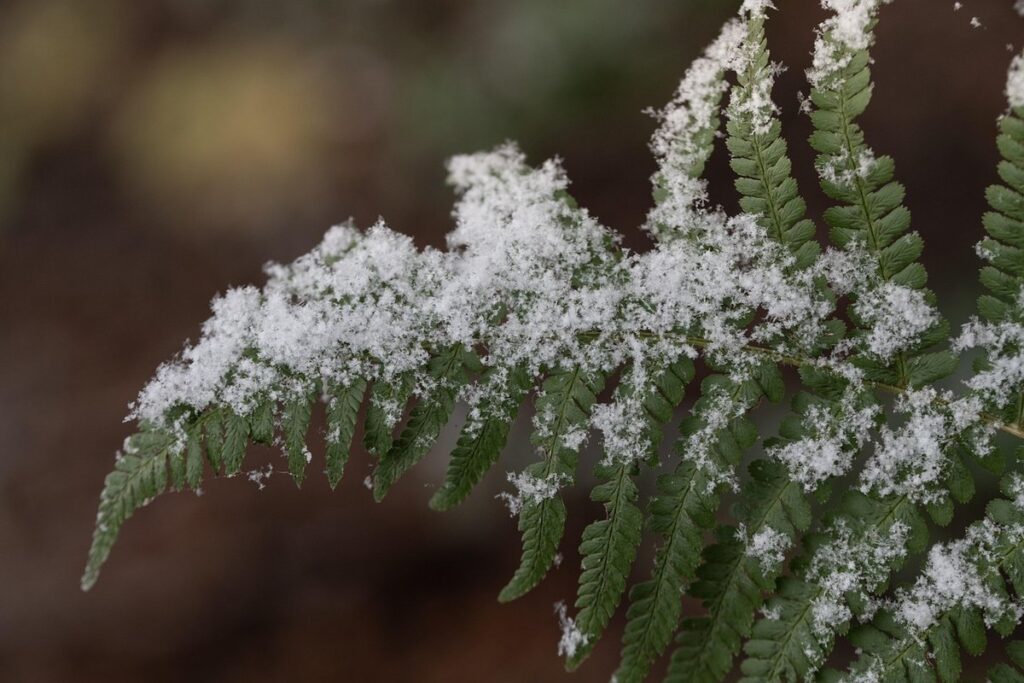
What is the Frosty Fern Plant?
The frosty fern plant, a stunning addition to any indoor space, boasts delicate fronds and an air of elegance that’s sure to captivate your attention. Let’s explore its unique characteristics together.
Overview of the Species
The frosty fern plant is a fascinating species that has gained popularity among gardening enthusiasts and interior designers. Also known as the “Frost Plant” (Dicranopteris linearis), this versatile plant boasts attractive, silvery-green fronds that add a unique touch to any space.
Native to tropical regions of Asia, Africa, and Australia, the frosty fern is an adaptable species that can thrive in various environments. It’s a relatively low-maintenance plant that can tolerate a range of lighting conditions, from bright indirect light to partial shade. This adaptability makes it perfect for indoor spaces with limited natural light.
One of the standout features of the frosty fern is its ability to survive in cooler temperatures. While most ferns prefer warm environments, the frosty fern can tolerate temperatures as low as 40°F (4°C). This means you can enjoy this beautiful plant year-round, even in areas with mild winters.
When selecting a frosty fern for your space, look for plants with fresh, vibrant fronds and a sturdy stem. Water sparingly, allowing the soil to dry slightly between waterings. With proper care, your frosty fern will reward you with lush, silvery growth that’s sure to impress.
Common Names and Varieties
The frosty fern plant is also known by several other names, including the silver lady fern and the moonlight fern. These common names reflect its distinctive appearance, with silvery-green fronds that give it a frosty or moonlit look. If you’re looking to add some texture and interest to your indoor space, this versatile plant is definitely worth considering.
Some popular varieties of the frosty fern plant include ‘Silver Falls’, which has longer, more trailing fronds than other types, making it ideal for hanging baskets or containers. Another variety, ‘Moonlight’, has a slightly more compact growth habit and produces smaller, more delicate leaves. The ‘Crystal Palace’ variety is also worth noting, as its leaves have a striking crystal-like pattern on the undersides.
When selecting a frosty fern plant, take a close look at the fronds to ensure they’re healthy and free of pests or diseases. Look for plants with silvery-green fronds that are evenly spaced and not too tightly packed. With proper care and maintenance, your frosty fern will thrive and provide years of enjoyment in your home.
Growing Conditions for Frosty Ferns
To give your frosty ferns the best chance at thriving, you’ll want to provide them with specific growing conditions that cater to their needs and preferences. This includes controlling temperature and humidity levels.
Lighting Requirements
When it comes to lighting requirements for frosty ferns, understanding their needs is crucial for optimal growth and appearance. Direct sunlight can be detrimental to these plants, causing the leaves to become scorched and discolored. In fact, exposure to direct sunlight for more than an hour a day can lead to damage or even kill your frosty fern.
Indirect sunlight, on the other hand, provides the perfect balance of light and shade for frosty ferns. Placing them near an east- or west-facing window allows them to receive gentle, indirect light throughout the day. This type of lighting promotes healthy growth, maintaining the plant’s vibrant green color and delicate texture.
If you’re unable to provide direct or indirect sunlight, don’t worry – frosty ferns can also tolerate shaded conditions. They thrive in areas with low to moderate light, making them an excellent choice for rooms with limited natural light. When placing your frosty fern in a shaded area, be sure to maintain proper humidity levels to prevent root rot and other issues.
In general, it’s essential to observe your plant’s response to different lighting conditions and adjust accordingly. If you notice signs of stress or damage, consider relocating the plant to a spot with more favorable lighting.
Watering and Humidity Needs
When it comes to watering and maintaining the right humidity levels for your frosty ferns, consistency is key. Frosty ferns prefer moist soil but can be susceptible to overwatering, which can lead to root rot and other issues. To strike a balance, water your frosty ferns once a week during the spring and summer months when they’re actively growing. During the fall and winter, reduce watering to every 10-14 days.
In terms of frequency, it’s better to err on the side of caution and check the soil moisture by sticking your finger into the soil up to the first knuckle. If the soil feels dry, it’s time for a drink. As for humidity levels, frosty ferns thrive in environments with 40-60% relative humidity. To maintain optimal humidity indoors, you can use a humidifier or place the plant on a tray filled with water and pebbles (as the water evaporates, it’ll increase the surrounding air’s moisture).
Aim to keep your indoor environment at the higher end of this spectrum for best results. With consistent watering and attention to humidity levels, your frosty ferns will reward you with lush growth and vibrant color.
Temperature and Soil Preferences
Frosty ferns prefer temperatures between 65°F to 75°F (18°C to 24°C) during the day and around 55°F to 65°F (13°C to 18°C) at night. Avoid placing them near heating or cooling vents, fireplaces, or drafty windows as this can cause stress and negatively impact their growth.
When it comes to soil, frosty ferns prefer a slightly acidic to neutral pH range of 5.5 to 7.0. A well-draining potting mix with peat moss or coconut coir will provide the necessary moisture retention without waterlogging. Repot your frosty fern every 2-3 years in the spring when it becomes pot-bound, using a slightly larger container and fresh potting mix.
For healthy growth, prune your frosty fern regularly by removing any dead or damaged fronds. This encourages new growth and maintains its desired shape. Prune in the early growing season before new fronds emerge to minimize shock. Water thoroughly after pruning to prevent stress. By following these guidelines, you’ll be able to provide your frosty fern with ideal temperature and soil conditions for optimal growth.
Propagation Methods for Frosty Fern Plants
To successfully propagate frosty fern plants, you’ll need to learn two primary methods: division and spore propagation. These techniques will ensure a steady supply of healthy new plants for your collection.
Division and Separation
When your frosty fern plant reaches maturity, it may become too large for its container and require division to maintain its health. Division is a great way to propagate new plants while rejuvenating the parent plant. To divide a mature frosty fern, start by gently removing it from its pot and carefully washing away any old potting mix. Next, use a sharp, sterile knife or pair of scissors to separate the rhizome into sections, making sure each section has at least one growing point.
It’s essential to be cautious when handling the delicate roots and fronds of your frosty fern plant. Be careful not to damage them during division, as this can lead to reduced growth or even disease. After dividing, re-pot each section in fresh potting mix, making sure they have enough water and a humid environment to establish themselves.
Keep in mind that not all divisions will be successful, so it’s essential to have patience and monitor their progress closely. Some sections may take longer to adjust than others, but with proper care, you should see new growth within a few weeks.
Leaf Cuttings and Runners
Leaf cuttings are a popular method of propagating frosty fern plants, and with the right tools and care, you can successfully multiply your favorite species. To take leaf cuttings, start by selecting healthy leaves from mature plants. Choose leaves that are firm to the touch and have at least two visible buds on each side.
Next, prepare a propagation tray or pot filled with a well-draining mix specifically designed for ferns. Gently remove any lower leaves from the cutting, leaving only a small portion of stem attached to the leaf. This will help prevent the cutting from drying out. Place the cuttings in the prepared tray or pot, making sure the node (the area where the leaf meets the stem) is buried in the mix.
Keep the propagation tray or pot consistently moist but not waterlogged, and provide bright, indirect light. It’s essential to maintain a humid environment, as this will encourage rooting to occur. You can cover the tray with a clear plastic bag to create a mini-greenhouse effect, which will help retain moisture and warmth. With proper care, you should start to see new growth within 1-2 months.
Spore Propagation (For Expert Growers)
Spore propagation for frosty ferns is an advanced technique that requires patience, attention to detail, and a willingness to take on some risk. As an expert grower, you’re likely aware of the potential rewards, including the ability to create new varieties or propagate plants from rare species.
To begin, you’ll need a mature frosty fern plant producing sporangia, which are the spore-producing structures that resemble tiny brown dots. Harvest these when they’re dry and brittle, taking care not to damage the surrounding fronds. Next, separate the sporangia into individual units using a soft brush or tweezers.
Rinse each unit in sterile water to remove any debris, then transfer them to a sterile substrate such as perlite or vermiculite. Maintain high humidity and temperatures between 75-85°F (24-29°C) until spores germinate, typically within 2-6 weeks. Keep in mind that failure rates can be high, so it’s essential to plan for multiple attempts.
Monitor your setup regularly, watching for signs of contamination or poor growth. Be prepared to intervene quickly if issues arise, as these can spread rapidly and wipe out an entire batch.
Common Problems and Pests Affecting Frosty Fern Plants
As you care for your frosty fern, you may encounter some common issues that can affect its health. This includes pests and problems like overwatering and nutrient deficiencies.
Overwatering and Root Rot
Overwatering is one of the most common mistakes made when caring for frosty ferns. It’s easy to get carried away with watering, especially if you’re new to plant parenthood. However, too much water can be detrimental to these delicate plants.
When a frosty fern becomes overwatered, it may start to display yellowing leaves or develop brown tips. This is often accompanied by soft, mushy stems that feel squishy to the touch. If left unchecked, root rot will set in, causing the plant’s roots to decay and eventually kill the entire plant.
To prevent root rot and overwatering, it’s essential to monitor your frosty fern’s watering needs closely. Check the soil daily by sticking your finger into the top inch of soil. Water only when the soil feels dry to the touch. Make sure to use a well-draining potting mix to help excess water escape.
If you suspect your frosty fern has already succumbed to root rot, don’t panic! Cut back on watering and repot the plant in fresh, sterilized soil. Keep it in a bright, dry spot until new growth appears. This can take several weeks, but with proper care, your frosty fern should recover.
Pests (Aphids, Mealybugs, Spider Mites)
When it comes to maintaining your frosty fern plant, one of the most common problems you may encounter is pest infestations. Some of the most common pests that affect these plants are aphids, mealybugs, and spider mites.
Aphids are small, soft-bodied insects that feed on sap from the plant’s leaves. They can be identified by their pear-shaped bodies and long, thin legs. To prevent aphid infestations, make sure to inspect your plant regularly for any signs of these pests. If you do spot aphids, try using neem oil or insecticidal soap to control them.
Mealybugs are small, white insects that secrete a sticky substance called honeydew as they feed on the plant’s sap. They can be identified by their cottony appearance and legs covered in fine white hairs. To prevent mealybug infestations, keep your plant in a well-ventilated area and avoid overwatering. If you do spot mealybugs, try using isopropyl alcohol or soap solution to control them.
Spider mites are tiny, spider-like insects that feed on the plant’s sap, causing yellowing leaves and fine webbing. They can be identified by their small size and white eggs stuck to the underside of leaves. To prevent spider mite infestations, keep your plant in a humid environment and avoid overfertilizing. If you do spot spider mites, try using insecticidal soap or neem oil to control them.
To naturally repel these pests, you can also try spraying your plant with water mixed with mild dish soap or introducing beneficial insects like ladybugs or lacewings into the environment.
Fungal Infections and Diseases
Fungal infections and diseases can be a common problem for frosty ferns, especially when they are not properly cared for. One of the most common fungal issues is root rot, which occurs when the roots of the plant sit in waterlogged soil. This can be prevented by ensuring good air circulation around the plant and avoiding overwatering.
Another issue that can affect frosty ferns is leaf spot disease, a fungal infection that causes small spots to appear on the leaves. To prevent this, make sure to water your frosty fern from the bottom up to avoid splashing water onto the leaves. You should also remove any infected leaves to prevent the spread of the disease.
If you notice any signs of fungal infections or diseases, treat the plant with a fungicide specifically designed for indoor plants. It’s essential to follow the instructions carefully and take necessary precautions when handling chemicals.
In addition to preventing and treating fungal infections, maintaining good hygiene is crucial. Disinfect your potting mix by rinsing it with a mild soap solution before repotting your frosty fern.
Tips for Displaying and Caring for Frosty Fern Plants
To keep your frosty fern plants looking their best, you’ll want to know how to properly display them and provide the right conditions for optimal growth. We’ve got some valuable tips to help you get it just right!
Choosing the Right Container
When it comes to displaying and caring for frosty fern plants, choosing the right container is crucial. You want a pot that not only complements the plant’s unique appearance but also meets its specific needs.
First and foremost, consider the size of the pot. Frosty ferns prefer to be slightly root-bound, so a pot that is only slightly larger than the plant’s current one is ideal. A pot that is too large can lead to overwatering, which can cause the roots to rot. On the other hand, a pot that is too small will need to be repotted frequently, which can stress the plant.
In terms of material, frosty ferns prefer well-draining pots made from materials like terracotta or unglazed ceramic. These materials allow excess water to escape, reducing the risk of root rot. Avoid using pots made from plastic or metal, as these can retain too much moisture and cause problems for your plant.
Good drainage is also essential. Look for pots with built-in drainage holes or consider adding a layer of small rocks or broken pottery at the bottom of the pot to ensure excess water can escape. By choosing the right container, you’ll be well on your way to creating an ideal environment for your frosty fern plant.
Decorating with Frosted Leaves
When it comes to showcasing the beauty of frosted leaves, there are many creative ways to display them. One popular method is to fill a vase with a mixture of frosted ferns and other complementary foliage like eucalyptus or ferns with varying textures. This creates a stunning centerpiece that adds visual interest to any room.
For a more whimsical approach, consider filling a terrarium with a variety of frosted leaves, along with some decorative rocks or pebbles for added depth. You can also use frosted leaves as the focal point in a floral arrangement by combining them with other flowers and greenery.
To create a show-stopping centerpiece, try pairing frosted ferns with candles, pinecones, or other natural elements that complement their wintery feel. Simply arrange the leaves and other elements in a decorative bowl or vase, and you’ll have a beautiful and unique display piece to enjoy throughout the season.
Remember, the key to creating a beautiful display is to balance texture, color, and scale – don’t be afraid to experiment with different combinations to find what works best for your space!
Long-Term Care and Maintenance
As you continue to enjoy your frosty fern plant’s beauty, it’s essential to remember that long-term care and maintenance are crucial for its health and thriving appearance. Over time, the plant will require adjustments to its care practices to ensure optimal growth.
Firstly, lighting requirements may change as the plant matures. Initially, frosty ferns prefer bright, indirect light, but as they grow taller, direct sunlight can cause leaf burn. To avoid this, consider providing filtered or dappled light for your mature plant. Aim to maintain a consistent light schedule, avoiding extreme shifts in lighting that can stress the plant.
Watering habits should also be adjusted over time. Young frosty ferns need more frequent watering, but as they become established, reduce watering frequency to prevent root rot. A general rule of thumb is to allow the top 1-2 inches of soil to dry out between waterings.
Regular fertilization will also contribute to your plant’s long-term health. Feed your frosty fern with a balanced, water-soluble fertilizer during the growing season (spring and summer). Dilute the fertilizer to half the recommended strength to avoid burning your plant’s roots. By following these care practices, you’ll be well on your way to enjoying a happy, thriving frosty fern for years to come.
Frequently Asked Questions
How do I know if my Frosty Fern is getting enough humidity?
A humid environment with average temperatures above 60°F (15°C) will help your frosty fern thrive. To ensure optimal humidity levels, you can place the plant on a tray filled with water and pebbles or use a humidifier nearby. Regularly monitoring your plant’s response to its surroundings will also help you adjust its care accordingly.
Can I propagate my Frosty Fern using leaf cuttings?
Yes! Leaf cuttings are an excellent way to propagate frosty ferns. Simply remove healthy leaves from the mother plant, allow them to dry for a day or two, and then plant them in a well-draining potting mix. Keep the soil consistently moist but not waterlogged until roots develop.
How do I prevent pests like aphids and spider mites on my Frosty Fern?
Regularly inspect your plant’s leaves and stems for signs of pests. To control infestations, use neem oil or insecticidal soap to spray the affected areas. Isolate infected plants, and maintain a clean environment by washing your hands before handling the plant.
Can I grow Frosty Ferns outdoors in cooler climates?
No, frosty ferns are sensitive to extreme temperatures and cannot tolerate frost. If you live in an area with cold winters, it’s best to keep them indoors or move them to a protected location during the winter months. However, if you’re in a tropical region, they can thrive outdoors year-round.
What is the ideal container size for my Frosty Fern?
Choose a container that is at least 6-8 inches deep and has good drainage holes to prevent waterlogged soil. A slightly larger pot will provide enough room for the plant’s roots to grow, but avoid overcrowding, as this can lead to root rot and other issues.