
Frost damage can be a devastating blow to your garden or landscape, leaving you wondering how to save your beloved plants. As a plant lover, you’re probably no stranger to the anxiety that comes with a cold snap. But don’t worry, help is at hand! Identifying frost damage on plants requires some know-how, but once you spot the signs, it’s easier to take action and prevent further harm.
In this comprehensive guide, we’ll walk you through everything you need to know about preventing and treating frost damage on your plants. We’ll cover the causes of frost damage, explain how to identify different types of damage, share prevention strategies to keep your plants safe, and provide recovery techniques to get them back on track. Whether you’re a seasoned gardener or just starting out, this guide will give you the knowledge and confidence to protect your plants from frost damage and ensure their continued health and vitality.
Understanding Frost Damage
Frost damage can be unpredictable and devastating, but understanding its causes is key to preventing it. Let’s dive into how frost forms and what factors contribute to its severity.
Factors Contributing to Frost Damage
When it comes to frost damage, three key factors come into play: temperature, humidity, and wind speed. The combination of these elements can be particularly damaging to plants, especially when they are exposed for an extended period.
Temperature is the primary culprit behind frost damage. When temperatures drop below freezing, plant cells undergo a process called extracellular ice formation, where water inside the cell freezes, causing damage to the cell membrane and leading to cellular collapse. The lower the temperature, the more severe the damage. For example, if your area experiences a sudden drop in temperature from 40°F to 20°F (4°C to -7°C), the increased cold stress can be devastating for plants.
Humidity also plays a crucial role in frost damage. When the air is humid, water vapor on the plant’s surface freezes more quickly, increasing the risk of damage. Wind speed can exacerbate this issue by blowing away any protective moisture from the plant’s surface, leaving it exposed to the cold.
Prolonged exposure to cold temperatures can be particularly damaging to plants, as it allows for repeated cycles of ice formation and cell death. To minimize frost damage, it’s essential to monitor temperature fluctuations and take action promptly when a cold snap is predicted.
Types of Plant Damage Caused by Frost
When plants are exposed to frost, they can suffer from various types of damage. One common issue is desiccation, which occurs when the water inside plant cells freezes and expands, causing cell membranes to rupture. This leads to a loss of turgor pressure, making it difficult for plants to maintain their structure.
Another type of damage caused by frost is ion leakage, where the freezing process disrupts the balance of ions within plant cells. As a result, essential nutrients are lost, leading to nutrient deficiencies and impaired growth. Mechanical damage also occurs when ice crystals form inside plant tissues, causing physical harm to cell walls and membranes.
Some plants may experience more severe damage, such as root injury or tissue death. For example, delicate perennials like roses and hydrangeas can be particularly vulnerable to frost damage, especially if they are young or newly planted. To minimize the risk of desiccation, ion leakage, and mechanical damage, it’s essential to protect plants with mulch or other coverings during freezing temperatures.
Causes of Frost
Frost damage on plants can be devastating, and understanding its causes is crucial for prevention and recovery. Let’s explore the common reasons why frost occurs.
Weather Conditions Leading to Frost
When clear skies dominate the horizon, it’s not uncommon for gardeners to feel a sense of calm wash over them. However, this tranquility can be deceiving. Clear skies often signal a drop in temperature, allowing cold air masses to settle over an area unimpeded. This is because clouds typically act as a buffer, releasing heat back into the atmosphere and mitigating the effects of colder air.
When air remains calm, it too plays a significant role in fostering frost formation. A lack of wind breaks the cycle of warm air rising and cool air sinking, creating conditions ripe for frost to develop. If you’re anticipating a prolonged period of stillness, it’s essential to take preventative measures. This might involve covering sensitive plants with row covers or bringing potted specimens indoors.
Cold air masses are another critical factor in frost formation. When these massive pockets of cold air move into an area, they can bring temperatures down significantly. To prepare for such events, monitor local weather forecasts closely and plan accordingly. If possible, delay planting until the last frost date has passed or choose varieties more tolerant of frost.
Soil Temperature and Its Impact on Plant Roots
Soil temperature plays a crucial role in plant growth, and its impact on root development makes plants more susceptible to frost damage. When soil temperatures drop below 7°C (45°F), plant roots slow down their activity, and this affects the entire plant’s ability to absorb water and nutrients.
This is because most plant species have adapted to thrive in temperate climates where soil temperatures are relatively stable. Roots are sensitive to temperature changes and respond by reducing growth and development when exposed to cooler conditions. As a result, plants become more vulnerable to frost damage, as their energy reserves are depleted due to reduced root activity.
To minimize the risk of frost damage, it’s essential to monitor soil temperature and adjust planting schedules accordingly. For example, planting cool-season crops like broccoli or kale in early spring can be beneficial when soil temperatures are still cool. These plants have adapted to grow in cooler conditions and can tolerate some frost. However, warm-season crops like tomatoes require warmer soil temperatures to thrive, so it’s crucial to wait until the soil has warmed up before planting them.
Prevention Strategies for Frost Damage
To help your plants survive future frost events, we’ll explore effective prevention strategies that can be implemented before, during, and after a freeze. These simple steps can save you from costly damage.
Choosing Frost-Tolerant Plants
When choosing plants for areas prone to frost, it’s essential to select varieties that are more resistant to cold temperatures. Frost-tolerant plants typically have adaptations such as thick cuticles, waxy coatings, or other structural features that help protect them from damage.
Some examples of frost-tolerant plants include succulents like aloe and agave, which store water in their leaves and stems to prevent freezing. Other examples include perennials like coneflowers and black-eyed Susans, which have adapted to survive winter conditions by going dormant during periods of cold weather.
When selecting frost-tolerant plants, consider factors such as plant hardiness zone, foliage texture, and growth habit. Plants with thicker leaves or stems tend to be more resistant to frost damage than those with delicate leaves.
Mulching and Other Protective Measures
When frost is forecasted, it’s essential to take proactive measures to protect your plants from damage. Mulching and other protective measures can be a lifesaver for sensitive foliage. One of the most effective ways to shield your plants is by applying a thick layer of organic mulch around their base. This insulating barrier helps regulate soil temperature, preventing cold air from reaching the roots.
Another approach is to cover plants with breathable materials like burlap or frost blankets. These lightweight fabrics allow for airflow while trapping warm air close to the plant’s surface. For row crops and sensitive seedlings, consider using row covers, which are lightweight, porous sheets that filter out harsh winds and cold temperatures.
When applying protective measures, make sure to secure them properly in place with stakes or weights to prevent damage from strong gusts. By taking these simple steps, you can significantly reduce the risk of frost damage and safeguard your plants for optimal growth.
Identifying and Treating Frosted Plants
When you notice frost damage on your plants, it’s essential to identify which ones can be saved and start treating them accordingly. Let’s walk through how to determine the severity of the damage and what steps to take next.
Recognizing Signs of Frost Damage
When you inspect your plants after a frost event, it’s essential to recognize the signs of damage to determine the extent of the damage and take corrective action. Visible signs of frost damage on leaves, stems, and roots can be quite telling.
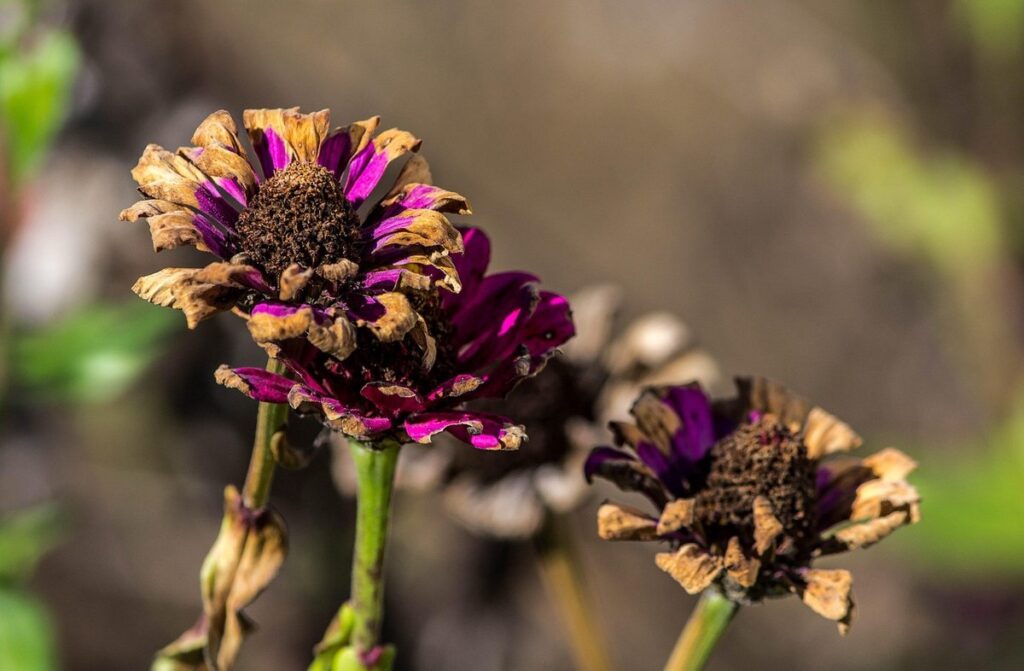
Discoloration is one of the most noticeable signs of frost damage. Leaves may turn yellow, brown, or even black, depending on the severity of the frost. If you notice wilted leaves with a soft, soggy texture, it’s likely due to water inside the plant cells freezing and expanding. This can cause the cell walls to rupture, leading to necrosis – a condition where tissue dies.
Stems and roots may also show signs of damage. If you notice mushy or soft areas on stems, it could be a sign that the cell walls have been compromised due to ice crystals forming inside the plant cells. Similarly, if roots are exposed after frost, they may appear discolored or even rotting. Keep in mind that some plants will exhibit these signs more prominently than others, depending on their hardiness and age.
To inspect your plants for frost damage, gently touch the leaves and stems to check for soft spots or areas of necrosis. If you notice any damage, it’s crucial to act quickly to prevent further harm and promote recovery.
Treatment Options for Frosted Plants
When it comes to treating frosted plants, timing is crucial. The sooner you intervene, the better chance your plant has at recovering from frost damage. To stimulate recovery and promote new growth, consider pruning damaged areas. This process not only removes dead tissue but also helps redirect energy towards healthy parts of the plant.
Fertilization can also play a significant role in aiding recovery. Feed your plant with a balanced fertilizer to provide essential nutrients. However, be cautious not to over-fertilize, as this can cause further stress. A general rule of thumb is to apply half the recommended dose and adjust according to your plant’s response.
Application of growth regulators like gibberellins or auxins may also stimulate recovery by promoting cell elongation and division. These chemicals work at a cellular level to encourage new growth. However, always follow label instructions carefully when using growth regulators, as improper use can cause more harm than good.
In some cases, it’s necessary to take a more drastic approach, such as grafting or propagating new plants from healthy sections.
Recovery and Maintenance After Frost Damage
Now that you’ve taken steps to prevent further damage, it’s time to focus on helping your plants recover from frost damage. This section will walk you through the recovery process and maintenance tips to get them back in top shape.
Tips for Encouraging Plant Recovery
After assessing the damage caused by frost, it’s time to focus on promoting plant recovery. This crucial step will help your plants bounce back and regain their health. To encourage plant recovery, start by adjusting their watering schedule. Young or recently damaged plants need consistent moisture to facilitate healing, so increase watering frequency for these individuals.
Provide supplemental lighting to supplement the reduced sunlight caused by frost damage. LED grow lights can be an excellent option as they produce minimal heat while providing sufficient intensity for photosynthesis. Monitor your plants closely and adjust lighting duration accordingly.
Additionally, keep a watchful eye out for potential pests and diseases that may take advantage of weakened plant defenses. Fungal infections often follow frost damage due to the increased water retention within damaged tissues.
Consider implementing these tips to promote healthy recovery:
* Monitor temperature fluctuations to prevent further stress
* Prune any severely damaged or dying branches
* Apply a fungicide to protect against potential fungal infections
Long-Term Strategies for Preventing Future Frost Damage
When it comes to preventing future frost damage, gardeners need to think long-term and adapt their gardening practices accordingly. One effective way to do this is by selecting more resilient plants that can withstand cold temperatures. Research specific plant varieties that are bred for hardiness or have natural adaptations to resist frost. For example, plants like Siberian iris, Russian sage, and winter aconite are known for their ability to thrive in sub-zero conditions.
Another strategy is to use frost blankets to protect sensitive plants during extreme cold snaps. These breathable fabrics allow moisture to escape while retaining heat, making them an effective barrier against frost damage. Simply drape the blanket over your plants at night and remove it by morning when temperatures rise. Creating microclimates within your garden can also help mitigate frost damage. This involves designing a layout that allows for air circulation, provides some protection from wind, and makes use of natural temperature buffers like south-facing walls or ponds.
Consider installing trellises or gazebos to create a more sheltered environment for sensitive plants. By incorporating these long-term strategies into your gardening routine, you can significantly reduce the risk of frost damage and ensure your garden remains healthy and vibrant throughout the year.
Frequently Asked Questions
What’s the best way to know if my plants are frost-damaged beyond just looking at them?
When assessing frost damage, it’s not always easy to determine the extent of the harm just by visual inspection. To get a better understanding, gently touch the affected areas with your fingers or a gentle brush. Check for any signs of damage on the leaves’ undersides and look for discoloration, brittleness, or unusual growth patterns.
How can I prevent future frost damage without using mulch?
While mulching is an effective way to protect plants from frost, there are other options available. Consider installing a frost blanket or using burlap wraps around sensitive plants. You can also bring potted plants indoors during extreme cold snaps or move them to a sheltered location.
What should I do if I notice my plant’s roots are still active despite the frost damage?
When dealing with frost-damaged plants, it’s essential to assess whether their root systems are still viable. Gently dig around the affected areas and check for any signs of root damage or rot. If you find healthy roots, consider repotting the plant in fresh soil and providing optimal care.
Can I use any specific fertilizers or nutrients to aid my plants’ recovery from frost damage?
When treating frost-damaged plants, it’s crucial to provide them with a balanced diet to support their recovery. Consider using a high-phosphorus fertilizer (around 15-20-15 NPK) to promote healthy growth and root development. However, avoid over-fertilizing, as this can cause more harm than good.
What are some general tips for maintaining healthy plants during the winter months?
To minimize frost damage risks, keep an eye on weather forecasts and provide your plants with proper care during harsh winters. Make sure to water them deeply before the ground freezes, and avoid over-pruning or manipulating their growth patterns during this time.