
Are you tired of looking at the same old boring front yard? Do you want to add some curb appeal without breaking the bank? Well, you’re in luck because we’ve got just the thing for you: amazing front yard shrub ideas! Whether you live in a hot and dry climate or have plenty of sunlight pouring into your yard, we’ll show you how to choose the perfect shrubs that will thrive under any conditions. From drought-tolerant options like succulents and cacti to flowering shrubs that’ll make your yard pop with color, we’ve got all the inspiration you need. In this article, we’ll cover everything from choosing the right shrubs for your climate and soil type to creating stunning topiary designs that will add a touch of elegance to your front yard.
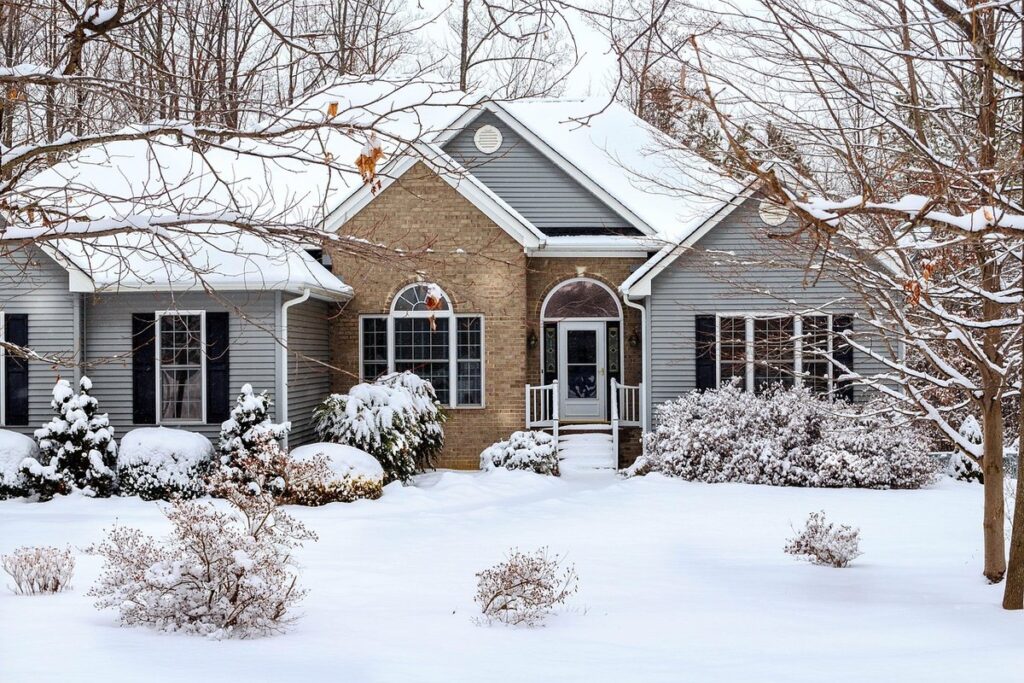
Choosing the Right Shrubs for Your Climate
When selecting shrubs, understanding your local climate is crucial to ensure they thrive and require minimal maintenance. Let’s explore how to choose the perfect shrubs for your region’s unique conditions.
Considerations for Hot and Dry Climates
If you live in a hot and dry climate, choosing shrubs that can thrive in these conditions is crucial. Drought-tolerant plants are not only more resilient to heat and water scarcity but also require less maintenance, which is perfect for busy homeowners.
When selecting shrubs for your front yard, look for varieties like Texas Sage (Leucophyllum frutescens), Rosemary (Rosmarinus officinalis), and Lavender (Lavandula spp.). These plants have adapted to survive in regions with low rainfall and intense sunlight. For instance, Texas Sage can handle temperatures up to 100°F (38°C) and goes dormant during the winter months when water is scarce.
To maximize their performance, plant these shrubs in well-draining soil and provide them with full sun exposure. Water them sparingly, allowing the top inch of soil to dry out between watering sessions. With proper care, these drought-tolerant shrubs will not only thrive but also add beauty and fragrance to your front yard landscape. By selecting the right plants for your climate, you’ll save time, water, and money in the long run.
Shrubs for Cold and Wet Climates
When it comes to shrubs that can thrive in cold and wet climates, you’ll want to focus on plants that are tolerant of moisture and can withstand frost. Boxwood is an excellent choice for these conditions, as it’s evergreen and requires minimal maintenance. With proper care, Boxwood shrubs can live for decades, making them a great long-term investment for your front yard.
Another option is Holly, which not only tolerates wet soil but also produces beautiful red berries that attract birds to your garden. Be sure to plant multiple Holly shrubs to ensure a steady supply of berries. Rhododendron is also a top pick for cold and wet climates, with stunning blooms in shades of pink, purple, and white. These plants prefer acidic soil, so make sure to test your soil pH before planting.
To ensure the health and longevity of your shrubs, be mindful of their watering needs. Avoid overwatering, which can lead to root rot and other issues. Instead, water them regularly during dry spells, but allow the top 2-3 inches of soil to dry out between waterings. With proper care, these shrubs will add beauty and structure to your front yard for years to come.
Selecting Shrubs Based on Sunlight and Soil Conditions
When selecting shrubs for your front yard, it’s essential to consider the specific sunlight and soil conditions of your space. Shrubs that receive full sun (six hours or more of direct sunlight) require different care than those growing in partial shade (four to six hours of indirect sunlight) or full shade (less than four hours of direct sunlight).
To choose shrubs for full sun, look for varieties with thick, waxy leaves or those native to dry climates. These plants have adapted to conserve water and withstand intense heat. Examples include lavender, rosemary, and crape myrtle. For partial shade, select shrubs with glossy leaves that can tolerate some sunlight but prefer dappled light.
When it comes to soil types, acidic soils require shrubs that thrive in low-pH environments, such as azaleas or rhododendrons. Alkaline soils support plants like lilacs and boxwood. Well-draining soils are best suited for shrubs with deep root systems, like forsythia and hydrangea.
When selecting shrubs, take note of their specific sunlight requirements to ensure they receive the right amount of light for optimal growth.
Popular Front Yard Shrub Ideas for Curb Appeal
When it comes to making a great first impression, curb appeal is everything. Let’s explore some popular front yard shrub ideas that can instantly elevate your outdoor space.
Evergreen Shrubs for Year-Round Foliage
When it comes to creating curb appeal, evergreen shrubs are an excellent choice for year-round interest. These plants retain their foliage throughout the seasons, providing a lush and vibrant appearance that enhances the overall aesthetic of your front yard.
Consider planting Arborvitae, Holly, or Boxwood as hedges or borders. These versatile shrubs can be pruned to maintain a specific shape or left to grow naturally. For example, Arborvitae is an excellent choice for a formal hedge, while Boxwood works well in a more rustic setting. Holly, on the other hand, adds a pop of color with its bright red berries.
When selecting evergreen shrubs, remember to choose varieties that suit your climate and soil type. Some popular options include:
* Arborvitae (Thuja occidentalis)
* English Boxwood (Buxus sempervirens)
* Holly (Ilex aquifolium)
Remember to water and fertilize regularly to keep your evergreen shrubs healthy and thriving. With proper care, these plants will provide years of beauty and interest in your front yard.
Flowering Shrubs for Colorful Displays
When it comes to adding a pop of color and attracting pollinators to your front yard, flowering shrubs are an excellent choice. Not only do they provide vibrant displays throughout the growing season, but they also offer a range of benefits for both you and the environment.
One popular option is the rose bush, which comes in a variety of colors including pink, red, yellow, and white. These beautiful blooms not only add visual interest to your landscape, but they’re also a magnet for bees and butterflies, drawing them into your yard and supporting local pollinator populations.
Other options like Hydrangea and Azalea are also excellent choices for flowering shrubs. Hydrangea produces large, showy flowers in shades of pink, blue, or white that add a dramatic touch to any landscape, while Azalea boasts bright, funnel-shaped blooms in shades of red, orange, and yellow.
To make the most of your flowering shrub display, consider planting a mix of early-blooming and late-blooming varieties to provide color throughout the growing season. This will not only extend the lifespan of your flowers but also attract pollinators from spring through fall.
Topiary Shrubs for Unique Landscaping
Topiary shrubs are a fantastic way to add some personality and flair to your front yard. These carefully pruned shrubs can be shaped into various forms, from spherical balls to intricately designed topiaries that resemble animals or objects. Two popular varieties for creating visually striking landscapes are Ball-shaped Arborvitae and Formal English Boxwood.
When using these shrubs, consider the shape and size you want to achieve. For a uniform look, trim your Ball-shaped Arborvitae regularly to maintain its rounded shape. On the other hand, use pruning shears to create more intricate designs with the Formal English Boxwood, shaping it into neat, box-like shapes.
To maximize curb appeal, choose shrubs that complement your home’s style and surrounding landscape. For example, if you have a modern house, pair Ball-shaped Arborvitae with clean lines and sleek hardscaping for a cohesive look. Meanwhile, traditional homes can benefit from the classic elegance of Formal English Boxwood paired with vintage-style garden benches.
Keep in mind that proper maintenance is crucial to maintaining your topiary’s shape and appearance. Regular watering, fertilization, and pruning will ensure your shrubs continue to thrive and stay visually appealing year-round.
DIY Front Yard Shrub Projects and Maintenance Tips
To create a beautiful and low-maintenance front yard, consider tackling these DIY shrub projects to add some personality to your outdoor space. From pruning to planting, we’ve got you covered!
Creating a Shrub Garden Bed
When it comes to creating a beautiful shrub garden bed in your front yard, there are several steps you can follow to achieve stunning results. First and foremost, choose a location that receives the right amount of sunlight for your plants. Most shrubs prefer at least 4-6 hours of direct sunlight per day.
Next, select a variety of shrubs that complement each other in terms of size, texture, and color. Consider using a mix of flowering and non-flowering shrubs to add visual interest throughout the seasons. Some popular options for front yard shrub garden beds include hydrangea, lilac, and boxwood.
To arrange your plants, start by placing the largest shrubs towards the back or center of the bed. Then, add smaller plants around the perimeter, working from tallest to shortest. Leave enough space between each plant for proper growth and air circulation.
Finally, don’t forget to incorporate mulch or other decorative elements to complete your design. Mulch helps retain moisture, suppress weeds, and add a pop of color to the bed. With these simple steps, you can create a beautiful shrub garden bed that will elevate your front yard’s curb appeal.
Shrubs as Hedges or Screens
Using shrubs as hedges or screens is an excellent way to define boundaries, block unwanted views, and create private spaces in your front yard. One of the primary benefits of using shrubs in this manner is that they can be easily trimmed and maintained to suit your desired shape and size.
Not only do shrub hedges provide a sense of seclusion, but they also add a decorative element to your outdoor space. For instance, consider pairing flowering shrubs like hydrangea or lilac with evergreen shrubs like boxwood or topiary to create a visually appealing contrast.
To get started, choose shrubs that are suitable for the climate and soil conditions in your area. Plant them about 6-8 inches apart, depending on their mature size, to ensure a dense screen or hedge. Regular pruning will be necessary to maintain shape and promote healthy growth.
Some popular shrub species for hedges and screens include boxwood, yew, and arborvitae. By incorporating these plants into your front yard design, you can create a beautiful and functional space that enhances both form and function.
Shrubs for Wildlife Gardens and Pollinator-Friendly Landscapes
When selecting shrubs for your wildlife garden and pollinator-friendly landscape, it’s essential to choose plants that provide nectar-rich flowers. These flowers are a vital source of energy for bees, butterflies, and other pollinators as they flit from bloom to bloom collecting pollen and nectar.
Consider incorporating shrubs like lavender, bee balm, and rosemary into your garden design. These plants produce an abundance of fragrant, nectar-rich flowers that attract pollinators in droves. For example, the annual butterfly bush (Buddleja) is a magnet for monarchs, swallowtails, and painted ladies.
Incorporating shrubs with multiple seasons of interest can also enhance their appeal to wildlife. Consider a shrub like the ninebark (Physocarpus), which produces clusters of white flowers in spring and has vibrant fall foliage. When selecting plants, look for species that are native to your region and have been bred for optimal pollinator support.
By carefully choosing shrubs with nectar-rich flowers, you can create a haven for pollinators and add beauty to your outdoor space.
Combining Shrub Ideas with Outdoor Decor
Now that you’ve selected your perfect shrubs, let’s talk about how to seamlessly integrate them into your outdoor decor for a cohesive look. We’ll explore some creative ways to combine your shrubs with other decorative elements.
Integrating Shrubs with Garden Paths and Lighting
When combining shrubs with garden paths and lighting, it’s essential to create a cohesive look that extends from your front door to your outdoor space. Start by choosing shrubs that complement the style of your home and surrounding landscape. For example, if you have a modern home, opt for sleek and compact shrubs like boxwood or topiaries.
Next, consider the color palette of your garden paths and lighting fixtures. You can tie in these elements with your shrub selection by choosing plants with similar hues or textures. For instance, pair gray pavers with dark-green or blue-gray shrubs to create a soothing and harmonious atmosphere.
To add visual interest, incorporate different textures and shapes into your design. Mix smooth-leaved shrubs like lavender with ornamental grasses or flowering perennials for a dynamic look. Finally, remember that lighting can greatly impact the ambiance of your outdoor space. Use pathway lights to highlight your garden paths and create inviting walkways that guide visitors through your landscape.
Using Shrubs in Container Gardens and Hanging Baskets
When it comes to adding shrubs to container gardens and hanging baskets, you’ll want to choose plants that thrive in containers and can tolerate a range of conditions. For example, boxwood, hydrangea, and azalea are popular options for their compact growth habits and versatility. When selecting plants, consider factors like mature size, sunlight requirements, and watering needs.
To create visually appealing combinations, mix and match different textures and heights. Add some greenery with a tall grass or fern, then balance it out with smaller shrubs or flowers. For instance, pair a top-heavy hydrangea with some cascading ivy or a trailing flower like sweet potato vine. Don’t forget to leave enough space for air circulation and growth.
Some key considerations when designing your container gardens and hanging baskets include the color scheme and overall style of your outdoor decor. You can create a cohesive look by matching the colors of your containers and plants to your home’s exterior or nearby furniture.
Frequently Asked Questions
Can I use the same shrub idea for multiple seasons, or do I need to switch up my plants periodically?
Yes! One of the benefits of choosing drought-tolerant shrubs like succulents and cacti is that they can thrive year-round with minimal maintenance. While flowering shrubs may require more upkeep, they can also be chosen to bloom at different times of the year, providing a colorful display throughout various seasons.
How do I choose the right size and shape for my topiary shrubs?
When selecting topiary shrubs, consider the mature size of the plant as well as its natural growth habits. Choose varieties that will fit your desired shape and space constraints. For example, if you want a spherical shape, look for shrubs with compact or dwarf varieties.
Can I use shrubs in container gardens and hanging baskets?
Yes! Shrubs can be used in container gardens and hanging baskets to add curb appeal and beauty to small spaces. When selecting shrubs for containers, choose compact or dwarf varieties that will thrive in smaller pots. Make sure the pot has good drainage holes and use a well-draining potting mix.
How do I ensure my shrubs receive the right amount of sunlight?
When selecting shrubs based on sunlight conditions, make sure to consider both direct sun exposure and shade requirements. If your yard receives full sun (6+ hours of direct sunlight), choose shrubs that can tolerate high temperatures and intense light. For areas with partial shade or dappled sunlight, opt for varieties that prefer filtered or indirect light.
Can I use shrubs as a hedge or screen in cold climates?
While some shrubs are more resistant to cold temperatures than others, it’s essential to choose varieties that will thrive in your specific climate. If you live in an area with harsh winters, look for shrubs with good cold hardiness (USDA zones 4-8) and consider pruning them back in late winter or early spring to protect from damage.