
Are you tired of spending hours each week watering, pruning, and weeding your front yard garden? Do you wish you had more time to enjoy your outdoor space instead of stressing about its upkeep? You’re not alone. With a little creativity and expert guidance, it’s entirely possible to create a stunning and low-maintenance front yard garden that requires minimal attention.
In this article, we’ll share our top tips on selecting the perfect low-maintenance plants for your climate, designing a visually appealing space, conserving water without sacrificing beauty, and even show you some fun DIY projects to give your garden a personalized touch. Whether you’re a seasoned gardener or just starting out, we’ve got you covered with practical advice that will help you create a beautiful front yard oasis that’s perfect for any home.
Planning a Low-Maintenance Front Yard Garden
To create a beautiful and stress-free front yard garden, let’s dive into some practical planning steps to get you started on your low-maintenance landscape project.
Choosing the Right Location and Climate
When planning a low-maintenance front yard garden, choosing the right location is crucial for the success of your project. Start by assessing your yard’s sunlight and soil conditions. Most plants require at least 4-6 hours of direct sunlight per day, so consider this when selecting a spot that receives adequate light.
Soil type is another critical factor to consider. Some plants thrive in well-draining soil, while others prefer rich, fertile ground. Knowing your soil type will help you choose the right plants and reduce the need for frequent watering or amendments.
Climate also plays a significant role in plant selection. Research which low-maintenance plants are suitable for your specific region based on factors like temperature, humidity, and frost tolerance. For example, if you live in an area with mild winters, consider plants that go dormant during winter months, reducing the need for extra care.
Consider visiting a local nursery or gardening store to get advice from experts who know the local climate and soil conditions. They can recommend plants that will thrive in your specific environment, ensuring a beautiful and low-maintenance front yard garden.
Selecting Low-Maintenance Plants
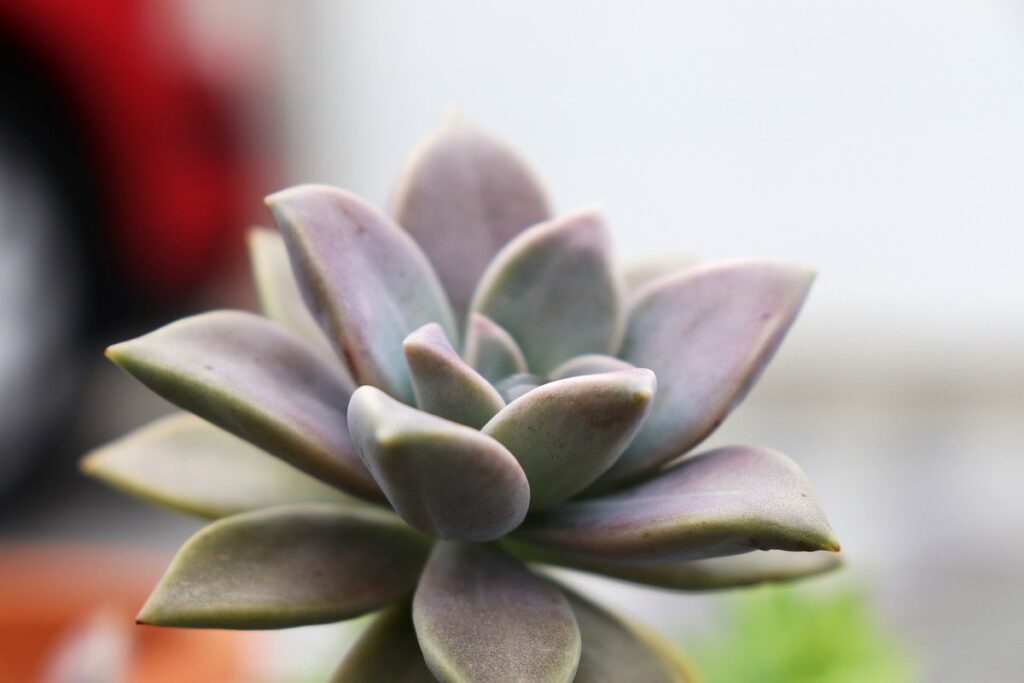
When it comes to selecting low-maintenance plants for your front yard garden, you have plenty of options that can thrive with minimal care. Succulents are a great choice, as they store water in their leaves and stems, making them drought-tolerant. For example, the Echeveria and Aloe Vera are popular succulent varieties that require infrequent watering and can tolerate full sun to partial shade.
Another low-maintenance option is ornamental grasses, which add movement and texture to your garden without needing frequent pruning or watering. Some popular types of ornamental grasses include Pampas Grass and Fountain Grass. These plants typically thrive in well-draining soil and full sun.
If you want to incorporate flowering shrubs into your low-maintenance front yard garden, consider options like Rosemary and Lavender. These plants produce beautiful blooms with minimal watering needs and can tolerate some pruning. Be sure to choose varieties that suit your climate and soil type for the best results.
In general, when selecting low-maintenance plants, pay attention to their water requirements and pruning needs. Plants that require regular watering or frequent pruning are not ideal for a low-maintenance garden. Instead, opt for plants that can thrive with minimal care and enjoy the benefits of a beautiful front yard garden without the hassle.
Designing a Beautiful and Functional Space
When designing a front yard garden, it’s essential to balance beauty and functionality, ensuring your space remains visually appealing while requiring minimal upkeep. Let’s explore some beautiful design ideas that fit this bill.
Creating a Focal Point with Statement Plants
When it comes to creating a stunning front yard garden, adding statement plants is an excellent way to draw attention and create visual interest. These bold features can be the perfect focal point for your outdoor space, making a lasting impression on visitors and passersby alike.
To choose the right statement plant combinations, consider the overall aesthetic you want to achieve in your front yard garden. Think about the color palette, texture, and shape of the plants that will complement each other beautifully. For instance, pairing tall, dramatic plants like bird of paradise or banana trees with shorter, more compact plants like succulents or boxwood can create a stunning contrast.
When it comes to placement strategies, think about creating a visual pathway for visitors to follow as they approach your home. Place statement plants at strategic points along the way to draw attention and guide the eye towards specific areas of interest. Remember, balance is key – don’t overdo it with too many bold features, or the space may feel cluttered and overwhelming.
Incorporating Hardscaping Elements
When it comes to designing a beautiful and functional front yard garden, incorporating hardscaping elements is crucial. Hardscaping refers to non-plant materials used in landscaping, such as pathways, patios, and retaining walls. These features not only enhance the visual appeal of your space but also play a significant role in creating a functional area for relaxation, entertainment, or even gardening.
When selecting hardscaping materials, consider using low-maintenance options like pavers, gravel, or decomposed granite for pathways and patios. These materials are easy to clean, resistant to weather conditions, and require minimal upkeep. For retaining walls, use durable materials like natural stone or concrete blocks that can withstand various climates.
Before installation, consider your design goals and the overall aesthetic you want to achieve. Think about incorporating outdoor lighting, furniture, or irrigation systems to create a seamless and inviting space. If you’re not experienced in DIY projects, it’s highly recommended to hire a professional for hardscaping installation to ensure durability and safety.
Water Conservation and Smart Irrigation Systems
Effective water conservation is crucial for a thriving yet low-maintenance front yard garden, which is why we’ll explore smart irrigation systems that make it possible. These innovative solutions ensure your plants stay hydrated without wasting resources.
Understanding Your Water Needs
When it comes to creating a beautiful and thriving front yard garden with low maintenance plants, understanding your water needs is crucial. Water conservation is not only essential for the environment, but also for your wallet. Let’s face it: overwatering can lead to wasted resources, increased water bills, and even damage to your plants.
So, how do you determine your front yard garden’s specific water requirements? Start by observing your local climate and soil type. Different regions have unique weather patterns, and certain plants are more suited to specific conditions. For example, if you live in a hot and dry climate, you’ll need to water your plants more frequently than those who live in areas with regular rainfall.
To reduce waste and optimize irrigation systems, consider installing a smart watering system that can detect soil moisture levels and adjust watering schedules accordingly. This will help prevent overwatering and ensure your low maintenance plants receive just the right amount of hydration. By understanding your water needs, you’ll be able to create a stunning front yard garden that’s both beautiful and sustainable. Remember, every drop counts!
Installing a Smart Irrigation System
When it comes to creating a beautiful and thriving front yard garden with low maintenance plants, installing a smart irrigation system is a great way to ensure that your garden receives the perfect amount of water, every time. This not only helps reduce water waste but also saves you money on your utility bills.
Smart irrigation controllers come equipped with advanced features such as rain sensors and soil moisture monitoring. These sensors detect rainfall and automatically adjust watering schedules accordingly, preventing overwatering and ensuring that your plants receive just the right amount of hydration. Soil moisture monitoring allows you to track the water levels in the soil, allowing for more precise watering.
Some popular options for smart irrigation controllers include systems from brands like Rachio and Skydrop. These systems can be controlled via mobile apps, making it easy to adjust watering schedules on-the-go. When selecting a system, consider factors such as your climate, plant types, and yard size to ensure you choose the best fit for your needs.
By installing a smart irrigation system in your front yard garden, you’ll not only reduce water waste but also create a healthier environment for your low maintenance plants to thrive in.
Landscaping Ideas on a Budget
Creating a beautiful front yard garden doesn’t have to break the bank. This section shares budget-friendly landscaping ideas using low maintenance plants that thrive in outdoor spaces.
DIY Projects for Front Yard Gardens
When it comes to adding a personal touch to your front yard garden without overspending, consider DIY projects that can make a significant impact on aesthetics. Repurpose old pallets by turning them into planters for succulents or herbs. This not only reduces waste but also creates a unique display of low-maintenance plants.
Another creative idea is upcycling an old wooden ladder to hang baskets from, providing additional storage and showcasing your favorite flowers or greenery. You can also use recycled containers like mason jars or tin cans as mini planters for small plants or sprouts. Get creative with materials you already have at home to give your front yard garden a personalized touch.
To add visual interest, try creating a trellis using twine and sticks or repurposed wooden dowels. This can be an effective way to support climbing plants like ivy or clematis without breaking the bank. With a little imagination, you can elevate the charm of your front yard garden while keeping costs low.
Thrifty Planting and Propagation Strategies
When it comes to creating a beautiful and thriving front yard garden on a budget, thrifty planting and propagation strategies are essential. One of the most cost-effective methods is plant division – simply dig up established plants, separate them into smaller sections, and replant them in other areas of your garden. This not only reduces waste but also encourages healthy growth.
Another technique worth exploring is layering, where you propagate new plants from stems or branches of mature plants. By placing cuttings in a pot filled with soil and keeping it moist, you’ll have new roots and leaves developing within weeks. Stratification – the process of simulating winter conditions for seeds or seedlings to break dormancy – is also a great way to save money on plant purchases.
To reduce maintenance costs further, consider using cheap yet effective mulching techniques. Organic materials like wood chips, bark, or straw can suppress weeds, retain moisture, and regulate soil temperature – all while being budget-friendly. Apply a 2-3 inch layer of mulch around plants to keep your garden looking lush without breaking the bank.
Integrating Wildlife-Friendly Elements
To create a thriving ecosystem, incorporating wildlife-friendly elements is crucial, allowing you to attract local birds and bees while minimizing maintenance. This section shares practical tips for doing just that.
Attracting Birds, Bees, and Butterflies
Attracting birds, bees, and butterflies to your front yard garden is not only aesthetically pleasing but also crucial for a balanced ecosystem. By incorporating plants that support pollinators and beneficial wildlife, you’ll be contributing to the local biodiversity.
Start by selecting native plant species in your region that are known to attract these visitors. For instance, in California, consider planting California poppy (Eschscholzia californica) or Matilija poppy (Romneya coulteri). These plants not only add vibrant colors but also provide a rich source of nectar and pollen for pollinators.
To create a welcoming environment, include a variety of plant heights to cater to different species. For example, tall plants like sunflowers (Helianthus annuus) or goldenrod (Solidago spp.) provide perches for birds, while shorter plants like coneflowers (Echinacea spp.) and black-eyed Susans (Rudbeckia hirta) offer nectar sources.
When planting, avoid using pesticides, as they can harm these beneficial visitors. Instead, adopt integrated pest management techniques that focus on natural methods of controlling pests. This will not only create a haven for wildlife but also minimize the need for maintenance and upkeep.
Incorporating Birdhouses and Feeders
Adding birdhouses and feeders to your front yard garden is an excellent way to create a welcoming habitat for local wildlife while also enhancing the aesthetic appeal of your outdoor space. Not only do these installations provide sustenance and shelter for birds, but they can also serve as a natural deterrent against pests that might target your low-maintenance plants.
When selecting birdhouses and feeders, consider their size, material, and style to ensure they complement your existing garden features. For instance, if you have a rustic-themed garden, opt for wooden or log-based birdhouses and feeders with earthy tones. Conversely, if your garden is more modern in design, sleek metal or plastic options would be more suitable.
In terms of placement, choose locations that provide easy access to food sources and shelter while also allowing birds to safely navigate between the two. Aim for spots near a water source, such as a birdbath or shallow dish, and avoid areas with dense foliage that might obstruct bird flight paths.
Long-Term Maintenance and Upkeep
Now that you’ve set up your beautiful front yard garden, let’s talk about keeping it thriving for years to come: planning for long-term maintenance. This section will share our top tips for effortless upkeep.
Seasonal Tasks for Front Yard Gardens
As you continue to enjoy your beautiful front yard garden with low maintenance plants, it’s essential to perform seasonal tasks to ensure its continued health and beauty. These tasks may seem daunting, but breaking them down into manageable chunks will make the process much easier.
In spring, start by pruning any dead or damaged branches from perennials and shrubs. This not only maintains their shape but also promotes healthy growth. For example, prune rose bushes in late March to encourage new blooms. Mulching is another critical task at this time. Apply a 2-3 inch layer of organic mulch around plants to retain moisture, suppress weeds, and regulate soil temperature.
During summer months, focus on maintaining the health of your plants through regular watering and fertilization. Be sure to monitor for pests like aphids and whiteflies, which can quickly spread and cause damage. Consider implementing integrated pest management techniques, such as introducing beneficial insects or using neem oil.
As fall approaches, prepare your garden for the colder months ahead by cleaning up dead plant material and applying a layer of compost or mulch. This will help protect roots from freezing temperatures and maintain soil health throughout the winter. By staying on top of these seasonal tasks, you’ll be able to enjoy a thriving front yard garden with minimal maintenance.
Budgeting for Ongoing Expenses
When planning your front yard garden, it’s easy to get caught up in the excitement of designing and planting. However, don’t forget that a low-maintenance garden still requires ongoing upkeep to keep it looking its best. This includes regular watering, pruning, and fertilization.
As you factor these costs into your budget, consider the following estimates: supplies like mulch, fertilizer, and gardening tools can range from $100 to $500 per year, depending on the size of your garden and the frequency of maintenance. If you’re unsure about how to tackle tasks like pruning or fertilizing, it’s worth considering hiring a professional for these services – expect to pay around $50 to $150 per session.
To minimize ongoing expenses, choose plants that require less care and fewer resources, such as succulents, sedum, and creeping thyme. These plants are drought-tolerant and need minimal pruning, making them ideal for low-maintenance gardens.
Frequently Asked Questions
How do I measure the sunlight in my front yard to ensure I’m choosing low-maintenance plants that thrive in those conditions?
To determine the sunlight your garden receives, observe the area during different times of day and throughout the year. You can also use a tool like a sundial or a solar-powered light meter to get an accurate reading. Keep in mind that some low-maintenance plants can tolerate partial shade or full sun, so consider this when selecting varieties for your specific climate.
Can I use a smart irrigation system if my yard has uneven terrain and slopes?
Yes. Smart irrigation systems can be adapted to accommodate complex yard layouts with slopes and uneven terrain. Look for systems designed with flexibility in mind, such as ones that allow you to create custom watering schedules based on soil type and slope. Additionally, consider installing a rain sensor to further optimize your system’s performance.
How often should I inspect my front yard garden to catch potential problems before they become major issues?
Regular inspections are essential for maintaining a low-maintenance garden. Set aside time each week (about 10-15 minutes) to walk through your garden and check for signs of pests, diseases, or nutrient deficiencies. Keep an eye out for wilting plants, uneven growth, or unusual odors that could indicate underlying problems.
Can I use a combination of in-ground plants and containers in my front yard garden?
Yes. Mixing in-ground plants with container gardens can add visual interest and versatility to your design. When combining these elements, consider factors like drainage, soil quality, and the mature size of both plant species. This will help you create a balanced look that requires minimal maintenance.
How do I balance my desire for low-maintenance plants with the need to attract beneficial wildlife, such as birds and bees?
You can strike a balance between low-maintenance and wildlife-friendly plants by selecting varieties that serve multiple purposes. For example, plants like bee balm or coneflower require minimal care but also attract pollinators. Consider consulting with local nurseries or gardening experts for guidance on choosing plants tailored to your specific climate and wildlife goals.