
If you’ve ever wandered through an orchard or admired a ripe apple, you might be curious about where those delicious fruits come from. But did you know that alder seeds can transform into mature apple trees? It’s a remarkable process that involves germination, development, and a dash of good fortune. In this article, we’ll take a closer look at the astonishing journey from alder seed to mature apple tree. We’ll explore the environmental factors that influence growth patterns, how climate and soil conditions affect tree development, and the secrets behind successful germination. By understanding this process, you’ll gain insight into the incredible resilience of nature and perhaps even develop a new appreciation for the humble beginnings of your favorite fruit trees.
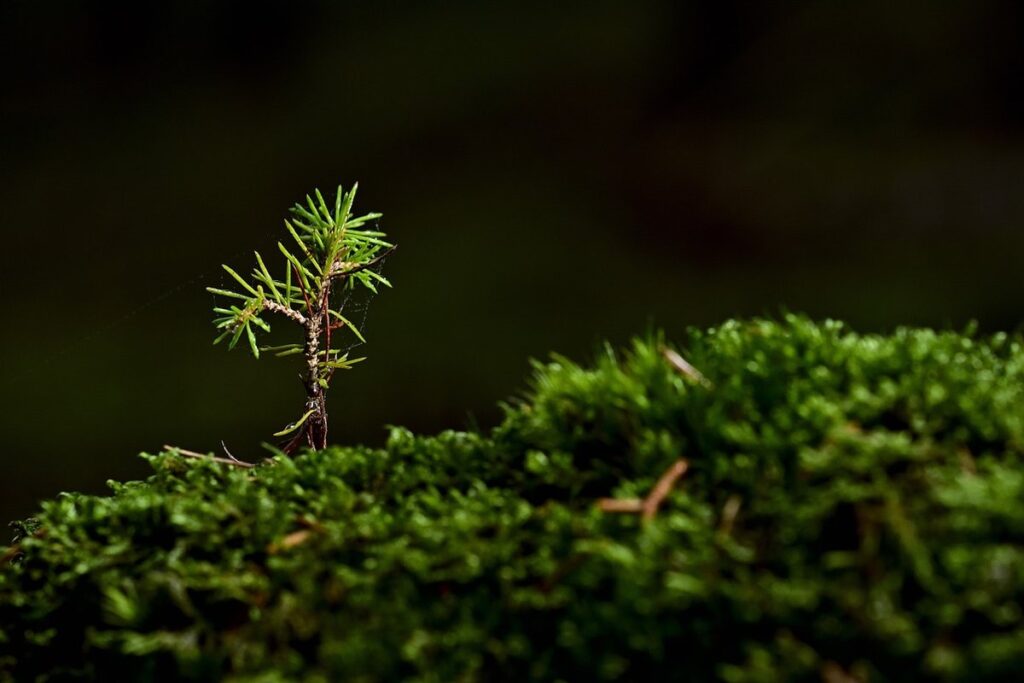
Understanding the Process of Germination and Development
Germination is the crucial first step where a dormant seed begins to grow, but it’s not the only fascinating process that takes place as an alder seed transforms into an apple tree seed. Let’s dive into what happens next.
Stages of Germination in Alder Seeds
Germination is an essential stage in the life cycle of alder seeds. It’s the process by which the seed begins to grow and develop into a young sapling. For alder seeds, germination typically occurs within 1-3 weeks after planting, depending on factors such as moisture, temperature, light exposure, and seed quality.
To initiate germination, alder seeds require adequate moisture. The ideal soil conditions for alter seeds are rich in organic matter and have a pH between 6.0 and 7.0. Water the soil gently but thoroughly to ensure the seed coat cracks. This is crucial as it allows the radicle (primary root) to emerge and begin its journey towards water.
Maintaining optimal temperatures is also vital for germination. Alder seeds typically thrive in temperatures ranging from 40°F to 70°F (4°C to 21°C). Avoid placing alder seeds near direct sunlight or extreme temperature fluctuations, as this can hinder the germination process.
As the seed coat cracks, it’s essential to provide adequate light exposure for the developing radicle. A moderate amount of indirect light can help promote healthy growth and development. With proper care, your alder seeds will begin their miraculous transformation into a thriving apple tree sapling.
Factors Influencing Seed Viability and Growth
When an alder seed is planted with the intention of transforming into a majestic apple tree, several external factors can either promote or hinder its growth. Soil quality plays a significant role in determining the success of germination and development. Alder seeds require well-draining, fertile soil rich in organic matter to establish themselves. If the soil lacks these essential components, it may lead to stunted growth or even prevent germination altogether.
Another critical factor is water availability. Adequate moisture is necessary for seed germination, but excessive watering can be detrimental. Apple trees prefer a consistent level of moisture, especially during their early stages. It’s crucial to ensure that the soil remains consistently moist but not waterlogged.
The pH levels in the soil also significantly impact alder seed growth. Most apple tree varieties thrive in slightly acidic to neutral soils with a pH between 6.0 and 7.0. Soil pH can be adjusted using organic matter or chemical treatments, but it’s essential to monitor and adjust accordingly.
Contaminants or pathogens in the soil can also hinder development. Pathogens like fungal diseases can spread rapidly, causing damage to young seedlings. Regular soil testing and proper sanitation practices can help minimize these risks.
The Journey from Alder to Apple Tree: A Botanical Perspective
As we delve into the incredible journey of alder seed transformation, let’s take a closer look at how it evolves into an apple tree, examining the botanical changes along the way.
Classification and Relationship Between Alder and Apple Trees
Alder and apple trees may seem worlds apart, but they share a fascinating botanical connection. As we delve into their evolutionary history, it becomes clear that these two species are more closely related than you might expect.
The alder tree (Alnus spp.) belongs to the birch family (Betulaceae), while the apple tree (Malus domestica) is part of the rose family (Rosaceae). However, research suggests that the common ancestor of both trees diverged from a shared lineage around 65-70 million years ago. This means that alder and apple trees share a common ancestor with many other plant species, including birches, roses, and plums.
One key area where we see their connection is in their genetic similarities. Studies have shown that the Malus domestica genome contains a significant amount of DNA from the Alnus genus. This shared genetic material suggests that there may have been gene flow between alder and apple trees at some point in their evolutionary history, leading to the transfer of beneficial traits.
This botanical connection is essential for understanding how alder seeds can give rise to apple tree seeds. By recognizing the common ancestry between these two species, we can better appreciate the miraculous transformation from one type of seed to another.
Key Differences in Seed Structure and Composition
When comparing alder and apple tree seeds, one of the most striking differences is their size. Alder seeds are significantly smaller than apple seeds, with an average length of about 1-2 cm (0.4-0.8 in). In contrast, apple seeds can range from 1.5 to 3 cm (0.6-1.2 in) in length.
Another notable difference is the shape and weight of the two types of seeds. Alder seeds have a wing-like structure that helps them disperse via wind, whereas apple seeds are more rounded and heavier, with a hard seed coat that aids in water retention.
In terms of composition, both alder and apple tree seeds contain an embryo, but they differ significantly when it comes to the presence or absence of endosperm. Apple seeds have a rudimentary endosperm, which provides some nutrition during germination, whereas alder seeds lack a true endosperm altogether. This difference in seed structure contributes to their unique growth patterns and may influence the way they adapt to different environments.
The contrast between these two types of seeds highlights the complex process involved in plant reproduction and development, emphasizing that even within the same family, species-specific characteristics can lead to distinct outcomes.
Environmental Factors Affecting Alder Seed to Apple Tree Transformation
As we explore the extraordinary journey of alder seeds transforming into apple trees, let’s examine how environmental factors play a crucial role in this process. From climate conditions to soil quality, every factor matters.
Climate Change Impacts on Plant Development
Climate change is drastically altering plant development, and its effects are being felt in every corner of the globe. When it comes to the transformation of alder seeds into apple trees, climate change poses significant challenges. Temperature fluctuations, for instance, can disrupt the delicate balance of dormancy and growth required for successful germination and seedling establishment.
Increased CO2 levels also play a crucial role, as they can lead to faster growth rates but may also compromise root development. Altered precipitation patterns further complicate matters by causing drought stress or excessive moisture, both of which can impede seedling survival and stifle fruit production. For example, research conducted in California’s Central Valley found that apple tree yields decreased by up to 20% due to increased temperatures.
As you attempt to facilitate the transformation of alder seeds into apple trees, it is essential to consider these climate-driven factors. By selecting cultivars resilient to temperature fluctuations and implementing practices that mitigate drought stress, such as drip irrigation, you can promote healthier seedlings and stronger trees. By doing so, you’ll be better equipped to capitalize on the miraculous potential of this remarkable plant transformation process.
Soil Conditions and Nutrient Availability for Successful Growth
When alder seeds begin their remarkable transformation into apple trees, soil conditions play a crucial role in supporting their growth. The availability of essential nutrients, pH levels, and other environmental factors all contribute to the health and development of these young seedlings.
Nitrogen, phosphorus, and potassium are among the key nutrients required for healthy plant growth. Alder seeds, in particular, require a balanced mix of these macronutrients during their early stages of development. A lack of nitrogen can hinder root growth and leaf expansion, while phosphorus deficiencies can affect fruit production down the line. Potassium, on the other hand, helps maintain overall plant health by regulating water balance and stress resistance.
The ideal pH range for apple trees is between 6.0 and 7.0, slightly acidic to neutral. However, young alder seedlings can tolerate a wider pH range, typically from 5.5 to 8.0. To ensure optimal growth, it’s essential to test your soil pH levels and adjust them accordingly using organic amendments like compost or lime.
In addition to nutrient availability and pH levels, other factors such as light exposure, water quality, and temperature fluctuations also impact the transformation of alder seeds into thriving apple trees. By creating a favorable environment that meets their specific needs, you can increase the chances of successful growth and set your young trees up for long-term success.
Horticultural Practices for Alder Seed Germination and Apple Tree Cultivation
To successfully cultivate a healthy apple tree from an alder seed, you’ll want to learn the best horticultural practices for germinating your seeds and nurturing them into mature trees. This section covers those essential techniques.
Techniques for Enhancing Alder Seed Germination Rates
When it comes to enhancing alder seed germination rates, several pre-treatment procedures can significantly improve outcomes. Water soaking is a simple yet effective method that involves submerging seeds in water for 24-48 hours before sowing. This helps to rehydrate the seeds and reduce dormancy periods.
Another technique is scarification, which involves lightly scratching or nicking the seed coat to encourage germination. A sharp knife or sandpaper can be used to carefully make a small incision on the surface of the seed.
In addition to pre-treatment procedures, optimal sowing depth also plays a crucial role in promoting healthy germination. Alder seeds typically require light to germinate and prefer shallow sowing depths, typically between 1/8 inch and 1/4 inch deep. A well-draining seed starting mix can help prevent waterlogging and promote even moisture levels.
By combining these techniques with proper storage and handling of alder seeds, you can reduce dormancy periods and increase the chances of successful germination. With patience and attention to detail, it’s possible to transform a small alder seed into a thriving apple tree sapling.
Cultural Requirements for Apple Tree Maturation
As your apple tree grows from sprout to mature fruit-bearing tree, it’s essential to provide the right conditions for optimal growth and development. Pruning techniques play a crucial role in shaping the tree’s structure and promoting healthy growth. Thin out weak branches and remove any suckers or water sprouts that may arise, allowing sunlight to reach the remaining fruiting branches.
Training methods such as central leader, open center, or espalier can help control the tree’s size and promote even fruit distribution. Fertilize your apple tree annually with a balanced mix of nitrogen, phosphorus, and potassium, following the manufacturer’s instructions for application rates and timing.
To ensure healthy fruit production, it’s vital to manage pests and diseases effectively. Regularly inspect your tree for signs of infestation or infection, and take action promptly by using integrated pest management (IPM) strategies that combine physical barriers, biological controls, and targeted pesticides as needed. This proactive approach will help you maintain a thriving apple tree and enjoy a bountiful harvest.
Comparative Analysis of Alder Seed and Apple Tree Morphology
Let’s dive into the fascinating world of alder seed and apple tree morphology, where their similarities and differences will be unveiled. This comparative analysis will highlight striking contrasts in growth patterns and physical characteristics.
Comparative Study of Leaf Structure and Function
When it comes to the miraculous transformation of an alder seed into a mature apple tree, one of the most fascinating aspects is the drastic change in leaf morphology and function. As we delve into this process, let’s examine the differences between the leaves of these two trees.
Alder trees (Alnus glutinosa) have smaller, elliptical-shaped leaves with serrated edges, typically measuring 2-5 cm long. In contrast, apple tree (Malus domestica) leaves are larger, often reaching lengths of up to 8 cm and displaying a more rounded shape. This significant size difference hints at the increased photosynthetic capacity required by the mature apple tree.
Stomatal density also varies significantly between these two species. Alder tree leaves boast around 25 stomata per square millimeter, while apple tree leaves have roughly half that number (around 12-15 stomata/mm²). This decrease in stomatal density may suggest a more efficient gas exchange process in apple trees.
Photosynthetic efficiency is another area where alder and apple trees diverge. Research indicates that apple trees exhibit higher photosynthetic rates, with some studies showing up to 50% greater carbon fixation capacity than alder trees. These differences in leaf structure and function likely contribute to the significant variation in growth rates observed between these species.
For instance, an apple tree can reach maturity in around 5-7 years under optimal conditions, while an alder tree may take twice as long to achieve similar stature. This disparity highlights the remarkable adaptive transformations that occur during the miraculous transition from alder seed to mature apple tree.
Conclusion: Integrating Biological Understanding with Horticultural Practice
Now that we’ve explored the incredible journey of alder seed to apple tree, let’s talk about how to apply this new understanding in your own gardening practice.
Synthesizing Knowledge for Better Plant Management
As you’ve navigated this remarkable journey from alder seed to mature apple tree, it’s time to synthesize our understanding of this process and apply it to improve plant management strategies. By integrating biological knowledge with practical horticultural advice, growers can optimize their techniques for maximum efficiency and fruitfulness.
One key takeaway is that growth patterns are influenced not only by environmental factors like climate, soil quality, and light exposure but also by human interventions such as pruning, grafting, and training. For instance, apple trees grown from alder seeds would require extensive pruning to control their vigorous growth, promoting a balanced canopy and encouraging fruit production.
Consider the example of orchardist John Bunker, who successfully grows over 1,000 apple varieties on his farm in Maine. He employs a combination of grafting and training techniques to coax even the most reluctant trees into producing high-quality fruit. By carefully selecting rootstocks and scions based on their unique characteristics, Bunker can optimize tree performance and adapt to changing environmental conditions.
To apply this knowledge to your own plant management strategies, follow these practical tips:
* Monitor soil quality and adjust fertilization accordingly
* Prune apple trees annually to promote a balanced canopy and encourage fruit production
* Experiment with grafting and training techniques to improve tree performance and adaptability
* Record weather patterns, temperature fluctuations, and other environmental factors to inform your decision-making
By embracing the complexities of plant growth and development, growers can unlock new levels of productivity, resilience, and flavor in their crops.
Frequently Asked Questions
What are some common mistakes to avoid when attempting to grow an apple tree from an alder seed?
Be cautious of overwatering, as excessive moisture can lead to rot and poor germination rates. Additionally, ensure the soil has proper drainage and aeration to facilitate healthy root development.
Can I speed up the germination process by using specialized equipment or techniques?
Yes, some methods like stratification or cold treatment may enhance germination rates, but be aware that altering natural processes can also introduce variables affecting seed viability and tree growth patterns. Use these techniques judiciously and consider factors specific to your environment.
How do I know if my alder seeds are suitable for apple tree cultivation?
Factors such as seed quality, storage conditions, and handling practices significantly influence germination rates. Optimize storage environments by maintaining consistent temperatures between 32°F (0°C) and 45°F (7°C), keeping seeds away from direct sunlight and moisture fluctuations.
Are there any specific nutrients or amendments that I should add to the soil for optimal growth?
Nutrient availability is indeed crucial, but be mindful of over-fertilization as this can cause imbalance in soil chemistry. Incorporate balanced fertilizers and avoid excessive nutrient application until you’ve observed healthy seedling development and established a robust root system.
Can alder seeds successfully germinate indoors with proper conditions, or do they require outdoor environments?
While controlled indoor settings can provide optimal conditions for germination, consider the long-term implications on tree growth. If possible, simulate natural sunlight exposure and temperature fluctuations to prepare seedlings for outdoor cultivation, ultimately promoting resilience in mature trees.