
Are you tired of watching your fresh basil go to waste? Not only does it add flavor and aroma to many dishes, but it can be expensive to buy in large quantities. That’s where freezing comes in – a simple and effective way to preserve the flavor and aroma of this versatile herb. By learning how to freeze basil correctly, you’ll be able to enjoy its unique taste and fragrance all year round. In this article, we’ll explore expert tips on storage techniques, show you how to maximize flavor, and provide ideas for using frozen basil in your favorite recipes. With these easy-to-follow steps, you’ll never have to worry about a lack of fresh basil again – and your cooking will thank you!
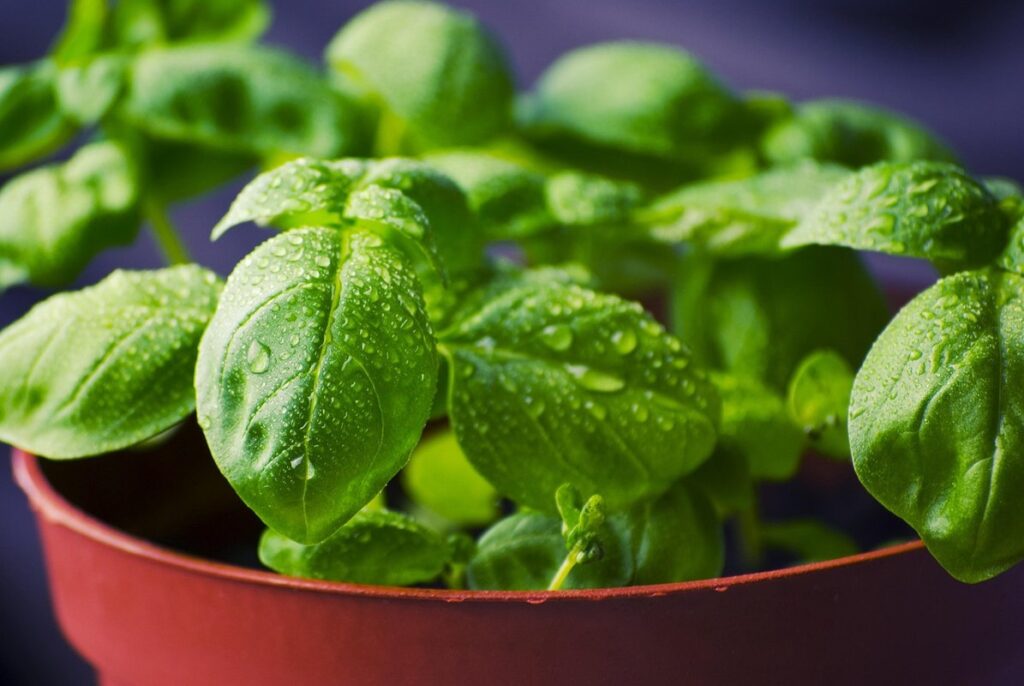
Benefits and Importance of Freezing Basil
Freezing basil is more than just a preservation method, it’s also a way to unlock its full flavor potential and save you money on fresh herbs throughout the year. Let’s dive into the benefits.
Introduction to Freezing Basil
Freezing basil is an excellent way to preserve its vibrant flavor and aroma, making it easy to enjoy this delicious herb throughout the year. When you freeze basil, you lock in its essential oils, which are responsible for its distinctive taste and fragrance. This preservation method allows you to use frozen basil in a variety of recipes, from pesto sauces to soups and salads.
One of the best things about freezing basil is that it’s incredibly simple. All you need to do is chop the leaves finely, spread them out on a baking sheet, and place them in the freezer. Once frozen, transfer the basil to an airtight container or freezer bag for long-term storage. Frozen basil can be used directly from the freezer, making it perfect for adding a burst of fresh flavor to your dishes.
To make the most of frozen basil, consider using it as a base for homemade pesto sauces, or mix it into soups and stews for added depth of flavor. You can also use it as a garnish or add it to salads for a pop of color and fragrance. With frozen basil on hand, you’ll never be without the fresh taste of this popular herb again.
Extending Shelf Life with Proper Storage Techniques
When you’ve taken the time to carefully prepare and freeze your basil, it’s essential to store it properly to maintain its quality and extend its shelf life. The key is to use air-tight containers or freezer bags that can prevent freezer burn and other forms of spoilage.
For optimal results, it’s recommended to transfer your frozen basil to an airtight container or freezer bag within 3-4 months of freezing. This will help maintain the flavor, aroma, and texture of the herb. Be sure to label the containers or bags with the date you froze them, so you can easily keep track of how long they’ve been in storage.
When selecting containers or bags for storing your frozen basil, look for ones that are specifically designed for freezer use. These products are typically made from durable materials that can withstand freezing temperatures without compromising their integrity. Some popular options include glass jars with tight-fitting lids and heavy-duty freezer bags.
Tips for Maximizing Flavor and Aroma
When you freeze basil, its vibrant flavor and aroma can be preserved for months to come. To maximize the flavor and aroma of frozen basil, consider using ice cube trays instead of airtight containers. The small size of each cube allows for easy addition to soups, sauces, or other dishes without having to thaw the entire container.
Flash freezing is another technique that helps preserve the flavor and aroma of basil. This method involves rapidly freezing the leaves at extremely low temperatures to prevent the formation of ice crystals, which can damage the delicate compounds responsible for the herb’s characteristic taste and smell. To achieve flash freezing, simply spread a single layer of basil leaves on a baking sheet lined with parchment paper and place it in the freezer until frozen solid.
Before using your frozen basil, be sure to label each cube or container so you know what you have stored away. This way, you can easily grab the perfect amount for your next culinary project.
Preparing Basil for Freezing
To successfully freeze basil, you’ll need to properly prepare it first, and that’s exactly what we’re going to cover next. This crucial step ensures your frozen basil remains vibrant and flavorful.
Choosing the Right Type of Basil
When it comes to choosing the right type of basil for freezing, you have several options. Sweet basil is one of the most popular and widely used varieties, known for its bright, citrusy flavor. It’s a great choice for freezing because it retains its aroma and flavor well when frozen. In fact, sweet basil is often considered the best variety for freezing due to its robust flavor profile.
On the other hand, Thai basil has a more delicate flavor with hints of licorice and spice. While it can be frozen, it’s not as suitable as sweet basil because it can become bitter or develop off-flavors when thawed. Italian basil, also known as Genovese or Genoa basil, is another popular variety that freezes well. It has a slightly sweeter flavor than sweet basil but less of the pungency.
When selecting basil for freezing, look for fresh, vibrant leaves with no signs of wilting or yellowing. Consider growing your own sweet basil plant, which will give you access to an endless supply of fresh leaves for freezing.
Harvesting and Cleaning the Basil Leaves
When harvesting basil for freezing, it’s essential to do so at the right time. Basil leaves are typically at their peak flavor and aroma just before blooming. To check if your basil is ready, gently pinch off a leaf; if it comes off easily, it’s time to harvest.
Begin by cutting off individual stems with scissors or pruning shears about an inch above the node (where the stem meets the plant). This will encourage new growth and prevent the entire plant from flowering prematurely. Next, gently wipe each stem with a clean cloth or paper towel to remove any dirt or debris.
To ensure your basil leaves are free of excess moisture before freezing, lay them out on a wire rack or tray lined with parchment paper. Allow them to air dry for 2-3 hours or until the leaves feel slightly brittle to the touch. This step helps prevent the growth of off-flavors and mold during the freezing process.
Once your basil is clean and dry, you’re ready to freeze it.
Blanching vs. Flash Freezing: What’s Best?
When it comes to preserving basil for future use, two popular methods stand out: blanching and flash freezing. While both techniques can help retain the herb’s flavor and nutrients, they differ significantly in their approach.
Blanching involves briefly submerging basil leaves in boiling water or steam, followed by rapid cooling. This method helps break down cell walls, making it easier to preserve the herb. The quick heat shock also inactivates enzymes that could cause spoilage. For example, blanching is ideal for preserving delicate herbs like basil, as it prevents their essential oils from evaporating.
Flash freezing, on the other hand, involves rapidly freezing the basil leaves without any prior preparation. This method locks in the herb’s natural flavors and textures, making it perfect for preserving larger quantities or using as a convenience option. However, flash freezing may not be as effective for delicate herbs like basil, as the sudden temperature change can cause cellular damage.
Ultimately, your choice between blanching and flash freezing will depend on your specific needs and preferences. If you want to preserve large quantities of basil for future use, flash freezing might be a better option. However, if you’re looking to preserve smaller amounts or prioritize retaining delicate flavors, blanching is the way to go.
The Freezing Process
Now that you’ve prepared your basil, it’s time to freeze it. In this next step, we’ll walk you through the freezing process and how to do it perfectly every time.
Using Ice Cube Trays for Easy Portion Control
Using ice cube trays is an excellent way to freeze individual portions of basil, making it easy to add to recipes later. This method allows you to portion out the perfect amount of basil for a specific recipe, eliminating the need to thaw and re-freeze large quantities.
To use ice cube trays for freezing basil, start by rinsing the leaves and patting them dry with a paper towel. Next, pack the leaves tightly into an ice cube tray, making sure to leave about 1/4 inch of space between each cube. This will allow the frozen cubes to expand without breaking the cube.
Once the basil is packed into the trays, place them in the freezer and let them freeze for at least 2 hours or overnight. To use the frozen basil cubes, simply pop one out of the tray and add it to your recipe as you would fresh basil. The frozen basil will retain its flavor and aroma, making it perfect for adding a burst of freshness to soups, sauces, and other dishes.
This method is especially useful when working with large quantities of basil or planning ahead for future meals. Simply freeze the cubes in airtight containers or freezer bags and store them in the freezer for up to 6 months.
Freezer Bag Methods for Bulk Freezing
To bulk freeze basil leaves or stems using freezer bags is an efficient method for preserving large quantities. Begin by washing and drying the basil as described earlier to remove excess moisture. Next, carefully place a single layer of basil leaves or stems into the freezer bag, making sure not to overcrowd it. Seal the bag tightly, ensuring all air has been removed before sealing.
Labeling the bags with their contents, date, and any relevant notes is crucial for maintaining organization. This information will help you easily identify what’s inside each bag when you need to thaw a specific batch. Consider using colored labels or markers to differentiate between various batches of frozen basil. Store these bags in the freezer at 0°F (-18°C) or below.
For optimal storage, it’s essential to remove as much air from the bag as possible before sealing. You can also use the vacuum sealer method for more efficient removal of air. When you’re ready to thaw a batch, simply transfer the desired amount to an airtight container and store it in the refrigerator or at room temperature.
Tips for Maintaining Quality During the Freeze-Thaw Cycle
To minimize damage during the freeze-thaw cycle, it’s essential to follow some simple yet crucial steps. First and foremost, make sure you’re using airtight containers to store your frozen basil. A vacuum sealer or a container with a tight-fitting lid can help prevent air from entering the container, which can cause freezer burn and damage to the leaves.
Another critical step is to avoid overcrowding the container. This can lead to the formation of ice crystals that can puncture the leaves and cause them to become mushy. To prevent this, freeze the basil in small portions or use individual ice cube trays. Not only will this help maintain the quality of your frozen basil, but it’ll also make it easier to portion out when you’re ready to use it.
When thawing the basil, do so slowly and gently by leaving the container in the refrigerator overnight. Avoid microwaving or rapid thawing, as this can cause the leaves to become limp and unappetizing. By following these tips, you’ll be able to maintain the quality of your frozen basil throughout the freeze-thaw cycle.
Using Frozen Basil in Recipes
Now that you have a stash of frozen basil, let’s explore some creative ways to use it in your favorite recipes and discover new flavors to love. From pesto sauces to summer salads.
Adding Frozen Basil to Soups and Sauces
Adding frozen basil to soups and sauces is a game-changer for adding depth and brightness to these dishes. When using frozen basil in soups, start by thawing it first to release its full flavor potential. You can add the thawed basil towards the end of cooking time so that its delicate flavor doesn’t get lost in the pot. For example, try adding a spoonful of frozen basil to a simmering minestrone or creamy tomato soup for an instant boost.
When making sauces, use frozen basil as a substitute for fresh in many cases. Simply chop the frozen basil and sauté it with garlic, onions, and olive oil before adding your liquid ingredients. For a classic pesto sauce, combine 1/4 cup of chopped frozen basil with 3 cloves of minced garlic, 1/2 cup of pine nuts, 1/2 cup of grated Parmesan cheese, and 1/4 cup of olive oil. Taste and adjust the seasoning as needed to balance out the flavors.
Remember that frozen basil can be quite potent, so a little goes a long way. Start with small amounts and add more to taste, rather than overpowering your dish with too much herb flavor.
Incorporating Frozen Basil into Salads and Marinades
One of the greatest benefits of freezing basil is its convenience. When you have frozen basil on hand, you can incorporate it into a variety of dishes at a moment’s notice. One of the easiest ways to use up frozen basil is by adding it to salads.
Simply thaw the desired amount and chop or mince it before mixing it in with your favorite greens. The result will be a burst of fresh flavor that’s both surprising and delightful. For example, try combining chopped frozen basil with sliced strawberries, crumbled feta cheese, and toasted almonds for a sweet and savory summer salad.
Frozen basil also makes an excellent addition to marinades. Its concentrated flavor allows it to quickly infuse into oils, vinegars, and other liquids. Try mixing thawed frozen basil with olive oil, lemon juice, garlic, and salt to create a simple but effective vinaigrette for grilling meats or roasting vegetables.
Using Frozen Basil in Baked Goods and Desserts
Frozen basil may seem like an unconventional ingredient for baked goods and desserts, but trust us, it’s a game-changer. The bright, herbaceous flavor of basil pairs surprisingly well with sweet ingredients like sugar, honey, and cream. One popular way to use frozen basil is in lemon bars – simply thaw the basil and mix it into your favorite lemon bar dough along with some grated lemon zest for added brightness.
You can also make a show-stopping pesto ice cream by blending frozen basil with heavy cream, Parmesan cheese, garlic, and lemon juice. The result is a creamy, herby ice cream that’s perfect for hot summer days or as a unique dessert for special occasions. To take your pesto ice cream to the next level, consider adding some chopped fresh mint or basil leaves on top for a pop of color and added flavor.
When using frozen basil in baked goods and desserts, be sure to thaw it first by leaving it at room temperature for a few hours or microwaving it for a few seconds. This will help bring out its full flavor potential. Experiment with different combinations of sweet and savory ingredients to create unique and delicious treats that showcase the versatility of frozen basil.
Troubleshooting Common Issues with Freezing Basil
Don’t let a batch of frozen basil turn into mush before you’ve even had a chance to use it! We’ll walk you through common issues and their easy solutions.
Overpowering Flavors and Aromas
When freezing basil, some users may experience overpowering flavors and aromas that overwhelm their dishes. This can be due to several factors such as over-processing the basil during the freezing process, using too much frozen basil, or not balancing it with other ingredients.
To avoid this issue, it’s essential to freeze basil in a way that preserves its delicate flavor profile. One solution is to chop or tear the basil leaves into smaller pieces before freezing them. This will help release some of the oils and prevent overpowering flavors when added to your recipes.
Another approach is to use frozen basil in combination with other herbs and spices that complement its flavor. For example, pairing it with lemon juice or zest can create a more balanced taste experience. You can also try using frozen basil as a finishing touch by adding it towards the end of cooking time, allowing the flavors to meld together harmoniously.
Experimenting with different proportions of basil to other ingredients will help you find the perfect balance for your dishes.
Texture and Consistency Problems
When thawing frozen basil, you may encounter texture and consistency problems that can affect its appearance and usability in recipes. One common issue is excess moisture, which can cause the basil to become soggy or watery. To prevent this, it’s essential to adjust the water content before freezing. A general rule of thumb is to chop fresh basil leaves just before freezing, as this helps to release excess moisture.
Another problem that may arise is a lack of texture, resulting in limp or brittle frozen basil. This can be addressed by adjusting the temperature during the freezing process. Freezing at 0°F (-18°C) or below is crucial for maintaining the texture and structure of the basil. To ensure optimal texture, it’s also recommended to freeze small portions (about 1-2 tablespoons) on a flat surface using a single layer.
By taking these simple precautions, you can enjoy perfectly textured frozen basil throughout the year. If you do experience texture issues, try experimenting with different freezing temperatures or techniques to find what works best for your specific situation.
Conclusion and Final Tips
Now that you’ve learned how to freeze basil successfully, let’s review the key takeaways and provide some final tips for achieving optimal flavor and texture.
Recap of Key Takeaways
Freezing basil can be a bit tricky, but with our comprehensive guide, you’re now equipped to preserve this fragrant herb and enjoy it all year round. Let’s recap the key takeaways:
When freezing basil, it’s essential to choose the right method: blanching or flash freezing. Blanching helps retain the herb’s flavor and color, while flash freezing preserves its texture. To blanch, submerge basil leaves in boiling water for 10-15 seconds, then immediately plunge them into an ice bath. For flash freezing, place basil leaves on a baking sheet lined with parchment paper and put it in the freezer.
Make sure to package frozen basil properly: airtight containers or freezer bags will help prevent freezer burn and maintain flavor. Label and date your packages for easy identification later. When using frozen basil, simply thaw what you need and use it as you would fresh basil. Remember that frozen basil is best used in cooked dishes, such as soups, sauces, and pesto.
By following these tips, you’ll be able to enjoy the flavor of fresh basil all year round.
Encouraging Experimentation and Creativity
As you now have the knowledge and confidence to freeze basil like a pro, it’s time to get creative with this incredible ingredient. Encouraging experimentation and creativity is key to unlocking the full potential of frozen basil. Think beyond adding it to pesto or caprese salads – the possibilities are endless.
Try using frozen basil in soups, stews, and braises for added depth of flavor. Infuse olive oil with frozen basil leaves for a fragrant finishing touch on pizzas or pasta dishes. You can even blend frozen basil into smoothies or juices for a refreshing twist.
To encourage experimentation, start by setting aside a small container to store your frozen basil in the fridge. As you freeze more batches, use them to create new recipes and flavor combinations. Don’t be afraid to combine frozen basil with other herbs, spices, and ingredients to discover unique flavors. And remember, the beauty of freezing basil is that it preserves its vibrant color and aroma – so don’t be shy about using it as a garnish or adding it to sauces for an instant burst of freshness.
Experimenting with frozen basil will not only keep your meals exciting but also ensure you make the most out of this incredible ingredient. So go ahead, get creative, and enjoy the flavorful journey!
Frequently Asked Questions
Can I freeze basil leaves with stems attached?
Yes, you can freeze basil leaves with stems attached. In fact, the stems will help to preserve the leaves’ texture and prevent them from becoming mushy during the freezing process.
How long does frozen basil typically last in a home freezer?
Frozen basil can last for up to 12 months in a home freezer when stored properly in airtight containers or freezer bags. However, its quality may degrade over time, so it’s best to use it within 6-8 months for optimal flavor and aroma.
Can I freeze basil with other herbs or ingredients together?
Yes, you can mix basil with other herbs like parsley, rosemary, or thyme to create a unique blend of flavors. You can also add aromatics like garlic or lemon zest to enhance the basil’s taste. Just be sure to label the containers correctly so you know what you have.
How do I prevent frozen basil from becoming waterlogged and losing its flavor?
To prevent frozen basil from becoming waterlogged, make sure to remove as much air as possible from the container or freezer bag before sealing it. You can also press the leaves gently to extract excess moisture.
Can I use frozen basil in cooked dishes like soups, stews, and casseroles without thawing it first?
Yes, you can add frozen basil directly to cooked dishes without thawing it first. The heat from cooking will help to release its flavors and aromas. Just be sure to adjust the seasoning accordingly to balance out the basil’s potency.