
Are you looking to breathe in some fresh air and clear your mind? Fragrant plants are not only a delight for our senses, but they also play a crucial role in purifying the air we breathe. By choosing the right fragrant plants, you can create a stress-free oasis in both your indoor and outdoor spaces. But with so many options available, how do you know which ones to choose? In this article, we’ll guide you through the process of selecting, caring for, and utilizing these air-purifying wonders. From watering and fertilizing tips to pruning and propagation advice, we’ll cover everything you need to know to bring the sweet scent of fragrant plants into your life. Whether you’re a seasoned gardener or a beginner, get ready to discover the many benefits of incorporating fragrant plants into your space.
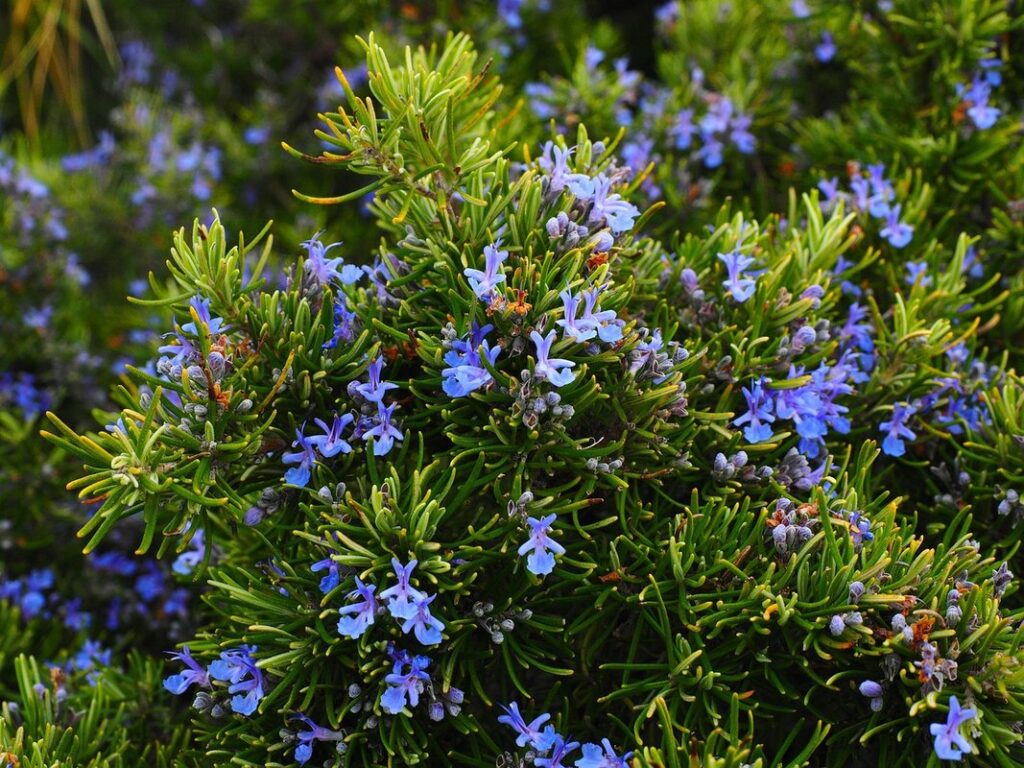
Choosing Fragrant Plants for Your Garden
When it comes to creating a fragrant garden, selecting plants that release pleasant aromas is key. This selection will help you choose the most fragrant and suitable options for your outdoor space.
Selecting Plants Based on Climate and Soil Type
When selecting fragrant plants for your garden, it’s essential to consider the local climate and soil type. This may seem obvious, but many gardeners overlook this crucial factor, resulting in struggling or dying plants. To avoid this, you’ll want to choose plants that thrive in your specific conditions.
Start by determining your Hardiness Zone, which indicates the average annual extreme minimum temperature for your area. This will help narrow down the selection of fragrant plants suitable for your garden. For example, if you live in a hot and dry climate like Southern California, opt for drought-tolerant plants like Gardenias or Freesia, which are native to Mediterranean regions.
Next, consider your soil type. Fragrant plants can thrive in various soils, but some prefer specific conditions. For instance, Lavender prefers well-draining soil and full sun, while Hyacinths do best in moist, fertile soil with partial shade. Research the specific needs of each plant you’re interested in and choose ones that match your garden’s unique characteristics.
By selecting plants tailored to your climate and soil type, you’ll be more likely to create a fragrant and resilient garden. Remember, it’s better to start with a smaller selection of suitable plants rather than risking more expensive failures.
Popular Fragrant Flowers for Outdoor Gardens
When it comes to creating a fragrant outdoor garden, there are countless options to choose from. Let’s start with some of the most popular and fragrant flowers that thrive in our gardens. Roses are a classic choice, but did you know they come in over 150 different species? With proper care and maintenance, roses can bloom continuously throughout the growing season.
Lavender is another favorite among gardeners, and for good reason – its sweet, calming scent is perfect for creating a serene atmosphere. Peonies, with their showy blooms and intoxicating fragrance, are also a popular choice. These flowers are relatively low-maintenance, requiring only full sun and well-draining soil to thrive.
In addition to these standouts, consider incorporating fragrant blooms like gardenias, jasmine, and honeysuckle into your outdoor space. Not only will they add an extra layer of scent to your garden, but they’ll also attract pollinators and other beneficial insects. To keep your fragrant flowers at their best, be sure to deadhead regularly, prune them back after blooming, and fertilize annually with a balanced plant food.
Indoor Fragrant Plants: Benefits and Best Options
If you’re looking to add a touch of freshness to your indoor space, we’ve got you covered. This section will explore the benefits of bringing fragrant plants indoors and highlight some top picks for maximum impact.
Air Purification and Stress Relief
Indoor spaces can often feel stale and stagnant, especially when it comes to air quality. This is where fragrant plants come into play. Not only do they add a pop of color and vibrancy to any room, but they also have the power to purify the air we breathe. Some studies suggest that indoor plants are capable of removing up to 87% of airborne toxins in just 24 hours.
When it comes to stress relief, fragrant plants can be especially beneficial. Certain scents like lavender and jasmine have been shown to promote relaxation and reduce anxiety levels. By incorporating these plants into your indoor space, you can create a calming oasis that promotes both physical and mental well-being.
Some of the best fragrant plants for indoor spaces include peace lilies, snake plants, and geraniums. These plants are not only low-maintenance but also release powerful scents that can be enjoyed throughout the day. When selecting fragrant plants, consider the specific scent you’re looking to achieve – whether it’s a calming lavender or an uplifting citrus.
Low-Maintenance Indoor Fragrant Plants
When it comes to bringing fragrance into your indoor space without breaking a sweat, low-maintenance fragrant plants are the way to go. You don’t need a green thumb to enjoy the benefits of scented plants – just a few simple care tips and some patience.
Consider adding snake plants (Sansevieria Trifasciata) or spider plants (Chlorophytum comosum) to your indoor garden. These two plants are not only low-maintenance but also produce lovely, sweet fragrances when their leaves are touched or their flowers bloom. Snake plants have a strong, earthy scent, while spider plants give off a light, floral aroma.
To keep these plants thriving with minimal care:
* Water them sparingly, allowing the soil to dry slightly between waterings
* Provide bright, indirect light (east- or west-facing windows work well)
* Fertilize them once a month during the growing season (spring and summer)
Caring for Fragrant Plants: Tips and Tricks
To keep your fragrant plants thriving, it’s essential to provide them with proper care, which includes watering, pruning, and fertilizing techniques tailored to their specific needs. Here are some expert tips to get you started.
Watering and Fertilization
When it comes to caring for fragrant plants, watering and fertilization are crucial aspects that can make all the difference. Fragrant plants generally prefer well-draining soil and moderate watering. Overwatering is a common mistake that can lead to root rot, fungal diseases, and even death. To avoid this, check the soil moisture by inserting your finger into the soil up to the first knuckle. If it feels dry, it’s time to water.
The frequency of watering depends on the plant species, climate, and humidity levels. For example, lavender and rosemary require more frequent watering than herbs like mint or thyme. Fertilization is also vital for fragrant plants. Use a balanced, water-soluble fertilizer during the growing season (spring-fall). Dilute the fertilizer to half the recommended strength to avoid burning your plant’s roots.
Avoid fertilizing in winter months when most fragrant plants are dormant. Instead, repot your plants with fresh potting mix and add a small amount of compost for long-term fertility. Keep in mind that overfertilization can lead to weak growth, reduced fragrance, and even pest infestations.
Pruning and Deadheading
Pruning and deadheading are two essential practices for promoting healthy growth and encouraging new blooms on fragrant plants. Regular pruning helps to maintain a plant’s shape, controls its size, and encourages bushy growth, which leads to more blooms and fragrance. For instance, lavender requires regular pruning to prevent it from becoming leggy and promote more flowers.
Deadheading is another crucial step in maintaining fragrant plants. It involves removing spent flowers or seed pods, which can help redirect the plant’s energy towards producing new blooms rather than seeds. This process not only keeps your plant looking tidy but also encourages repeat flowering. For example, roses and peonies benefit greatly from deadheading, as it stimulates them to produce more fragrant flowers.
To get started with pruning and deadheading, remember to remove any dead or damaged branches first. Then, trim back overgrown stems to about one-third of their length, making clean cuts just above a leaf node. For deadheading, simply snip off the spent flower head at the base of the stem using scissors or pinch off the individual blooms with your fingers. Regular pruning and deadheading will not only keep your fragrant plants looking their best but also ensure they continue to produce plenty of scented blooms throughout the growing season.
Fragrant Plant Uses: Culinary, Medicinal, and Decorative
You’ve probably thought of using fragrant plants for decoration, but did you know they’re also incredibly versatile in cooking and medicine? Let’s explore some surprising uses.
Edible Flowers and Herbs
Edible flowers and herbs add an extra layer of fragrance to our culinary creations. Not only do they provide a burst of flavor and color, but many are also packed with nutrients and medicinal properties. When using fragrant flowers and herbs in cooking, it’s essential to choose varieties that are safe for consumption.
Rose petals, violas, pansies, lavender, and hibiscus are popular choices for adding fragrance and visual appeal to dishes. You can use them in salads, as garnishes, or even infuse them into oils, vinegars, or teas. For example, try using rose petal jam as a topping for yogurt or ice cream.
To get started, consider the flavor profiles of different edible flowers and herbs. Lemon balm pairs well with fish, while lavender complements lamb or vegetables. Don’t be afraid to experiment and combine different fragrances to create unique flavors.
When harvesting edible flowers, ensure they are free of pesticides and other chemicals. Wash them gently before using.
Aromatherapy and Skincare
When it comes to fragrant plants, their benefits extend far beyond just adding a pleasant scent to our surroundings. Many of these plants have been used for centuries in aromatherapy and skincare products due to their medicinal and skin-nourishing properties.
For instance, lavender is renowned for its calming effects, making it a popular ingredient in sleep-promoting potions and skincare creams. Its antiseptic and anti-inflammatory properties also make it an effective treatment for acne-prone skin. Rose petals, on the other hand, are rich in antioxidants and vitamins that help to soften and brighten the complexion.
You can harness these benefits by incorporating fragrant plants into your skincare routine or by using their essential oils in aromatherapy practices. Try making a lavender face mask by mixing dried lavender flowers with honey and yogurt, or use rose geranium oil to soothe skin irritations. By tapping into the medicinal properties of fragrant plants, you can not only enjoy their pleasant scents but also reap their rewards for your skin’s health and wellbeing.
Fragrant Plant Maintenance: Pest Control and Diseases
To keep your fragrant plants thriving, it’s essential to protect them from pests and diseases that can quickly ruin their scent and beauty. Regular maintenance is key to preventing these issues.
Common Pests and Diseases
As a fragrant plant enthusiast, it’s essential to be aware of common pests and diseases that can affect these beautiful plants. Aphids, for instance, are notorious for feeding on sap, causing curled or distorted leaves and stunted growth. These tiny insects can reproduce rapidly, so it’s crucial to catch them early before they spread.
Root rot is another significant concern for fragrant plant owners. This fungal disease often develops when roots are waterlogged or exposed to poor air circulation. To prevent root rot, ensure your pot has proper drainage holes and avoid overwatering your plants. Some plants like peace lilies and gerbera daisies are more prone to root rot than others.
To combat pests and diseases effectively, it’s also essential to practice good hygiene. Regularly inspect your plants for signs of infestation or infection. Remove any infected leaves or stems, and isolate the affected plant to prevent the problem from spreading.
Organic Pest Control Methods
When it comes to maintaining fragrant plants, pest control is an essential aspect of their care. Unfortunately, garden pests can quickly ruin the beauty and scent of these beautiful flowers. However, there’s no need for harsh chemicals when dealing with common garden pests.
Organic pest control methods are a great alternative to synthetic pesticides, not only safer for your family and pets but also more environmentally friendly. Two popular organic pest control options include neem oil and diatomaceous earth.
Neem oil is derived from the seeds of the neem tree and has been used for centuries as an insecticide. To use neem oil effectively, mix it with water according to the product’s instructions and spray it directly on affected areas. This natural pesticide can control a wide range of pests, including aphids, whiteflies, and spider mites.
Diatomaceous earth, on the other hand, is a powder made from fossilized algae that absorbs the waxy coating on an insect’s exoskeleton, causing them to dehydrate and die. To use diatomaceous earth, sprinkle it liberally over affected areas and water as needed. This method works well for pests like slugs, snails, and caterpillars.
By incorporating these natural pest control methods into your fragrant plant care routine, you can enjoy the beauty of scented gardens and indoor spaces without harming the environment or compromising the health of your plants.
Fragrant Plant Varieties: New and Unusual Options
If you’re looking for some unique scents to add to your garden or indoor space, we’ve got you covered with these exciting new fragrant plant varieties that are sure to intrigue.
Unique Fragrant Plants from Around the World
As you venture into the world of fragrant plants, it’s exciting to discover unique varieties from around the globe. Take the African violet, for instance, which originates from East Africa and is prized for its delicate, sweet fragrance. This low-maintenance plant thrives in indoor conditions and can be used as a beautiful addition to living rooms or offices.
In Asia, you’ll find the Asian jasmine, a climber with intensely fragrant white flowers that bloom throughout the year. Its heady scent makes it an excellent choice for perfumers and gardeners alike. Another unusual option is the Freesia, native to South Africa, which boasts delicate, bell-shaped blooms in a range of colors and a sweet, citrusy fragrance.
When introducing these unique fragrant plants into your space, consider their specific needs and growing conditions. Make sure to research proper care and pruning techniques to ensure they thrive. By exploring global options like the African violet and Asian jasmine, you can create a truly one-of-a-kind scented garden or indoor oasis that reflects your personal style and love for fragrance.
Breeding New Fragrant Plant Varieties
Breeding new fragrant plant varieties is an exciting process that involves horticultural research and development. To create a unique scent, breeders cross two plants with desirable fragrance traits to produce offspring with potentially enhanced aroma. This process can take years, even decades, as the goal is to combine the best characteristics of each parent plant.
Horticultural researchers study the genetic makeup of fragrant plants to understand how certain scents are produced and inherited. They analyze factors such as essential oil composition, fragrance intensity, and duration to identify patterns and relationships between specific traits. This knowledge helps breeders make informed decisions when selecting parent plants for cross-pollination.
Through a combination of traditional breeding techniques and modern genetic analysis tools, new fragrant plant varieties can be developed with improved or novel scents. For example, the ‘Moonflower’ vine was bred from a combination of evening-scented stocks (Matthiola longipetala) and Chinese jasmine (Jasminum polyanthum). This process showcases the art and science behind creating new fragrant plant varieties that can captivate gardeners and indoor plant enthusiasts.
Frequently Asked Questions
Can I combine fragrant plants with other air-purifying methods for maximum benefits?
Yes, combining fragrant plants with other air-purifying methods like HEPA filters or activated charcoal can create a powerful synergy that enhances indoor air quality and promotes stress relief. Consider integrating these strategies into your home to maximize the benefits of fragrant plants.
How often should I water my fragrant plants, especially during dry spells?
The frequency of watering depends on the specific plant species, climate, and soil type. Generally, allow the top 1-2 inches of soil to dry out between waterings for most fragrant plants. During dry spells, you may need to water more frequently or adjust your watering schedule to accommodate changing conditions.
Can I use essential oils from my fragrant plants in aromatherapy or skincare routines?
Yes, but only after proper distillation and processing. Essential oils extracted from fragrant plants can be used for aromatherapy and skincare purposes, but it’s crucial to ensure they are safe for external use and properly processed to maintain their potency.
How do I prevent pests and diseases in my fragrant plant collection without using chemical pesticides?
Focus on creating a balanced ecosystem by introducing beneficial insects or microorganisms that naturally control pest populations. Regular pruning, proper watering, and providing optimal growing conditions can also help prevent disease. Consider consulting with a gardening expert for personalized advice.
Can I propagate new fragrant plants from cuttings, division, or seed?
Yes, many fragrant plant species can be propagated through various methods. Start by researching the specific propagation requirements for your desired plant species to ensure success. Generally, cuttings, division, and seeds are viable options for creating new fragrant plants.