
Are you ready to transform your garden into a scented oasis? Fragrant perennials are a great way to add depth and character to your outdoor space, filling the air with sweet aromas throughout the seasons. Not only do they provide a sensory experience, but they also attract pollinators and other beneficial insects, making them a must-have for any garden enthusiast. But with so many options available, choosing the right fragrant perennials can be overwhelming. In this article, we’ll walk you through the process of selecting, planting, and caring for these beautiful flowers, so you can enjoy their fragrance all season long. From peonies to lavender, we’ll cover everything you need to know about growing fragrant perennials in your garden.
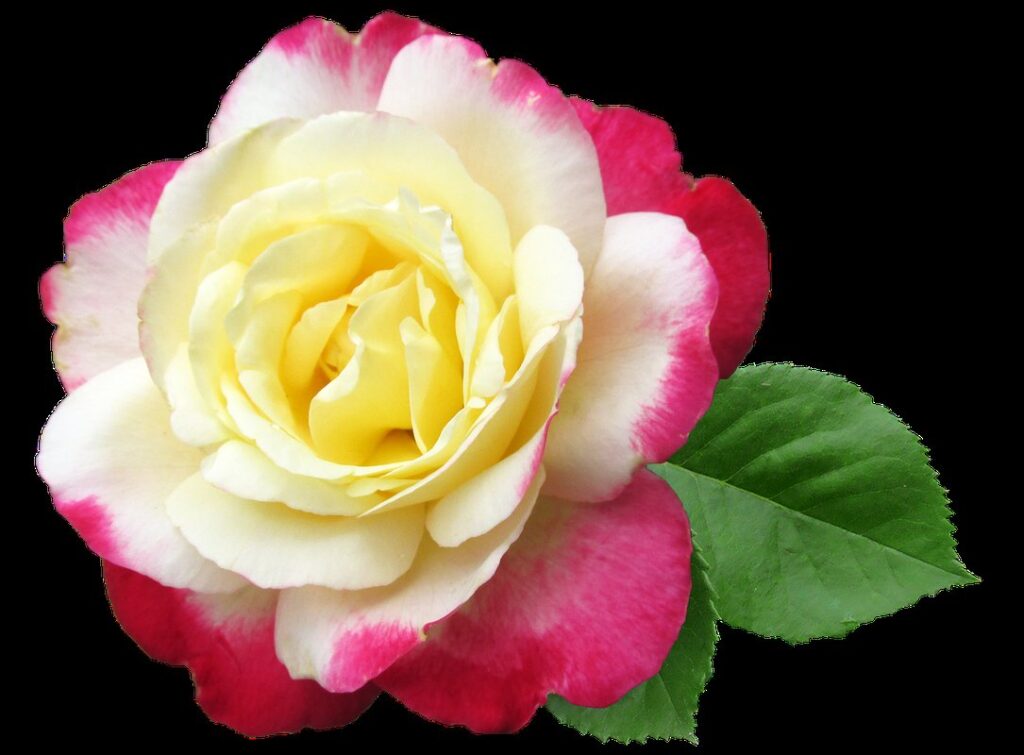
Choosing Fragrant Perennials
When selecting fragrant perennials for your garden, there are several factors to consider to ensure you choose blooms that will perfume your space just right. Consider your climate and desired level of fragrance intensity.
Understanding Plant Hardiness and Climate Considerations
When selecting fragrant perennials for your garden, it’s essential to consider the specific climate and hardiness zone of your area. This will help ensure that your chosen plants not only thrive but also provide a beautiful fragrance throughout the growing season.
Start by checking the USDA Plant Hardiness Zone Map to determine your zone. Based on this information, choose perennials that are suitable for your region’s temperature fluctuations. For example, if you live in a cooler climate (zones 3-5), opt for plants like lavender and coneflower that can withstand light frosts.
In addition to hardiness, consider the sunlight requirements of each plant. Most fragrant perennials prefer full sun to partial shade, but some may require more intense sunlight than others. For instance, roses need at least six hours of direct sunlight daily, while peonies prefer dappled shade.
Water needs are another crucial factor to keep in mind. Some perennials, like daylilies and hostas, can tolerate drought conditions, while others, such as hydrangea and gardenias, require more consistent moisture levels.
Finally, be aware of potential pest or disease issues specific to your region. For example, if you live in an area prone to deer populations, choose plants that are deer-resistant, like bee balm and yarrow. By considering these factors, you can select fragrant perennials that will not only thrive but also provide a lovely fragrance for years to come.
Popular Scented Perennial Options for Different Regions
When selecting fragrant perennials for your garden, it’s essential to consider the unique characteristics and growth habits of each plant. In different regions, certain scented flowers thrive better than others. For instance, in temperate zones, peonies are a popular choice due to their stunning blooms and intoxicating fragrance. These plants typically require well-drained soil and full sun to partial shade.
In contrast, tropical regions offer an ideal environment for fragrant perennials like gardenias and plumeria. These plants love the warm temperatures and high humidity found in these areas. They are perfect for adding a sweet scent to your garden without much maintenance.
For arctic climates, consider planting low-maintenance options like coneflowers or bee balm. These flowers produce an abundance of fragrant blooms that can tolerate harsh weather conditions. To ensure success with these plants, provide them with full sun and well-drained soil.
Tips for Selecting Fragrant Perennials Based on Personal Preference
When selecting fragrant perennials for your garden, it’s essential to consider personal preferences. Think about the intensity of scent you desire: do you prefer strong and overpowering aromas or subtle hints of fragrance? Some perennials, like peonies and roses, boast intense scents that can fill entire gardens, while others, such as lavender and coneflowers, offer more delicate fragrances.
Consider your color preferences as well. Do you lean towards bold, vibrant hues or softer pastels? Certain fragrant perennials, like freesia and jasmine, showcase show-stopping blooms in whites and yellows, while others, like daylilies and bee balm, display an array of colors, including pinks, purples, and reds.
For fragrance-sensitive individuals or those with allergies, opt for perennials with light or sweet fragrances. Lavender, chamomile, and catmint are great choices, as their scents are gentle and calming. Always read about specific plant characteristics before making a purchase to ensure they align with your needs.
Planting and Care Techniques for Fragrant Perennials
When it comes to coaxing the most fragrance from your perennials, proper planting and care techniques are essential. We’ll explore the specific needs of these scented flowers in the sections below.
Preparing the Soil for Scented Plants
Preparing the soil for scented perennials is crucial to their success and fragrance. A well-prepared soil can make all the difference in their growth, bloom, and scent intensity. Before planting, ensure your soil has the right pH level for your chosen fragrant perennial. Most fragrant perennials prefer slightly acidic to neutral soils, ranging from 6.0 to 7.0 on the pH scale.
Add organic matter like compost or well-rotted manure to enrich the soil and improve drainage. This will also help retain moisture and suppress weeds, reducing the need for frequent watering and mulching. You can mix in a balanced fertilizer (10-10-10 NPK) at planting time, following the manufacturer’s instructions.
Companion planting is another technique that can enhance fragrance and growth. For example, pairing lavender with rosemary or thyme can create a fragrant hedge. Consider adding these complementary plants to your garden design for an added layer of scent and visual interest. Mulching around the base of your perennials will also help retain moisture and suppress weeds, keeping their soil consistently moist.
Watering and Pruning Practices for Fragrant Perennials
When it comes to maintaining the fragrance of perennials, proper watering and pruning practices are essential. One common mistake gardeners make is overwatering, which can lead to root rot and a decrease in fragrance production. Fragrant perennials like peonies, roses, and lavender require well-draining soil and should be watered deeply but infrequently.
To avoid damaging the roots of your fragrant perennials, it’s crucial to prune them correctly. Pruning encourages new growth, which can lead to an increase in fragrance production. For example, pruning back lilacs after they finish blooming can stimulate new growth and encourage more blooms the following year. However, over-pruning can be detrimental to the plant’s overall health and fragrance.
A good rule of thumb is to prune fragrant perennials about one-third to one-half their height each year. This will allow for new growth while maintaining the plant’s shape. Cutting back varieties like coneflowers and black-eyed Susans after blooming can also encourage more blooms in the following season. By following these guidelines, you’ll be able to enjoy your fragrant perennials at their best throughout the growing season.
Common Challenges with Fragrant Perennials
While fragrant perennials are a delight, they can also present some challenges for gardeners to grow and maintain successfully. We’ll explore these common issues next.
Pest and Disease Management for Scented Plants
When it comes to enjoying fragrant perennials in your garden, managing pests and diseases is crucial for their health and fragrance. Aphids, whiteflies, and spider mites are common pests that target scented flowers like roses, lavender, and peonies. These tiny insects can multiply quickly, causing damage to leaves and stems.
To manage aphid infestations, try spraying your plants with a strong jet of water or using neem oil, which is a natural insecticide. For more severe cases, introduce beneficial insects like ladybugs or lacewings that feed on aphids. Slugs and snails can also wreak havoc on your fragrant perennials, so consider using copper tape around planters or trapping them with beer-filled containers.
Fungal diseases like powdery mildew and root rot are also common issues for scented flowers. To prevent these diseases, ensure good air circulation around plants, water at the base rather than overhead, and remove any infected leaves or stems. Regularly inspect your plants for signs of pests or disease and take action promptly to prevent infestations from getting out of hand.
Tips for Extending the Blooming Season of Fragrant Perennials
To make the most of your fragrant perennials’ blooming season, it’s essential to know some simple techniques to extend their flowering period. One effective way is through deadheading – removing spent flowers to encourage the plant to produce new blooms. For example, roses and peonies will continue to flower if old blooms are removed regularly.
Pruning is another technique that can help prolong blooming. Prune your perennials immediately after they finish their initial flowering period, cutting them back to about one-third of their height. This process stimulates the plant to produce new growth, leading to a second flush of flowers. For instance, bearded irises and daylilies will regrow and bloom again after being pruned.
Companion planting can also help extend the blooming season. Planting scented perennials alongside each other creates a sequential blooming effect – one plant blooms while another is still in flower, providing constant fragrance throughout the growing season. For example, pair early-blooming lavender with late-flowering roses to create an extended blooming period.
Remember, it’s also crucial to provide your fragrant perennials with optimal growing conditions, including well-draining soil and sufficient sunlight, to ensure they perform their best and continue to bloom throughout the season.
Complementing Fragrant Perennials with Other Plants
Now that you’ve chosen your favorite fragrant perennials, let’s talk about how to complement their scents with other plants in your garden. Pairing these flowers with complementary foliage can elevate their aroma and visual appeal.
Mixing Scented Plants with Low-Maintenance Options
When it comes to incorporating fragrant perennials into your garden, you may be worried that they’ll require too much maintenance. However, there are plenty of low-maintenance options that can complement these scented flowers beautifully.
One benefit of pairing fragrant perennials with companion plants is the visual interest they bring to your garden. For example, pair the sweet fragrance of peonies with the delicate texture and color of hostas. These shade-loving plants will thrive in areas where peonies might not do as well, creating a beautiful contrast that adds depth to your garden.
Another advantage of combining fragrant perennials with low-maintenance options is their ability to attract pollinators like bees and butterflies. Planting a mix of lavender, coneflower, and black-eyed Susan will create a haven for these beneficial insects while providing a stunning display of color and fragrance.
To make the most of this combination, choose plants that have different growth habits and textures. For instance, pair the tall spikes of bee balm with the compact, spreading habit of creeping thyme. This not only creates visual interest but also ensures that your garden remains balanced and harmonious.
Some other low-maintenance options to consider pairing with fragrant perennials include succulents like sedum or echeveria, which add a unique texture and require minimal watering. By combining these plants with scented flowers like roses, lilacs, or gardenias, you can create a stunning and easy-to-care-for garden that’s sure to delight the senses.
Incorporating low-maintenance options into your fragrant perennial garden is all about balance and diversity. By choosing a mix of plants with different needs and characteristics, you’ll not only reduce maintenance but also create a more resilient and thriving ecosystem.
Fragrance in Your Garden: Tips for Enjoying Scented Flowers
Now that you’ve chosen your favorite fragrant perennials, let’s talk about how to make the most of their scent in your garden. With a few simple tips, you can enjoy these beautiful blooms even more.
Appreciating the Fragrance of Perennials at Different Times
As you spend time in your garden with fragrant perennials, you may find that their scent is most pronounced at certain times of day and during specific seasons. To fully appreciate the fragrance of these beautiful flowers, it’s essential to experience them throughout different periods.
In the morning, when the sun rises, many perennials release their fragrance, enticing pollinators like bees and butterflies. Take a moment in your garden before dawn or at sunrise to notice how the scent of flowers like peonies, roses, and honeysuckle fills the air. As the day progresses and temperatures rise, the intensity of the fragrance often decreases.
To enhance your experience, engage more than just your sense of sight. Listen for the buzzing of bees or the gentle hum of hummingbirds as they visit these fragrant flowers. Allow yourself to touch the petals or leaves of the plants, feeling their soft texture and releasing the scent further.
During the evening, when temperatures drop, many perennials release a stronger fragrance, enticing nocturnal pollinators like moths and bats. Take a stroll through your garden after sunset to appreciate how the scent of flowers like jasmine, gardenias, and evening primroses fills the air.
Throughout the seasons, the fragrance of perennials can change significantly. In spring, when new growth emerges, many perennials release their fragrance to attract pollinators for reproduction. Summer blooms often have a more intense fragrance, while autumnal varieties may have a sweeter or more delicate scent. In winter, dormant perennials may still emit a subtle fragrance, signaling the return of growth.
To appreciate these seasonal changes and fragrances, try visiting your garden at different times of day and during various seasons. Bring a camera to capture the vibrant colors and textures of your plants or take notes about which scents you notice. This will help you connect with nature on a deeper level and fully appreciate the beauty of fragrant perennials in your garden.
Conclusion: Incorporating Fragrant Perennials into Your Garden Design
Now that you’ve learned how to choose and plant fragrant perennials, it’s time to think about incorporating them into your overall garden design. We’ll walk through some practical tips for blending scent and style together seamlessly.
Integrating Fragrance into Your Garden’s Overall Aesthetic
When integrating fragrant perennials into your garden’s overall aesthetic, it’s essential to strike a balance between capturing attention with their scent and harmonizing them with other visual elements. Consider the color palette of your garden: pair pastel-hued flowers like Phlox or Honeysuckle with richly colored blooms like Lavender or Roses.
Balance fragrance with texture and structure by combining flowering perennials with shrubs, grasses, or ornamental trees that provide contrast in form and texture. For example, delicate Phlox blooms can be paired with the stately elegance of a Hydrangea or the rustling leaves of Fountain Grass.
To create visual cohesion, group fragrant perennials by their blooming seasons to ensure continuous fragrance throughout the growing season. Alternatively, consider grouping them by size and shape for a more structured look. For instance, tall spikes like Bearded Iris can be grouped with shorter-stemmed flowers like Catmint or Lavender.
To amplify your garden’s scent, place fragrant perennials near paths or seating areas to create inviting pathways that lead visitors through the garden. Additionally, consider layering fragrance by placing plants of varying scents and intensities together – for example, pairing heady blooms like Jasmine with lighter, sweeter flowers like Peonies.
By thoughtfully integrating fragrant perennials into your garden’s overall aesthetic, you can create a sensory experience that delights both the eye and nose.
Frequently Asked Questions
Can I plant fragrant perennials together to create a scent-rich garden?
When selecting multiple fragrant perennials, consider their bloom times and fragrance intensity levels to ensure year-round scents. Mixing different species can also promote beneficial pollinators and add visual interest to your garden.
How do I protect my fragrant perennials from pests and diseases in warm climates?
In areas with high temperatures or humidity, regularly inspect plants for signs of pest infestations (e.g., aphids, slugs) or fungal diseases. Implement integrated pest management techniques by using physical barriers, introducing beneficial insects, or applying organic fungicides to maintain plant health.
Can I use fragrant perennials in containers?
Many fragrant perennials can thrive in containers if provided with adequate sunlight, drainage, and regular watering. Choose compact varieties that don’t require extensive root space, such as dwarf lavender or mini peonies, for optimal results.
How often should I water my fragrant perennials during drought periods?
During prolonged dry spells, reduce watering to about 1-2 times a week, depending on your region’s climate and soil type. Ensure the top inch of soil feels moist but not waterlogged by checking it with your finger. Mulch around plants can also help retain moisture.
Can I combine fragrant perennials with other flowering plants in a mixed border?
Mixing different species with varying bloom times, heights, and fragrance levels creates a dynamic garden display. Choose complementary flowers (e.g., roses with peonies) to enhance the visual appeal and scent of your fragrant perennials, but also consider their growing requirements and space needs.