
Imagine strolling through your own garden, surrounded by lush greenery that not only delights your senses but also lifts your mood. Fragrant hedge plants are more than just a pretty face – they can have a profound impact on both our mental well-being and the local wildlife.
From citrusy blooms to sweetly scented lavender, these shrubs come in an array of tantalizing aromas that can evoke feelings of calmness and happiness. But did you know that fragrant hedges also play a vital role in attracting beneficial insects and birds to your outdoor space? In this expert guide, we’ll delve into the world of scented shrubs, covering everything from selecting the perfect varieties for your climate to providing expert care tips for maximum fragrance and beauty. Get ready to breathe new life into your garden with our top picks for fragrant hedge plants!
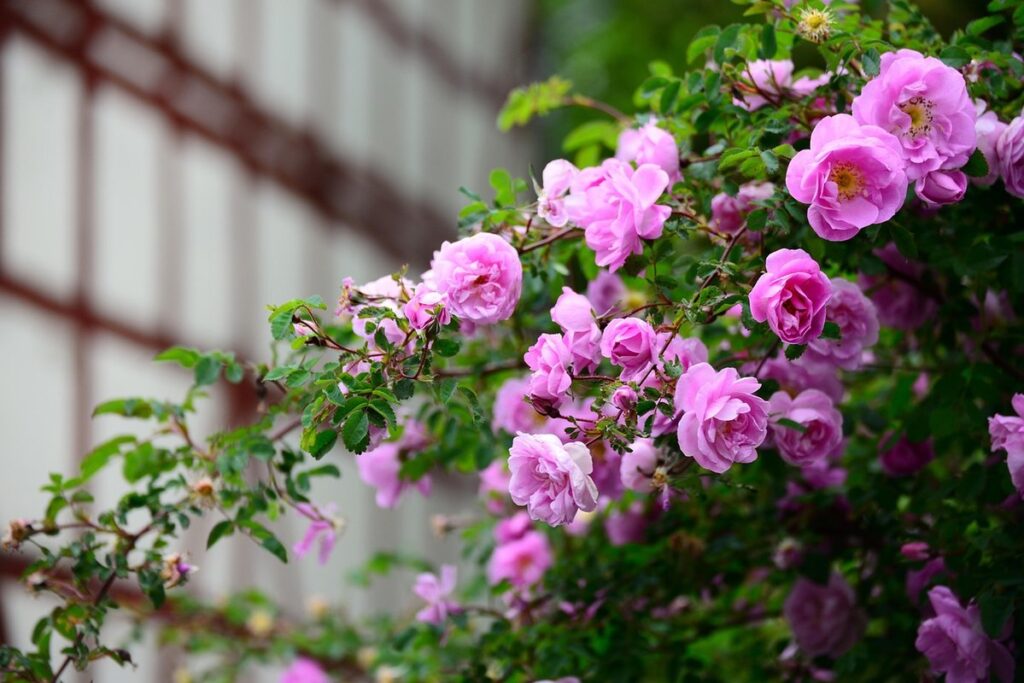
Benefits of Fragrant Hedges
As you’re looking for ways to enhance your garden, let’s explore some of the most significant benefits of incorporating fragrant hedges into your outdoor space.
Improving Mental Health
Being around nature has long been known to have a positive impact on our mental health. Fragrant hedges take this concept to the next level by not only providing a calming atmosphere but also releasing therapeutic scents that can help reduce stress and anxiety. Studies have shown that being exposed to natural environments, such as parks or gardens, can lower cortisol levels, blood pressure, and even symptoms of depression.
When it comes to choosing fragrant hedges for your garden, consider planting Lavender, Rosemary, or English Boxwood. These plants are not only visually appealing but also emit calming scents that promote relaxation. To maximize the mental health benefits of your fragrant hedge, incorporate sensory experiences into your garden design. Add a bench where you can sit and take in the scent, or create a meandering path to encourage exploration.
Incorporate regular maintenance tasks into your self-care routine by spending time pruning and watering your fragrant hedges. This will not only keep your plants healthy but also provide an opportunity for mindfulness and connection with nature. By doing so, you’ll be able to reap the mental health benefits of having a fragrant hedge while enjoying the therapeutic process of caring for it.
Enhancing Outdoor Spaces
Fragrant hedges can instantly elevate the ambiance of your outdoor space, transforming it into a serene oasis that invites relaxation and contemplation. When carefully selected and maintained, fragrant hedges can provide a sensory experience like no other, engaging multiple senses with their intoxicating aromas.
Consider incorporating fragrant hedges in areas where you spend time outdoors, such as patios, courtyards, or along walkways. The visual appeal of these plants is undeniable, but it’s the aromatic benefits that truly make them stand out. For instance, lavender and rosemary are popular choices for their calming properties and ability to repel pests.
To maximize the aesthetic value of your fragrant hedges, ensure they receive sufficient sunlight and water. Prune regularly to maintain shape and encourage new growth, which will promote a more intense fragrance. By carefully integrating fragrant hedges into your outdoor design, you can create inviting spaces that foster a sense of tranquility and connection with nature.
Attracting Wildlife
Fragrant hedges play a vital role in attracting pollinators, birds, and other wildlife to your garden. When it comes to choosing fragrant hedge plants, consider species that produce nectar-rich flowers, as these are particularly attractive to bees and butterflies. Lavender, rosemary, and chamomile are excellent examples of such plants.
Not only do fragrant hedges provide a source of food for pollinators, but they also offer shelter and habitat for birds and small animals. A hedge made up of shrubs with dense foliage can serve as a protective barrier from harsh weather conditions and predators. For instance, a rowan or hawthorn hedge can provide berries for birds to eat during the winter months.
To attract even more wildlife to your garden, consider planting a mix of fragrant and non-fragrant species in your hedge. This will not only create a diverse ecosystem but also provide a constant source of nectar-rich flowers throughout the growing season. Be sure to incorporate plants that produce seeds, as these are essential for attracting birds and other small animals.
By incorporating fragrant hedges into your garden design, you can create a thriving ecosystem that benefits both your local wildlife and yourself.
Choosing the Right Fragrant Hedge
When it comes to selecting a fragrant hedge for your garden, you’ll want to consider factors like fragrance intensity and bloom timing to ensure a constant sensory delight. Let’s explore these key considerations together.
Factors to Consider
When selecting a fragrant hedge plant, there are several key factors to consider beyond just its scent. One of the most critical considerations is climate. Different plants thrive in different conditions, and choosing a plant that’s well-suited to your local climate will ensure it stays healthy and fragrant.
Consider the temperature range, humidity levels, and amount of sunlight your area receives. For example, if you live in a hot and dry climate, a plant like Lavender or Rosemary may be perfect due to their drought tolerance. On the other hand, plants like Hyacinth or Jasmine require more moisture and shade, making them better suited for cooler climates.
You should also think about the type of soil your plant will be growing in. Plants have different preferences when it comes to pH levels, nutrient content, and drainage requirements. Be sure to choose a plant that can thrive in your soil’s specific conditions.
Maintenance requirements are another essential consideration. Some plants require regular pruning or shearing to keep them looking their best, while others are more low-maintenance. Think about how much time you have to devote to caring for your hedge, and choose a plant that fits within those constraints.
Popular Fragrant Hedge Options
When it comes to fragrant hedge plants, you have a wide range of options to choose from. Here are some popular varieties that stand out for their distinct characteristics and benefits.
Rosemary (Rosmarinus officinalis) is a low-maintenance, evergreen shrub with needle-like leaves that emit a piney aroma when brushed against or pruned. Its compact growth habit makes it ideal for hedges, and its culinary uses add to its appeal. Lavender (Lavandula angustifolia), another popular choice, boasts purple flowers and a calming scent that repels pests. English Boxwood (Buxus sempervirens) is a slow-growing hedge option with small leaves that emit a sweet, minty fragrance.
Other fragrant options include Gardenia (Gardenia jasminoides) with its heady blooms, Daphne (Daphne bholua) with its clusters of pink flowers, and Star Jasmine (Trachelospermum jasminoides) for its star-shaped white blooms. Each of these varieties offers unique characteristics that make them suitable for different landscaping needs. When selecting a fragrant hedge plant, consider the climate, soil type, and intended use to ensure you choose the best option for your space.
These plants also have practical uses beyond their fragrance – they can be used in cooking or as ornamental features.
Considerations for Small Spaces
When it comes to choosing fragrant hedges for smaller gardens or spaces with limited room for growth, there are several considerations to keep in mind. One of the most significant challenges is finding a hedge that can thrive in confined areas without becoming too leggy or top-heavy.
Some popular fragrant hedge options for small spaces include boxwood, lavender, and rosemary. These plants are naturally compact and can be pruned regularly to maintain a desired shape and size. Boxwood, for example, can be trimmed into neat hedges as small as 1-2 feet tall, making it an ideal choice for small gardens.
When selecting fragrant hedges for small spaces, it’s also essential to consider their mature size and growth rate. Some plants, like English lavender, can grow quite large over time if not regularly pruned. To avoid this issue, choose varieties that are known to remain compact or slow-growing, such as ‘Hazel Lea’ lavender.
By carefully selecting fragrant hedges for small spaces and providing regular maintenance, you can enjoy the benefits of these beautiful plants even in areas with limited room for growth.
Planting and Establishing Fragrant Hedges
When planting a fragrant hedge, careful consideration must be given to the initial steps of preparation and establishment to ensure long-term health and fragrance. This section covers those crucial first steps in detail.
Preparing the Soil
Preparing the soil before planting a fragrant hedge is a crucial step that can make all the difference in its health and longevity. When it comes to drainage, consider the type of soil you have and ensure it’s not too waterlogged or dry. For example, if you live in an area with heavy rainfall, your soil may be prone to waterlogging, which can lead to root rot and other problems. To fix this, add organic matter like compost or well-rotted manure to improve drainage.
Fertilization is also essential for fragrant hedges, as they require a balanced diet of nutrients to thrive. A general-purpose fertilizer will work fine, but you may need to adjust the application rate depending on the specific needs of your hedge plants. For instance, lavender and rosemary are both drought-tolerant and can handle poor soil, while gardenias and jasmine prefer well-draining acidic soil and regular fertilization.
It’s also worth considering the pH level of your soil, as this can impact nutrient availability for your fragrant hedges. A slightly acidic to neutral soil pH (around 6-7) is ideal for most fragrant hedge plants. If your soil is too alkaline or acidic, you may need to adjust it before planting.
Planting Techniques
When planting fragrant hedges, it’s essential to follow best practices for spacing and watering to ensure healthy growth and optimal fragrance release. A general rule of thumb is to space fragrant hedge plants 2-3 feet apart, depending on their mature size and growth habits. For example, compact shrubs like English lavender can be planted as close as 12 inches apart, while larger varieties like osmanthus or yew may require more space.
Proper watering is also crucial for establishing a fragrant hedge. Water your plants deeply once or twice a week during their first year of growth, depending on weather conditions. Make sure the soil drains well and avoid overwatering, which can lead to root rot and other problems. As your hedge establishes itself, reduce watering to about 1 inch per week, unless you’re experiencing drought conditions.
When planting a fragrant hedge, consider creating a drip irrigation system or soaker hose to deliver water directly to the roots. This will help prevent evaporation and runoff, ensuring that your plants receive the moisture they need without wasting resources.
Post-Planting Care
Now that you’ve planted your fragrant hedge, it’s time to focus on post-planting care. This is crucial for establishing a healthy and thriving hedge that will provide years of enjoyment with its beautiful blooms and intoxicating fragrance.
Regular pruning is essential to maintain the shape and promote new growth in your fragrant hedge. Prune your hedge at least twice a year, once in spring and again in late summer or early fall. Remove any dead or damaged branches, and cut back overgrown stems to encourage bushy growth. When pruning, always make clean cuts just above a leaf node, using sharp, sterile pruning tools to prevent the spread of disease.
Watering is also critical during the first year after planting. Keep the soil consistently moist but not waterlogged, especially during hot or dry spells. Mulch around the base of your hedge to retain moisture and suppress weeds.
By following these simple care tips, you’ll be well on your way to enjoying a lush, fragrant hedge that will attract pollinators and delight your senses for years to come.
Fragrant Hedge Care and Maintenance
To keep your fragrant hedges looking their best, let’s dive into the specifics of caring for these lovely plants, including pruning and regular upkeep. Proper maintenance will enhance their fragrance and appearance over time.
Pruning and Shaping
Regular pruning and shaping are crucial aspects of fragrant hedge care. Not only do they help maintain the health and appearance of these scented shrubs, but also promote new growth, enhance their fragrance, and encourage a bushy shape. Pruning helps remove dead or diseased branches, which can harbor pests and diseases that might spread to other parts of the hedge.
When pruning fragrant hedges, it’s essential to do so at the right time. For most fragrant shrubs, late winter or early spring is an ideal time for pruning, as this allows new growth to emerge in the growing season. Be sure to cut branches at a 45-degree angle, making clean cuts just above a growth node.
To shape your fragrant hedge, thin out select branches to allow more sunlight and air circulation, which will promote healthy growth and encourage the development of flowers and fragrance. Consider using pruning shears or loppers for smaller branches, and a pole saw for harder-to-reach areas. By maintaining regular pruning and shaping, you’ll be rewarded with a lush, fragrant hedge that provides beauty and charm to your garden all season long.
Fertilization and Pest Control
To keep your fragrant hedge plants healthy and thriving, fertilization and pest control are crucial aspects of their care. When it comes to fertilizing, you have two main options: organic and chemical.
Organic fertilizers are made from natural ingredients such as compost, manure, or bone meal. They release nutrients slowly into the soil, promoting healthy root growth and strong plant development. For example, you can use a 2-inch layer of compost around the base of your fragrant hedge plants to provide them with essential nutrients.
Chemical fertilizers, on the other hand, offer quick results but may have negative environmental impacts if not used properly. They typically contain synthetic nitrogen, phosphorus, and potassium (N-P-K) which promote rapid plant growth. However, overuse can lead to nutrient imbalances, soil degradation, and even harm beneficial microorganisms.
When it comes to pest control, integrated pest management (IPM) is the most effective approach. This involves monitoring your plants regularly for signs of pests, using physical barriers or traps when necessary, and applying targeted pesticides only as a last resort. Some common fragrant hedge plant pests include aphids, spider mites, and scale insects.
Regular pruning and watering practices can also help prevent pest infestations by removing damaged or diseased leaves and stems that may attract pests. Additionally, introducing beneficial insects such as ladybugs or lacewings to your garden can help control pest populations naturally.
Seasonal Tasks
Caring for fragrant hedges requires attention to seasonal tasks that ensure their continued health and fragrance. During winter, it’s essential to protect your hedge from extreme cold temperatures and harsh winds. Apply a layer of mulch or straw around the base of the plant to insulate the roots and retain moisture. You can also wrap burlap or frost blankets around the plant to shield it from wind and frost damage.
In the spring, after the last frost, remove any dead or damaged branches to promote healthy growth and prevent disease. Prune your fragrant hedge to maintain its shape and encourage new blooms. Make clean cuts just above a bud or leaf node, using sharp pruning tools to minimize damage.
Regular maintenance tasks like watering, fertilizing, and monitoring for pests and diseases should continue year-round. Keep an eye out for signs of stress or disease, such as yellowing leaves or black spots, and address them promptly to prevent long-term damage. By staying on top of seasonal tasks, you’ll enjoy a lush, fragrant hedge that thrives throughout the growing season.
Troubleshooting Common Issues
If you’re experiencing problems with your fragrant hedge plants, don’t worry – we’ve got some solutions to common issues right here. Let’s tackle those tricky troubles together!
Pests and Diseases
Fragrant hedge plants are not immune to pests and diseases, but with proper identification and prevention strategies, you can minimize their impact. Some common pests that target fragrant hedges include aphids, spider mites, and scale insects, which can be controlled using insecticidal soap or neem oil.
Diseases such as root rot, leaf spot, and powdery mildew often arise from overwatering, poor air circulation, or fungal spores in the soil. Regularly inspect your plants for signs of disease like yellowing leaves, black spots, or a white, powdery coating. To prevent these issues, ensure good drainage, provide adequate spacing between plants, and maintain a balanced fertilizer schedule.
For example, boxwood hedges are susceptible to root rot due to their dense growth habit, making them more prone to waterlogged soil conditions. Consider using raised beds or containers with excellent drainage to combat this issue. If you do encounter pests or diseases, address the problem promptly by isolating affected areas and applying targeted treatments.
In severe cases, consult a gardening professional for guidance on integrated pest management (IPM) strategies that balance chemical control with cultural practices like crop rotation and biological controls.
Environmental Stressors
Fragrant hedges are resilient plants that can thrive in various conditions, but they’re not immune to environmental stressors. Drought, extreme temperatures, and soil conditions can significantly impact their fragrance and overall health.
When it comes to drought, fragrant hedges need consistent moisture levels to produce fragrant flowers and foliage. Water them deeply once or twice a week, depending on the weather, to encourage deep root growth. For example, English lavender requires about 1 inch of water per week. Mulching around the base of the plants helps retain moisture and suppress weeds.
Extreme temperatures can also be challenging for fragrant hedges. Protect your plants from scorching sun by providing shade, especially during peak hours. In areas with frost, bring potted plants indoors or use protective coverings to shield them from damage. Soil conditions play a crucial role in the health of your fragrance-producing hedge. Ensure the soil drains well and has the right pH level for the specific plant variety.
In addition to these environmental factors, it’s essential to monitor for pests and diseases that can be exacerbated by stressors like drought or extreme temperatures. Regularly inspect your plants and take action promptly if you notice any issues.
Maintenance Mistakes to Avoid
When it comes to maintaining fragrant hedges, there are several common mistakes to avoid that can affect their appearance and scent. One of the most critical errors is over-pruning. While pruning is essential for shaping and promoting healthy growth, over-pruning can stress the plant, leading to reduced fragrance and potentially killing off new growth.
Inadequate watering is another mistake many gardeners make when caring for fragrant hedges. These plants require consistent moisture, especially during their first year of establishment. Watering just once a week may not be enough, as soil conditions can quickly dry out in hot weather. Consider installing a drip irrigation system or soaker hose to ensure the roots receive adequate water.
It’s also essential to avoid using chemical fertilizers and pesticides on fragrant hedges. These chemicals can damage the plant’s delicate scent glands, reducing its fragrance. Instead, opt for organic alternatives like compost tea or fish emulsion to promote healthy growth without compromising the plant’s natural beauty.
Frequently Asked Questions
Can I use fragrant hedge plants as a natural air freshener for my home?
Yes, you can definitely make the most of your fragrant hedges by bringing some of their leaves or flowers indoors to naturally perfume your space. Simply tie a few sprigs together with twine and hang them in a doorway or from the ceiling fan to enjoy the scent. This is a great way to reduce synthetic fragrance use and bring more of nature’s beauty into your home.
How can I ensure that my fragrant hedge plants are attracting beneficial wildlife?
To maximize the attractant potential of your fragrant hedges, incorporate a variety of plants with different bloom times and scents. Also, consider adding native plants specific to your region, as these will naturally draw in local wildlife. Regularly inspect your garden for any signs of pests or diseases, which can deter beneficial insects.
What are some challenges I might encounter when planting fragrant hedges in small spaces?
When working with compacted soil and limited space, it’s essential to choose dwarf or compact fragrant hedge varieties that thrive in smaller areas. Consider using a raised bed or container garden to give your plants the best chance of success. Regular watering and fertilization will also help them establish themselves quickly.
Can I grow multiple fragrant hedges together without overcrowding?
Yes, many fragrant hedge species can be grown alongside one another, provided you choose varieties with similar growing requirements. Just be sure to research companion planting principles and plant at the right time of year to avoid any potential competition for resources. Spacing them about 2-3 feet apart should provide enough room for healthy growth.
How do I protect my fragrant hedges from extreme weather conditions, such as frost or intense heat?
To prepare your fragrant hedges for extreme weather, ensure they’re well-established and watered before the first frosts. Mulching around the base will also help retain moisture and regulate soil temperature. During hot spells, water them thoroughly but avoid overwatering, which can lead to root rot and other issues.