
Are you ready to transform your garden into a sensory oasis? Imagine strolling through your outdoor space, surrounded by the sweet scent of blooming flowers. Fragrant flowers can bring so much joy and beauty to our gardens, but with so many options available, it’s easy to get overwhelmed. Whether you’re a seasoned gardener or just starting out, choosing the right fragrant flowers for your garden can be a daunting task.
In this article, we’ll guide you through the process of selecting, planting, and caring for the best fragrant flowers for your garden. From spring-blooming bulbs to long-lasting perennials, we’ll cover it all. We’ll explore popular options like roses, lavender, and peonies, as well as some hidden gems that are sure to impress. By the end of this article, you’ll be equipped with the knowledge you need to create a fragrant flower garden that will delight your senses and become the crown jewel of your outdoor space.
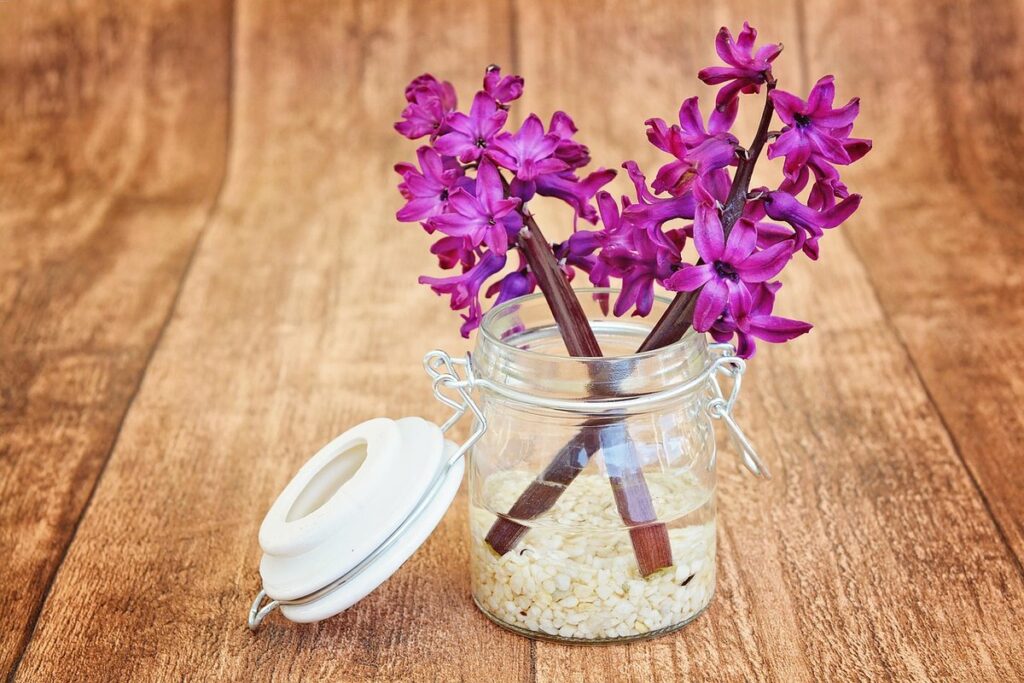
Choosing the Right Fragrant Flowers
When selecting fragrant flowers for your garden, it’s essential to consider factors such as scent strength and blooming period to ensure you choose the perfect blooms. This section will guide you through these key considerations.
Understanding the Importance of Scent in Gardens
When it comes to designing a garden, many people overlook one of the most essential elements: scent. Fragrant flowers have the power to transform outdoor spaces into inviting retreats that not only please the eye but also delight the senses.
One of the primary benefits of including fragrant flowers in your garden is attracting pollinators like bees and butterflies. These busy insects rely on the sweet nectar produced by these flowers to survive, making them a crucial component of any ecosystem. By incorporating scented blooms into your garden design, you’ll be supporting local pollinator populations and contributing to the health of your environment.
Fragrant flowers also add ambiance to outdoor spaces in a way that few other elements can. Imagine stepping out into your garden on a warm summer evening, surrounded by the heady scent of blooming lavender or the sweet fragrance of roses. The sensory experience is undeniable – fragrant flowers have the power to transport us to a more peaceful state, making them an essential element for any garden designed for relaxation and enjoyment.
By incorporating a variety of scented flowers into your garden design, you can create a haven that not only attracts pollinators but also provides a tranquil escape from the stresses of everyday life.
Popular Types of Fragrant Flowers
When it comes to choosing fragrant flowers for your garden, selecting varieties that are well-suited to your specific climate and gardening style is essential. Fortunately, there’s a wide range of popular types of fragrant flowers that cater to different needs and preferences.
If you’re looking for annuals, consider planting Jasmine (Jasminum sambac), Freesia, or Sweet Alyssum. These blooms are perfect for adding a burst of fragrance to your garden beds and containers during the warmer months. For example, Jasmine is an excellent choice for hanging baskets and trellises, as its delicate white flowers cascade down beautifully.
Perennials offer more long-term fragrance benefits, with popular options including Lavender (Lavandula angustifolia), Rosemary (Rosmarinus officinalis), and Peonies. These low-maintenance plants not only provide a sweet scent but also attract pollinators like bees and butterflies. To get the most out of your perennials, plant them in areas with good air circulation to prevent moisture buildup.
Some other fragrant flowers worth considering include Gardenias, Honeysuckle, and Hyacinths.
Considerations for Selecting Fragrant Flowers
When selecting fragrant flowers for your garden, there are several key considerations to keep in mind. First and foremost, think about the amount of sunlight your chosen blooms will receive. Will they thrive in full sun (six hours or more of direct sunlight) or do they prefer partial shade? Some popular fragrant flowers like roses and lavender can tolerate a range of light conditions, while others, such as jasmine and gardenias, require at least four to six hours of direct sunlight per day.
Another crucial factor is soil type. Does your garden have well-draining sandy loam or heavy clay soil that retains moisture? Some fragrant flowers, like freesia and tuberose, prefer well-drained soil to prevent root rot, while others, such as peonies and hydrangeas, can tolerate heavier soils.
Maintenance needs are also essential to consider. Will you have time to water your blooms regularly or do they require less maintenance? Some fragrant flowers, like daylilies and coneflowers, are low-maintenance and drought-tolerant, while others, such as gardenias and hydrangeas, demand regular watering and fertilization.
Ultimately, choosing the right fragrant flowers for your garden requires careful consideration of these factors. By selecting blooms that match your soil type, sunlight conditions, and maintenance needs, you can create a beautiful and fragrant outdoor space that brings joy to you and your family all year round.
Planting and Caring for Fragrant Flowers
Now that you’ve selected your favorite fragrant flowers, let’s dive into the essential steps to plant and care for them in your garden. This includes tips on soil preparation and maintenance.
Preparing the Soil for Fragrant Flower Planting
Before you start planting those beautiful fragrant flowers, it’s essential to prepare the soil for optimal growth and fragrance release. The first step is to test the pH level of your garden bed. Most fragrant flowers prefer slightly acidic to neutral soil, with a pH between 6.0 and 7.0. You can purchase a DIY soil testing kit or send a sample to a lab for analysis.
Once you know your soil’s pH level, it’s time to add organic matter to enrich the soil. This is where compost comes in – a natural, nutrient-rich substance made from decomposed plant materials. Add 2-3 inches of compost to the top layer of soil and mix it well with a shovel or tiller. You can also use other organic matter like well-rotted manure or peat moss.
Adding organic matter will help improve soil structure, increase water retention, and provide essential nutrients for your fragrant flowers. For example, roses love alkaline soils, but they’ll still benefit from the added nutrients in compost. By taking these simple steps, you’ll create an ideal environment for your fragrant flowers to thrive and release their sweet scents.
Tips for Watering and Fertilizing Fragrant Flowers
When it comes to watering and fertilizing fragrant flowers, understanding their specific needs is crucial for optimal growth and blooming. Over-watering can be detrimental to these plants, leading to root rot and other issues, so ensure the soil drains well and isn’t waterlogged. On the other hand, under-watering may cause wilting, so a consistent watering schedule is necessary.
When it comes to fertilizing, a balanced fertilizer with an NPK ratio of 10-10-10 is suitable for most fragrant flowers. However, some varieties like roses require more phosphorus to promote blooming, so use a rose-specific fertilizer if applicable. It’s also essential to follow the instructions on the fertilizer package and avoid over-fertilizing, which can damage roots.
Some specific tips include:
* Water your fragrant flowers in the morning or early afternoon to allow the plants to dry out slightly before nightfall
* Use mulch to retain moisture and suppress weeds around plant bases
* Feed your plants with a high-phosphorus fertilizer during the blooming season to promote vibrant colors and fragrance
By following these guidelines, you’ll be able to create an ideal environment for your fragrant flowers to thrive.
Dealing with Common Pests and Diseases
When it comes to enjoying the beauty and fragrance of your garden, nothing can be more frustrating than pests and diseases that threaten their health. Fragrant flowers are particularly vulnerable to certain common issues that can quickly spread and cause significant damage.
Aphids, for instance, are tiny sap-sucking insects that thrive on sweet-tasting plant fluids. They’re especially fond of fragrant flowers like roses, lavender, and jasmine, where they multiply rapidly and secrete sticky honeydew residue that attracts ants and promotes fungal growth. To control aphid infestations, try spraying your plants with a gentle stream of water to dislodge the insects, or use neem oil as a natural pesticide.
Whiteflies are another common problem in gardens, particularly for plants like tuberose and freesia. These tiny winged pests feed on plant sap, weakening their hosts and spreading disease. To prevent whitefly infestations, ensure good air circulation around your plants and avoid overwatering, which can exacerbate the issue.
Root rot is a more insidious threat that often goes unnoticed until it’s too late. Fungi like Phytophthora and Pythium thrive in waterlogged soil, causing roots to decay and leading to plant collapse. To prevent root rot, choose well-draining potting mixes, avoid overwatering, and provide sufficient sunlight to promote healthy root growth.
In addition to these specific issues, keep an eye out for signs of fungal diseases like powdery mildew and leaf spot, which can be treated with fungicides or copper-based sprays. Regularly inspect your plants, practice good gardening hygiene, and adopt integrated pest management strategies to minimize the risk of pests and diseases in your fragrant flower garden.
Designing a Fragrant Garden
To create a fragrant haven, it’s essential to consider not only the types of flowers you choose but also how they’re arranged and maintained in your garden. Let’s dive into designing a garden that showcases its scents at their best.
Creating a Theme or Color Scheme
When designing a fragrant garden, it’s essential to consider the overall theme and color scheme. A well-planned combination of scents and colors can create a visually stunning and inviting space that tantalizes the senses.
To start, think about the mood you want to evoke in your garden. Do you want it to be relaxing and calming or vibrant and energetic? Different themes lend themselves to specific fragrances and color palettes. For example, a cottage-style garden might feature soft pastels like lavender and roses, while a tropical oasis could incorporate bright colors and exotic flowers like heliotrope and jasmine.
When combining different scents, consider the intensity of each fragrance. Strong-scented flowers like gardenias and tuberoses can overpower other fragrances, so balance them with lighter options like honeysuckle or freesia. Similarly, when selecting colors, remember that complementary colors (like blue and orange) create a lively atmosphere, while analogous colors (like blue, green, and yellow) produce a soothing effect.
Experiment with different combinations to find the perfect harmony of scents and colors for your fragrant garden.
Incorporating Fragrant Flowers into Existing Gardens
Incorporating fragrant flowers into an existing garden can be a delightful challenge. Even with limited space, you can still create a fragrant oasis by choosing compact varieties and making the most of every nook and cranny.
Consider planting fragrant flowers along walkways or in containers to maximize space usage. For example, dwarf lavender varieties are perfect for small gardens and can thrive in planters on balconies or patios. You can also tuck fragrant blooms into tight spaces between stepping stones or around garden features like ponds or waterfalls.
Another idea is to use trellises or obelisks to train climbing fragrant flowers like clematis, honeysuckle, or jasmine to grow upwards and make the most of vertical space. This not only adds fragrance but also visual interest to your garden. Additionally, consider layering plants with varying heights and textures to create a lush, fragrant tapestry.
By repurposing existing spaces and choosing compact varieties, you can easily incorporate fragrant flowers into your existing garden, even on a small scale. With a little creativity and planning, your entire outdoor space can become a scented paradise.
Making the Most of Fragrance in Garden Design
When it comes to designing a fragrant garden, showcasing these beautiful blooms is just as important as choosing the right varieties. One of the most effective ways to make the most of fragrance in garden design is by using fragrant flowers as borders or focal points. For example, a border of lavender along your pathway can not only add a pop of color but also fill the air with its intoxicating scent.
Consider creating a sensory experience in your garden by grouping different fragrant flowers together to create a unique “scent trail.” This could be achieved by planting roses alongside sweet-smelling herbs like mint or lemongrass. Alternatively, use a statement piece like a large hydrangea as the focal point of your design and surround it with fragrant companions like boxwood or jasmine.
Remember, when selecting plants for your scent trail, consider the height and spread to create visual interest. Don’t be afraid to mix high and low-growing plants to add depth and texture to your design. With a little creativity, you can turn your garden into an aromatic oasis that will transport visitors (and yourself!) to a world of beauty and fragrance.
Seasonal Fragrant Flowers for Year-Round Interest
When it comes to adding year-round interest to your garden, fragrant flowers are a must-have, and we’re highlighting the best seasonal blooms that will delight your senses. From spring bulbs to winter evergreens, discover our top picks!
Spring-Blooming Fragrant Flowers
Spring is a wonderful time of year to enjoy fragrant flowers in your garden. As the weather warms up and the last frost has passed, many beautiful blooming plants burst into color, filling the air with their sweet scents. When it comes to spring-blooming fragrant flowers, bulbs and perennials are excellent options.
One popular choice is the daffodil (Narcissus pseudonarcissus), a bright trumpet-shaped flower that blooms in shades of yellow and white from March to May. Not only do these cheerful flowers brighten up your garden, but they’re also deer-resistant and low maintenance. Plant them in clusters for maximum visual impact.
Other perennial options include peonies (Paeonia spp.), which bloom in late spring with lush, fragrant blooms; lilacs (Syringa spp.), whose purple cones are a magnet for pollinators; and hyacinths (Hyacinthus orientalis), whose spikes of vibrant blue or white flowers fill the air with their intoxicating scent.
When planting bulbs and perennials, make sure to choose varieties that suit your climate and soil type. Plant them in well-draining soil and full sun to partial shade for optimal blooming results.
Summer Blooms with a Strong Scent
Summer is here and with it comes an explosion of color and fragrance in gardens everywhere. One of the joys of summer-blooming fragrant flowers is that they often have a strong scent that can fill the air on warm days.
Lilacs are one of the most iconic summer-blooming fragrant flowers, known for their intoxicating purple blooms and heady perfume. These beautiful shrubs thrive in well-drained soil and full sun, making them perfect for sunny spots in your garden. With proper care, lilacs can bloom for weeks on end, filling the air with a sweet, floral scent.
Other popular summer-blooming fragrant flowers include peonies, roses, and hydrangeas. These show-stopping blooms come in a range of colors and scents, from classic rose perfumes to the sweet, heady aroma of peonies. Plant these gorgeous flowers in well-drained soil and full sun for optimal blooming.
When choosing summer-blooming fragrant flowers, consider factors like climate, soil type, and amount of sunlight your garden receives. This will ensure that you choose blooms that thrive in your specific environment and provide maximum fragrance and beauty to your outdoor space.
Autumn and Winter Interest with Fragrance
As we delve into autumn and winter, our gardens may seem to slow down, but there’s still plenty of beauty and fragrance to be found. In fact, many fragrant flowers thrive during these seasons, providing interest and delight even when other plants are dormant.
One way to ensure year-round interest is to choose plants with evergreen foliage or berries. These provide a lush backdrop for winter blooms and add visual appeal when the garden might otherwise seem bare. Consider incorporating shrubs like Winter Jasmine (Jasminum nudiflorum) or Snowdrops (Galanthus nivalis), which produce clusters of delicate white flowers amidst their glossy leaves.
For added fragrance, look to plants with winter-blooming flowers that emit a sweet scent. Daphne (Daphne spp.) is an excellent choice, producing clusters of pink or white flowers on bare stems during the coldest months. Another option is Sweetbox (Sarcococca spp.), which releases its heady perfume in late winter. By incorporating these plants into your garden design, you can enjoy a fragrant and beautiful display even when other blooms are scarce.
Troubleshooting Common Issues with Fragrant Flowers
Fragrant flowers can be finicky, but don’t worry if things aren’t blooming as sweetly as you’d like – we’ve got some solutions to common problems right here.
Dealing with Fading Fragrance
One of the most frustrating things about fragrant flowers is when their scent starts to fade. There are several reasons why this might happen, but there are some simple solutions to help revive the fragrance.
Deadheading, which involves removing spent blooms from the plant, can actually be counterproductive if not done correctly. If you remove too many of the flowers, it can stress the plant and reduce its ability to produce new scented blooms. However, deadheading individual spent blooms or clusters can encourage the plant to focus energy on producing more flowers, rather than seeds.
Pruning is another technique that can help revive fading fragrance. Pruning can stimulate the plant to produce new growth, including more scented flowers. But be careful not to over-prune, as this can cause stress and reduce fragrant production even further. Regular pruning also helps maintain a plant’s shape and encourages healthy growth.
By following these simple tips, you can help keep your fragrant flowers blooming strong and smelling their best all season long. Remember to only remove what’s necessary and allow some of the blooms to go to seed for future generations of plants.
Overcoming Challenges Specific to Certain Fragrant Flowers
When growing fragrant flowers in your garden, you may encounter specific challenges depending on the type of plant. For instance, roses are notoriously finicky when it comes to watering and pruning. Make sure not to overwater, as this can lead to root rot; instead, water your rose bushes deeply once or twice a week. Prune your roses regularly to encourage new growth and promote blooming.
Lilacs, on the other hand, require a bit of patience. These flowers often don’t bloom well the first year after planting, so be prepared for a wait. To encourage blooming, provide your lilac bush with plenty of sunlight and fertilize it annually in the spring. Freesias are sensitive to temperature fluctuations, which can cause them to drop their delicate flowers. Keep these plants away from heating vents or radiators to prevent this issue.
Some common challenges faced by gardeners when growing fragrant flowers include poor blooming habits, pest infestations, and disease susceptibility. By understanding the specific needs of each type of plant, you can troubleshoot common issues and enjoy a thriving and fragrant garden all season long.
Long-Term Care for Long-Lasting Fragrance
Maintaining fragrance in fragrant flowers is not just about initial care, but also about long-term strategies to ensure their scent persists over time. As your garden grows and matures, it’s essential to adopt practices that promote continuous blooming and fragrance.
Firstly, deadheading is crucial to encourage repeat flowering and prevent seed formation, which can divert energy away from root growth and fragrance production. Remove spent flowers as soon as they fade, and consider pinching off the tips of tall stems to stimulate branching and more blooms.
Soil quality also plays a significant role in fragrance retention. Fragrant flowers require well-draining soil with adequate organic matter to thrive. Regularly add compost or manure tea to improve soil structure and fertility, which will help your fragrant flowers continue to bloom and release their distinctive scents.
Fertilize lightly but frequently during the growing season to provide a steady supply of nutrients. This will support healthy growth, encourage blooming, and maintain fragrance levels throughout the year. Regular pruning is also vital for maintaining air circulation around plants, preventing disease, and promoting even growth – all essential factors in preserving fragrant flowers’ scent over time.
Conclusion
As you’ve reached the end of this comprehensive guide on fragrant flowers for your garden, we hope you’re feeling inspired and ready to create a scented paradise in your own backyard. By now, you should have a good understanding of the various types of fragrant flowers available, including roses, lavender, peonies, and many more. Remember that even the smallest additions can make a big impact, so don’t be afraid to start small with just a few pots or a single bed. To get the most out of your fragrant flowers, consider grouping them together in a scented garden or incorporating them into your existing landscape design. With a little planning and maintenance, you’ll be enjoying the sweet fragrance of blooming flowers all season long!
Frequently Asked Questions
How do I ensure the fragrance of my flowers lasts throughout the growing season?
To prolong the fragrance of your flowers, make sure to plant a mix of spring-blooming bulbs, perennials that bloom at different times, and annuals. This will create a continuous display of fragrant blooms from spring to autumn. Additionally, prune or deadhead spent blooms regularly to encourage repeat flowering.
Can I grow fragrant flowers in containers?
Yes, many fragrant flowers thrive in containers. Choose a potting mix specifically designed for containers and ensure good drainage. Use a large enough container to accommodate the mature size of the plant, and don’t forget to provide support for climbing varieties like roses or clematis.
How do I protect my fragrant flowers from pests that target their scent?
Pests like aphids, whiteflies, and thrips can be attracted to the fragrance of your flowers. Use physical barriers or row covers to prevent infestations. For existing problems, try introducing beneficial insects like ladybugs or lacewings, which prey on these pests.
Can I combine fragrant flowers with other plants that may not be as scented?
Absolutely! Combining fragrant flowers with non-scented plants can create a balanced and visually appealing garden design. Consider pairing highly fragrant plants like roses with less aromatic companions like grasses or foliage plants to avoid overwhelming the senses.
What’s the best way to preserve the fragrance of cut flowers in arrangements?
To preserve the fragrance of cut flowers, trim the stems at an angle and place them in a vase with fresh water. Add a floral preservative or a few drops of essential oil to the water to help maintain the fragrance. Keep the arrangement away from direct sunlight and heat sources to prevent fading and wilting.