
Creating a stunning formal hedge can be a game-changer for your outdoor space. Not only does it add a touch of elegance, but it also provides a sense of security and defines your property’s boundaries. However, growing a beautiful and well-maintained formal hedge requires careful planning and attention to detail.
In this article, we’ll take you through the process of selecting the perfect plants for your formal hedge, along with essential design principles to ensure it looks its best. We’ll also cover some valuable maintenance tips to keep your hedge looking lush and healthy all year round. Whether you’re a seasoned gardener or just starting out, our comprehensive guide will walk you through everything you need to know about creating a stunning formal hedge that makes your home stand out.
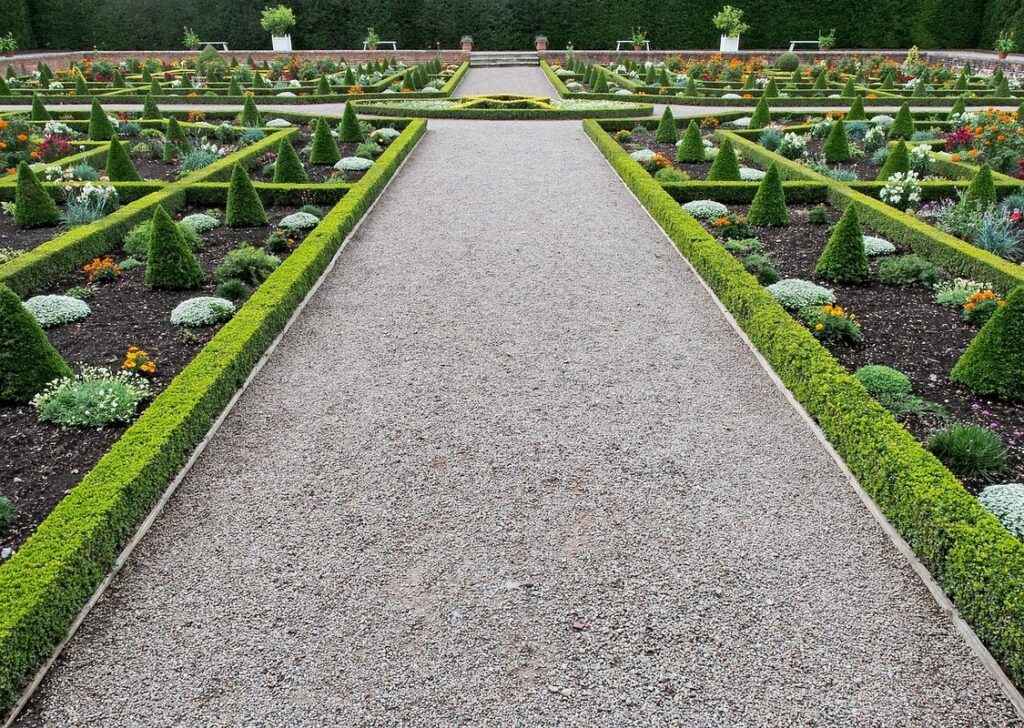
Choosing the Right Plant Species
When it comes to creating a stunning formal hedge, selecting the right plant species is crucial. Let’s take a closer look at some of the top options for your consideration.
Factors to Consider in Selecting a Hedge Plant
When selecting a hedge plant for your formal landscape, it’s essential to consider several factors that will ensure its success and longevity. First and foremost, think about your local climate and how it will impact the plant’s growth and health. For instance, if you live in an area with extreme temperatures or high humidity, choose plants that are tolerant of these conditions.
You should also consider the soil type in your garden. Some hedge plants prefer well-drained soil, while others can thrive in clay or sandy soils. Select plants that match your soil’s characteristics to avoid potential problems. Furthermore, think about the amount of sunlight your garden receives. Some hedge plants require full sun, while others prefer partial shade.
Additionally, consider the maintenance needs of the plant, including pruning requirements and growth rate. If you’re short on time or have limited space, choose a slow-growing plant that requires minimal upkeep. It’s also crucial to research potential disease or pest issues in your area and select plants that are resistant to these problems. This will save you from costly treatments and ensure your hedge remains healthy and thriving.
Popular Formal Hedge Plant Options
When it comes to formal hedge plants, you have a plethora of options to choose from. Topiary trees are an excellent choice for a classic, elegant look. Boxwood and holly are two popular varieties that can be shaped into intricate designs or kept simple and neat. They require regular pruning but are relatively low-maintenance.
Flowering shrubs like lilac and rose add color and vibrancy to your formal hedge. Lilacs bloom in the spring with beautiful purple flowers, while roses come in a range of colors depending on the variety. Both options require more maintenance than topiary trees or coniferous evergreens but are well worth it for their stunning displays.
Coniferous evergreens like arborvitae and cedar provide year-round greenery without the need for regular pruning. Arborvitae is also resistant to pests and diseases, making it a great option for busy gardeners. Cedar has a distinctive scent and can be used to create a natural, rustic look. When choosing a coniferous evergreen, consider the mature size of the plant to ensure it fits your space.
Designing Your Hedge Layout
When it comes to creating a beautiful and well-manicured hedge, designing your layout is a crucial step. This involves considering factors such as shape, size, and style to achieve your desired outcome.
Basic Principles of Hedge Design
When designing a formal hedge layout, it’s essential to consider several basic principles that will create visual balance and harmony in your garden. Shape, size, and placement are crucial factors to keep in mind.
A well-designed hedge should have a clear shape or form, which can be achieved by using regular shapes like squares or rectangles, or more elaborate designs like topiaries. Consider the mature size of the plant when selecting one for your hedge, ensuring it won’t outgrow its space. Also, think about the placement of your hedge in relation to surrounding features such as buildings, pathways, and other plants.
To create visual balance, you can use principles like symmetry and asymmetry. Symmetrical hedges can be achieved by mirroring a central axis, while asymmetrical designs can add visual interest by placing plants at varying heights or densities. You can also experiment with layering different types of plants to create depth and texture in your hedge.
Incorporating plants with varying growth rates will also help maintain the desired shape and prevent overgrowth. For example, slower-growing plants like boxwood or yew can be paired with faster-growing ones like privet or cypress.
Incorporating Focal Points and Features
When it comes to designing your formal hedge layout, incorporating decorative features can elevate the overall aesthetic and create a sense of tranquility. Consider adding focal points such as statues, benches, or water features to break up the linear form of the hedge. A well-placed statue or fountain can draw the eye towards specific areas of the garden, creating visual interest and balance.
To avoid overwhelming the space, start with one statement piece and build from there. For example, a large stone bench can become a focal point, while surrounding it with smaller decorative elements like bird baths or sundials adds depth without cluttering the area.
Remember to scale your features in relation to the hedge itself – a small statue will get lost among dense foliage, while a larger one may overwhelm the space. By thoughtfully incorporating these elements, you can create a harmonious and inviting atmosphere that complements your formal hedge.
Planting and Maintenance
Once you’ve chosen your formal hedge plants, it’s time to plant them correctly. In this next part of our guide, we’ll walk you through planting and maintenance techniques.
Preparing the Soil for Planting
Before planting formal hedge plants, it’s essential to prepare the soil to provide them with the best possible conditions for growth. One of the first steps is to test the pH levels of your soil. This can be done using a DIY kit or by sending a sample to a laboratory for analysis. Most formal hedge plants prefer a slightly acidic to neutral soil pH, ranging from 6.0 to 7.0.
Once you’ve determined your soil’s pH level, it’s time to remove weeds and debris. Use a cultivator or fork to gently loosen the soil, being careful not to damage any underlying roots. Next, remove any weeds by hand or with a weeding tool, taking care to get as much of the root system out as possible.
If your soil test reveals nutrient deficiencies, now’s the time to amend it. Add organic matter like compost or well-rotted manure to improve drainage and fertility. You can also use fertilizers specifically formulated for formal hedge plants to give them a boost.
Ongoing Care and Pruning Techniques
To keep your formal hedge looking its best, regular care and maintenance are essential. This includes watering, fertilizing, and pruning to promote healthy growth and prevent damage.
Watering is critical, especially during hot summer months when plants can quickly become dehydrated. Check the soil moisture by inserting a finger into the soil up to the knuckle. Water thoroughly, but avoid overwatering, which can lead to root rot and other problems. A general rule of thumb is to water your hedge every 2-3 days during dry spells.
Fertilization should be done seasonally, typically in spring and fall. Use a balanced fertilizer (10-10-10) according to the manufacturer’s instructions. Pruning is perhaps the most important aspect of maintaining a formal hedge. Shearing involves cutting back the tips of branches to maintain shape and promote even growth. Thinning removes select branches to allow more sunlight and air circulation, which can help prevent disease.
Deadheading, or removing spent flowers, encourages new blooms and keeps your hedge looking neat and tidy. For best results, prune in cooler months when plants are dormant, as this allows them to heal quickly without stress.
Troubleshooting Common Issues
As you work on shaping and maintaining your formal hedge plants, you may encounter some common issues that can be frustrating to resolve. Let’s troubleshoot these problems together.
Identifying and Addressing Pests and Diseases
When it comes to formal hedge plants, pests and diseases can be a major concern. As a responsible gardener, it’s essential to recognize common issues early on to prevent them from spreading and causing irreparable damage.
Start by inspecting your hedges regularly for signs of infestation or infection. Check for aphids, whiteflies, spider mites, and other pests that can feed on sap and cause yellowing leaves. For diseases like root rot and leaf spot, look for blackened roots, soft spots on leaves, and yellowing foliage.
To control pest infestations, use a combination of methods such as introducing natural predators (e.g., ladybugs to control aphids), practicing good hygiene (e.g., disinfecting pruning tools), and applying targeted pesticides. For diseases, improve soil drainage, adjust watering schedules, and treat affected areas with fungicides.
Some common signs of pests include curled or distorted leaves, sticky honeydew droplets, and a fine webbing on stems. Similarly, diseases can manifest as soft black spots, powdery patches, or sudden defoliation. Keep in mind that prevention is key – maintaining healthy plants through proper care and monitoring can go a long way in preventing pest and disease issues.
Resolving Structural Problems with Your Hedge
When it comes to maintaining a formal hedge plant, one of the most pressing concerns is ensuring its structural integrity. A leaning or dead branch can quickly become an eyesore and detract from the overall aesthetic of your garden.
Before attempting to address the issue yourself, take stock of the severity of the problem. If you notice only a few dead or broken branches, pruning them may be sufficient. Use clean, sharp tools and remove any diseased or dying wood as close to the trunk as possible. However, if the damage is more extensive or your plant is top-heavy, it’s best to consult a professional arborist for assistance.
Arborists have the training and expertise to safely assess and address structural issues like leaning branches or deadwood. They can also provide guidance on how to prevent similar problems from arising in the future.
Tips for Creating Year-Round Interest
To keep your formal hedge plant looking its best throughout the year, consider these expert tips for creating year-round interest. This includes pruning techniques and seasonal color strategies.
Incorporating Seasonal Colors and Textures
Incorporating seasonal colors and textures into your formal hedge is essential to create year-round interest. While formal hedges are often associated with a uniform appearance, you can add variety and depth by incorporating plants that change with the seasons.
Consider adding flowering plants like lavender or rosemary in early spring, which will bloom with vibrant colors and attract pollinators. As summer approaches, introduce heat-tolerant plants such as lantana or gazania to maintain the hedge’s vibrancy. In fall, add seasonal interest with shrubs like burning bush (Euonymus alatus) or sweet bay magnolia (Magnolia virginiana), which display stunning foliage color changes.
To add texture and depth, incorporate evergreen foliage into your formal hedge. Choose plants with different leaf shapes, sizes, and colors to create visual interest. For example, pair the smooth leaves of boxwood (Buxus sempervirens) with the coarse, scaly foliage of yew (Taxus baccata). This contrast will add dimension to your hedge while maintaining its formal appearance.
Remember to choose plants that are suitable for your climate and soil type to ensure their success in your hedge.
Using Lighting and Other Visual Effects
When it comes to creating year-round interest with formal hedge plants, lighting and visual effects can be game-changers. By strategically using light, you can enhance the appearance of your hedges during different times of day or year. For example, installing solar-powered lights along the edges or top of your hedge can create a beautiful glow in the evening hours.
Misting and fogging systems are also great options to consider. These systems release a fine mist that can be programmed to run at specific times of day, adding visual interest to your hedge during hot summer months or even creating a dramatic effect on cooler winter evenings. To get the most out of these systems, consider programming them to start about an hour before sunset, allowing the mist to dissipate just as it gets dark.
By combining lighting and visual effects with the right plant selection and regular maintenance, you can create a stunning formal hedge that looks great year-round, even in areas with extreme weather conditions.
Budgeting and Planning for Your Formal Hedge
When planning a formal hedge, creating a realistic budget is essential to avoid overspending on materials and labor. Let’s break down how to create a budget that suits your specific needs.
Setting Realistic Expectations and Budgets
When it comes to formal hedge plants, it’s easy to get caught up in grand visions of perfectly manicured hedges and lush greenery. However, before you start digging and planting, it’s essential to establish a realistic budget and timeline for your project.
To avoid costly over-spending or missed deadlines, take the time to assess your yard’s unique needs and constraints. Consider factors such as soil type, sunlight exposure, and existing plant life. This will help you determine how many plants you’ll need, which varieties will thrive in your conditions, and what kind of maintenance will be required.
A general rule of thumb is to allocate 10-20% of your total budget for ongoing maintenance costs, including pruning, watering, and fertilizing. Be sure to also set aside a contingency fund to account for unexpected expenses or setbacks. By setting realistic expectations and allocating resources effectively, you’ll be able to enjoy the beauty and benefits of your formal hedge without breaking the bank.
Considering Long-Term Maintenance Costs
When planning for your formal hedge, it’s essential to consider ongoing maintenance costs. These expenses can add up quickly, especially if you’re not prepared. Labor costs are often the most significant expense, with professional pruning and trimming services ranging from $30 to over $100 per hour, depending on the complexity of the task.
In addition to labor, equipment costs can also be substantial. Hedge trimmers, shears, and other specialized tools require regular maintenance or replacement, which can set you back anywhere from a few hundred to several thousand dollars.
To spread these expenses over time, consider creating a yearly budget for hedge maintenance. Set aside a specific amount each month or season to cover labor costs, equipment needs, and potential replacement requirements. You may also want to explore cost-saving options, such as DIY pruning techniques, which can be more affordable but require some skill and effort.
To give you a better idea of the costs involved, consider that a large formal hedge with regular maintenance needs can cost upwards of $1,000 per year.
Frequently Asked Questions
How can I ensure my formal hedge remains healthy during extreme weather conditions?
Consider selecting plant species that are naturally resistant to drought or excessive rainfall, such as boxwood or holly. Additionally, be sure to provide adequate drainage and adjust your watering schedule accordingly.
Can I combine different types of plants for a unique look in my formal hedge?
Yes, combining multiple plant species can add visual interest to your formal hedge. However, ensure that the plants have similar growth rates and maintenance requirements to avoid unevenness and added upkeep.
How often should I prune my formal hedge to maintain its shape and size?
Pruning frequency depends on the rate of growth for your specific plant species. As a general rule, prune formally during the dormant season (winter or early spring), and lightly during the growing season to maintain desired shape and promote healthy growth.
What are some creative ways to incorporate lighting into my formal hedge design?
Consider using solar-powered lights or string lights with a warm glow to create ambiance in the evening. You can also use spotlights to highlight specific features or focal points within your hedge, adding depth and visual interest.
Can I grow a formal hedge on a slope or uneven terrain?
Yes, but it may require additional planning and support. Install retaining walls or plant roots with strong anchorage to prevent soil erosion and stabilize the plants. Choose drought-tolerant species if possible, as they’ll require less maintenance in such conditions.