
Are you ready to elevate your outdoor space with a touch of elegance? A well-designed formal garden can be a stunning addition to any property, providing a serene oasis for relaxation and entertainment. But creating one requires more than just pretty plants – it demands careful selection and placement of the right formal garden plants. Whether you’re a seasoned gardener or a newcomer to the world of horticulture, this comprehensive guide will walk you through the essential steps for selecting, planting, and maintaining elegant formal garden plants. From choosing timeless classics like boxwood and topiary to incorporating seasonal blooms and ornamental grasses, we’ll cover it all – giving you the confidence and expertise to create a show-stopping formal garden that reflects your personal style and complements your home’s architecture.
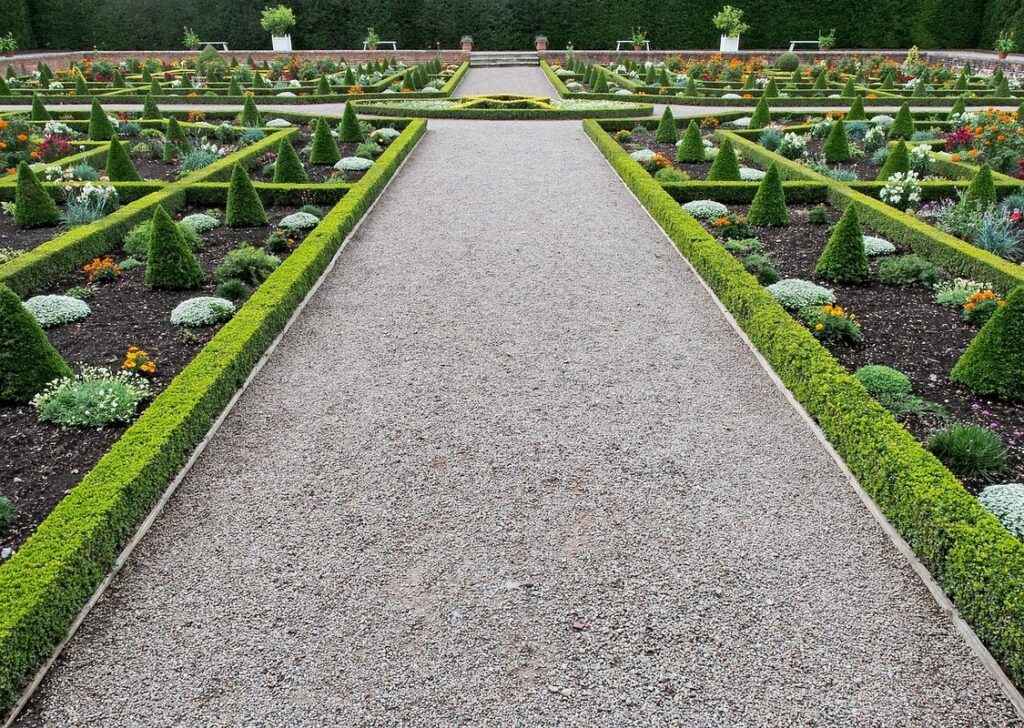
Choosing the Right Plants for Your Formal Garden
When selecting plants for your formal garden, it’s essential to consider factors such as maintenance needs and the overall aesthetic you want to achieve. This will help you choose plants that complement your space.
Section Overview
When designing a formal garden, it’s essential to understand the unique requirements of these spaces. Formal gardens are characterized by their symmetry, orderliness, and strict adherence to traditional design principles. Unlike informal gardens, which often feature a mix of plants and loose structures, formal gardens rely on carefully selected plants that provide structure, texture, and visual interest.
To create an effective formal garden, it’s crucial to choose plants that thrive in these conditions. This means selecting species that can tolerate regular pruning, have a compact or slow-growing habit, and offer year-round interest. Consider incorporating hedges, shrubs, or flowering perennials with architectural features like interesting foliage or unique flower shapes.
When selecting plants for your formal garden, keep in mind the available sunlight, soil type, and overall climate of your region. This will help you narrow down options to those that will perform well and require minimal maintenance. By choosing the right plants, you can create a beautiful and timeless formal garden that provides years of enjoyment and satisfaction.
Understanding Formal Garden Styles
When it comes to creating a stunning formal garden, understanding the various styles that exist can help you make informed decisions about plant selection. Formal gardens have been a staple of landscape design for centuries, and different regions have developed their unique interpretations. Let’s take a look at three prominent formal garden styles: French, Italian, and English.
The French style is characterized by symmetry, order, and precision. Think grand fountains, perfectly manicured hedges, and intricate topiaries. Plants that thrive in structured environments, such as boxwood and lavender, are popular choices for this style. For example, the Gardens of Versailles, a quintessential French formal garden, showcases the perfect blend of ornate fountains, sculptures, and well-manicured lawns.
In contrast, Italian gardens often feature sweeping curves and meandering paths. Plants with loose, flowing growth habits, like clematis and jasmine, are favored for their ability to soften these organic lines. The Boboli Gardens in Florence, Italy, exemplifies this style with its majestic terracing and lush Mediterranean vegetation.
English formal gardens, on the other hand, blend structure with a touch of whimsy. Plants like roses, conifers, and ferns add a sense of informality while still maintaining a level of sophistication. Take, for instance, the famous gardens at Stowe in Buckinghamshire, which feature an intricate maze and stunning floral displays.
When choosing plants for your formal garden, it’s essential to consider the underlying style that guides its design. This will help you select plants that complement the aesthetic and create a harmonious atmosphere. By understanding these different styles, you can develop a cohesive plan and bring your vision to life.
Plant Selection Criteria
When selecting plants for your formal garden, there are several key factors to consider. First and foremost, you must take into account the climate of your region. Different types of plants thrive in different climates, so it’s essential to choose species that can tolerate the local temperature fluctuations, humidity levels, and weather patterns.
In addition to climate, soil type is also a crucial consideration. Formal gardens often feature neatly manicured lawns, which require well-draining soils to prevent waterlogged conditions. If your garden has heavy clay or sandy soils, you may need to incorporate amendments to improve drainage and fertility.
Maintenance needs are another vital factor to consider when selecting plants for your formal garden. Some plants require regular pruning, deadheading, and watering, while others can thrive with minimal attention. Consider the level of care you’re willing and able to provide, as well as the time constraints of your lifestyle. For example, topiaries and hedges may require regular shaping and maintenance, but they offer a beautiful, structured appearance that is perfect for formal gardens.
When evaluating plant options, also consider factors such as mature size, growth rate, and disease resistance to ensure the plants you choose will thrive in their environment and provide long-term benefits.
Plants for Different Seasons
When planning a formal garden, choosing plants that thrive in different seasons is crucial to ensure year-round beauty and interest. Let’s explore some excellent options for each season.
Spring Blooms in Formal Gardens
As spring awakens from its winter slumber, formal gardens come alive with vibrant colors and intoxicating scents. This is the perfect time to showcase some of the most stunning blooming plants that thrive during this season. Among the top contenders are tulips, daffodils, and azaleas, which can be expertly integrated into a formal design.
When selecting spring-blooming plants for your formal garden, consider their mature size, growth habits, and bloom times to ensure harmonious coexistence with existing structures and foliage. For instance, tall tulip varieties like ‘Darwin Hybrids’ or ‘Flaming Parrot’ can be paired with daffodils of varying heights to create a dynamic visual display.
To incorporate these spring blooms into your formal design, think about grouping them by color, texture, or shape to create visually appealing vignettes. For example, plant azaleas with delicate pink flowers alongside vibrant blue forget-me-nots and white bleeding hearts for a cohesive yet whimsical effect.
Summer Interest with Perennials
When designing a formal garden, it’s essential to consider plants that offer year-round interest. While annuals can provide vibrant pops of color during their growing season, perennials like daylilies, coneflowers, and hydrangeas are often overlooked for their potential in creating a stunning display of summer blooms.
These flowering perennials not only bring a burst of color to the garden but also attract pollinators, such as bees and butterflies. For instance, coneflowers (Echinacea spp.) come in a range of colors, including pink, purple, and white, and are known for their ability to attract these beneficial insects.
Hydrangeas (Hydrangea spp.), on the other hand, offer large, showy flowers that add drama to any formal garden. Their blue or pink blooms can be manipulated by adjusting soil pH levels, making them a versatile choice for gardeners.
To incorporate perennials like daylilies and coneflowers into your formal garden design, consider planting them in clusters or drifts to create a naturalized look. This will not only add visual interest but also encourage these plants to spread and self-seed over time, creating a low-maintenance yet dynamic display of summer blooms.
Autumn Color with Foliage Plants
When it comes to incorporating autumn color into your formal garden design, foliage plants are an excellent choice. Trees like maples, oaks, and sweetgum trees are renowned for their vibrant fall displays, making them a stunning addition to any landscape.
For a formal design, consider the overall aesthetic you want to achieve. Do you prefer a dramatic statement or a more understated elegance? If it’s the former, a Japanese maple (Acer palmatum) with its brilliant scarlet foliage may be just what you’re looking for. On the other hand, if subtlety is your goal, a sweetgum tree (Liquidambar styraciflua) with its deep purple foliage might be more suitable.
To maximize the impact of these trees in your formal garden design, choose varieties that thrive in your climate and plant them in strategic locations. Consider grouping similar plants together to create visual interest and balance. By thoughtfully incorporating these autumn-colored foliage plants into your landscape, you can add depth, texture, and a pop of color to your formal garden, ensuring it remains stunning even as the seasons change.
Plant Care for Formal Gardens
When it comes to maintaining a beautiful formal garden, proper plant care is crucial to keep your lush greenery looking its best. In this section, we’ll explore essential tips and tricks for nurturing your formal garden plants.
Watering Strategies for Formal Garden Plants
When it comes to watering formal garden plants, getting it just right can be a challenge. Formal gardens often feature intricate designs and a variety of plant species, making it essential to tailor your watering strategy to meet their unique needs.
Drip irrigation systems are an excellent choice for formal gardens. These systems deliver water directly to the roots of plants, reducing evaporation and runoff while ensuring that each plant receives exactly what it needs. To install a drip irrigation system in your formal garden, start by mapping out the layout of your plants and identifying areas where water is most needed. Then, carefully lay out the tubing and drippers according to your plan, making sure to leave space for easy maintenance.
Mulching techniques can also play a significant role in watering formal garden plants effectively. Organic mulches like wood chips or bark retain moisture in the soil while suppressing weeds that might compete with your plants for water. By applying a 2-3 inch layer of mulch around the base of your plants, you’ll be able to reduce watering frequency and promote healthy root growth.
Keep an eye on weather forecasts and adjust your watering schedule accordingly. Avoid overwatering during periods of heavy rainfall or extreme heat, as this can lead to waterlogged soil and root rot. By incorporating these strategies into your formal garden care routine, you’ll be well on your way to creating a lush and thriving oasis.
Fertilization and Pruning Practices
When it comes to maintaining formal garden plants, proper fertilization and pruning practices are crucial for their health and appearance. For instance, topiary plants like boxwood (Buxus sempervirens) require regular feeding with a balanced fertilizer during the growing season to maintain their desired shape and size.
Pruning is another essential practice that helps control the size and shape of formal garden plants. Hedge clippers or pruning shears are used to trim back overgrown branches, while loppers or pruning saws are used for thicker stems. Regular pruning not only maintains the plant’s shape but also promotes healthy growth by removing dead or diseased wood.
Some plants benefit from more specialized fertilization and pruning techniques. For example, hydrangeas (Hydrangea spp.) require acidic soil to produce blue flowers, while red-tipped photinias (Photinia fraseri) need protection from extreme temperatures through regular pruning. By understanding the specific needs of your formal garden plants, you can tailor your fertilization and pruning practices to achieve the best results.
When fertilizing or pruning, it’s essential to use the right tools for the job to avoid damaging the plant.
Pest and Disease Management in Formal Gardens
When it comes to maintaining a formal garden, pest and disease management is an essential aspect of plant care. Formal gardens often feature plants that are highly valued for their beauty and rarity, making it crucial to take proactive measures against common pests and diseases.
Aphids, for instance, can quickly spread from one plant to another, causing significant damage to leaves and stems. To manage aphid populations, use neem oil or insecticidal soap as a preventative measure. Regularly inspect your plants, especially during peak aphid season, and apply these treatments as needed.
Slugs are another common pest that can wreak havoc on formal garden plants, particularly those with soft leaves and stems. Use copper tape around planters to deter slugs, or try crushed eggshells to create a barrier against their slimy trails. Keep your garden free of debris and weeds, which can provide shelter for slugs.
Powdery mildew is a fungal disease that affects many formal garden plants, causing white powdery patches on leaves. To prevent powdery mildew, ensure good air circulation around your plants and avoid overhead watering, which can encourage fungal growth. Use a fungicide specifically designed to combat powdery mildew, and remove any affected leaves to prevent the disease from spreading.
Regular monitoring of your plants, combined with prompt action when issues arise, will help maintain the health and integrity of your formal garden.
Designing a Harmonious Formal Garden
When creating a formal garden, it’s essential to consider the harmony between different plant species and design elements to achieve a visually stunning space. This section will guide you through designing a cohesive and beautiful formal garden.
Creating Balance and Proportion
Achieving balance and proportion is crucial in creating a harmonious formal garden. A well-balanced design can elevate the overall aesthetic appeal of your garden, making it more visually appealing and enjoyable to spend time in. One way to achieve this balance is by using symmetry. Symmetry creates a sense of order and structure, which is perfect for formal gardens. You can use mirror imaging or radial symmetry to create a balanced look.
To add visual weight, consider the size, scale, and placement of your plants. Large trees or shrubs should be placed towards the back of the garden to create depth, while smaller plants should be placed towards the front. The rule of thirds is also useful in creating balance – imagine dividing your garden into thirds both horizontally and vertically, and place your most visually appealing features along these lines.
Remember, achieving balance and proportion requires a thoughtful approach to plant selection and placement. Take your time, experiment with different layouts, and don’t be afraid to make adjustments as needed. With patience and practice, you’ll be able to create a beautifully balanced formal garden that exudes elegance and sophistication.
Incorporating Hardscaping Elements
Incorporating hardscaping elements into your formal garden is an excellent way to enhance its aesthetic appeal. These design features can add visual interest, create a sense of flow, and even influence the overall mood of your outdoor space. One key aspect of incorporating hardscaping elements is choosing materials that complement the style of your garden. For instance, if you’re creating a classic English formal garden, stone pathways, brick walls, or ornate fountains would be fitting choices.
Consider adding a meandering pathway made from natural stone or bluestone to create an inviting entrance for visitors. Alternatively, incorporating a statement piece like a bronze sculpture or a beautifully crafted wooden bench can add sophistication and personality to your space. Another feature worth considering is installing a focal point like a stunning fountain or a serene water feature. Not only will this add visual interest but also create a soothing ambiance.
When selecting hardscaping elements, remember that their function should complement the beauty of your formal garden plants. Balance clean-lined structures with lush greenery and colorful blooms to avoid overwhelming the space.
Using Formal Garden Plants in Small Spaces
When working with small spaces, it can be challenging to create a harmonious and formal garden. However, by selecting the right plants and arranging them thoughtfully, you can achieve a beautiful and structured look even in compact areas. When choosing formal garden plants for a small space, consider those that are naturally compact or have a vertical growth habit.
For example, topiary plants like boxwood or yew can be pruned to maintain a specific shape and size, making them perfect for container gardens or urban spaces with limited room. Similarly, ornamental grasses like pampas grass or fountain grass can add height and texture without taking up too much space.
When arranging your plants in small spaces, consider the rule of thirds: place taller elements towards the back and shorter ones towards the front. This will create a sense of balance and visual harmony. Also, don’t forget to leave enough space between each plant for easy maintenance and to prevent overcrowding. By following these tips, you can create a stunning and formal garden even in the smallest of spaces.
Maintenance and Upkeep for Formal Gardens
To keep your formal garden looking its absolute best, regular maintenance is crucial – let’s explore some essential tips to get you started.
Seasonal Maintenance Tasks
To keep your formal garden looking its absolute best, it’s essential to perform regular seasonal maintenance tasks. This will ensure that your plants remain healthy, thriving, and perfectly in place.
In the spring, one of the most critical tasks is pruning. Remove dead or damaged branches from shrubs and trees, cutting them back to about one-third of their original size. This will promote new growth and encourage a lush, full appearance. Additionally, consider removing any winter mulch and replacing it with fresh, organic material.
Summer brings an abundance of blooms, which means it’s time for deadheading. Regularly remove spent flowers from perennials and annuals to encourage more blooms and prevent seed production. This will also keep your garden looking tidy and well-manicured. Mulching is another essential task in the summer months, as it helps retain moisture, suppress weeds, and regulate soil temperature.
In autumn, focus on preparing your plants for the colder months ahead. Cut back perennials to about three inches from the ground, and apply a layer of winter mulch to protect the roots from frost damage. Finally, during the winter months, simply inspect your garden regularly, removing any debris or dead plant material that may have accumulated over the season.
Common Problems and Solutions
Formal gardens require regular maintenance to keep them looking their best. One of the most common problems gardeners face is weeds. These unwanted plants can quickly take over and choke out more desirable plants. To prevent this, it’s essential to implement a weed control plan that includes mulching, hand-pulling, or using herbicides.
Another issue formal gardens encounter is pests. These can be insects, diseases, or even wildlife that damage plants. To combat these problems, gardeners should adopt integrated pest management (IPM) techniques. This involves monitoring the garden regularly for signs of pests and taking action before infestations become severe.
Some common pests to watch out for include aphids, slugs, and snails. For example, to control aphid populations, use neem oil or insecticidal soap. To prevent slugs and snails from damaging plants, remove any hiding places, such as debris or weeds, and use copper tape around planters.
Gardeners should also be aware of common diseases that affect formal garden plants, such as powdery mildew and black spot. Regularly inspecting plants for signs of disease can help catch problems early on, allowing for more effective treatment.
By implementing a proactive maintenance plan, including regular inspections, pruning, and pest control measures, gardeners can keep their formal gardens healthy and thriving. This involves setting aside time each week to tend to the garden, addressing any issues that arise promptly, and being prepared to adapt to changing conditions.
Long-Term Planning for Your Formal Garden
When it comes to maintaining a formal garden, long-term planning is crucial to ensure its continued beauty and health. To keep your garden thriving for years to come, you need to think about plant rotation, replacement, and rejuvenation strategies.
Start by mapping out your garden’s layout and identifying areas that may require rotation every 3-5 years. This could be due to soil depletion, pests, or disease buildup. For example, if you have a bed with high-maintenance plants like hydrangeas or azaleas, consider rotating them after 4-5 years to give the soil a break.
Identify replacement plants that are suitable for your garden’s conditions and will provide year-round interest. Consider factors such as bloom times, foliage colors, and texture to create a balanced and visually appealing display. For instance, if you’re replacing perennials like roses or peonies, choose new varieties with similar growth habits and requirements.
Regular rejuvenation is also essential for maintaining the health of your plants. This could involve pruning, staking, or division, depending on the plant type. By regularly reviewing and adjusting your garden’s layout, you’ll be able to identify areas that need attention and implement changes before they become major issues.
To ensure a smooth transition between seasons, consider implementing a ‘3-year plan’. Divide your garden into 3 sections: one for established plants, another for new additions, and the final section for maintenance and pruning. This way, you’ll have a clear schedule to follow, ensuring that each area receives the necessary care without overwhelming yourself or the garden.
By incorporating these long-term planning strategies into your gardening routine, you’ll be able to enjoy your formal garden’s beauty for years to come.
Frequently Asked Questions
What if I’m new to gardening, how do I choose formal garden plants that are easy to maintain?
If you’re a newcomer to gardening, start by selecting low-maintenance plants like boxwood, topiary, or ornamental grasses. These plants require less pruning and watering, making them perfect for beginners. Also, consider plants that thrive in your local climate and soil type.
Can I use formal garden plants in small spaces like balconies or patios?
Yes, you can incorporate formal garden elements into smaller outdoor areas like balconies or patios. Opt for compact varieties of formal garden plants, like dwarf topiaries or miniature boxwood. Use containers to control the size and make the most of your limited space.
How often should I water my formal garden plants during hot summer months?
Formal garden plants typically require consistent moisture levels, especially during hot summer months. Water them deeply once or twice a week, depending on your local climate and soil type. Make sure not to overwater, as this can lead to root rot and other issues.
What if I have limited sunlight in my formal garden, are there any plants that can still thrive?
While many formal garden plants prefer full sun, some varieties can tolerate partial shade. Look for plants like ferns, hostas, or hydrangeas, which can thrive in shaded areas. Consider using sheer curtains or umbrellas to filter direct sunlight and create dappled light effects.
Can I incorporate seasonal blooms into my formal garden, or will they disrupt its symmetry?
Formal gardens often feature seasonal blooms that add color and interest. To maintain symmetry, plant these blooms in a way that creates visual balance. For example, pair spring-blooming plants with summer foliage to create a harmonious transition throughout the seasons.
What are some common mistakes I should avoid when designing my formal garden?
Some common mistakes include over-pruning or over-fertilizing plants, which can damage their structure and health. Also, avoid overcrowding your garden, as this can lead to disease and pest issues. Take your time, plan carefully, and consult with experts if needed.
How do I create a long-term plan for maintaining my formal garden?
Developing a long-term plan involves regular maintenance tasks like pruning, fertilizing, and pest management. Schedule seasonal tasks in advance using a calendar or planner. Consider budgeting for annual plant replacements, soil testing, and equipment upgrades to ensure your formal garden remains healthy and beautiful over time.
Are there any specific design principles I should follow when arranging my formal garden plants?
While symmetry is key in formal gardens, balance and proportion are equally important. Arrange plants in a way that creates visual harmony, considering factors like scale, texture, and color. Don’t forget to leave enough space between plantings for air circulation and easy maintenance.
Can I use hardscaping elements like walkways and retaining walls to enhance my formal garden?
Yes, incorporating hardscaping elements can add structure and visual interest to your formal garden. Use materials that complement the style of your home and plants, such as natural stone or brick pavers. Consider using pathways to create a sense of flow and guide visitors through your garden.
How do I address common problems like pests, diseases, and weeds in my formal garden?
Regularly inspect your garden for signs of pests or diseases, and take action promptly if you spot any issues. Use integrated pest management techniques, such as neem oil or companion planting, to minimize harm to beneficial insects. Keep your garden well-maintained, including regular pruning and watering, to prevent weeds from taking over.
Can I use formal garden plants in container gardens or vertical planters?
Yes, you can incorporate formal garden elements into containers or vertical planters. Choose compact varieties of formal garden plants that thrive in container conditions. Consider using a trellis or espalier system to maximize space and create visual interest.