
Forest wildflowers are often overlooked natural treasures that bring vibrancy to our world. They may be small, but these delicate flowers play a huge role in maintaining the balance of ecosystems worldwide. From forest floors to mountain peaks, wildflowers come in a stunning array of colors and species. Not only do they attract pollinators like bees and butterflies, but their roots also help hold soil in place, preventing erosion. Unfortunately, many forest wildflower populations are facing threats due to habitat destruction and climate change.
This article will take you on a journey through the diverse world of forest wildflowers, exploring their importance, types found around the globe, and what we can do to protect them. We’ll delve into how these flowers contribute to ecosystem health, highlight some of the most fascinating species, and discuss responsible conservation methods for preserving these natural wonders. By learning more about forest wildflowers, you’ll not only gain a new appreciation for their beauty but also understand their vital role in maintaining our planet’s biodiversity.
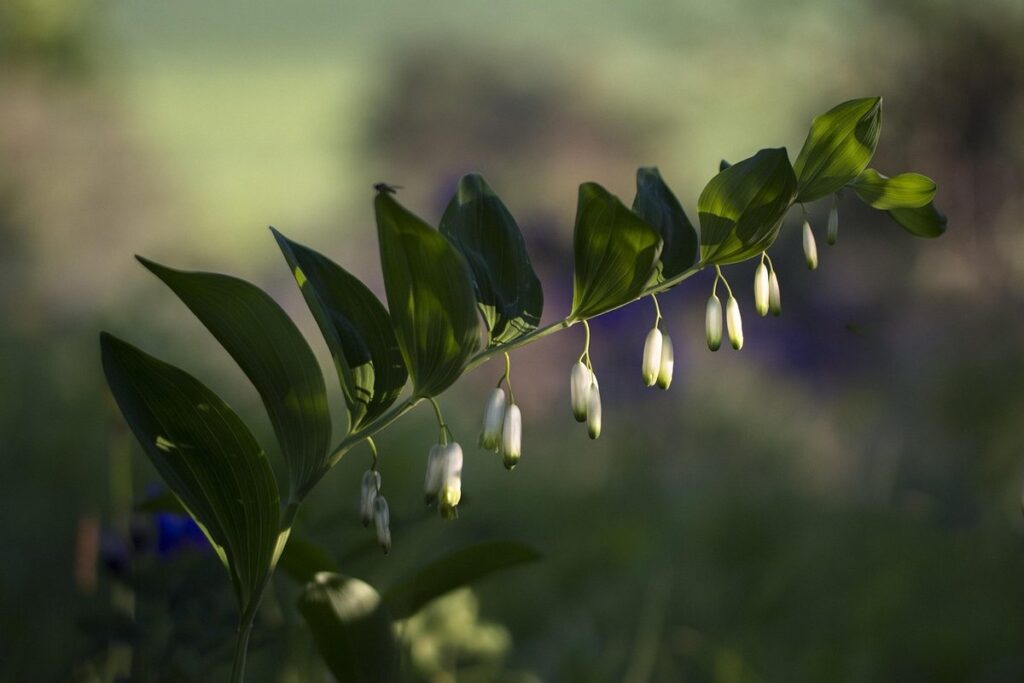
Understanding Forest Wildflowers: A Brief Overview
Forest wildflowers are more than just a pretty face, and understanding their unique characteristics is key to truly appreciating these natural treasures. Let’s take a closer look at what makes them tick.
What Are Forest Wildflowers?
Forest wildflowers are a breathtaking sight to behold, but what exactly are they? Simply put, forest wildflowers are flowers that grow and bloom within the understory of forests. These areas can range from dense coniferous woodlands to deciduous forests with varying levels of sunlight penetration. Unlike meadow or prairie wildflowers, which often thrive in open spaces, forest wildflowers have adapted to grow in the shaded conditions found beneath a forest canopy.
Forest wildflowers come in a wide variety of shapes, sizes, and colors, reflecting their diverse classification within botanical families such as Ranunculaceae (buttercups) and Gentianaceae (gentians). Key characteristics include broad leaves that thrive in low-light environments and often have adaptations for obtaining moisture from forest floor litter. They also tend to bloom earlier than meadow wildflowers, typically starting around late winter or early spring. This timing allows them to take advantage of the brief periods of sunlight filtering through forest foliage before it reaches its peak density during summer months.
Importance of Forest Wildflowers in Ecosystems
Forest wildflowers are often overlooked as mere decorations in our forests, but their importance extends far beyond aesthetics. In fact, they play a crucial role in maintaining healthy ecosystems. Let’s dive into the significance of these tiny wonders and how they contribute to pollination, soil quality, and biodiversity.
Pollinators such as bees and butterflies rely heavily on forest wildflowers for nectar and pollen, which is essential for their survival. Without these flowers, our ecosystem would be severely impacted. For instance, did you know that one-third of the world’s crops – including apples, blueberries, and almonds – are directly or indirectly dependent on bee pollination? Forest wildflowers like trillium and violets provide a vital source of food for these pollinators.
Forest wildflowers also have a profound impact on soil quality. Their roots help to break up compacted soil, allowing water and air to penetrate more easily. This process also increases the nutrient content in the soil, benefiting other plants that grow nearby. Moreover, when forest wildflowers bloom, they add organic matter to the soil through their dead petals, leaves, and stems.
Biodiversity is another critical aspect of forest ecosystems where wildflowers shine. They provide a home for various microorganisms like fungi and bacteria, which in turn help to decompose plant material and recycle nutrients. This complex web of relationships supports a wide range of wildlife, from insects to mammals, that depend on the wildflowers for food and shelter.
In short, forest wildflowers are more than just pretty faces; they’re essential components of our ecosystems. By understanding their importance, we can take steps to preserve these delicate wonders and maintain the health of our forests.
Types of Forest Wildflowers Found Around the World
From the majestic mountains of Asia to the lush forests of North America, these enchanting blooms thrive in diverse regions around the globe. Let’s explore some of the most striking examples.
Spring-Blooming Forest Wildflowers
As spring awakens from its winter slumber, forest floors burst into vibrant color with the appearance of spring-blooming wildflowers. These delicate beauties can be found in various regions around the world, each with their unique features and habitats.
Take, for instance, trilliums, which thrive in shaded woodlands across North America. With three petals and a distinctive three-leafed stem, trilliums are a striking sight to behold. Look for them near deciduous trees, where their rhizomes have taken hold. In contrast, the bellworts of eastern Europe and Asia prefer slightly drier conditions and can often be spotted growing alongside woodland streams.
Meanwhile, violets – with their small, delicate flowers and heart-shaped leaves – are a common sight in many temperate forests worldwide. They typically bloom in early spring and can thrive in a range of light conditions, from full sun to deep shade. If you’re hoping to spot these charming wildflowers on your next forest adventure, remember to look for them near woodland edges or along winding trails where the sunlight filters through the trees.
Summer-Blooming Forest Wildflowers
Summer-blooming forest wildflowers are a true delight to behold. As the warmer months arrive, these vibrant flowers burst forth with color and fragrance, transforming forests into breathtaking landscapes. One of the most striking features of summer-blooming forest wildflowers is their incredible diversity.
Take coneflowers (Echinacea spp.), for example. These drought-tolerant beauties come in a range of colors, from pure white to vibrant pink and purple. Black-eyed Susans (Rudbeckia hirta) are another popular species, known for their bright yellow petals with dark centers. Blazing Stars (Liatris spp.) add a touch of elegance with their spiky, star-shaped flowers in shades of pink, purple, and white.
If you’re lucky enough to have summer-blooming forest wildflowers in your neck of the woods, be sure to take advantage of their beauty by creating a welcoming habitat. Plant native species that provide nectar-rich flowers for pollinators, and avoid using pesticides or herbicides that can harm these delicate ecosystems. By doing so, you’ll not only be supporting biodiversity but also enjoying a kaleidoscope of color throughout the warmer months.
Identifying and Foraging for Forest Wildflowers Safely
When venturing into the woods to explore forest wildflowers, it’s essential to know how to identify them safely and responsibly. Here, we’ll guide you through the process of foraging like a pro.
Key Characteristics to Identify Forest Wildflowers
When venturing into the forest to explore its wildflower beauty, it’s crucial to be able to identify these flowers accurately. Start by observing the overall appearance of the flower, noting its color, shape, and size. Consider the leaves as well – are they opposite, alternate, or whorled? The growth pattern can also give you a clue: does it grow from the base of the stem, or does it emerge in clusters?
Be aware of common lookalikes that can be easily mistaken for one another. For instance, the yellow trillium and the white trout lily are often confused due to their similar trumpet-shaped flowers. However, if you take a closer look at the leaves and the growth pattern, you’ll notice distinctive differences.
Look for distinguishing features such as the number of petals, the shape of the sepals (the green parts that protect the flower), or any notable scents. Some wildflowers also have specific growth habits or habitats that can be used to narrow down their identity. By combining these observations, you should be able to make a confident identification and enjoy the forest’s hidden treasures without worrying about misidentification.
Precautions When Foraging for Forest Wildflowers
When foraging for forest wildflowers, it’s essential to practice responsible collecting habits to ensure these beautiful flowers continue to thrive. This not only preserves the ecosystem but also allows future generations to enjoy their splendor.
Before you start harvesting, familiarize yourself with local regulations and any necessary permits required. Some areas might have restrictions on which species can be collected or when they can be picked. Always follow guidelines set by park rangers, conservation groups, or local authorities.
When selecting wildflowers, choose those that are abundant and healthy-looking. Avoid picking from areas with heavy foot traffic or where pollutants may have accumulated. Consider the plant’s growth stage; if it’s in its reproductive phase, let it bloom to ensure seed dispersal.
Additionally, be aware of potential allergens or toxic species. Some forest wildflowers can cause skin irritation, while others are even poisonous when ingested. Research specific plants before collecting, and always wear protective gear like gloves and a mask to minimize exposure risks. By being mindful of these precautions, you’ll not only enjoy the experience but also help maintain a balanced ecosystem.
Conservation Status and Threats Facing Forest Wildflowers
Unfortunately, many forest wildflower species are threatened by habitat destruction, climate change, and overcollection of plants for ornamental use, which affects their survival.
These human activities pose significant risks to the long-term persistence of these beautiful flowers in our forests.
Factors Contributing to Decline in Forest Wildflower Populations
Forest wildflower populations are facing unprecedented threats, primarily due to human activities that disrupt their habitats and ecosystems. Habitat destruction is a significant contributor to the decline of forest wildflowers. As forests are cleared for agriculture, urban development, or logging, wildflowers lose their natural habitats and are unable to regrow in the disturbed areas.
Climate change also plays a critical role in the decline of forest wildflower populations. Rising temperatures alter the timing of seasonal events, such as flowering and pollination, making it challenging for wildflowers to adapt. Droughts and extreme weather events further exacerbate the issue by reducing soil moisture and increasing plant stress.
Another threat to forest wildflower populations is over-collecting for ornamental purposes. Many species are harvested from their natural habitats for commercial use, often without consideration for sustainability or conservation. This practice not only depletes wildflower populations but also disrupts ecosystem balance and can lead to the introduction of invasive species.
To mitigate these threats, it’s essential to adopt sustainable practices when interacting with forest wildflowers. When collecting wildflowers for ornamental purposes, opt for cultivated varieties or carefully sourced material from certified suppliers. Additionally, support conservation efforts by donating to organizations dedicated to protecting forest ecosystems.
Efforts Towards Conservation and Preservation
Forest wildflowers are facing numerous threats, from habitat destruction to climate change. However, there are many efforts underway to conserve and preserve these beautiful flowers.
Protected areas have been established in various regions, providing a safe haven for forest wildflowers to thrive. For instance, the Redwood National and State Parks in California, USA, offer a protected environment for rare species like the Pacific madrone (Arbutus menziesii). Similarly, the New Forest in England has been designated as a Site of Special Scientific Interest (SSSI), safeguarding its unique flora.
Reintroduction programs are also being implemented to revive declining populations. The European Union’s LIFE program, for example, has supported projects aimed at reintroducing species like the lady’s mantle (Alchemilla mollis) and the wood sorrel (Oxalis acetosella).
Public awareness campaigns play a crucial role in forest wildflower conservation. Organizations like the Wildflower Society are working to educate people about the importance of these plants and how they can contribute to their preservation. By spreading knowledge and promoting sustainable practices, we can all make a difference in protecting our precious forest wildflowers.
You can also contribute by planting native species in your garden or supporting local conservation efforts.
Practical Ways to Support Forest Wildflowers in Your Community
Now that you’re inspired by these stunning wildflowers, let’s talk about how you can help preserve them in your own community through simple actions and conscious choices.
Creating a Friendly Environment for Forest Wildflowers
Creating a welcoming environment for forest wildflowers is crucial for their survival and growth. When we create habitats that support these delicate flowers, we not only enhance their beauty but also contribute to the overall biodiversity of our ecosystem.
One effective way to do this is through habitat restoration projects. This can be as simple as clearing invasive species, adding organic matter to the soil, or installing a rainwater harvesting system to provide a steady water supply. For example, in a project conducted by the local conservation group, volunteers worked together to remove non-native plants and restore the native plant species in a forest area. The result was an explosion of colorful wildflowers that attracted pollinators and other wildlife.
You can also support local conservation efforts by joining or donating to organizations dedicated to preserving forest wildflowers. Many groups offer hands-on opportunities for volunteers, such as seed collection, plant identification, and habitat maintenance. By getting involved in these activities, you’ll not only be contributing to the preservation of forest wildflowers but also learning about their unique characteristics and needs.
Involving Children and Communities in Forest Wildflower Conservation
Engaging children and communities is crucial to preserving forest wildflowers for future generations. Many organizations offer programs that allow kids to participate in wildflower conservation efforts. For instance, the National Park Service’s “Wildflower Watch” program encourages schools to monitor and record local wildflower populations. This not only educates students about these plants but also contributes valuable data to conservation efforts.
Local community groups can also play a significant role in preserving forest wildflowers. They often organize clean-up events, plant native species, or establish pollinator gardens. For example, the Xerces Society provides resources and guidance for communities to create habitat restoration projects. By working together with children and local residents, we can foster a sense of ownership and responsibility towards these delicate ecosystems.
You can start by partnering with your child’s school or local community center to organize a wildflower-themed event. This could be as simple as hosting a nature walk, creating a pollinator garden, or participating in a citizen science project. Every small action counts in protecting our forest wildflowers for the future.
Frequently Asked Questions
How Can I Identify Forest Wildflowers Safely?
To identify forest wildflowers safely, consult field guides or online resources that specialize in plant identification. Be cautious of lookalike plants that may be toxic. When foraging, always research the specific species and its edible properties to avoid accidental poisoning. Consider consulting with an expert or joining a guided foraging tour if you’re new to identifying forest wildflowers.
What Can I Do If I Discover a Threatened Forest Wildflower Population in My Area?
If you discover a threatened forest wildflower population, contact local conservation organizations or your regional government’s environmental department. They can provide guidance on reporting and addressing the issue. You can also collaborate with community groups to develop a plan for protecting the area. Consider organizing clean-up events, invasive species removal, or habitat restoration projects.
How Can I Make My Community More Forest-Friendly?
Creating a forest-friendly environment involves several steps. Start by educating your community about the importance of forest wildflowers and their role in ecosystem health. Organize workshops on sustainable gardening practices, such as reducing pesticide use and maintaining native plant species. Also, collaborate with local businesses to promote environmentally friendly policies.
Can I Grow Forest Wildflowers in My Garden?
Yes, you can grow forest wildflowers in your garden! Choose plants that are suitable for your climate and soil type. When planting seeds or seedlings, follow the specific growing instructions for each species. Provide conditions similar to those found in the wild, including well-draining soil and sufficient sunlight.
What Are Some Common Mistakes People Make When Foraging for Forest Wildflowers?
Common mistakes include over-harvesting, which can harm the ecosystem, and not identifying plants properly. Be aware of protected areas and follow local regulations when foraging. Also, don’t mistake lookalike plants for wildflowers; some may be toxic or cause allergic reactions. Always research the specific species before harvesting.