
Forest wild flowers are often overlooked, yet they play a vital role in maintaining the balance of our ecosystems. These delicate blooms not only add beauty to the forest landscape but also provide sustenance for pollinators and other wildlife. As we continue to urbanize and fragment natural habitats, preserving these tiny wonders is more crucial than ever.
In this article, we’ll delve into the world of forest wild flowers, exploring their importance in ecosystems, traditional uses, and modern-day significance. We’ll identify key species to look out for and discuss ways to appreciate and preserve them. From their role in seed dispersal to their medicinal properties, we’ll uncover the many reasons why these plants are worth getting to know. Whether you’re a nature enthusiast or simply interested in learning more about your surroundings, keep reading to discover the wonders of forest wild flowers.
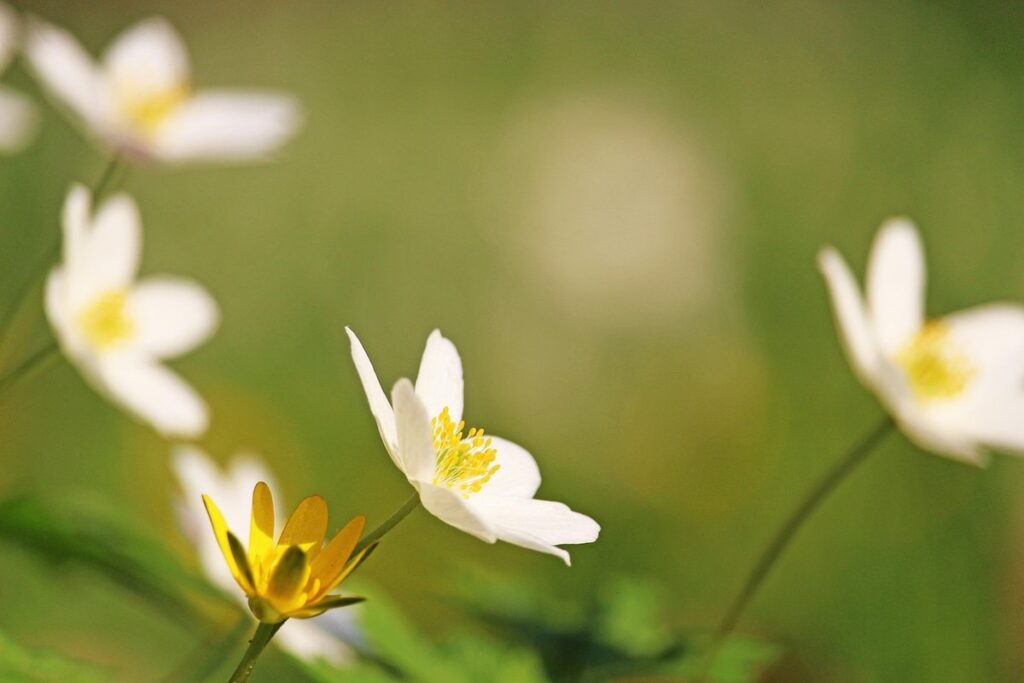
Understanding Forest Wild Flowers
Forest wild flowers can be notoriously tricky to identify, but understanding their key characteristics and habits is a great starting point for any enthusiastic botanist. Let’s break down what makes them unique.
The Importance of Forest Wild Flowers in Ecosystems
Forest wild flowers play a vital role in supporting local ecosystems. One of their most significant contributions is through pollination. As they bloom, these flowers provide a source of nectar and pollen for bees, butterflies, and other pollinators. This process not only allows these plants to reproduce but also enables the continued production of fruits and seeds essential for many food sources.
Forest wild flowers also serve as vital habitat creation tools. Their unique structures offer shelter and breeding grounds for various small animals, from insects to birds. The intricate networks of roots formed by forest wild flower clusters can even provide corridors for microorganisms and beneficial fungi to thrive. This complex network is crucial in maintaining soil quality, which has a direct impact on the overall health of the ecosystem.
By acknowledging the importance of these functions, we can better appreciate the intricate web of life that forest wild flowers support.
Types of Forests That Support Wild Flower Growth
When it comes to forest wild flowers, the type of forest they grow in plays a significant role in their diversity and abundance. There are several types of forests that support wild flower growth, each with its unique characteristics.
Temperate rainforests, for instance, receive high levels of rainfall throughout the year, creating an ideal environment for wild flowers to thrive. The moist soil and mild climate allow a wide range of species to grow, including trillium, lady’s slipper orchids, and western buttercup. If you’re planning a trip to the Pacific Northwest, be sure to visit the temperate rainforests of Oregon or Washington to witness these stunning wild flowers.
Deciduous forests, on the other hand, experience seasonal changes that bring forth a diverse range of wild flowers. In the spring, deciduous forests are painted with colors from blooming apple blossoms and cherry trees. Summer brings out the vibrant hues of coneflowers and black-eyed Susans, while autumn foliage provides a stunning backdrop for goldenrod and asters.
Coniferous forests also support a variety of wild flowers, although they may be less abundant than in deciduous or temperate rainforests. However, species like the spruce flower (Picea glauca) and the concolor fir (Abies concolor) add to the forest’s beauty during their blooming periods.
To appreciate these wild flowers, consider visiting different types of forests throughout the year. Keep an eye out for subtle changes in the forest floor, as they often indicate the presence of wild flowers. By understanding the unique characteristics of each forest type, you’ll be better equipped to identify and appreciate the stunning array of wild flowers that thrive within them.
Challenges Facing Forest Wild Flowers
Unfortunately, forest wild flowers are facing numerous challenges that threaten their very existence. One of the most significant threats is deforestation, which not only destroys their habitats but also disrupts their delicate ecosystem balance. Climate change is another major concern, as it leads to altered temperature and precipitation patterns, making it challenging for these plants to adapt.
Invasive species are also a major problem, as they often outcompete native wild flowers for resources such as water and nutrients. This can lead to a decline in the population of native species and even extinction in some cases. For example, the introduction of English ivy in the Pacific Northwest has led to the decline of many native plant species.
To mitigate these threats, it’s essential for us to take action. We can start by supporting conservation efforts, such as reforestation programs and habitat restoration projects. By doing so, we can help preserve the habitats of forest wild flowers and ensure their continued existence. Additionally, spreading awareness about the importance of native plant species and the dangers of invasive species can also make a significant difference.
Identifying Forest Wild Flowers
To identify forest wild flowers, look for distinct features such as leaf shape, bloom color, and growth habit, which can help narrow down their identification.
Common Characteristics of Forest Wild Flowers
When exploring forest wild flowers, it’s essential to know what to look for to make identification easier. One of the key characteristics is leaf shape and arrangement. Typically, forest wild flowers have leaves that are arranged oppositely or alternately on the stem. The shape can vary from simple oval-shaped leaves to more complex pinnate or palmate ones. Some plants, like trilliums, have whorled leaves, while others, such as lady’s slippers, have basal leaves.
Another characteristic is flower color and pattern. Forest wild flowers often exhibit a range of colors, including white, yellow, pink, purple, and red. The patterns can be simple or complex, with some plants displaying intricate details like stripes or spots. For instance, the eastern mayapple has yellowish-green flowers with 6 petals, while the wood sorrel displays small, white or pinkish flowers.
The growth habit of forest wild flowers is also a distinguishing feature. Some plants are upright and tall, like the tulip tree poppy, while others spread out and form mats, such as the sweet woodruff. Understanding these characteristics will help you quickly identify forest wild flowers and appreciate their beauty in their natural habitat.
Using Field Guides and Online Resources for Identification
When venturing into the forest to identify wild flowers, it’s essential to have the right tools at hand. Field guides and online resources can be incredibly helpful in this regard. A field guide is a book that provides detailed descriptions and illustrations of various plant species found in different regions. It’s an excellent resource for beginners, as it allows you to compare your findings with known examples.
Online databases and apps have also become invaluable tools for identification. Websites like PlantSnap and iNaturalist allow users to upload photos of plants and receive identifications from a community of experts. Mobile apps such as FlowerChecker and Leafsnap provide similar functionality. When using these resources, it’s crucial to ensure accurate photo documentation. Take clear, well-lit images of the plant’s key features, including leaves, petals, and overall shape.
Additionally, online forums and social media groups dedicated to wild flower enthusiasts can be a great source of information and guidance. Don’t hesitate to reach out for help when you’re unsure about a particular species. Remember, identification is an ongoing process that requires patience and practice.
Best Practices for Responsible Foraging
When it comes to collecting forest wild flowers, it’s essential to practice responsible foraging. This not only ensures that you can enjoy these beautiful blooms without harming the environment, but also helps preserve their populations for future generations.
First and foremost, make sure to check local regulations before harvesting any wildflowers. Some species may be protected or require permits, so it’s crucial to do your research beforehand. Additionally, choose areas with minimal human impact, such as less-traveled trails or remote sections of forest. This will help minimize the risk of disrupting sensitive ecosystems.
When harvesting, follow these guidelines: only take what you need, avoid damaging surrounding plants, and leave some for other foragers and pollinators. Consider taking cuttings or dividing plants instead of digging up entire roots to prevent damage to the ecosystem. By adopting responsible foraging practices, you’ll not only contribute to the long-term health of forest wild flowers but also ensure that these beautiful blooms continue to thrive in their natural habitats.
How to Observe and Appreciate Forest Wild Flowers
Observing forest wild flowers requires patience, attention to detail, and a willingness to slow down and take it all in. By following these simple steps, you’ll be able to appreciate their beauty up close.
Tips for Spotting Forest Wild Flowers During Hikes
When venturing into the forest for a hike, keep an eye out for the vibrant blooms of wild flowers that can be found along the trails. To increase your chances of spotting these beautiful flowers, consider visiting during the late spring or early summer months when they are typically in bloom.
Start by looking for areas with moist soil and abundant sunlight, as many forest wild flowers thrive in these conditions. This often includes the edges of streams, meadows, and woodland clearings. Take a closer look at the base of trees, where trunks transition to roots, as many species tend to grow in this zone.
Also pay attention to your surroundings during peak blooming seasons, which vary by region but generally occur between April and July. By timing your hike correctly and scouring the right areas, you can catch a glimpse of these ephemeral yet breathtaking wild flowers in their natural habitat.
Photography Techniques for Capturing Forest Wild Flowers
When it comes to capturing the beauty of forest wild flowers through photography, there are several techniques you can use to take stunning images. One key aspect is lighting – try to photograph during the golden hour, just before sunset or after sunrise, when soft, warm light enhances the colors and textures of the flowers.
In terms of composition, consider using a low angle to emphasize the delicate blooms against the lush greenery surrounding them. Experiment with different angles and perspectives to create visually interesting shots. Additionally, focus on the details – capture close-ups of individual petals, sepals, or other distinctive features that make each flower unique.
When it comes to equipment, you don’t need a high-end camera to take great photos. A good quality DSLR or mirrorless camera with interchangeable lenses will serve you well. Bring a tripod to stabilize your camera and reduce blur caused by camera shake, especially when using slower shutter speeds to capture motion in water droplets on the flowers.
Consider experimenting with shallow depth of field to blur the background and draw attention to the flowers themselves. Practice makes perfect – take plenty of shots to fine-tune your technique and develop a keen eye for capturing the intricate beauty of forest wild flowers.
Preserving Forest Wild Flowers as Specimens or Art
Preserving forest wild flowers as specimens or art is an excellent way to appreciate their beauty and significance beyond their fleeting blooming season. To dry a wild flower for preservation, start by gently plucking the petals from the center of the flower and then placing them between sheets of paper towels or blotting paper to absorb excess moisture. Next, place the flowers in a single layer on a wire rack set over a baking sheet or tray, allowing air to circulate around each petal. Store the drying flowers in a cool, dry location with good airflow.
For mounting plants, begin by carefully selecting a sturdy branch and attaching the dried wild flower using a strong adhesive like floral adhesive or hot glue. Mounting on cardboard or foam board is also an effective method for displaying single specimens. To enhance your display, add context with natural elements such as pinecones, leaves, or small branches.
When creating art from forest wild flowers, consider pressing individual petals between pages of a book to flatten them for collage or mixed-media work. Alternatively, use a floral press or other specialized tool to preserve delicate petals and achieve crisp results.
The Role of Forest Wild Flowers in Human Culture
Forest wild flowers have long been a source of inspiration and fascination for humans, influencing art, literature, and even medicine throughout history. Let’s explore their role in human culture together.
Traditional Uses of Forest Wild Flowers
For centuries, indigenous cultures and other communities have harnessed the power of forest wild flowers for their medicinal, spiritual, and cultural significance. In many parts of the world, these delicate blooms are not just a source of beauty but also a reservoir of traditional knowledge.
In North America, for instance, the Ojibwe tribe has used the purple coneflower (Echinacea purpurea) to treat fever and sore throats. Similarly, in Asia, the Japanese have employed the chrysanthemum (Chrysanthemum parthenium) to alleviate headaches and skin irritations.
Ceremonial practices often incorporate forest wild flowers as well. In many Native American cultures, the sweetgrass (Festuca occidentalis) is burned during ceremonies to purify and protect individuals and communities. These plants are not only a source of spiritual growth but also a reminder of the interconnectedness between nature and human life.
When exploring traditional uses of forest wild flowers, it’s essential to approach these practices with respect and awareness of their cultural significance.
Forest Wild Flowers in Literature and Art
Throughout history, forest wild flowers have been an inspiration for artists and writers alike. In literature, they are often used as a metaphor for beauty, fragility, and the passage of time. For example, in William Wordsworth’s poem “I Wandered Lonely as a Cloud”, the poet describes a scene where he comes across a field of daffodils swaying in the breeze, symbolizing the joy and simplicity of nature.
In art, forest wild flowers have been depicted by many famous artists, including Claude Monet and Vincent van Gogh. Their paintings often capture the vibrant colors and delicate petals of these flowers, evoking feelings of serenity and wonder. For instance, Monet’s “Meules de Foin” (1890) features a field of poppies swaying in the wind, while Van Gogh’s “The Meadow in Provence” (1888) depicts a field of sunflowers standing tall against a blue sky.
If you’re an artist or writer looking to draw inspiration from forest wild flowers, consider visiting these ecosystems during peak bloom seasons. Take note of the colors, shapes, and textures of the flowers, as well as their placement within the surrounding landscape. By observing these details, you can create works that not only celebrate the beauty of forest wild flowers but also capture their essence and significance in human culture.
Modern-Day Significance of Forest Wild Flowers
Forest wild flowers continue to hold significance in modern-day society, extending beyond their aesthetic appeal. Their importance in conservation efforts cannot be overstated. These plants play a crucial role in supporting biodiversity, serving as indicators of environmental health and warning signs for potential ecological disasters.
In the context of eco-tourism, forest wild flowers have become increasingly significant. Visitors are drawn to areas where these vibrant blooms can be found, generating income and promoting local economies. However, this influx also poses a risk if not managed sustainably. Responsible tourism practices must prioritize conservation efforts, respecting delicate ecosystems and preventing irreversible damage.
Many organizations are now incorporating eco-tourism strategies that focus on forest wild flower conservation. These initiatives not only protect the flowers but also provide educational opportunities for visitors to learn about these plants and their role in maintaining ecosystem balance. By participating in responsible eco-tourism practices, individuals can contribute to preserving these natural wonders for future generations.
By supporting conservation efforts and practicing eco-friendly tourism, we can help ensure that forest wild flowers continue to thrive, supporting the delicate balance of our ecosystems.
Conclusion
As we’ve explored the wonderful world of forest wild flowers together, it’s time to summarize our key takeaways and offer some final thoughts for inspiration. Let’s reflect on what we’ve learned.
Recap of Key Points
As we conclude our journey through the world of forest wild flowers, let’s recap the key points that will help you confidently identify and appreciate these natural wonders. You now know the importance of understanding the different seasons for optimal bloom viewing, as well as how to spot distinctive features like color, shape, and texture.
You’ve also learned about various species, including trillium, lady’s slipper orchid, and violets, with unique characteristics that make them stand out. Remember to consider factors like soil type, sunlight exposure, and elevation when searching for specific blooms. When in doubt, consult a trusted field guide or expert identifier.
Key takeaways include knowing which flowers are native to your region and understanding the role of pollinators in their reproduction. By paying attention to these details, you’ll be well on your way to becoming a forest wild flower enthusiast. Lastly, always respect and follow guidelines for responsible foraging, allowing these beautiful plants to thrive for future generations to enjoy.
Final Thoughts on Appreciating Forest Wild Flowers
As you’ve made it through this comprehensive guide to forest wild flowers, we hope that you’re inspired to venture out and appreciate these natural wonders for yourself. Remember, the key to appreciating forest wild flowers is not just about identifying them, but also about understanding their significance within the ecosystem.
Getting outside and exploring your local forests can be a transformative experience. Not only will you have the opportunity to connect with nature, but you’ll also gain a deeper appreciation for the intricate relationships between plants, animals, and their environments. Take note of the vibrant colors, delicate shapes, and unique scents that each flower has to offer.
As you wander through the forest, take your time to observe the flowers in their natural habitat. Notice how they grow alongside other plants, trees, and wildlife, and how they contribute to the overall biodiversity of the ecosystem. By doing so, you’ll develop a greater appreciation for these beautiful flowers and the essential role they play in our world.
Frequently Asked Questions
Can I forage forest wild flowers without causing harm to the environment?
Yes, responsible foraging is essential when it comes to preserving forest wild flowers. Before collecting any specimens, ensure you have permission from landowners or follow local regulations. Be mindful of protected areas and avoid over-harvesting, which can disrupt ecosystems. Only collect what you need, and consider leaving some behind to allow the plant to reproduce.
How do I identify forest wild flowers in dense foliage?
When identifying forest wild flowers in dense foliage, focus on the unique characteristics such as shape, color, size, and growth patterns. Use field guides and online resources to learn more about specific species. Pay attention to subtle details like leaf shapes or flower arrangements, which can be indicative of particular plant families.
Can I cultivate forest wild flowers in my garden?
Yes, many species of forest wild flowers can thrive in well-prepared gardens with suitable conditions. Research the specific needs of the plants you want to cultivate and mimic their natural environments. Be aware that some species may require specialized care or have specific requirements for soil quality or sunlight.
What role do forest wild flowers play in seed dispersal?
Forest wild flowers contribute significantly to seed dispersal through various mechanisms, including wind, water, and animal vectors. These plants often produce lightweight seeds with adaptations that aid their dispersal, such as fluffy appendages or hooked structures that catch onto animals’ fur or feathers.
How can I support local conservation efforts for forest wild flowers?
Supporting local conservation efforts is crucial to preserving the delicate balance of ecosystems. Consider volunteering for conservation organizations, participating in citizen science projects, or contributing financially to initiatives that protect and restore habitats. By engaging with local communities, you can stay informed about specific challenges facing forest wild flowers in your area and contribute to effective solutions.