
Forcing poinsettias to bloom is an art that requires attention to detail, but often gets overlooked is one crucial element: fertilization. Many gardeners know that poinsettias need nutrients to thrive, but not everyone knows how to provide them with the right balance of nitrogen-rich fertilizers and other essential elements like phosphorus and potassium. In this article, we’ll delve into the world of organic vs synthetic fertilizers and explore which option is best for your forced poinsettia. We’ll also cover application methods, from foliar sprays to soil drenches, and address common issues that can arise when fertilizing these sensitive plants. Whether you’re a seasoned pro or a beginner, this guide will walk you through the process of using fertilizer to get your poinsettias looking their absolute best.
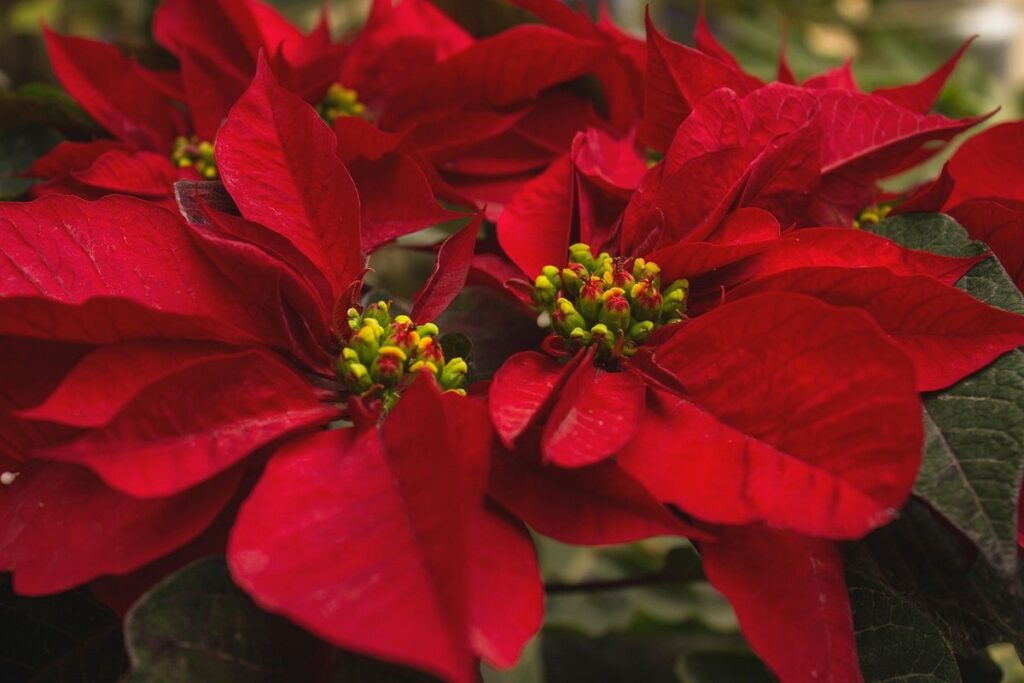
Understanding Poinsettia Nutrient Needs
When forcing poinsettias, it’s essential to provide them with the right nutrients to thrive. This section will walk you through the unique nutrient requirements for these plants during the forcing process.
Nitrogen-Rich Fertilizers for Healthy Growth
Nitrogen is a vital nutrient for poinsettia growth, and it plays a significant role in leaf development and overall health. A nitrogen-rich fertilizer can promote lush green leaves, which are essential for photosynthesis and energy production. When forcing poinsettias, you’ll want to focus on fertilizers that provide a balanced mix of nutrients, with an emphasis on nitrogen.
Some popular options include ammonium nitrate (24-0-0) or urea-based fertilizers (46-0-0). These high-nitrogen fertilizers stimulate leaf growth and development. However, it’s essential to follow the recommended application rates to avoid over-fertilization, which can lead to yellowing leaves and reduced blooms.
When using nitrogen-rich fertilizers, apply them at a rate of 100-150 ppm (parts per million) during the first two weeks after forcing. Gradually reduce the frequency and amount as the plant begins to produce flowers. This approach will help your poinsettias grow healthy leaves while still producing vibrant flowers.
Phosphorus and Potassium: Supporting Root Development
Phosphorus and potassium are two macronutrients that play critical roles in poinsettia growth, particularly when it comes to root development. Phosphorus (P) is instrumental in promoting healthy root growth, which is essential for the plant’s ability to absorb water and nutrients from the soil. A phosphorus deficiency can lead to weak or deformed roots, hindering the plant’s overall health.
On the other hand, potassium (K) helps maintain root function by regulating water balance and stress response. Potassium also plays a key role in promoting flowering, which is a major goal when forcing poinsettia for holiday sales. A balanced fertilizer that includes both phosphorus and potassium will support healthy root growth and encourage the plant to focus its energy on producing desirable flowers.
When selecting a fertilizer for your poinsettias, look for products containing at least 15-20% phosphorus and 10-20% potassium. These levels should be sufficient to meet the needs of mature plants, but you may need to adjust according to the specific cultivar or growth stage. Be sure to follow the manufacturer’s instructions carefully to avoid over-fertilizing, which can cause more harm than good.
Choosing the Right Fertilizer for Your Poinsettias
When it comes to forcing poinsettia, choosing the right fertilizer can be overwhelming. In this section, we’ll break down the key considerations to select a suitable fertilizer for your plants.
Organic vs. Synthetic Options
When it comes to fertilizing your poinsettia, you’ll likely come across two main types of options: organic and synthetic. Understanding the pros and cons of each will help you make an informed decision for optimal results.
Organic fertilizers, derived from natural sources like bone meal or fish emulsion, provide a slow release of nutrients that promote healthy root growth. They’re also environmentally friendly and can improve soil structure over time. However, they may not be as readily available as synthetic options, and their nutrient content can vary depending on the source.
Synthetic fertilizers, on the other hand, offer a quick fix for poinsettia care, providing instant access to essential nutrients like nitrogen, phosphorus, and potassium. They’re widely available and often less expensive than organic alternatives. However, overuse or misuse of synthetic fertilizers can lead to soil burn, water pollution, and damage to beneficial microorganisms.
When selecting a fertilizer, consider the specific needs of your poinsettia. If you want a more natural approach, choose an organic option that’s specifically formulated for flowering plants. If you prefer a faster acting solution, opt for a balanced synthetic fertilizer, but be sure to follow application guidelines carefully to avoid any potential harm.
Understanding Fertilizer Labels and Concentrations
When selecting a fertilizer for your poinsettia, it’s essential to understand what you’re looking at on those tiny packets. Let’s break down the labeling so you can make informed decisions.
The most critical information is the NPK ratio, which stands for nitrogen-phosphorus-potassium. Think of these three macronutrients as the building blocks of plant growth: nitrogen promotes leafy green growth, phosphorus supports root development and flower formation, and potassium helps with overall health and resistance to disease.
A common NPK ratio you’ll see is 20-5-20. This means for every unit of fertilizer applied, 20% is nitrogen, 5% is phosphorus, and 20% is potassium. The remaining percentage is usually made up of micronutrients like iron, zinc, and magnesium that are also crucial for plant growth.
When choosing a fertilizer, look for one with an NPK ratio specifically formulated for flowering plants like poinsettias. A balanced ratio that’s closer to 10-10-10 or 20-20-20 is ideal, as it will promote healthy foliage and blooming. Remember to always follow the instructions on the packet and start with a low concentration to avoid burning your plant’s roots.
Application Methods and Timing
When it comes to fertilizing your poinsettia, knowing when and how to apply fertilizer is crucial for optimal results. Let’s dive into the methods and timing you should follow.
Frequency of Fertilization: How Often is Too Often?
When it comes to fertilizing poinsettias during the forcing process, timing and frequency are crucial. Overfertilization can lead to weak stems, reduced flower production, and an increased risk of root burn. To avoid these common mistakes, start by feeding your poinsettia with a balanced fertilizer (20-20-20) as soon as you bring it home, following the manufacturer’s instructions for dilution.
As your plant begins to grow new leaves, switch to a bloom booster fertilizer (10-52-10) once a month. This will promote vibrant color and encourage flowering. However, avoid feeding your poinsettia during the last 6-8 weeks of the forcing process, as excessive nitrogen can stimulate leaf growth at the expense of flower production.
A general rule of thumb is to fertilize your poinsettia every two weeks from spring through fall, when it’s actively growing. But remember that this frequency may vary depending on your plant’s specific needs and the local climate. Monitor your poinsettia’s response to fertilization, adjusting the schedule as needed to ensure optimal results.
Water-Soluble vs. Granular Fertilizers: Which is Best?
When it comes to fertilizing poinsettias, one of the most important decisions you’ll make is choosing between water-soluble and granular fertilizers. Both types have their own benefits and drawbacks, which we’ll explore below.
Water-soluble fertilizers are a popular choice among poinsettia growers because they’re easy to use and provide immediate nutrients to the plant. Simply mix the fertilizer with water according to the instructions on the label, and you’re good to go. This type of fertilizer is also highly concentrated, so you only need to apply it once or twice a week for optimal results.
However, some growers may find that water-soluble fertilizers can be too harsh on poinsettias, especially if they’re not used carefully. Over-fertilization can lead to root burn and other problems, so it’s essential to follow the instructions carefully.
Granular fertilizers, on the other hand, are a slower release fertilizer that provides nutrients to the plant over a longer period of time. They’re often more cost-effective than water-soluble fertilizers and can be less messy to apply. However, they may not provide the same level of immediate nutrients as water-soluble fertilizers, which can be a drawback for growers who need to see quick results.
Ultimately, the choice between water-soluble and granular fertilizers comes down to your personal preference and the specific needs of your poinsettias. If you’re looking for an easy-to-use option that provides immediate nutrients, water-soluble might be the way to go. But if you prefer a slower release fertilizer that’s easier on the wallet, granular could be the better choice.
Troubleshooting Common Issues with Poinsettia Fertilization
If you’re struggling with inconsistent growth, yellowing leaves, or other signs of nutrient deficiencies, don’t worry – we’ve got you covered. This section will tackle common fertilization issues and their solutions to get your poinsettia thriving.
Signs of Over- or Under-Fertilization
Identifying signs of over- or under-fertilization is crucial to maintaining optimal growth and preventing damage to your poinsettia. If you suspect that your plant is receiving too much fertilizer, look for yellowing leaves, stunted growth, or brown leaf edges. These symptoms can be caused by an overdose of nitrogen, which promotes excessive foliage growth at the expense of blooms.
On the other hand, under-fertilization may lead to pale-colored leaves and reduced flower production. You might also notice that your poinsettia’s roots are not growing as they should. In both cases, it’s essential to act quickly by adjusting the fertilizer application rate.
Start by checking the fertilizer label for recommended rates of application. Be mindful of your plant’s specific needs, as different varieties may require varying levels of nutrients. By paying close attention to these signs and making necessary adjustments, you can ensure that your poinsettia receives just the right amount of fertilization to thrive.
Fertilizer Interactions: Avoiding Common Combinations
When using multiple products on your poinsettia plants, it’s essential to be aware of potential interactions between fertilizers and other plant care products. One common combination to avoid is pairing fertilizers with pesticides and herbicides.
Using a fertilizer that contains nitrogen (N) can amplify the effects of certain pesticides, leading to over-fertilization and potentially harming your plant. For example, some insecticides contain neonicotinoids, which are highly toxic to poinsettias when combined with high-nitrogen fertilizers. To avoid this issue, read product labels carefully and look for products that have been specifically tested and proven safe for use together.
Another critical interaction is between fertilizers and herbicides. Glyphosate-based herbicides can bind to nutrient ions in the fertilizer solution, rendering them unavailable to the plant. This can lead to reduced growth rates and increased risk of disease. When using both products on your poinsettia, ensure you follow the recommended application guidelines for each product, and consider staggering their use by 24-48 hours.
Some general rules of thumb when combining fertilizers with other plant care products include:
* Always read the labels carefully to understand potential interactions.
* Start with small test batches to assess the impact on your poinsettia plants.
* Choose products from reputable manufacturers that have conducted rigorous testing and research.
* Consider consulting with a trusted horticultural expert or doing further research before combining multiple products.
Tips for Successful Poinsettia Forcing with Fertilization
When it comes to fertilizing your poinsettias, timing is everything. Here’s what you need to know about when and how much fertilizer to use for optimal results.
Advanced Techniques for Maximizing Results
To take your poinsettia forcing game to the next level, it’s time to explore some advanced techniques for maximizing results. One powerful method is using foliar sprays, which deliver essential nutrients directly to the leaves rather than relying on soil absorption. This approach can boost growth rates by up to 20% and improve overall health.
When selecting a foliar spray, look for products containing micronutrients like iron, magnesium, and sulfur. These microelements play a crucial role in photosynthesis, ensuring your poinsettia’s vibrant colors and robust growth. To get the most out of foliar sprays, apply them at the recommended frequency – typically every 7-10 days during the forcing period.
Adjusting fertilizer ratios can also significantly impact your poinsettia’s performance. A general rule of thumb is to use a balanced formula (20-20-20) for vegetative growth and switch to a bloom-promoting blend (15-30-15) as flowering begins. Be cautious not to over-fertilize, as this can lead to scorching or even plant death. Monitor your poinsettia’s response closely and adjust fertilizer ratios accordingly to achieve optimal results.
Frequently Asked Questions (FAQs) and Common Misconceptions
When it comes to fertilizing poinsettias during the forcing process, several questions and misconceptions arise. One common query is whether it’s safe to use fertilizer on newly rooted cuttings. The answer is yes, but with caution: use a balanced, water-soluble fertilizer at half the recommended strength to avoid burning delicate roots.
Another misconception is that poinsettias don’t require much fertilization because they’re “forced” plants. However, this ignores the fact that forcing involves intense growth stimulation, which depletes stored nutrients. Regular fertilization helps maintain plant health and promotes vibrant colors.
Some growers also wonder if organic fertilizers are suitable for poinsettia forcing. Yes, organic options like fish emulsion or bone meal can work well, but be aware of their slower release rates and adjust application schedules accordingly.
Keep in mind that over-fertilization is just as detrimental as under-fertilization. Monitor plant responses to adjustments made to the fertilization schedule, and never apply more fertilizer than recommended to avoid nutrient burn.
Conclusion: Achieving a Thriving Poinsettia with Proper Fertilization
In conclusion, proper fertilization is crucial for achieving optimal results when forcing poinsettia. By following our guide, you’ve learned how to create an ideal environment and timing for fertilizing your plant. To recap, be sure to use a balanced, water-soluble fertilizer (20-20-20) during the vegetative growth stage, followed by a bloom-enhancing formula once your plant has reached maturity. Also, don’t forget to dilute the fertilizer to half the recommended strength to avoid burning your poinsettia’s roots. With consistent and moderate fertilization, you’ll be well on your way to growing a thriving poinsettia that will impress friends and family alike with its vibrant colors and lush foliage. By following these simple tips, you can enjoy a successful forcing experience every time.
Frequently Asked Questions
Can I use a balanced fertilizer for my poinsettia, or do I need to focus on nitrogen-rich fertilizers specifically?
While balanced fertilizers can provide some nutrients, forcing poinsettias require more attention to nitrogen levels due to their rapid growth and leaf development. Nitrogen-rich fertilizers will promote healthier leaves and overall plant growth.
How often should I fertilize my poinsettia during the forcing process? Is there a specific timing for application?
It’s best to fertilize your poinsettia when new growth appears, usually around 4-6 weeks after potting. You can also consider foliar sprays every 2-3 weeks during the flowering stage. However, over-fertilization can be detrimental, so monitor plant responses and adjust frequency accordingly.
Can I use organic fertilizers for my poinsettia, or do synthetic options provide better results?
Both organic and synthetic fertilizers have their advantages. Organic options like fish emulsion or compost tea promote beneficial microbial activity, while synthetic fertilizers offer quick nutrient uptake. Choose an option that suits your schedule and plant needs.
What are some common signs of over- or under-fertilization in poinsettias, and how can I prevent these issues?
Over-fertilization may cause yellowing leaves, while under-fertilization leads to weak growth. Monitor for excessive leaf drop, stunted growth, or nutrient deficiencies like chlorosis. Regularly inspect your plant’s response to fertilizers and adjust applications accordingly.
Can I mix different types of fertilizers (e.g., water-soluble and granular) for my poinsettia, or is it best to stick with one type?
While it might seem convenient to combine fertilizers, this can lead to nutrient imbalances. Instead, choose a single product that meets your plant’s needs and follow the manufacturer’s instructions for application rates. Mixing different types can create unforeseen interactions and potential harm to your poinsettia.