
Forcing crocus bulbs indoors can add a pop of color to even the coldest winter months. If you’re looking for a way to bring some vibrancy into your home during this time, growing stunning crocus flowers is an excellent choice. Not only are they beautiful and easy to care for, but they also require minimal maintenance and can be grown in small spaces. But where do you start? In this comprehensive guide on forcing crocus bulbs, we’ll walk you through the selection process, prepare them for indoor growth, and provide expert tips on how to care for these gorgeous flowers once they bloom. Whether you’re a seasoned gardener or just starting out, our guide will give you all the information you need to grow stunning crocus flowers indoors with confidence.
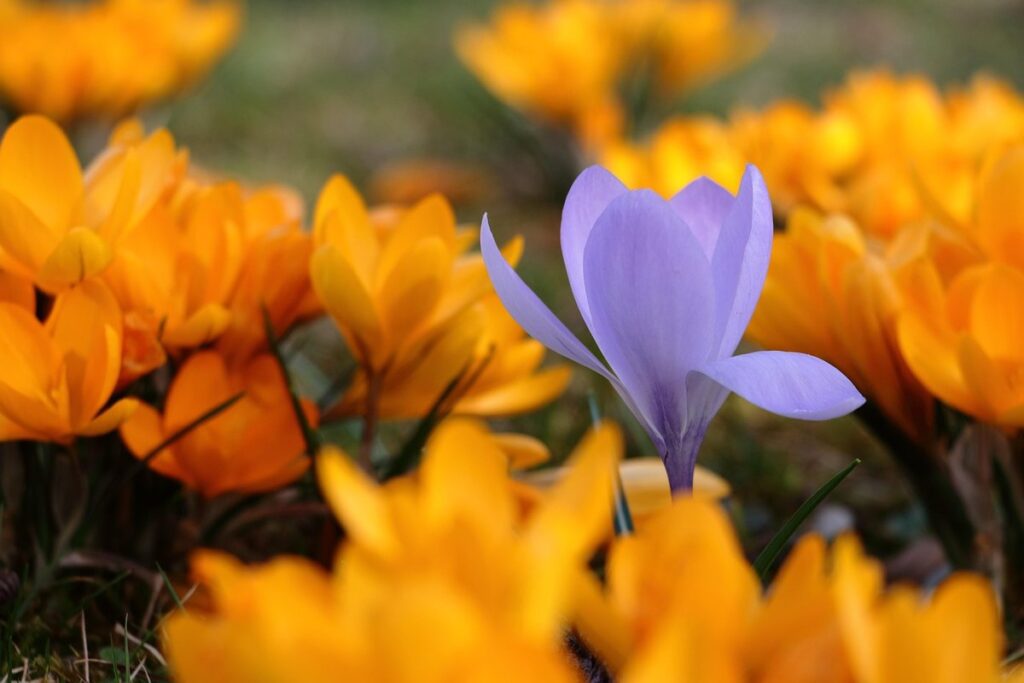
Choosing the Right Crocus Bulbs
When forcing crocus bulbs indoors, selecting the right variety for your needs is crucial. In this next part of our guide, we’ll walk you through choosing the perfect crocus bulbs.
Selecting the Best Variety for Indoor Growth
When it comes to forcing crocus bulbs indoors, selecting the right variety is crucial for success. Some species are naturally better suited for indoor growth than others. Crocus tommasinianus and Crocus chrysanthus are excellent choices for this purpose.
Crocus tommasinianus, also known as the ‘Albus Group’, produces delicate white flowers that bloom in late winter. They’re a popular choice for forcing indoors due to their compact growth habit and ability to thrive in low-light conditions. This species is particularly well-suited for small pots or containers, making it ideal for indoor forcing.
Crocus chrysanthus, on the other hand, produces bright yellow flowers with golden stamens that bloom a bit later than tommasinianus. They’re also relatively compact and can tolerate low light levels, but they do require slightly warmer temperatures to induce flowering. Both of these species are great options for forcing crocus bulbs indoors, as they’re relatively easy to care for and can produce blooms in as little as 3-4 weeks with proper treatment.
When selecting a variety, look for species that have been bred specifically for indoor forcing or have naturally smaller flower sizes. These will be easier to accommodate in small pots and are more likely to bloom successfully indoors.
Understanding the Importance of Quality Bulbs
When choosing crocus bulbs for forcing indoors, it’s essential to select high-quality bulbs that will yield the best results. One of the most critical factors is the firmness of the bulb. A good quality crocus bulb should be firm and heavy for its size, indicating a robust growth potential. Avoid soft or mushy bulbs as they may not have stored enough energy for proper growth.
The ideal size of a high-quality crocus bulb also varies depending on the specific variety. Generally, bulbs between 1/2 to 3/4 inch in diameter are suitable for forcing indoors. Be wary of extremely large bulbs, as they might be over-developed and less likely to bloom well indoors.
Examine your bulbs carefully for any signs of damage, such as cracks or bruises. These imperfections can significantly impact the bulb’s ability to grow and produce a healthy flower. When selecting crocus bulbs, opt for those with smooth, unblemished skin and no visible defects. By choosing high-quality bulbs that meet these criteria, you’ll be more likely to achieve success when forcing crocus indoors.
Preparing the Bulbs for Forcing
Before you can force your crocus bulbs indoors, they need proper preparation to thrive. This includes a series of steps to awaken and condition them for indoor growth.
Curing and Storing the Bulbs
After properly digging up and cleaning the crocus bulbs, it’s essential to cure them before storing. This step helps prevent rot and mold from developing during storage. To cure the bulbs, start by gently dusting off excess soil with a soft-bristled brush or a dry cloth. Next, let the bulbs air out in a warm, dry place for about 3-4 weeks. Make sure they’re not exposed to direct sunlight, as this can cause moisture loss.
During this curing period, check on the bulbs regularly and remove any moldy or rotten ones to prevent the problem from spreading. Once cured, you can store the bulbs in a cool, dark place with low humidity, such as a basement or attic. Store them in paper bags or mesh bags to maintain airflow and keep them dry. Keep the stored bulbs away from moisture-prone areas like bathrooms or kitchens.
Keep in mind that crocus bulbs can be stored for up to 8 weeks before forcing. This allows you to plan your indoor forcing project at a convenient time, even if the weather outside isn’t cooperating.
Understanding the Role of Chitting in Crocus
Chitting is an essential step in preparing crocus bulbs for indoor forcing. It involves allowing the bulb to develop a small amount of green growth before placing it in a pot indoors. This process may seem counterintuitive, as you might think that the bulb should be stored dark and cold until forcing time. However, chitting actually helps the bulb store up energy, which is then used during the forcing period.
To chit your crocus bulbs, place them in a cool, light spot with temperatures between 40°F to 50°F (4°C to 10°C). This can be a garage, basement, or even a sunny windowsill. Make sure the bulbs are not exposed to direct sunlight, as this can cause the growth to become leggy and weak. Allow the bulbs to chit for 3-6 weeks before forcing them indoors.
Chitting gives the bulb a head start on producing new growth, which is crucial for successful indoor forcing. By doing so, you’ll be rewarded with healthier plants that bloom more vibrantly and earlier than those that are not chitted.
Forcing the Bulbs Indoors
Once you’ve got your crocus bulbs at home, learn how to force them indoors by understanding the specific requirements for temperature and humidity. This will help them bloom beautifully in a pot on your windowsill.
Creating the Right Conditions
When forcing crocus bulbs indoors, it’s essential to create an environment that replicates their natural conditions as closely as possible. This means providing them with the right temperature, light, and humidity levels.
In terms of temperature, aim for a consistent range of 40-50°F (4-10°C), which is slightly cooler than the average home temperature. Avoid placing the bulbs near heating vents or radiators, as this can cause them to dry out. A temperature fluctuation of more than 5°F (3°C) can also be detrimental, so try to maintain a stable environment.
Lighting is another crucial factor. Since crocus bulbs typically bloom in early spring, they require a period of cold temperatures followed by bright, indirect light. Place the pots near an east- or west-facing window, where they’ll receive gentle, diffused light during the day. Avoid direct sunlight, which can cause the flowers to fade quickly.
Humidity levels should be moderate, around 50-60%. You can increase the humidity around the plants by placing the pots on a tray filled with water and pebbles or using a humidifier nearby. This will help maintain a stable moisture level and promote healthy growth.
Watering and Fertilizing Techniques
Watering and fertilizing are crucial steps in forcing crocus bulbs indoors. When it comes to watering, make sure not to overwater, as this can lead to rot and kill the bulb. Instead, water sparingly but thoroughly, allowing the soil to dry slightly between waterings. Check the moisture level by sticking your finger into the soil up to the first knuckle; if the soil feels dry, it’s time for a drink.
For fertilizing, use a balanced, water-soluble fertilizer (20-20-20) at half the recommended strength. Feed the bulbs once a month during the forcing period, which typically lasts 4-6 weeks. You can also repot the bulbs in fresh potting mix before forcing to give them a boost.
Monitor your bulbs’ response to fertilizing and adjust as needed. Some crocus varieties may not require or benefit from fertilizer at all. Keep an eye out for signs of nutrient deficiency, such as yellowing leaves or stunted growth. Adjust your fertilizing schedule accordingly to promote healthy growth and blooming.
Care and Maintenance of Forced Crocuses
To keep your forced crocus bulbs thriving all season, you’ll need to provide them with proper care and maintenance to ensure they continue to bloom beautifully. Regular watering and fertilizing are key to their success.
Monitoring Progress and Adjusting Conditions
As you wait for your forced crocuses to bloom, it’s essential to monitor their progress and adjust conditions as needed. Start by checking on the bulbs every few days, looking for signs of growth such as new green shoots emerging from the potting mix.
If you notice the bulbs are getting too hot or cold, make sure to adjust their location accordingly. Forced crocuses prefer temperatures between 35°F and 50°F (2°C and 10°C), so if your home is consistently warmer or cooler than this range, consider moving them to a more suitable spot.
Also, keep an eye on the moisture levels in the potting mix. If it’s too dry, you may need to water the bulbs lightly, but be careful not to overwater as this can lead to rot and other problems. By regularly inspecting your forced crocuses and adjusting conditions as needed, you’ll be able to provide them with the best possible environment for blooming.
If you notice any signs of pests or diseases, take action immediately by isolating the affected bulbs and treating them with a fungicide or insecticidal soap. Regular monitoring will help ensure that your forced crocuses receive the right conditions to thrive and bloom beautifully.
Encouraging Blooms and Extending the Display Period
To encourage blooms and extend the display period of forced crocuses indoors, it’s essential to provide them with optimal growing conditions. Start by checking the soil moisture regularly, as crocus bulbs prefer well-draining soil that is consistently moist but not waterlogged. Avoid getting water on the foliage or crown of the plant, as this can lead to rot and reduce blooming.
Provide your forced crocuses with a cool period (around 40-50°F/4-10°C) for 6-8 weeks after potting, followed by a gradual transition to warmer temperatures. This temperature fluctuation will signal to the bulbs that it’s time to bloom, encouraging them to produce flowers. Also, ensure they receive indirect sunlight and maintain humidity levels above 50% to promote healthy growth.
By following these guidelines, you can extend the display period of your forced crocuses by several weeks. Some growers even report multiple blooming cycles from a single pot!
Common Challenges and Solutions
Forcing crocus bulbs indoors can be a bit tricky, so let’s take a look at some common challenges you might encounter and how to overcome them.
Troubleshooting Issues with Forcing Crocus Bulbs
When forcing crocus bulbs indoors, you may encounter some common issues that can prevent them from growing and blooming as expected. One of the most frustrating problems is poor growth or no blooming at all.
Firstly, if your crocus bulbs are not blooming, it could be due to inadequate light or temperature fluctuations. Make sure to provide your bulbs with bright, indirect light but not direct sunlight which can cause scorching. A consistent day and night temperature of around 40-50°F (4-10°C) is also crucial for flowering.
Another issue that may arise is over-watering or under-watering. Crocus bulbs need moisture but should be kept dry for a period after blooming to allow the foliage to die back naturally. Check your bulbs regularly, and water only when the soil feels dry to the touch. If you suspect over-watering, stop watering altogether until the risk of rot has passed.
To troubleshoot these issues, take note of any temperature fluctuations in your home. Keep an eye on your bulbs’ moisture levels by checking the soil daily. Adjust your care routine accordingly, and be patient as it may take some trial and error to get things right.
Tips for Extending the Indoor Display Period
To extend the display period of forced crocuses indoors and keep them looking their best, follow these steps. First, make sure to choose a location with bright, indirect light as direct sunlight can cause the blooms to fade quickly. Keep the temperature between 65-70°F (18-21°C), as warmer temperatures can promote seed formation.
Water carefully, making sure not to overwater, which can lead to rot and shorten the blooming period. To encourage re-blooming, remove spent flowers and allow the foliage to die back naturally. Once the foliage has turned yellow and begun to fall off, cut it back to about an inch above the base of the bulb.
Consider fertilizing with a balanced, water-soluble fertilizer at half the recommended strength to promote continued blooming. Avoid over-fertilizing, as this can stimulate seed formation rather than re-blooming. Monitor for pests and diseases, and take action promptly if you notice any issues.
By following these tips, you should be able to extend the display period of your forced crocuses indoors and enjoy their beautiful blooms for several weeks.
Frequently Asked Questions
Can I use any type of crocus bulb for forcing indoors, or are some varieties better suited than others?
When selecting bulbs for indoor forcing, it’s best to choose varieties that have been bred specifically for this purpose. Varieties like Crocus tommasinianus and Crocus chrysanthus are naturally more compact and can thrive in the low-light conditions found indoors.
How often should I water my forced crocuses during the growing season?
Overwatering is a common mistake when forcing bulbs indoors. To prevent this, water your crocuses only when the soil feels dry to the touch. Water sparingly, as too much moisture can lead to root rot and other issues.
What if my crocus bulbs don’t produce flowers after chitting? Is there anything I can do to encourage blooming?
Yes, lack of blooms can be a common issue with forced crocuses. Check that your bulbs are receiving the right amount of light (usually 4-6 hours of indirect sunlight per day). Also, ensure that you’re providing enough nutrients through fertilization.
Can I force multiple types of crocus bulbs indoors at once, or should I start with a single variety?
While it’s technically possible to force multiple varieties at once, it’s often more challenging to control the conditions and provide optimal care for each type. Start with a single variety to get a feel for the process before expanding your efforts.
How long can I expect my forced crocuses to bloom, and what factors affect their display period?
The blooming period of forced crocuses typically lasts 2-4 weeks, depending on the variety and growing conditions. Factors like temperature, light, and watering schedules all impact the duration and quality of blooms.