
Have you ever stumbled upon a flower so unusual, it left you wondering if it was a tiny bundle of popcorn or a genuine bloom? Well, wonder no more! These whimsical flowers that resemble popcorn on stalks are not only visually stunning but also steeped in symbolism and cultural significance. Their unique appearance has captivated gardeners and florists alike, making them a coveted addition to any arrangement or display. In this article, we’ll delve into the fascinating world of these one-of-a-kind blooms, exploring their characteristics, growth habits, and uses in gardens and arrangements. We’ll also uncover the rich symbolism and cultural significance behind these popcorn-like flowers, so you can appreciate their beauty on a deeper level.
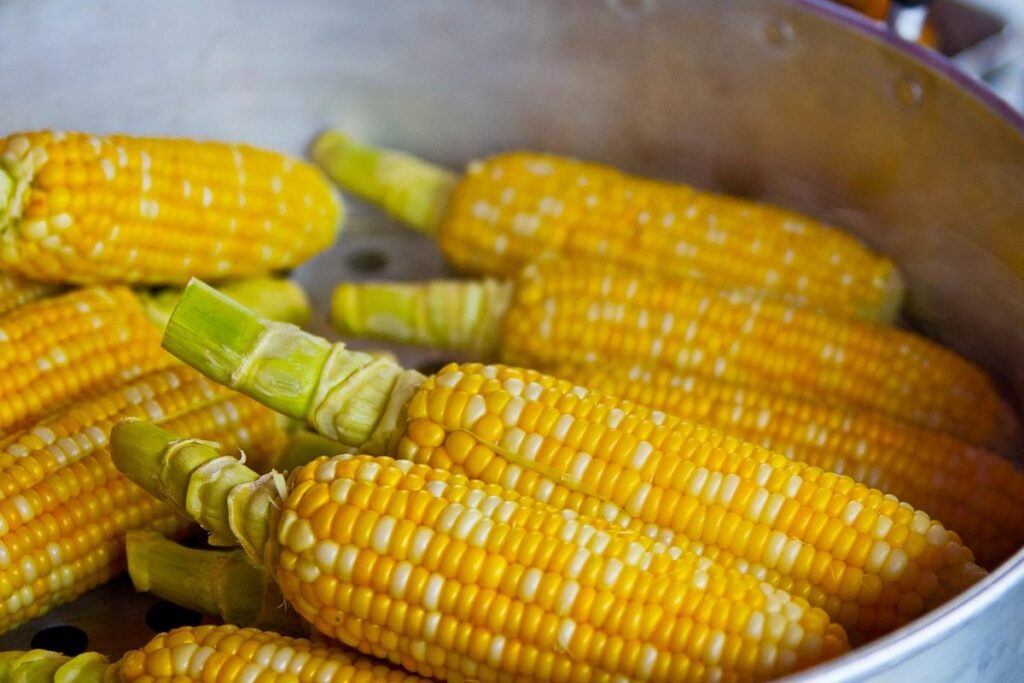
What Are These Unique Flowers?
These peculiar flowers have captivated botanists and nature lovers alike, but what exactly are they? Let’s dive into their fascinating origins and unique characteristics.
Botanical Background
These unique flowers are part of the family Commelinaceae and are commonly known as spiderworts. They belong to several genera, including Tradescantia, Gahnia, and Elusine. The most notable species within this family that resemble popcorn is Tradescantia fluminensis.
This species is native to South America but has been naturalized in many parts of the world. Its small, white or purple flowers cluster on long stalks, giving them a kernel-like appearance. They are herbaceous perennials that thrive in moist environments and can grow up to 2 feet tall.
Another notable genus within this family is Gahnia, which includes several species commonly found in tropical regions of Asia and Australia. These plants produce small white or yellow flowers on long stalks, giving them a similar appearance to popcorn kernels. They are often used as ornamental plants due to their unique shape and ability to thrive in shaded areas.
The family Commelinaceae is characterized by its monopodial growth habit, with new leaves emerging from the center of the plant. This unique characteristic makes it easy to identify these flowers even when they’re not in bloom.
Common Misidentifications
When you first lay eyes on a stalk of flowers that resemble popcorn, it’s not uncommon to wonder if they’re actually edible. However, these unique blooms are often mistaken for other types of plants or even inanimate objects due to their striking appearance. For instance, the delicate white or yellow flowers with a papery texture can be easily confused with cotton tufts, especially when they’re dried and scattered about.
Another common misidentification is attributing the popcorn-like appearance to corn itself, but these flowers belong to entirely different plant families. They might resemble kernels of corn due to their rounded shape and intricate patterns, but upon closer inspection, you’ll notice distinct differences in size, color, and structure. A quick way to verify the identity of these blooms is to examine the stem – if it’s slender and wiry, it’s likely a member of the Anthericum or Ornithogalum family, which includes these popcorn-like flowers.
In fact, many gardeners have mistakenly planted what they thought were corn kernels in their gardens, only to discover weeks later that they’ve grown into something entirely unexpected. To avoid this confusion, take a closer look at your plants’ leaves and stems – if you notice anything unusual or out of the ordinary, it’s likely not popcorn.
Types of Flowers That Look Like Popcorn
Let’s explore some of the most delightful and unusual flowers that resemble popcorn on stalk, from dainty wildflowers to showy annuals.
Dianella Breederiana: A Case Study
Dianella brevifolia is a lesser-known but fascinating species within the Dianella family. Native to Australia and New Zealand, it has gained popularity worldwide due to its unique appearance. This ornamental grass bears beautiful blue-purple flowers that are often compared to popcorn kernels on stalks.
One of the most distinctive features of Dianella brevifolia is its ability to produce large clusters of small, delicate flowers in shades of purple and blue. The inflorescence can grow up to 2 feet long and resembles a bunch of tiny white or yellow popcorn balls against the rich foliage. This striking appearance makes it an attractive addition to any garden.
When growing Dianella brevifolia, consider providing full sun to partial shade conditions and well-draining soil. It’s also essential to prune the plant regularly to maintain its desired shape and promote healthy growth. Regular watering will help keep the flowers vibrant throughout the blooming period. By incorporating this unique species into your garden design, you can add a touch of whimsy and fascination that is sure to delight both you and your guests.
Other Notable Species
While we’ve already explored some of the most notable flowers that resemble popcorn on stalk, there are several other species worth mentioning. One such example is Lomandra, a type of Australian native grass that produces white or greenish flowers in clusters, giving it a popcorn-like appearance.
Chlorogalum, also known as the soaproot plant, is another great example of this phenomenon. Its tiny, bell-shaped flowers are borne on tall stems and can be up to 12 inches long, creating a delightful resemblance to popcorn kernels. These flowers often bloom in late summer or early fall and have a sweet fragrance.
If you’re interested in cultivating these unique blooms in your own garden, consider the following tips: plant Lomandra in well-drained soil with full sun, while Chlorogalum prefers partial shade and rich soil. Be sure to research specific growing conditions for each species to ensure their success in your climate. By incorporating these lesser-known flowers into your garden, you’ll add an extra layer of interest and charm to your floral arrangements.
Growing Popcorn-Like Flowers in Your Garden
Whether you’re a seasoned gardener or just starting out, growing popcorn-like flowers is easier than you think. With the right tips and tricks, you can bring these whimsical blooms into your garden.
Climate and Soil Requirements
When growing flowers that resemble popcorn on stalks, it’s essential to provide them with the right climate and soil conditions. Most of these unique blooms thrive in temperate climates with moderate temperatures.
For ideal growth, most popcorn-like flowers prefer daytime temperatures between 65°F (18°C) and 75°F (24°C), while nighttime temperatures can dip slightly lower. Some varieties, like the Phlox drummondii, are more tolerant of heat and can handle temperatures up to 85°F (29°C). Conversely, others, such as the Gypsophila paniculata, prefer cooler temperatures around 60°F (15°C).
In terms of sunlight, these flowers generally require full sun to partial shade. Aim for at least six hours of direct sunlight per day to encourage blooming and prevent legginess.
When it comes to soil preferences, most popcorn-like flowers prefer well-draining, slightly acidic to neutral soil with a pH between 6.0 and 7.0. Adding organic matter like compost or well-rotted manure can improve soil structure and fertility. Some varieties, such as the Helianthus annuus, are more tolerant of dry conditions and can handle poor soil quality.
It’s also worth noting that some popcorn-like flowers may require staking to prevent them from toppling over in strong winds. By providing the right climate and soil conditions, you’ll be well on your way to enjoying these unique blooms in your garden.
Propagation Methods
When it’s time to multiply these popcorn-like wonders, you have several options for propagation. One popular method is division, which involves separating established clumps into individual plants. This technique works particularly well for plants like Gazania and Larkspur that tend to form dense clusters. To divide your plant, carefully dig up the entire root system, wash away excess soil, and then separate the sections using a gentle sawing motion with a sharp tool.
Alternatively, you can start new plants from seed. This method is ideal for species like Celosia and Zinnia that produce an abundance of seeds in their flower heads. Simply collect the seeds after they’ve dried and turned brown, and sow them indoors 6-8 weeks before the last frost date in your area.
Air layering and stem cuttings are other methods you can use to propagate these plants. Air layering involves making a small incision on the stem of a mature plant, just above a node, and then wrapping the area with moistened sphagnum moss until roots develop. For stem cuttings, simply snip off a section of stem, remove lower leaves, and plant it directly into potting soil or a propagation tray.
Unique Features of Popcorn-Like Flowers
These remarkable blooms boast a unique popcorn-like appearance, and we’re excited to dive into their fascinating characteristics that set them apart from other flowers. Let’s take a closer look at what makes them truly one-of-a-kind.
Insect Attractors
When it comes to attracting pollinators like bees, butterflies, and hummingbirds, flowers that resemble popcorn on a stalk have evolved some unique strategies. One of the most striking features of these flowers is their shape. The loose, hanging structure of each blossom mimics the kernels on a cob of corn, making them irresistible to pollinators.
Their fragrance also plays a significant role in attracting pollinators. These flowers often emit strong, sweet scents that guide pollinators like bees and butterflies to the bloom. For example, some species of popcorn-like flowers have been found to produce nectar with fragrances similar to those found in fermented foods, which are attractive to certain types of bees.
To attract these pollinators to your own garden, try incorporating plants with popcorn-like flowers that provide a source of nectar and pollen. Consider planting clusters of these flowers together, as this will create a “flower buffet” for visiting pollinators.
Aesthetic Appeal
When it comes to adding these popcorn-like flowers to your garden or arrangements, their aesthetic appeal is undoubtedly one of their standout features. In gardens, they can add a whimsical and playful touch, bringing a sense of wonder and curiosity to the viewing experience. Imagine strolling through a garden on a warm summer day, with the sun shining down and these delicate blooms swaying gently in the breeze – it’s a truly magical sight.
In arrangements, their unique shape and texture can add depth and visual interest, making them a great choice for bouquets and centerpieces. For example, pairing them with soft pastel-colored flowers or lush greenery can create a beautiful contrast that draws the eye. Plus, they come in a variety of colors, from vibrant pinks and oranges to delicate whites and creams, so you’re sure to find a shade that fits your personal style.
In cut flower bouquets, these popcorn-like blooms are a great choice for adding a touch of whimsy and personality. Try pairing them with more traditional flowers like roses or peonies for a lovely contrast in texture and shape. And don’t be afraid to experiment – they look just as charming on their own as they do paired with other blooms!
Popularity and Cultural Significance
When you think of flowers that resemble popcorn, it’s not just their unique appearance that makes them special, but also their significant impact on popular culture. Let’s take a closer look at how they’ve captured our imagination and become a cultural phenomenon.
Historical Use in Flower Arrangements
These blossoms that resemble popcorn have been a part of various traditional and cultural flower arrangements for centuries. In Japan, they are often used in Ikebana arrangements to create visually striking and symbolic compositions. The delicate white flowers with yellow centers add a subtle yet elegant touch to these intricate designs.
In Western cultures, these flowers are commonly used in wedding bouquets and table centerpieces due to their unique texture and resemblance to popcorn. They pair particularly well with other flowers like baby’s breath and Queen Anne’s lace, creating a whimsical and romantic ambiance.
One way to incorporate these flowers into your arrangements is by mixing them with other blooms that have similar textures or shapes. For example, pairing the popcorn-like flowers with succulents or ornamental grasses can add depth and visual interest to your designs. Experimenting with different combinations will help you create one-of-a-kind arrangements that reflect your personal style.
Consider adding a few sprigs of greenery like ferns or lemon leaves to balance out the arrangement and bring in some contrasting colors. This will not only enhance the overall appearance but also add another layer of meaning to your design, making it truly special and memorable.
Symbolism and Meaning
In many cultures, flowers that resemble popcorn are imbued with symbolic meanings that transcend their whimsical appearance. For instance, in Japan, these blossoms are associated with good luck and prosperity, much like the humble corn kernel is revered for its bounty and resilience.
Similarly, in some African traditions, these flowers symbolize abundance and fertility, reflecting the cycles of growth and harvest that define agricultural communities. Interestingly, the symbolic significance of these flowers also varies depending on their color – a delicate pink shade may represent love and innocence, while a vibrant yellow hue might signify joy and optimism.
If you’re looking to infuse your garden or space with the symbolism of popcorn-like blossoms, consider incorporating plants like the “Popcorn Flower” (Platystemon californicus) or the “Cornflower” (Centaurea cyanus). Not only will they add a whimsical touch, but their meanings can also serve as a reminder to appreciate the simple joys and cycles of nature.
Frequently Asked Questions
Can I grow popcorn-like flowers indoors if I don’t have a suitable outdoor climate?
Yes, with proper care and conditions, you can successfully cultivate these unique flowers indoors. Provide them with bright, indirect light and maintain a consistent temperature between 65-75°F (18-24°C). Ensure the soil remains moist but not waterlogged to prevent root rot.
How do I prevent common misidentifications of popcorn-like flowers?
Misidentification often occurs due to their resemblance to other plants or objects. Familiarize yourself with the botanical characteristics, such as the presence of three-petaled flowers and a central cluster, to confidently identify these blooms.
What are some common pest issues associated with growing popcorn-like flowers?
Spider mites, mealybugs, and aphids may target these delicate flowers due to their moisture-loving nature. Regularly inspect your plants for signs of infestation and use organic or integrated pest management methods to mitigate any problems.
Can I propagate popcorn-like flowers through division or seed starting?
Both division and seed starting are viable methods for propagating these unique flowers. However, division is often more successful due to the plant’s tendency to produce offsets from established roots. Make sure to handle the delicate rhizomes with care during division to prevent damage.
What are some alternative arrangements or uses for popcorn-like flowers besides traditional bouquets?
These whimsical blooms can be incorporated into wreaths, garlands, and other decorative arrangements. They also make an attractive addition to terrariums and miniature gardens, adding a touch of natural beauty to indoor spaces.