
As we step into late April, our gardens are finally starting to come alive with vibrant blooms. If you’re anything like me, you’re probably itching to get out and enjoy your outdoor space, but maybe you’re not sure what flowers are going to make an appearance this time of year. Don’t worry, I’ve got you covered! In this article, we’ll be exploring the best annuals and perennials that bloom in late April, so you can plan ahead and create a stunning garden display. Whether you’re a seasoned gardener or just starting out, I’ll share my top picks for flowers like tulips, daffodils, and hyacinths, as well as provide expert tips on how to care for them. By the end of this post, you’ll be equipped with all the knowledge you need to bring your garden into full bloom in no time!
Understanding the Best Time to Plant
Understanding the best time to plant is crucial for your late April bloomers, as it will determine their success and longevity in your garden. Knowing when to plant each variety will also help you avoid wasting seeds and space.
What is Late Spring?
Late spring is a transitional period that marks the end of early spring’s cool temperatures and the beginning of warmer summer days. During this time, the weather starts to stabilize, and the soil begins to dry out after the melting snow. The average temperature during late spring ranges from 60°F to 70°F (15°C to 21°C), which is ideal for most flowers to bloom.
The significance of late spring lies in its optimal conditions for plant growth. As daylight hours increase, plants receive more sunlight, promoting photosynthesis and healthy growth. Soil conditions also improve as the frost line recedes, allowing roots to grow deeper into the earth. In regions with mild winters, late spring is an excellent time to plant warm-season flowers that thrive in temperatures above 65°F (18°C). For example, roses, peonies, and lilacs are some popular choices for late spring planting.
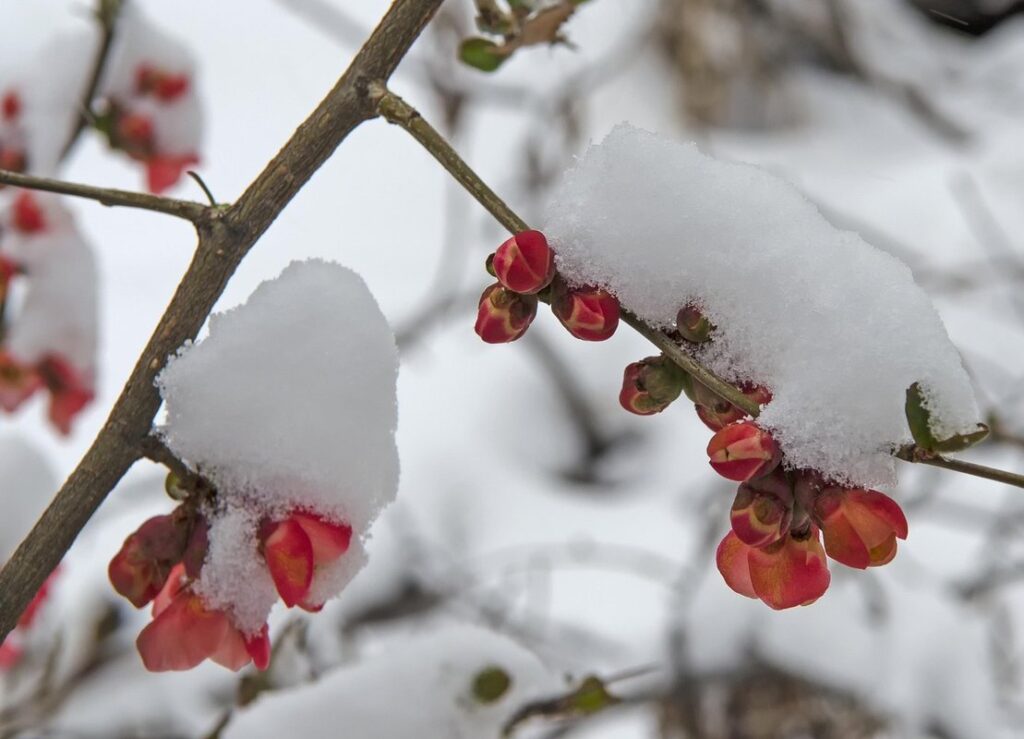
Keep in mind that late spring weather can be unpredictable, with occasional cold snaps or sudden heatwaves. Be prepared to adjust your planting schedule accordingly and provide necessary care to newly planted flowers during this transition period.
Identifying the Right Climate Zone
When it comes to planting flowers that bloom in late April, understanding the local climate zone is crucial. Climate zones affect flowering times significantly, and knowing which region you’re in will help you determine the best time to plant.
The United States is divided into several climate zones, ranging from USDA Hardiness Zones 3 to 11. Each zone has its own unique characteristics, including temperature ranges, precipitation patterns, and sunlight hours. For late-blooming flowers, it’s essential to choose varieties that are suitable for your specific climate zone.
In cooler regions (USDA Hardiness Zones 3-5), April is a great time to plant perennials like peonies, irises, and daylilies. These flowers typically bloom in late spring and can thrive in temperatures ranging from 35°F to 60°F (2°C to 15°C). In warmer regions (USDA Hardiness Zones 7-9), April is a good time to plant warm-season annuals like begonias, geraniums, and impatiens. These flowers require temperatures above 65°F (18°C) to bloom.
To identify your local climate zone, check the USDA Plant Hardiness Zone Map or consult with local nurseries and gardening experts. This will ensure that you’re planting the right flowers for your region’s unique conditions.
Selecting the Perfect Flowers for Your Late April Garden
Now that you’ve chosen your favorite blooms, it’s time to select flowers that will thrive in late April’s mild weather and complement your garden’s unique character. We’ll walk you through the perfect picks for a stunning display.
Choosing Annuals vs. Perennials
When it comes to selecting flowers for your late April garden, you’ll likely come across two main types: annuals and perennials. Both have their benefits and drawbacks, which are essential to consider when deciding what works best for your space.
Annuals are plants that complete their life cycle within a year and typically need to be replanted every spring. They offer the advantage of being able to provide an instant pop of color in areas with poor soil or where perennials may struggle to grow. However, they require more maintenance throughout the growing season due to their relatively short lifespan.
Perennials, on the other hand, live for multiple years and often come back year after year. They’re generally low-maintenance and can thrive in a variety of conditions with minimal upkeep. Some perennials even bloom for an extended period, providing continuous color and interest throughout the late April season.
Consider factors like your garden’s specific climate and soil type when deciding between annuals and perennials. For instance, if you live in an area prone to extreme temperatures or dry spells, annuals might be a better choice due to their ability to quickly adapt and recover from harsh conditions.
Popular Annual Flowers for Late April Bloomers
If you’re looking to add some vibrant color to your garden in late April, consider planting annual flowers that thrive during this time. Among the most popular options are marigolds, zinnias, and sunflowers.
Marigolds are a low-maintenance choice that can be direct-sown into well-draining soil. Their bright orange and yellow blooms will attract pollinators to your garden while repelling nematodes and other pests. With proper care, you can enjoy their blooms from mid-April to early July.
Zinnias come in a variety of colors and bloom sizes, making them an excellent choice for adding visual interest to your garden bed. These easy-to-grow flowers prefer full sun and well-draining soil, ensuring they thrive in late April’s warm weather. Plus, zinnias attract butterflies and hummingbirds, adding to the charm of your outdoor space.
Sunflowers are another popular annual that can tolerate light frosts, making them an excellent choice for late April planting. Their towering stalks support massive blooms, providing a dramatic focal point in any garden. With proper care, sunflowers can grow up to 12 feet tall, drawing attention from passersby and creating a sense of grandeur.
When selecting annual flowers for your late April garden, be sure to choose varieties that are disease-resistant and suitable for your climate. By incorporating these popular blooms into your garden design, you’ll create a vibrant display that will delight you throughout the growing season.
Perennial Flowers That Bloom in Late April
As we explore the world of flowers that bloom in late April, let’s take a closer look at some beautiful perennial options to add vibrant color to your garden. Consider these stunning choices for your outdoor space.
Tips for Planting Perennials in the Right Season
When planting perennials that bloom in late April, timing is crucial for optimal blooming. Planting at the right season ensures that your flowers receive the necessary conditions to thrive and produce vibrant blooms. As a general rule, it’s best to plant perennials in the fall or early spring, about 6-8 weeks before the last frost date.
If you’re planting in the spring, make sure to prepare the soil properly by loosening it to a depth of about 12 inches and mixing in organic matter like compost. This will help improve drainage and aeration, giving your perennials a strong start. Aftercare is also essential; water newly planted perennials regularly during their first growing season, but avoid overwatering which can lead to root rot.
Some popular late-blooming perennials include peonies, irises, and daylilies. These flowers require minimal maintenance once established, but regular deadheading will encourage them to produce more blooms throughout the summer months. By following these simple tips, you’ll be well on your way to enjoying a stunning display of color in your garden come late April.
Examples of Beautiful Perennials That Bloom in Late April
Late April is a wonderful time to enjoy the beauty of perennial flowers, and there are many stunning options to choose from. One of the most iconic late-April bloomers is the peony, with its lush, full blooms that come in a variety of colors including pink, white, and red. These gorgeous flowers are perfect for adding a touch of elegance to your garden or outdoor space.
Another favorite among perennial enthusiasts is the iris, which typically blooms in shades of blue, purple, and yellow. Daylilies are also a popular choice, with their trumpet-shaped blooms that come in a range of colors including orange, pink, and white. All three of these flowers are relatively low-maintenance and can thrive in a variety of soil types.
When choosing perennials for your garden, consider the specific growing conditions and sun requirements for each plant to ensure you’re setting them up for success. For example, peonies prefer well-draining soil and full sun, while irises prefer moist soil and partial shade.
Creating a Vibrant Garden Display with Late April Flowers
As we’ve explored some gorgeous blooms that arrive in late April, let’s dive into how to showcase them in your garden, creating a vibrant display that’s sure to impress.
Tips for Maximizing Color and Texture
When combining different flowers to create a vibrant garden display, it’s essential to consider both color and texture. Start by selecting a mix of annuals and perennials that bloom at the same time, such as tulips and daffodils or peonies and roses. Balance bold, bright colors with softer pastels for a visually appealing contrast.
To add depth and interest, incorporate different textures like velvety petals, delicate ruffled blooms, and feathery ferns. For example, pair the soft, fuzzy texture of lamb’s ear with the vibrant, daisy-like blooms of coneflowers. Consider grouping flowers by height to create a visually appealing display: place shorter varieties in front and taller ones towards the back.
Remember to leave enough space between plants for air circulation and growth. A general rule is to plant large flowers 18-24 inches apart and smaller varieties 6-12 inches apart. By mixing and matching different colors, textures, and heights, you can create a unique and stunning garden display that showcases your late April blooms in the best possible light.
Using Foliage Plants to Extend the Bloom Season
While the showstopping blooms of late April are undoubtedly breathtaking, it’s easy to overlook another essential component that can elevate your garden’s visual appeal: foliage plants. These unsung heroes bring interest and depth to your garden even after flowering has finished. By incorporating a mix of foliage plants with different textures, colors, and shapes, you can extend the bloom season and create a dynamic display.
Consider adding plants like coleus, which boasts vibrant leaves in shades of pink, red, and purple. These tropical stunners thrive in partial shade and require minimal maintenance. Alternatively, succulents like echeveria or sedum bring a drought-tolerant charm to your garden, with plump, fleshy leaves that add visual interest year-round.
To incorporate foliage plants effectively, choose varieties that complement the existing blooms in terms of texture and color. For example, pair bold-leaved coleus with delicate spring-blooming flowers like tulips or daffodils. By thoughtfully integrating foliage plants into your garden design, you can create a visually appealing display that extends well beyond the bloom season.
Caring for Your Late April Blooms
Now that you’ve planted and nurtured your late April blooms, learn how to keep them thriving throughout their brief but beautiful season. Proper care is crucial for extending their lifespan and preventing damage from harsh weather conditions.
Watering, Sunlight, and Soil Requirements
To ensure your late April blooms thrive, it’s essential to meet their specific needs. Watering is one of the most critical aspects of care, and it can vary greatly depending on the type of flower. For example, rhododendrons and azaleas prefer moist soil but can be susceptible to root rot if overwatered. On the other hand, peonies require well-draining soil and should not be watered during the hottest part of the day.
When it comes to sunlight exposure, late April blooms often need partial shade to full sun. Tulips, for instance, prefer full sun but can tolerate some afternoon shade, while daffodils do best in a spot that receives partial shade. Make sure to research the specific needs of your flowers and provide them with the right amount of sunlight.
In terms of soil preparation, it’s essential to choose a well-draining potting mix or garden bed that matches the flower’s preferences. For example, lilacs prefer slightly acidic soil, while roses require a more alkaline environment. Test your soil regularly to ensure it meets the needs of your late April blooms, and adjust as necessary to provide optimal growing conditions.
Pest Control and Maintenance Best Practices
To ensure your late April blooms continue to thrive, it’s essential to implement effective pest control and maintenance strategies. Regularly inspect your plants for signs of pests like aphids, whiteflies, and spider mites, which can be prevalent during this time of year.
For example, roses are susceptible to black spot fungus, a common issue in late April. To combat this, remove any infected leaves and apply a fungicide according to the product’s instructions. Similarly, for plants like peonies and lilacs that attract aphids, introduce beneficial insects such as ladybugs or lacewings to your garden.
Maintaining good garden hygiene also plays a crucial role in pest control. Remove weeds regularly to prevent them from competing with your flowers for water and nutrients. Additionally, avoid overwatering, which can lead to root rot and other issues. Water plants deeply but infrequently to encourage deep root growth and make them more resilient to pests and diseases.
Aim to inspect your plants every 7-10 days during the blooming period to catch any potential problems early on. This will allow you to take prompt action and prevent pest infestations from getting out of hand.
Frequently Asked Questions
Can I Still Plant Late-Season Bulbs in Late April?
Yes, you can still plant late-season bulbs like gladiolus, cannas, and dahlias in late April. These flowers typically thrive in warmer temperatures and will bloom well into the summer months.
What if My Garden is Shaded: Are There Any Flowers That Can Still Bloom Well in Partial Shade?
While many of our featured flowers prefer full sun, there are some beautiful options that can still thrive in partial shade. Consider adding plants like impatiens, coleus, or begonias to your garden for a pop of color and interest.
How Do I Care for My Perennials After They Finish Blooming?
After perennials finish blooming, it’s essential to deadhead them (remove spent blooms) to encourage re-blooming. You should also divide and replant perennials every 3-4 years to maintain their health and vigor.
Can I Mix Annuals and Perennials in the Same Garden Bed?
Absolutely! In fact, combining annuals and perennials can add depth and visual interest to your garden. Just be sure to choose varieties with similar growing conditions and space requirements to ensure a harmonious coexistence.
What If I Live in an Area with Late Frosts: How Can I Protect My Flowers?
If you live in an area prone to late frosts, consider protecting your flowers with row covers or bringing potted plants under cover. You can also wait until the threat of frost has passed before planting warm-season annuals and perennials.