
As you step into your garden, take a moment to appreciate the beauty of blooming flowers. But did you know that these vibrant petals are not just aesthetically pleasing? Flowers have a vital role in attracting pollinators, like bees and butterflies, which are essential for our ecosystem’s health. These tiny creatures travel from flower to flower, collecting nectar and pollen, but also transferring genetic material, allowing plants to reproduce.
In this article, we’ll delve into the fascinating world of flowers and pollinators, exploring how they interact with each other. We’ll share simple gardening techniques to create a pollinator-friendly garden, providing these vital creatures with the resources they need to thrive. By making a few tweaks to your gardening practices, you can make a significant impact on the health of our environment, supporting the well-being of bees and butterflies in the process.
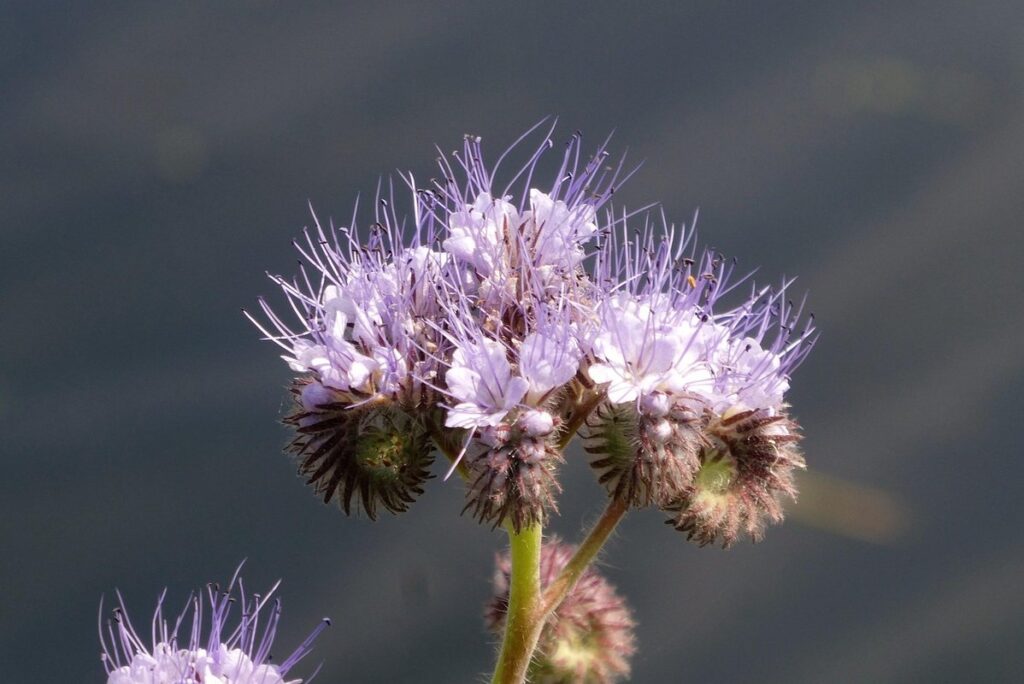
The Importance of Pollination
Pollinators play a vital role in our ecosystem, and without them, many plant species wouldn’t be able to reproduce. This section explores why pollination is essential for our planet’s biodiversity.
What is Pollination?
Pollination is the unsung hero behind many of nature’s wonders. It’s the process by which plants reproduce and produce seeds, ensuring the continuation of plant life on our planet. But what makes this process so essential? For starters, pollination relies heavily on the interaction between plants and their pollinators – creatures like bees, butterflies, hummingbirds, and even bats.
Without pollination, flowers wouldn’t be able to set seed, and many plants would eventually disappear from our ecosystem. In fact, it’s estimated that one-third of all the food we eat is directly or indirectly dependent on animal pollinators. Take apples, for example – they require bees to transfer pollen between trees in order to produce fruit.
This delicate dance between plant and pollinator is what makes flowers so fascinating. By attracting these visitors with their vibrant colors, sweet fragrances, and nectar-rich centers, plants are essentially inviting them to help facilitate the reproduction process. It’s a mutually beneficial relationship that has been perfecting itself over millions of years – and one that we can learn from in our own gardens and backyards!
Types of Pollinators
When it comes to pollination, there are many types of creatures that play a vital role. While bees are often the most well-known pollinators, they’re not the only ones doing the job. Let’s take a look at some of the other important pollinators.
Bees, including both honeybees and bumblebees, are responsible for pollinating many crops and flowers. They’re attracted to colors like blue and yellow, as well as sweet scents. Butterflies, on the other hand, tend to be drawn to bright colors and strong fragrances. Moths also play a role in pollination, although they’re often overlooked. These nocturnal creatures are active at night and are usually attracted to white or light-colored flowers.
Other pollinators include wasps, flies, and beetles. Wasps are known for their painful stings but are important pollinators nonetheless. Flies, like hoverflies and flower flies, are also helpful in this regard. Beetles, including scarab and ladybugs, may seem tiny but contribute significantly to the pollination process.
Birds such as hummingbirds and bats also pollinate flowers. Hummingbirds are attracted to red-colored blooms, particularly those with a long tube shape, while bats tend to visit white or yellow flowers that produce strong fragrances. Each of these pollinators has its own unique characteristics and roles in the pollination process.
The Role of Flowers in Attracting Pollinators
When it comes to attracting pollinators, flowers play a crucial role by providing them with the nectar and pollen they need to survive. Let’s take a closer look at how this vital relationship works.
Floral Characteristics
When it comes to attracting pollinators like bees, butterflies, and hummingbirds, flowers have evolved some remarkable features that play a crucial role. One of the most noticeable characteristics is color – specifically, the colors of the visible spectrum that are most appealing to pollinators. These include ultraviolet (UV) light, which is invisible to humans but visible to many pollinators. Sunflowers, for example, have large, bright yellow petals that reflect UV light, making them a magnet for bees and butterflies.
Shape is another important factor in attracting pollinators. Tubular flowers like honeysuckle and fuchsia allow pollinators to easily access nectar deep within the flower. Similarly, flat-faced flowers like zinnias and marigolds provide easy access to pollen. Scent also plays a significant role – many pollinators are drawn to sweet, floral fragrances that signal the presence of nectar-rich flowers. By producing copious amounts of nectar and pollen, flowers effectively “feed” their pollinator partners, encouraging them to return again and again.
Examples of Pollinator-Attracting Flowers
When it comes to attracting pollinators, some flowers are more effective than others. Among the top performers are sunflowers, zinnias, marigolds, lavender, and roses. These flowers offer a range of benefits that make them a magnet for bees, butterflies, and other pollinators.
Sunflowers, with their towering heights and bright yellow petals, are a favorite among bees and butterflies. Their large flower heads provide an abundance of nectar, making them a valuable source of energy for these busy creatures. Zinnias, on the other hand, come in a variety of colors and bloom sizes, attracting pollinators from early spring to late fall. Marigolds’ strong scent and bright orange petals make them a hit with bees and butterflies, while lavender’s fragrant flowers attract pollinators looking for nectar-rich blooms.
Roses may seem like an unusual choice, but their large, showy flowers are a pollinator paradise. Bees and butterflies adore the rose’s sweet fragrance and rich nectar, making it a valuable addition to any garden or landscape. By incorporating these pollinator-friendly flowers into your garden, you can create a haven for bees, butterflies, and other beneficial insects, supporting their populations and the health of our ecosystem.
How to Create a Pollinator-Friendly Garden
As you work towards creating a pollinator-friendly garden, let’s dive into specific steps for designing and planting a haven that attracts these crucial creatures. This includes selecting the right plants and incorporating essential features.
Plant Selection
When it comes to creating a pollinator-friendly garden, selecting the right plants is crucial. Pollinators like bees, butterflies, and hummingbirds are attracted to flowers that offer nectar and pollen as a source of food. To maximize the diversity of visitors to your garden, consider the bloom time, nectar production, and pollen availability of each plant.
For example, choose plants with different blooming periods to provide a constant source of nectar throughout the growing season. Consider native plants that have evolved alongside local pollinators, as they are more likely to produce the right kind of nectar and pollen for these visitors. Some examples of these plants include coneflowers (Echinacea spp.), black-eyed Susans (Rudbeckia hirta), and milkweed (Asclepias spp.).
In regions with cold winters or hot summers, choose plants that can tolerate the local climate conditions. In warmer climates, consider planting flowers like lantana (Lantana camara) and zinnias (Zinnia spp.) for their vibrant blooms and rich nectar production. In cooler regions, opt for spring-blooming bulbs like crocus and daffodil, which provide early sources of nectar for pollinators.
Gardening Techniques
When creating a pollinator-friendly garden, it’s not just about choosing the right flowers – it’s also about using effective gardening techniques that promote a welcoming environment for these vital visitors. One of the most essential techniques is to use native plants, which are perfectly adapted to thrive in local conditions and provide the necessary food sources for pollinators.
To reduce pesticide use, adopt integrated pest management (IPM) methods instead. This approach involves using a combination of techniques such as hand-picking pests, introducing beneficial insects, and applying targeted, environmentally friendly pesticides only when absolutely necessary.
Providing water sources is another crucial aspect of creating a pollinator-friendly garden. A shallow dish or birdbath with fresh water and a few rocks for perching will attract pollinators, especially during dry spells. You can also create a mini-meadow by leaving areas of your lawn unmowed to allow wildflowers to grow.
Create sheltered spots by incorporating native shrubs or trees that provide habitat for insects, such as butterfly bushes or oak trees. These structures help protect pollinators from harsh weather conditions and predators, allowing them to thrive in your garden.
Common Challenges Facing Pollinators
One of the biggest hurdles pollinators face is habitat loss and degradation, which can make it difficult for them to find food and shelter. This section explores some of these challenges in more detail.
Habitat Loss and Fragmentation
Habitat loss and fragmentation are two significant challenges facing pollinator populations. As we alter natural habitats through urbanization, agriculture, and climate change, the very places that pollinators need to survive begin to disappear.
Urbanization is a major driver of habitat loss for pollinators. Cities sprawl outwards, consuming large areas of land once home to diverse plant species and ecosystems. This destruction of natural habitats forces pollinators like bees and butterflies into smaller, isolated areas where they struggle to find food and shelter. In cities like Los Angeles, for example, green spaces account for only about 7% of the total area, leaving pollinators with limited options.
Agriculture also contributes to habitat loss by clearing land for crops. This not only destroys habitats but also leads to the introduction of monocultures that offer a single food source, reducing the overall biodiversity that pollinators rely on. Climate change exacerbates these issues, altering ecosystems and disrupting the delicate balance between plants and pollinators.
As individuals, we can help mitigate habitat loss by supporting sustainable agriculture practices, creating pollinator-friendly gardens in our cities, and advocating for conservation efforts in our communities. By making a few simple changes to our daily lives, we can help ensure that these crucial pollinators continue to thrive.
Pesticide Use and Its Effects
Pesticide use has become increasingly widespread in agriculture, but its effects on pollinators are far from benign. The negative impact of pesticides on these vital species is a pressing concern that requires our attention. When bees and butterflies encounter pesticides, their delicate bodies can suffer irreparable harm.
Colony collapse disorder (CCD) in bees is one alarming consequence of pesticide use. This phenomenon involves the sudden disappearance of worker bees, often leaving the queen behind to fend for herself. CCD has been linked to neonicotinoids, a class of systemic insecticides commonly used on crops like corn and soybeans. Exposure to these chemicals can impair bee navigation, memory, and communication skills.
Butterflies are also vulnerable to pesticide use, particularly those that feed on nectar-rich flowers or lay eggs in areas treated with pesticides. A decrease in reproduction rates is a common outcome for butterflies exposed to pesticides, making it difficult for their populations to recover from damage.
You can help reduce the impact of pesticides by choosing organic produce and supporting local farmers who adopt integrated pest management practices. By taking these steps, you’ll be doing your part to protect pollinators like bees and butterflies that rely on flowers for survival.
Conclusion: Supporting Pollinators through Flowers
Now that you’ve learned how to attract pollinators with flowers, let’s explore practical ways to support these valuable visitors in your garden. Here are some essential tips for creating a pollinator-friendly haven.
Simple Actions for a Difference
As you’ve learned throughout this comprehensive guide, flowers play a vital role in attracting pollinators. From incorporating native wildflowers into your garden to selecting bee-friendly blooms, every action counts. Remember that even the smallest changes can make a significant difference.
Incorporate pollinator-friendly practices into your daily life by making simple swaps and adjustments. Start by reducing pesticide use in your garden and instead opt for natural methods of pest control. Consider creating a pollinator hotel or providing a source of water, like a shallow dish or birdbath with fresh water.
As you go about your day, take note of the flowers that bloom around you – are they pollinator-friendly? Make a conscious effort to choose flowers and plants that benefit local pollinators. For example, opt for sunflowers over roses in your garden bed, as their large blooms are rich in nectar.
Every action, no matter how small, contributes to a healthier environment for pollinators. By making these simple changes, you’ll be supporting the very creatures that make our ecosystems thrive.
Creating a Sustainable Future
As we’ve explored the world of flowers and pollinators, it’s clear that their connection is crucial for our ecosystem’s health. Preserving these populations is not just a recommendation; it’s an imperative. Without sufficient pollinators, food production would decline significantly, affecting economies worldwide.
The impact of human activities on pollinator populations has been substantial. Habitat destruction, pesticide use, and climate change have all taken a toll. However, the good news is that individuals can make a difference by choosing flowers that are rich in pollen and nectar. Incorporate native plants into your garden or community space to provide a haven for these vital creatures.
For those eager to learn more about supporting pollinators, several resources are available: The Xerces Society, Pollinator Partnership, and the USDA’s Natural Resources Conservation Service all offer comprehensive guides and advice on pollinator-friendly gardening practices. By incorporating these tips into your daily routine, you can contribute to a sustainable future for our planet’s precious pollinators.
Additional Resources
If you’re excited to start planting a pollinator-friendly garden, but want more ideas and inspiration, check out these additional resources for expert advice. These trusted sources will help you create a haven for bees and butterflies.
Books, Articles, and Online Guides
If you’re interested in learning more about creating pollinator-friendly environments and attracting these crucial visitors to your garden, there are numerous excellent resources available. Below is a list of recommended books, articles, and online guides that can provide valuable insights and practical advice.
The Xerces Society’s “Pollinator Health Guide” is an invaluable resource for anyone looking to create pollinator-friendly habitats in their gardens or backyards. This comprehensive guide provides detailed information on how to choose the right plants, manage weeds, and maintain healthy ecosystems.
For those who prefer a more in-depth understanding of pollinators and their behavior, “The Pollinator Victory Garden” by Kim Eierman is an excellent choice. This book offers practical advice on creating pollinator-friendly gardens while also providing insights into the lives of bees, butterflies, and other pollinators.
If you’re interested in staying up-to-date with the latest research and findings on pollinator health, the journal “Biological Conservation” is an essential read. Each issue features articles on topics ranging from habitat loss to pesticide use and their impact on pollinator populations.
In addition to these resources, online guides such as the National Wildlife Federation’s “Pollinator-Friendly Plants” list can provide valuable information on which plants to choose for your garden. This list includes a range of native plants that are known to attract bees, butterflies, and other pollinators.
Lastly, articles from publications like The Guardian’s “Pollinator News” section offer insights into the latest research and news on pollinator health. From the impact of climate change to the importance of biodiversity, these articles provide a comprehensive understanding of the issues affecting pollinator populations.
By exploring these resources, you can gain a deeper understanding of how to create pollinator-friendly environments and attract these crucial visitors to your garden.
Frequently Asked Questions
Can I still create a pollinator-friendly garden if I have limited space?
Yes, even small spaces can attract pollinators with the right plant selection and gardening techniques. Consider using containers or vertical gardens to maximize space, and choose compact varieties of flowers that are attractive to pollinators.
What types of plants are most resistant to pesticide use?
Some plant species are more resilient to pesticide use than others. Look for native plants and those that have evolved to coexist with pesticides. For example, sunflowers and marigolds are known to be relatively resistant to pesticides.
How can I ensure my garden is safe from pesticide drift or runoff?
To minimize the impact of pesticide drift or runoff on your pollinator-friendly garden, use physical barriers like row covers or plant buffers to separate treated areas from sensitive plants. Also, choose low-maintenance plants that don’t require frequent spraying.
Can I still attract pollinators if my garden is shaded or has poor soil quality?
Yes, you can still create a pollinator-friendly garden in shaded or poorly draining areas. Focus on native plants and flowers that thrive in these conditions. For example, hostas, astilbe, and bleeding heart are excellent choices for shady areas.
What are some common mistakes to avoid when creating a pollinator-friendly garden?
Avoid using invasive plant species, which can outcompete native plants and harm local ecosystems. Also, be cautious not to overcrowd your garden, as this can lead to competition among plants and decreased pollinator activity.