
If you’re looking to add some much-needed color and vibrancy to your shaded outdoor spaces, look no further than flowering shrubs. Not only do they provide a pop of color, but they also require minimal maintenance and can thrive in areas with limited sunlight. However, choosing the right flowering shrub for your specific climate and shade conditions can be overwhelming.
In this comprehensive guide, we’ll walk you through the top flowering shrubs perfect for shade gardens, including popular varieties like hydrangeas and azaleas. We’ll also cover how to choose the best shrub for your region’s unique climate and provide tips on proper care and upkeep. Whether you’re a seasoned gardener or just starting out, this article will equip you with the knowledge needed to select and maintain beautiful flowering shrubs in your shade garden.
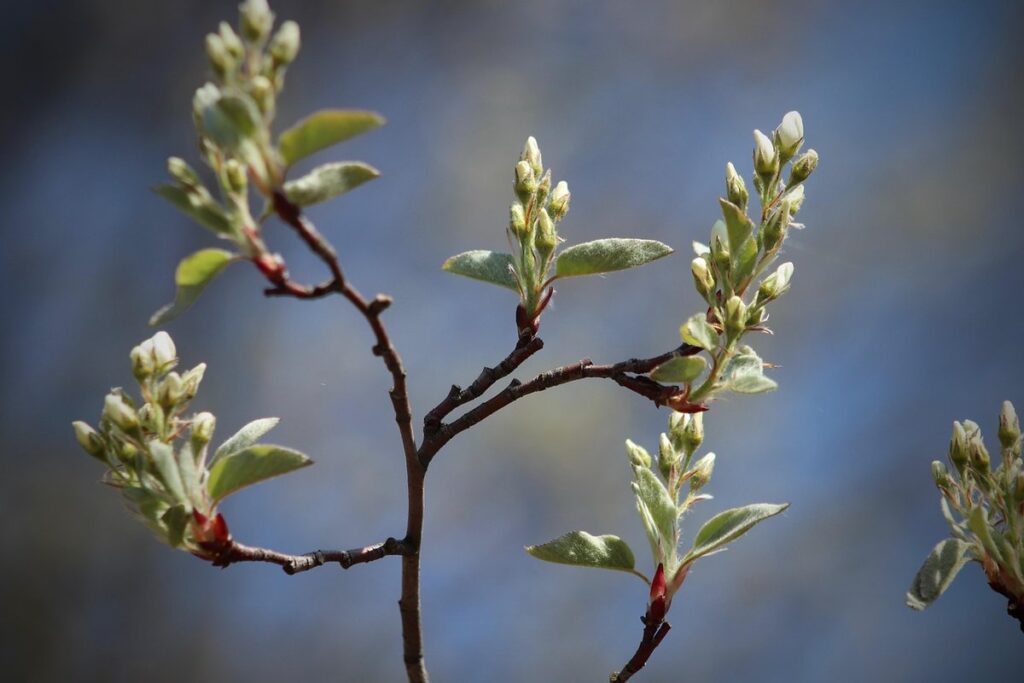
Choosing the Right Flowering Shrub for Your Shade Garden
When selecting a flowering shrub for your shade garden, it’s essential to consider factors such as growth habit and maintenance requirements to ensure a beautiful and low-maintenance addition.
Understanding Plant Hardiness and Climate Requirements
When selecting flowering shrubs for your shade garden, it’s essential to consider the hardiness and climate requirements of each plant. To determine which shrubs are suitable for your region, you’ll need to take into account your local climate, hardiness zone, and specific weather conditions.
Start by checking your hardiness zone using an online tool or consulting with a local nursery. This will give you an idea of the minimum temperature your area can tolerate. Most flowering shrubs have a specific hardiness rating, usually ranging from 3 to 9, where 3 is the most cold-tolerant and 9 is the least.
Next, consider the climate in your region. If you live in an area with hot summers or dry winters, look for shrubs that are drought-tolerant and heat-resistant. On the other hand, if you live in a cooler, wetter climate, choose shrubs that thrive in those conditions. For example, the Hydrangea is a great choice for shady areas in zones 3-8, but it may not perform well in extremely hot or dry climates.
When shopping for flowering shrubs, check the plant label or consult with a nursery expert to ensure you’re selecting a variety that’s suitable for your specific climate and hardiness zone. By doing so, you’ll be able to enjoy vibrant blooms and a healthy, thriving garden all season long.
Factors to Consider When Selecting a Flowering Shrub
When selecting a flowering shrub for your shade garden, there are several factors to consider beyond just its aesthetic appeal. Maintenance requirements, growth habits, disease resistance, and bloom times all play crucial roles in determining the right plant for your specific needs.
First, think about how much maintenance you’re willing and able to commit to. Some flowering shrubs require regular pruning, fertilization, and pest management, while others are more low-maintenance. For example, the Azalea is a relatively high-maintenance option that requires regular pruning to maintain its shape, whereas the Hydrangea is often more forgiving.
Consider your yard’s growth habits as well – will the shrub grow too large for its space? Will it require frequent trimming or shaping to keep it under control? Some flowering shrubs, like the Viburnum, are naturally compact and slow-growing, making them ideal for smaller spaces.
In addition to maintenance and growth habits, also think about disease resistance. Certain flowering shrubs, such as the Rhododendron, are more susceptible to diseases like root rot and leaf spot. On the other hand, plants with built-in resistance can help reduce the need for pesticides and fungicides.
Finally, consider bloom times – do you want a shrub that blooms in early spring, or one that provides color throughout the summer months? Some flowering shrubs, such as the Lilac, have a short blooming period, while others like the Gardenia bloom continuously throughout their growing season.
Popular Flowering Shrubs for Shade Gardens
When it comes to adding color and vibrancy to your shade garden, flowering shrubs are an excellent choice. In this next section, we’ll explore some of our favorite options that thrive in shaded conditions.
Hydrangeas: Big Blooms in the Shade
Hydrangeas are a popular choice for shade gardens due to their impressive blooms and adaptability to low-light conditions. These flowering shrubs can thrive in shaded areas with minimal maintenance, making them an excellent addition to any garden. Hydrangeas typically require partial shade, especially in warmer climates, as full sun can lead to scorched leaves.
To grow hydrangeas successfully, ensure your plant is planted in well-draining soil with a slightly acidic pH (5.5-6.0). Water regularly, but avoid overwatering, which can cause root rot and other issues. Fertilize annually with an acidic fertilizer to promote blooming.
Some popular varieties of hydrangeas include the Bigleaf Hydrangea (Hydrangea macrophylla), Panicle Hydrangea (Hydrangea paniculata), and Oakleaf Hydrangea (Hydrangea quercifolia). When selecting a variety, consider factors like bloom color, size, and growth habit to ensure it suits your garden’s style. With proper care and conditions, hydrangeas can produce stunning flowers in shades of pink, blue, white, or purple, adding a pop of color to any shade garden.
Azaleas and Rhododendrons: Springtime Bloomers
Azaleas and rhododendrons are two of the most popular flowering shrubs for shade gardens, and it’s easy to see why. These beautiful plants produce stunning blooms in shades of pink, purple, blue, and white, typically in late spring. But what makes them so well-suited for shaded areas? For one, they thrive in partial to full shade, making them perfect for areas with limited sunlight.
In terms of growth habits, azaleas tend to be more compact than rhododendrons, growing up to 6 feet tall and wide. Rhododendrons, on the other hand, can grow much larger, often reaching heights of 10-15 feet or more. Both plants have a tendency to spread outwards, making them great for creating a lush, layered look in shade gardens.
When it comes to bloom patterns, azaleas tend to produce flowers earlier than rhododendrons, typically blooming in late March or early April. Rhododendrons usually follow suit a few weeks later, with their blooms lasting for several weeks. By choosing both varieties and staggering their planting times, you can enjoy a long-lasting display of color in your shade garden.
Low-Maintenance Flowering Shrubs for Busy Gardeners
For gardeners with limited time, flowering shrubs that require minimal upkeep are a lifesaver. In this section, we’ll highlight some gorgeous options perfect for busy gardeners.
Boxwood and Holly: Evergreen Options
If you’re looking for low-maintenance evergreen options to add some texture and interest to your shade garden, consider boxwood and holly shrubs. Both are excellent choices for busy gardeners, requiring minimal upkeep while providing year-round beauty.
Boxwood (Buxus sempervirens) is a popular choice for topiaries, hedges, and borders due to its compact growth habit and versatility. When it comes to maintenance, boxwood is relatively easy-going. It requires occasional pruning to maintain shape, but this can be done with just shears or loppers. Boxwood also tolerates some drought, making it a great option for areas with limited watering.
Holly (Ilex spp.), on the other hand, offers glossy leaves and showy red berries in winter. English holly is a popular variety that thrives in shade gardens, requiring minimal pruning except to remove dead or damaged branches. Keep in mind that some varieties of holly produce more berries than others, so choose wisely if you’re concerned about cleanup.
Both boxwood and holly can be used as standalone specimens or combined with other shrubs and perennials for a lush, layered look. When planting, remember to choose a location with well-draining soil to prevent root rot and ensure healthy growth. With proper care, these evergreen shrubs will provide structure and interest in your shade garden year-round.
Dwarf Varieties of Popular Flowering Shrubs
When it comes to flowering shrubs that thrive in shade, busy gardeners often worry about their high maintenance requirements. However, did you know that dwarf varieties of popular flowering shrubs can be a game-changer for low-maintenance gardening? These compact shrubs boast reduced growth rates and lower maintenance needs, making them perfect for gardeners with limited time on their hands.
Take the Weigela ‘Red Prince’ for example – this compact variety grows only 2-3 feet tall and wide, requiring minimal pruning to maintain its shape. The same goes for the dwarf Rhododendron, which can thrive in shade without needing regular fertilization or mulching. By opting for these smaller varieties, gardeners can enjoy the beauty of flowering shrubs without sacrificing valuable time.
When selecting a dwarf variety, be sure to check the plant’s label for its mature size and growth habits. With proper care, these compact shrubs will provide vibrant blooms and lush foliage all season long – even in the shadiest of spots!
Flowering Shrubs with Unique Characteristics
These flowering shrubs have evolved extraordinary features that set them apart from others, and we’re excited to share some of the most unique ones perfect for shade gardens.
Honeysuckle: A Fragrant Option
Honeysuckle is often overlooked as a shade-tolerant option, but its fragrant flowers and adaptable nature make it an excellent choice for shaded areas. This flowering shrub can thrive in partial to full shade, making it perfect for North-facing gardens or those with mature trees.
To grow honeysuckle successfully, provide it with well-draining soil and regular watering. It prefers slightly acidic to neutral soil pH (around 6.0-7.0). Honeysuckle’s compact growth habit makes it suitable for smaller spaces, such as borders or containers. However, be aware that some varieties can become invasive in certain regions.
In terms of fragrance, honeysuckle is renowned for its intoxicating scent, which attracts pollinators and hummingbirds. Its white, yellow, or pink flowers appear in late spring to early summer, often accompanied by a sweet, heady aroma. Consider planting honeysuckle near a seating area or pathway to fully appreciate its perfume.
When selecting a honeysuckle variety, look for ‘Dropmore Scarlet’ or ‘Major’, which are known for their robust growth and resistance to diseases. Prune your honeysuckle regularly to maintain shape and encourage new growth. By choosing the right cultivar and providing optimal growing conditions, you can enjoy this fragrant flowering shrub in even the shadiest of spots.
Viburnum: A Pollinator-Friendly Choice
Viburnum shrubs are an excellent choice for shade gardens, not only because they thrive in low-light conditions but also because they’re a haven for pollinators. These versatile plants require minimal maintenance and can tolerate a range of soil types, making them perfect for busy gardeners or those new to gardening.
When it comes to growth habits, viburnum shrubs are generally compact to medium-sized, growing between 3-12 feet tall depending on the variety. This allows them to fit seamlessly into smaller shade gardens or provide a beautiful focal point in larger spaces. The plant’s dense foliage also makes it an excellent option for hedges or screens.
One of the most significant advantages of viburnum is its long-lasting bloom pattern, typically occurring in late spring and early summer. The showy white, pink, or red flowers attract pollinators like bees and butterflies, which are essential for a healthy ecosystem. To maximize the bloom potential, ensure your viburnum receives at least four hours of indirect sunlight daily and maintain regular watering and fertilization practices.
Planting and Caring for Flowering Shrubs in Shade
When planting flowering shrubs in shade, proper care is crucial to ensure they thrive. This section will guide you through the essential steps to plant and maintain your shaded shrubs successfully.
Proper Planting Techniques for Optimal Growth
When planting flowering shrubs in shade, selecting the right location is crucial for optimal growth. Consider the amount of dappled light the area receives and choose a spot that receives at least 4-6 hours of indirect sunlight per day. Some flowering shrubs like azaleas and rhododendrons thrive in partial shade, while others like hydrangea and camellia prefer more shade.
Before planting, prepare the soil by loosening it to a depth of about 12 inches. Add organic matter like compost or well-rotted manure to improve drainage and fertility. Avoid over-tilling, as this can damage roots and disturb beneficial microorganisms in the soil.
When spacing plants correctly, keep in mind that flowering shrubs need room to grow without becoming overcrowded. A general rule of thumb is to plant them 3-5 feet apart, depending on their mature size. For example, a compact variety of hydrangea can be planted as close as 2-3 feet apart, while a larger variety like a oakleaf hydrangea requires more space, about 4-6 feet apart.
Watering and Fertilization Tips for Healthy Plants
When it comes to flowering shrubs in shade, proper watering and fertilization are crucial for promoting healthy growth. These plants require more attention than their sun-loving counterparts due to the lack of direct sunlight.
Watering, in particular, is a delicate balance. Flowering shrubs in shade need consistent moisture, especially during their active growing season (spring-fall). However, overwatering can be detrimental, leading to root rot and other issues. To avoid this, check the soil regularly by inserting your finger into it up to the first knuckle. If the soil feels dry, it’s time to water.
Fertilization is equally important, but it requires a more nuanced approach. Since flowering shrubs in shade don’t photosynthesize as efficiently as those in sunnier spots, they may require fewer nutrients. Opt for a balanced, slow-release fertilizer (e.g., 10-10-10 NPK) and follow the manufacturer’s instructions carefully.
Some popular flowering shrubs for shade, like Hydrangeas and Azaleas, prefer slightly acidic soil with regular fertilization. For these plants, use an acid-specific fertilizer (around pH 5.5) during their growing season to promote vibrant blooms. Keep in mind that overfertilizing can damage the plant’s delicate root system, so monitor your shrub’s response to new fertilizer applications and adjust as needed.
Troubleshooting Common Issues with Flowering Shrubs in Shade
We know that even with the right plants, issues can still arise – so let’s tackle some common problems and solutions to keep your flowering shrubs thriving in shade.
Identifying and Addressing Pests and Diseases
When it comes to flowering shrubs growing in shade, pest and disease issues can be just as common as they are in full-sun areas. However, some problems are more likely to occur due to the reduced light conditions.
One of the most common pests you might encounter is spider mites. These tiny arachnids thrive in dry environments with low humidity, making shade a perfect breeding ground for them. To identify spider mite infestations, look out for fine webbing on the underside of leaves and yellowing foliage.
Diseases such as root rot and leaf spot are also prevalent in shaded areas. These issues can be caused by overwatering or poor drainage, which allows moisture to collect around the roots. Regularly inspect your shrubs’ base for signs of fungal growth or soft spots on the stem.
Common diseases include powdery mildew and leaf blight, often triggered by excessive moisture and humidity. If you suspect a pest or disease issue, take action promptly: remove affected areas, improve air circulation, and apply fungicides as necessary to prevent further damage.
Reviving Wilting or Underperforming Plants
If you notice that your flowering shrub is wilting or underperforming in shade, it’s essential to take prompt action. Wilting plants can be a sign of underlying issues such as inadequate watering, poor soil quality, or insufficient light. To revive your plant, start by adjusting its care routine.
Firstly, check the moisture levels in the soil and adjust your watering schedule accordingly. If you’re using an automatic irrigation system, ensure that it’s set to deliver the right amount of water for your plant type. Water deeply but infrequently to encourage deep root growth. Also, inspect the soil quality by testing its pH level and nutrient content.
Pruning is another crucial aspect of reviving wilting plants. Remove any dead or diseased branches to prevent the spread of disease and encourage new growth. Prune back overgrown stems to about one-third to half their original length, making clean cuts just above a leaf node. This will stimulate new growth and help your plant thrive in shade conditions. By implementing these adjustments, you should start seeing improvements within weeks.
Frequently Asked Questions
What if I’m not sure which flowering shrub is best for my specific climate?
Check the plant hardiness zone and climate requirements of each shrub to ensure it can thrive in your region. You can use online tools or consult with local nurseries to determine which shrubs are suitable for your area.
Can I plant multiple types of flowering shrubs together, or will they compete for resources?
Yes, many flowering shrubs can coexist and even complement each other’s growth habits and bloom times. Just ensure you choose varieties with similar growing conditions and space them according to their mature sizes.
How do I know if my flowering shrub is receiving enough shade?
If your shrub is showing signs of sunburn or stress, it may be receiving too much direct sunlight. In this case, consider relocating the plant to a spot with dappled or filtered shade, or use a shade cloth to filter out intense rays.
What’s the best way to propagate new flowering shrubs from existing ones?
Propagation methods vary depending on the type of shrub. For many varieties, you can take cuttings from established plants during the dormant season and root them in a nursery pot filled with a well-draining mix. Some species, like azaleas and rhododendrons, can be propagated through layering.
Can flowering shrubs be used as hedges or screens?
Yes, many flowering shrubs can be pruned to maintain a specific shape or size, making them suitable for use as hedges or screens. Consider factors such as growth rate, mature size, and pruning requirements when selecting a flowering shrub for these purposes.