
If you’re looking to add some color and vibrancy to your garden, consider incorporating flowering groundcovers into your design. Not only do they provide beautiful blooms, but they also help suppress weeds, retain soil, and reduce erosion. With so many options available, choosing the right flowering groundcover can be overwhelming. Whether you’re a seasoned gardener or just starting out, it’s essential to select a plant that thrives in your garden’s climate and meets your maintenance needs.
This article will explore top flowering groundcover options, including perennials, annuals, and succulents. We’ll delve into the benefits of each type and provide guidance on selecting the perfect one for your garden. From low-maintenance succulents to hardy perennials, we’ll cover it all, helping you make an informed decision when choosing a flowering groundcover that will bring beauty and life to your outdoor space.
Choosing the Right Flowering Groundcover
When selecting a flowering groundcover, it’s essential to consider factors such as climate, soil type, and maintenance requirements to ensure your chosen plant thrives. This affects its performance in the long run.
Factors to Consider Before Selection
Before selecting a flowering groundcover, it’s essential to consider several key factors. First and foremost, think about your climate. Different regions have varying levels of sunlight, temperature, and rainfall, which can significantly impact the performance and survival of your chosen groundcover. For instance, if you live in an area with hot summers, choose a plant that is heat-tolerant and drought-resistant.
Next, consider the soil type in your garden. Some flowering groundcovers prefer well-draining soil, while others thrive in moist environments. Be sure to select a plant that suits your soil’s characteristics to avoid disappointment or even damage to the plant. Additionally, think about the level of maintenance you’re willing and able to commit to. Some groundcovers require regular pruning, fertilizing, and watering, which may not be feasible for busy gardeners.
Lastly, don’t forget to assess the desired appearance and purpose of your flowering groundcover. Will it be used as a border, or will it provide a vibrant display of color in a specific area? By taking these factors into account, you’ll be well on your way to selecting the perfect flowering groundcover for your garden.
Types of Flowering Groundcovers
When it comes to choosing the perfect flowering groundcover for your garden, you’ll want to consider the various types available. One of the most popular categories is perennials, which are plants that come back year after year. These flowers require minimal maintenance and often bloom for several weeks in the spring or summer. For example, creeping thyme (Thymus serpyllum) is a low-growing perennial groundcover with tiny pink or white flowers that attract pollinators.
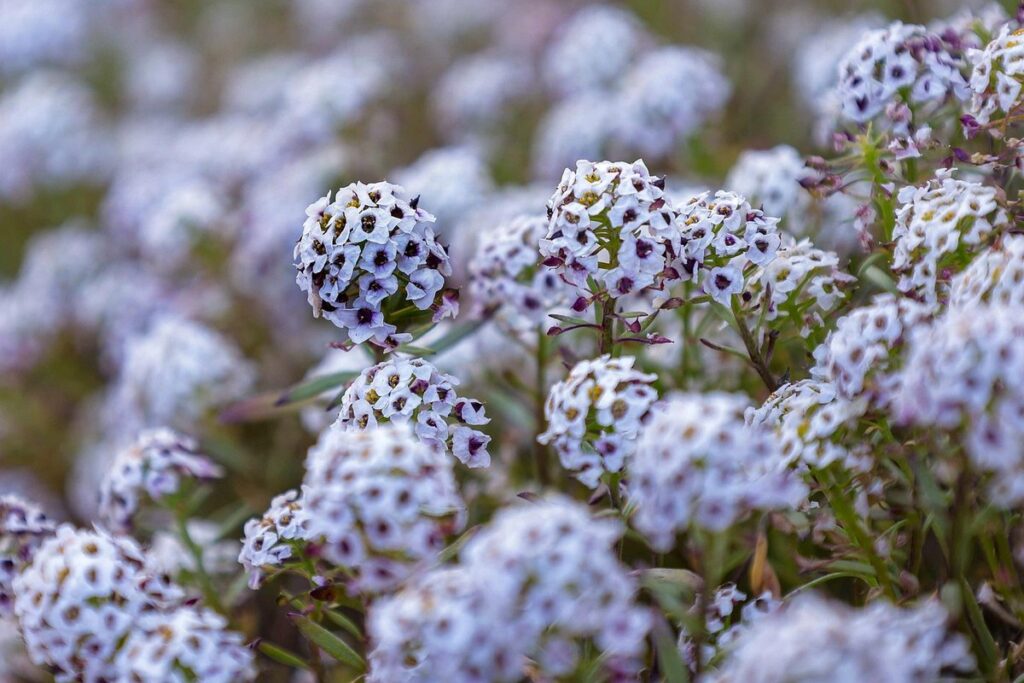
Another option is annuals, which complete their life cycle within a year. These plants are ideal for gardens where soil quality is poor, as they bring in nutrients and improve the soil structure. However, they need to be replanted every season. Sweet Alyssum (Lobularia maritima) is a classic example of an annual groundcover with delicate white blooms that cascade over walls or containers.
Lastly, shrubs can also serve as flowering groundcovers, providing year-round interest and structural support in the garden. Dwarf varieties like rosemary or lavender are perfect for hot, dry areas, while others like boxwood or holly offer evergreen foliage and flowers in shades of pink, white, or yellow. By choosing from these categories, you can find the ideal flowering groundcover to suit your climate, soil type, and personal style.
Popular Perennial Flowering Groundcovers
When it comes to low-maintenance and beautiful flowering groundcovers, perennials are a great choice for any garden. Let’s take a look at some of our favorite perennial options that add color and charm all season long!
Creeping Thyme (Thymus serpyllum)
Creeping thyme (Thymus serpyllum) is a charming and low-maintenance flowering groundcover that’s perfect for busy gardeners. This perennial herb produces tiny pink, purple, or white flowers from May to July, attracting pollinators and adding a fragrant aroma to your garden.
As a spreading groundcover, creeping thyme forms a dense mat of stems that can reach up to 4-6 inches in height. It’s an excellent choice for areas with poor soil, as it tolerates drought and full sun to partial shade conditions. Its small leaves are highly aromatic and release a pleasant scent when walked upon.
One of the biggest benefits of creeping thyme is its ability to suppress weeds by forming a dense mat. This makes it an excellent option for lawns, paths, or areas where weeds tend to grow. However, be aware that it can become invasive in some regions, so make sure to monitor its growth and contain it if necessary.
To use creeping thyme as a flowering groundcover, plant it in well-draining soil and provide regular watering during the first growing season. After establishment, reduce watering to once or twice a month, depending on your climate. With proper care, creeping thyme will reward you with years of beautiful blooms and fragrant foliage.
Vinca Minor (Periwinkle)
Vinca minor, commonly known as periwinkle, is a popular choice for gardeners due to its attractive blue-purple flowers and ability to thrive in low-maintenance conditions. This evergreen groundcover can spread rapidly, forming a dense mat that’s ideal for suppressing weeds.
One of the significant advantages of vinca minor is its adaptability to various lighting conditions. It can tolerate full sun to partial shade, making it suitable for areas with limited direct sunlight. Additionally, periwinkle is relatively drought-tolerant and can survive with minimal watering, although regular moisture will promote more vibrant blooms.
However, there are some potential drawbacks to consider when growing vinca minor in your garden. Its aggressive spreading habit may necessitate periodic pruning or division to control its size and prevent it from overwhelming other plants. Furthermore, periwinkle’s leaves contain a toxic compound called vincristine, which can be hazardous if ingested by humans or pets.
When incorporating vinca minor into your garden design, consider planting it in areas with poor soil quality, as it can tolerate a range of pH levels and nutrient-poor conditions.
Annual Flowering Groundcovers
For a lush and vibrant garden, annual flowering groundcovers are a great option for adding color without committing to long-term maintenance. They bloom all season long!
Sweet Woodruff (Galium odoratum)
Sweet woodruff (Galium odoratum) is a charming annual flowering groundcover that’s perfect for adding a whimsical touch to your garden. One of its most unique traits is its ability to thrive in partial shade, making it an excellent option for gardens with dappled sunlight.
This low-maintenance groundcover produces small, white flowers in late spring, which are highly fragrant and attractive to pollinators. Sweet woodruff also boasts delicate, fern-like foliage that’s soft to the touch. To encourage blooming, make sure to plant it in well-draining soil with a slightly acidic pH.
When used as an annual groundcover, sweet woodruff can form a dense mat of foliage and flowers, suppressing weeds and requiring minimal care. It’s also deer-resistant and relatively pest-free, making it a great choice for gardeners who want a low-fuss option. In warmer climates, consider planting sweet woodruff in early spring or fall to take advantage of the cooler temperatures and extended growing season.
By incorporating sweet woodruff into your garden design, you’ll create a beautiful, fragrant groundcover that attracts wildlife and requires minimal maintenance.
Petunia spp.
Petunias are one of the most versatile and low-maintenance flowering groundcovers you can add to your garden. They come in a variety of species (Petunia spp.), each with its unique characteristics and growth habits. Some popular varieties, such as Petunia hybrida, are perfect for hanging baskets or containers, while others like Petunia multiflora spread quickly on the ground.
One of the most significant advantages of petunias is their adaptability to different environments. They thrive in full sun to partial shade and can tolerate a range of soil types, from sandy loams to clay soils. This makes them an excellent choice for gardens with challenging soil conditions or areas that receive varying amounts of sunlight.
In terms of growth habits, petunias can be trained to cascade over walls, containers, or raised beds, adding a pop of color and texture to your garden design. They also come in a range of bloom sizes, from small trumpet-shaped flowers to large, showy blooms. To incorporate petunias into your garden design, start by choosing a location with well-draining soil and at least 6 hours of direct sunlight per day. Plant the seeds or seedlings about 12-18 inches apart, depending on the variety, and water regularly until they’re established. With proper care, petunias will bloom from spring to fall, providing a vibrant display of color throughout the growing season.
Succulent Flowering Groundcovers
If you’re looking for low-maintenance options that bloom all season, succulent flowering groundcovers are a great choice to consider adding to your garden. We’ll explore some of the best varieties here.
Sedum (Sedum spp.)
When it comes to flowering groundcovers that are low-maintenance and hardy, sedum is an excellent choice for gardeners of all levels. With over 600 species to choose from, there’s a sedum variety to suit every climate and soil type.
One of the main advantages of using sedum as a flowering groundcover is its ability to thrive in areas with poor soil quality or full sun exposure. Sedum can tolerate extreme temperatures, from scorching heat to freezing cold, making it an ideal choice for gardeners living in regions with harsh weather conditions.
In terms of visual appeal, sedum produces stunning flowers in shades of pink, yellow, white, and red, depending on the species. These blooms are not only a feast for the eyes but also attract pollinators like bees and butterflies to your garden. To maximize the visual impact of your sedum, plant it in clusters or as a border around other plants with contrasting foliage.
When selecting a sedum variety, consider factors like bloom time, growth habit, and mature size to ensure the best fit for your garden’s specific needs.
Echeveria (Echeveria spp.)
Echeveria is a popular choice among succulent enthusiasts, and for good reason. These stunning flowering groundcovers can thrive in a range of lighting conditions, from bright indirect light to partial shade. In fact, echeverias have adapted to grow well in areas with low light, making them an excellent option for spaces with limited natural light.
When it comes to watering, echeverias are relatively drought-tolerant but will still require regular hydration during the growing season. Water your echeveria when the top inch of soil feels dry to the touch, and make sure not to overwater – this can lead to root rot and other issues. To propagate new echeverias, simply remove a healthy offsets (or “pups”) from the base of the plant, allowing it to dry for 1-3 days before planting in well-draining soil.
With proper care, your echeveria will bloom in shades of pink, blue, or yellow, adding a vibrant pop of color to your garden. By understanding their unique needs and propagation methods, you can enjoy these beautiful flowering groundcovers for years to come. To ensure success, be patient and monitor your plant’s specific needs – some echeverias may require more attention than others.
Shrubby Flowering Groundcovers
If you’re looking for low-maintenance options that still pack a punch of color, shrubby flowering groundcovers are perfect for adding texture and beauty to your garden. They come in a variety of shapes and sizes.
Boxwood (Buxus sempervirens)
Boxwood (Buxus sempervirens) is a versatile flowering groundcover that’s perfect for adding structure and style to your garden. Not only can it be used as a hedge or topiary, but its compact growth habit also makes it an excellent choice for edging pathways or creating intricate patterns.
When it comes to boxwood’s versatility in hedges, consider pruning it regularly to maintain a neat and tidy appearance. You can trim it into a variety of shapes, from formal cones to more relaxed, sweeping curves. For topiaries, use a combination of pruning shears and wire supports to create intricate designs that add visual interest to your garden.
In its groundcover role, boxwood produces small white flowers in the spring, followed by red berries in the fall. To encourage flowering, make sure to provide your boxwood with well-draining soil and partial shade. Water regularly during its first year of growth, then reduce watering as it matures. With proper care, boxwood can thrive for decades, making it a low-maintenance option that’s perfect for busy gardeners.
In addition to its practical uses, boxwood also offers a range of ornamental benefits. Its small leaves are highly prized for their ability to retain their color and shape throughout the seasons, making it an excellent choice for adding year-round interest to your garden.
Heather (Erica spp.)
Heather is an excellent choice for gardeners seeking low-maintenance, flowering groundcovers. Erica spp., commonly referred to as heather, thrives in acidic soils and tolerates drought conditions. This evergreen shrub produces small, bell-shaped flowers in shades of pink, purple, and white during the spring and summer months.
Heather’s growth habits make it an ideal choice for areas with poor soil quality or shallow root depth. Its compact, spreading habit allows it to form a dense mat of foliage, suppressing weeds and reducing the need for mulch or other groundcovers. In coastal regions, heather is often used as a dune stabilizer due to its ability to tolerate salt-laden winds.
When planting heather as a flowering groundcover, choose a location with well-draining soil and full sun to partial shade. Water regularly during the establishment period, but avoid overwatering once established. Prune spent flowers in the spring to encourage new blooms and maintain shape. With proper care, heather can thrive for up to 10 years before requiring replacement.
Keep in mind that different Erica spp. varieties offer varying levels of hardiness and flowering periods. Be sure to research specific cultivars suitable for your region’s climate and growth conditions to ensure optimal performance.
Maintenance and Care for Flowering Groundcovers
To keep your flowering groundcovers looking their best, it’s essential to understand how to properly maintain and care for them throughout the growing season. Regular upkeep will ensure a beautiful display of blooms year after year.
Watering and Fertilization Needs
When it comes to maintaining and caring for your flowering groundcovers, watering and fertilization needs are crucial factors to consider. Unlike other types of plants that require a lot of space, flowering groundcovers need consistent moisture levels to promote healthy growth and blooms.
As a general rule, flowering groundcovers prefer well-draining soil and moderate watering schedules. Aim to water them deeply once or twice a week during hot summer months, and reduce the frequency in cooler seasons. Be cautious not to overwater, as this can lead to root rot and other problems.
In terms of fertilization needs, most flowering groundcovers benefit from balanced, slow-release fertilizers applied in early spring and again after blooming has finished. However, some species may require more frequent feeding or specialized nutrients. For example, azaleas and rhododendrons need acidic fertilizers with a high phosphorus content to promote vibrant blooms.
To ensure your flowering groundcovers receive the right amount of moisture and nutrients, observe their responses to different care routines. Pay attention to color intensity, leaf health, and growth patterns. By fine-tuning your watering and fertilization schedules based on these factors, you’ll be able to coax the best performance out of your plants and enjoy a lush display of flowers throughout the growing season.
Pruning and Training
When it comes to maintaining flowering groundcovers, pruning and training are essential tasks that help control their shape, promote healthy growth, and encourage blooming. Pruning involves removing dead, diseased, or damaged branches to maintain the plant’s appearance and prevent the spread of disease.
To prune your flowering groundcover effectively, start by examining the plant as a whole and identifying areas that need attention. For example, if you have a creeping thyme groundcover, use scissors or pruning shears to trim back any overgrown stems, cutting them back to about one-third of their original length. This will encourage new growth and prevent the plant from becoming leggy.
Training involves guiding the growth of your flowering groundcover to achieve the desired shape. You can do this by gently bending branches or stems into place using stakes or twine. Another approach is to use a trellis or other support structure to provide a framework for climbing plants like ivy or clematis. By pruning and training regularly, you’ll be able to enjoy your flowering groundcover in all its glory, with vibrant blooms and lush foliage throughout the growing season. Regular maintenance will also help prevent weeds from taking over and ensure that your plant continues to thrive for years to come.
Common Problems with Flowering Groundcovers
When choosing the best flowering groundcover for your garden, it’s essential to be aware of some common problems that can arise, such as invasive spreading and low blooming yields.
Pests and Diseases
Flowering groundcovers can be susceptible to various pests and diseases that can harm their health and appearance. Among the most common issues are aphids, whiteflies, and spider mites, which feed on plant sap and cause curled or distorted leaves. To prevent infestations, ensure good air circulation around plants, use physical barriers like fine mesh to keep pests away, and maintain a balanced ecosystem by introducing beneficial insects.
Diseases such as powdery mildew, root rot, and leaf spot can also affect flowering groundcovers. Prevention methods include providing sufficient sunlight, watering carefully to avoid overwatering, and removing infected plant parts. For existing infections, apply fungicides or bactericides according to the product’s instructions and take steps to improve soil drainage.
Some flowering groundcovers are more prone to certain pests and diseases than others. For example, Phlox subulata is susceptible to powdery mildew, while Sedum spp. can be affected by root rot. Being aware of these potential issues can help you choose the right plants for your garden or take proactive measures to prevent problems from arising.
Invasive Species
When selecting flowering groundcovers for your garden, it’s essential to consider the risks associated with invasive species. Invasive plants can outcompete native vegetation, alter ecosystems, and cause significant economic and environmental harm. According to a study by the USDA, invasive plant species have been linked to over $100 billion in annual economic losses.
Some popular flowering groundcovers, like creeping thyme (Thymus serpyllum) and vinca minor (Periwinkle), can be invasive in certain regions. In areas with mild winters and warm summers, these plants can spread rapidly, choking out native vegetation and damaging local ecosystems.
To avoid contributing to the problem of invasive species, it’s crucial to choose flowering groundcovers that are suitable for your region and climate. Research the specific needs and characteristics of different plant species before making a selection. Look for plants with compact growth habits, which tend to be less aggressive than their spreading counterparts. By being mindful of these considerations, you can create a beautiful and sustainable garden while minimizing the risk of invasive species.
Frequently Asked Questions
Can I use flowering groundcovers to cover large areas, such as slopes or embankments?
Concise, valuable answer…
Using flowering groundcovers on slopes or embankments can be effective in stabilizing soil and reducing erosion. However, it’s essential to choose plants that are specifically adapted for these types of conditions, such as succulents like Sedum (Sedum spp.) or Echeveria (Echeveria spp.), which have strong root systems that can help hold the soil in place.
How do I know if a flowering groundcover is invasive in my region?
Concise, valuable answer…
To determine if a flowering groundcover is invasive in your area, check with local nurseries or gardening clubs for information on non-native plants that may pose a threat to native ecosystems. You can also consult the USDA’s PLANTS database, which provides information on plant invasiveness and distribution.
Can I mix different types of flowering groundcovers together in a single garden bed?
Concise, valuable answer…
Mixing different types of flowering groundcovers can create a visually interesting and dynamic garden bed. However, be sure to choose plants with similar growing conditions and maintenance needs to ensure they thrive together. Also, consider the mature size of each plant to avoid overcrowding.
How often should I water my flowering groundcover in extreme heat or drought?
Concise, valuable answer…
Watering frequency for flowering groundcovers depends on the specific type of plant, climate, and soil conditions. As a general rule, water your plants deeply but infrequently to encourage deep root growth, which can help them survive drought conditions.
Can I use flowering groundcovers in containers or hanging baskets?
Concise, valuable answer…
Yes! Flowering groundcovers can thrive in containers or hanging baskets, providing a beautiful display of color and texture. When choosing a plant for a container, select one that is compact or trailing to avoid overcrowding the space. Be sure to use a well-draining potting mix to prevent waterlogged soil.