
Are you tired of bare spots in your garden? Do you want to add some color and vibrancy without breaking your back with maintenance? Flowering ground covers are the perfect solution! Not only do they reduce maintenance by suppressing weeds, but they also control erosion and provide stunning blooms throughout the growing season. Whether you’re a seasoned gardener or just starting out, incorporating flowering ground cover into your landscape can be a game-changer.
In this article, we’ll explore the best perennial and annual options for flowering ground covers that are sure to impress. We’ll dive into the benefits of using flowering ground covers in your garden, including reduced maintenance, improved soil health, and increased curb appeal. By the end of this article, you’ll be armed with the knowledge you need to choose the perfect flowering ground cover for your garden, regardless of your level of gardening expertise or climate conditions.
Characteristics and Benefits of Flowering Ground Covers
Whether you’re a seasoned gardener or just starting out, understanding the characteristics and benefits of flowering ground covers is crucial to choosing the right plants for your garden’s needs.
What are Flowering Ground Covers?
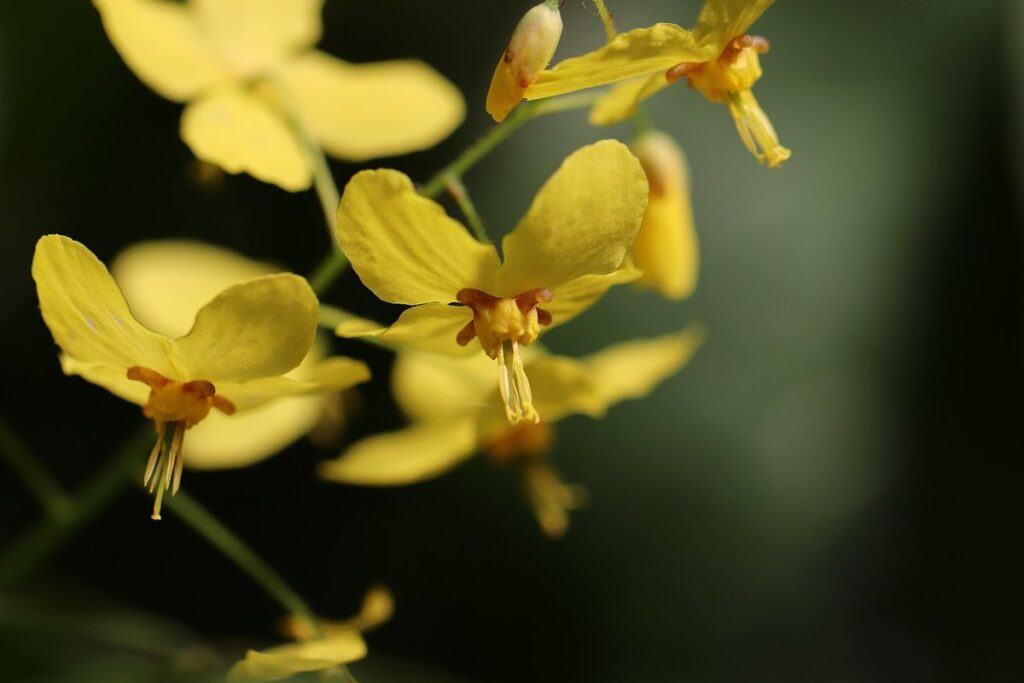
Flowering ground covers are a type of low-maintenance plant that serves multiple purposes in the garden. Not only do they provide an attractive display of color and texture, but they also help to suppress weeds and retain moisture in the soil. Unlike other types of ground covers, flowering ground covers have the added benefit of producing vibrant flowers throughout their growing season.
One of the key differences between flowering ground covers and other types is their ability to produce showy blooms. This means that they can add a pop of color to your garden even in areas where other plants may not thrive. For example, creeping thyme produces tiny pink or white flowers that are perfect for edging paths or filling gaps between pavers.
To choose the right flowering ground cover for your garden, consider factors such as climate, soil type, and amount of sunlight. Some popular options include sweet woodruff, vinca minor, and pachysandra. By selecting a flowering ground cover that fits your specific needs, you can create a beautiful and low-maintenance display in your garden that attracts pollinators and adds visual interest throughout the growing season.
Advantages of Using Flowering Ground Covers in Gardens
Using flowering ground covers in your garden can bring numerous benefits that enhance its overall health and appearance. One of the most significant advantages is reduced maintenance. These plants are often low-growing and spread quickly, making them ideal for areas where grass won’t grow or where you want to reduce mowing frequency.
They also provide excellent erosion control by holding soil in place with their extensive root systems. This is particularly useful for sloping or uneven terrain. Moreover, flowering ground covers offer attractive blooms throughout the growing season, adding color and vibrancy to your garden without requiring much upkeep.
Some examples of low-maintenance flowering ground covers include creeping thyme, sedum, and vinca minor. These plants are relatively easy to establish and can thrive in poor soil conditions, making them perfect for areas with challenging soil types. When choosing a flowering ground cover, consider the specific growing conditions in your garden and select a variety that suits those requirements.
Types of Flowering Ground Covers
Whether you’re looking for a low-maintenance option or something that will add vibrant color to your garden, we’ve got several types of flowering ground covers worth considering.
Perennial Flowering Ground Covers
Perennial flowering ground covers are a popular choice for gardeners looking to add color and texture to their outdoor spaces. These plants bloom repeatedly year after year, requiring minimal maintenance and care. Let’s take a closer look at three popular perennial options: Creeping Thyme (Thymus serpyllum), Phlox (Phlox subulata), and Vinca minor (Periwinkle).
Creeping Thyme is an excellent choice for areas with poor soil and full sun. It forms a dense mat of tiny leaves that release a fragrance when walked upon, making it perfect for pathways or walkways. Phlox, on the other hand, produces masses of pink, purple, or white flowers in late spring, attracting pollinators like bees and butterflies. Vinca minor is an evergreen ground cover that thrives in shade, producing blue-purple flowers in early spring.
When choosing perennial flowering ground covers, consider factors such as sun exposure, soil type, and maintenance requirements. Most perennials require regular watering, but some, like Creeping Thyme, can survive with minimal watering once established. With proper care, these plants will bloom repeatedly for years to come, providing a beautiful display of color in your garden.
To ensure success, plant perennial flowering ground covers in well-draining soil and provide the recommended amount of sunlight or shade. Water regularly during the first growing season, but avoid overwatering, which can lead to root rot and other issues. With these tips in mind, you’ll be able to enjoy vibrant blooms from your perennial ground covers for years to come.
Annual and Biennial Options
If you’re looking to add some color and vibrancy to your garden without making long-term commitments, annuals and biennials are excellent options. Annual flowering ground covers complete their life cycle within a year, germinating, growing, producing flowers and seeds, and then dying off with the first frost.
Petunia, Marigold, and Verbena are popular annual choices that thrive in well-draining soil and full sun to partial shade conditions. They require regular watering and fertilization to keep them healthy and flowering throughout the growing season. For example, Petunias can be deadheaded regularly to encourage more blooms and prevent seed production.
Biennials, on the other hand, take two years to complete their life cycle. Sweet Alyssum and Hellebores are great examples of biennial flowering ground covers. They typically grow as rosettes or foliage in the first year, storing energy for flower production in the second year. These plants often require less maintenance than annuals but still need proper care, including well-draining soil and protection from extreme temperatures.
To make the most of your annual and biennial flowering ground covers, choose varieties that suit your climate and garden conditions. Plant them at the right time, and provide the necessary care to ensure they thrive and provide beautiful blooms throughout their lifespan.
Choosing the Right Flowering Ground Cover for Your Garden
When it comes to selecting a flowering ground cover, there are several factors to consider, including climate, soil type, and desired bloom colors. Let’s explore the key considerations together!
Climate Considerations
When selecting a flowering ground cover, it’s essential to consider your region’s climate. This will ensure that your chosen plant thrives and continues to bloom throughout the year.
Temperature tolerance is a critical factor to consider, especially if you live in an area with extreme temperatures. For example, if you’re in a hot desert region, look for flowering ground covers that can tolerate high temperatures (above 90°F) and limited water availability. On the other hand, if you reside in a cold climate, choose plants that are resistant to frost and can withstand temperatures as low as -20°F.
Drought resistance is also crucial, particularly in areas with low rainfall or water restrictions. Some flowering ground covers, such as succulents and sedums, have adapted to survive with minimal watering. Consider these options if you’re concerned about conserving water.
In addition to temperature tolerance and drought resistance, winter hardiness is another important consideration. If you live in an area with harsh winters, choose flowering ground covers that can withstand snow cover and freezing temperatures. Some plants, like creeping thyme and vinca minor, are more tolerant of winter conditions than others.
Soil Type and Sunlight Requirements
When selecting a flowering ground cover, it’s essential to consider two critical factors: soil type and sunlight requirements. Different types of flowers thrive in various conditions, so choosing the right one will ensure its health and vigor.
For acidic soils (pH 5.1-6.0), plants like heather, azalea, or blueberries are perfect options. These plants naturally prefer acidic environments and will bloom vibrantly under these conditions. If your garden has alkaline soils (pH 7.1-14), look for flowering ground covers that can tolerate high pH levels. Succulents like sedum or creeping juniper are excellent choices, as they’re adapted to withstand alkalinity.
For gardens with neutral soils (pH 6.0-7.0), the options expand significantly. Many popular flowering ground covers, such as periwinkle, vinca minor, and sweet woodruff, grow well in slightly acidic to slightly alkaline conditions. Be aware that even small changes in pH can impact plant growth.
In terms of sunlight, it’s crucial to select plants according to their specific requirements. Some flowers, like impatiens or coleus, prefer full shade to partial shade, while others like lavender or coneflower require at least six hours of direct sunlight per day. When selecting a flowering ground cover, research its light needs to ensure optimal growth and blooming.
Care and Maintenance of Flowering Ground Covers
To keep your flowering ground covers looking their best, you’ll want to know how to properly care for and maintain them. This means regular watering, pruning, and fertilizing.
Watering and Mulching Tips
To ensure your flowering ground covers thrive and bloom beautifully, proper watering and mulching are crucial. When it comes to watering, be mindful of over- or under-watering, which can both hinder growth. As a general rule, water your ground covers when the top 1-2 inches of soil feel dry to the touch. This is especially important for flowering varieties like creeping thyme, phlox, and sweet woodruff.
For mulching, use organic materials like bark chips, straw, or pine needles to retain moisture, suppress weeds, and regulate soil temperature. Mulch should be applied 2-3 inches thick around plants, keeping it a few inches away from the base. This allows for air circulation and prevents waterlogged soil.
Regular pruning is also essential for promoting healthy growth and blooming. Prune flowering ground covers after they finish blooming to encourage new flower production. Cut back stems by about one-third to maintain shape and promote new growth. By following these watering, mulching, and pruning tips, you’ll be well on your way to enjoying a vibrant and thriving garden bed all season long.
Fertilization and Pest Control
When it comes to fertilization and pest control, flowering ground covers require regular attention to maintain their vibrant blooms and lush foliage. To determine the right fertilizer for your flowering ground cover, consider its specific needs based on its type. For example, azaleas and rhododendrons prefer acidic soil with a balanced fertilizer, while creeping thyme requires well-draining soil with a slightly alkaline pH.
As a general rule of thumb, fertilize your flowering ground covers in the early growing season (spring) with a slow-release fertilizer, following the manufacturer’s instructions for application rates. Repeat this process every 6-8 weeks during the active growth phase. However, avoid over-fertilizing, as this can lead to weak blooms and scorched foliage.
Common pests affecting flowering ground covers include aphids, whiteflies, and spider mites, which feed on sap and cause curled or distorted leaves. Regularly inspect your plants for signs of infestation and treat promptly with neem oil or insecticidal soap. Disease prevention is also crucial; ensure good air circulation around the plants and avoid overhead watering to minimize fungal growth.
Designing with Flowering Ground Covers
When selecting flowering ground covers, it’s essential to consider how they will complement your garden’s design and architecture. Let’s explore how to thoughtfully integrate these vibrant plants into your outdoor space.
Combinations and Pairings
When designing with flowering ground covers, combining different types can create visually appealing displays that add depth and interest to your garden. Consider pairing blue-flowering ground covers like creeping thyme or blue star creeper with warm-toned plants like coral bells or burgundy sedum. This contrast between cool and warm hues creates a dynamic visual effect.
Another option is to combine flowering ground covers of different textures, such as the soft, velvety leaves of sweet woodruff paired with the delicate, lacy foliage of vinca minor. You can also mix annuals like violas or pansies with perennials like creeping Jenny or sedum for a dynamic display that changes with the seasons.
For a cohesive look, choose flowering ground covers with similar growth habits and moisture requirements. For example, you might pair a low-growing spreader like Phlox subulata with a low-maintenance option like succulent ground cover. By combining different textures, colors, and growth habits, you can create a unique and visually appealing display that showcases the beauty of flowering ground covers in your garden.
Incorporating into Existing Gardens
Incorporating flowering ground covers into an existing garden can be a bit more challenging than starting from scratch, but with some planning and creativity, you can achieve stunning results. One way to integrate these plants is by adding them to borders, where they can spill over the edges or create a beautiful edge effect. For instance, low-growing varieties like creeping thyme or sweet woodruff work perfectly in borders, requiring minimal maintenance and care.
When it comes to containers, choose flowering ground covers that are compact or trailing, such as ivy geranium or candytuft. These plants can thrive in shallow soil and will cascade beautifully over the container’s edges. Vertical planters are another great option – simply train your flowering ground cover vines like clematis or honeysuckle up a trellis or obelisk to add texture and color to your garden.
When planning your integration, consider the mature size of the plants, as well as their sunlight requirements. This will ensure that you’re creating a harmonious balance in your existing garden.
Frequently Asked Questions
How do I prepare the soil for flowering ground covers?
Before planting, ensure your soil is well-draining and has a pH suitable for the specific type of flowering ground cover you’re using. Test your soil to determine its pH level and amend it if necessary.
Can I use flowering ground covers in areas with poor sunlight?
While most flowering ground covers prefer full sun to partial shade, there are some options that thrive in shadier conditions. Research the specific sunlight requirements for the plants you choose to ensure they’ll do well in your garden’s conditions.
How often should I water my flowering ground cover?
Water your flowering ground covers regularly during their first growing season to establish a strong root system. After that, water them when the top inch of soil feels dry to the touch, reducing watering frequency as needed based on weather and climate conditions.
Can I use flowering ground covers in areas with heavy foot traffic?
Yes, many flowering ground covers are designed to withstand moderate foot traffic. However, if you’re planting in a high-traffic area, consider using plants with dense foliage or those that can tolerate trampling, such as thyme or sedum.
How long do flowering ground covers typically bloom for?
Flowering ground covers have varying blooming periods depending on the specific type and climate conditions. Some may produce blooms from spring to fall, while others may bloom only during a specific season. Research the blooming habits of your chosen plants to plan accordingly.