
Flowering almond trees are a stunning addition to any landscape, and their beauty extends far beyond just their visually appealing blooms. Not only do these gorgeous trees provide a vibrant splash of color in the spring, but they also come packed with benefits for both body and mind. From promoting relaxation and reducing stress levels to offering a natural source of nutrients and antioxidants, flowering almond trees are a true gem in the world of horticulture. In this comprehensive guide, we’ll delve into the ins and outs of caring for these beautiful trees, explore the various varieties available, and discuss how they can be used in landscaping design. Whether you’re looking to boost your health or simply add some charm to your outdoor space, this article has got you covered – let’s get started on the wonderful world of flowering almond trees!
What is a Flowering Almond?
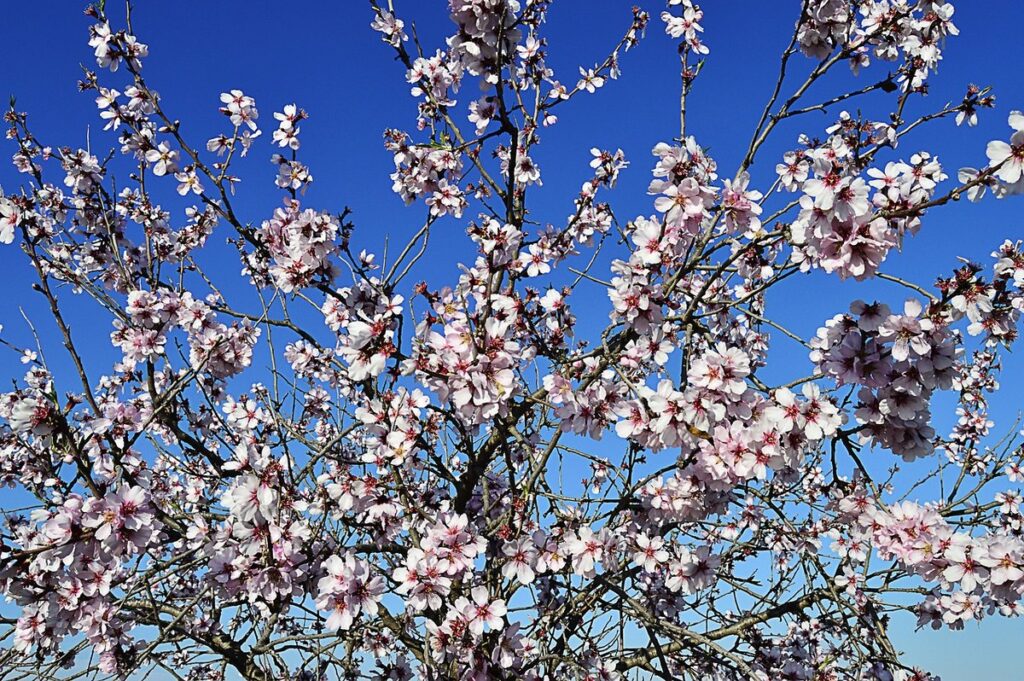
Let’s take a closer look at what makes flowering almond trees so unique and special, starting from their very definition. In simple terms, flowering almonds are deciduous trees that produce stunning flowers in early spring.
Botanical Characteristics
Flowering almond (Prunus glandulosa) is a member of the Rosaceae family, which also includes other popular ornamental plants like cherry and plum trees. Native to East Asia, this deciduous shrub or small tree has been cultivated for centuries for its stunning flowers and tolerance of poor soil conditions.
In terms of physical characteristics, flowering almond’s bark is typically grayish-brown with a smooth texture, gradually becoming fissured as the plant matures. Its dark green leaves are oval-shaped, often with a pointed tip, and have a leathery texture. The leaves are arranged alternately on the branches, which can grow up to 10 feet tall.
The most striking feature of flowering almond is its fragrant flowers, which bloom in late winter or early spring, often before the new growth appears. These small, pinkish-white blossoms are borne in clusters and have five petals, giving them a delicate appearance. The fragrance of these flowers is particularly noticeable on warmer days when the plant’s scent can be detected from some distance.
Note that flowering almond is often confused with other similar species, such as Prunus mume (Japanese apricot) or Prunus spinosa (blackthorn). However, its unique combination of characteristics makes it a distinct and attractive addition to any garden.
Types of Flowering Almonds
Flowering almonds come in a diverse range of types, each with its own distinct characteristics and features. One popular variety is dwarf flowering almond (Prunus glandulosa var. compacta), which grows to be much smaller than standard varieties, making it an excellent choice for small gardens or container planting.
Double-flowered cultivars are another notable type, boasting blooms that resemble peonies in appearance. These flowers often have multiple layers of petals, creating a stunning display of color and texture. Some popular double-flowered flowering almond varieties include ‘Plena’ and ‘Festiva’.
Another interesting variety is the Prunus glandulosa var. rubra, which boasts vibrant red flowers with yellow centers. This type thrives in USDA zones 6-9 and can grow up to 10 feet tall. When selecting a flowering almond tree, consider factors like climate, soil type, and available space to ensure you choose a variety that suits your needs.
When planting multiple types of flowering almonds together, create a visually appealing mix by combining single-flowered and double-flowered varieties for added texture and interest. With over 20 species to choose from, it’s essential to research the specific needs and characteristics of each type to select the perfect flowering almond for your garden.
Growing Conditions for Flowering Almond Trees
To grow stunning flowering almond trees, you’ll want to understand their specific needs when it comes to climate and soil conditions. This means getting familiar with full sun requirements and well-draining soil preferences.
Climate and Soil Requirements
When it comes to growing healthy flowering almond trees, understanding their ideal climate and soil conditions is crucial. Flowering almonds thrive in temperate climates with warm summers and cool winters. They can tolerate temperatures between 15°F (-9°C) and 90°F (32°C), but prolonged exposure to extreme heat or cold can damage the tree.
In terms of sunlight, flowering almonds require full sun to produce an abundance of blooms. Aim for at least six hours of direct sunlight per day to ensure optimal growth and flowering. When it comes to soil pH, flowering almons prefer a slightly acidic to neutral range between 6.0 and 7.5.
It’s also essential to consider the tree’s root depth when planting in soil with high water tables or heavy clay content. A well-draining soil mix will help prevent root rot and ensure the tree’s stability. If your local climate is prone to drought, be sure to mulch around the base of the tree to retain moisture and suppress weeds.
When selecting a planting location, keep an eye out for areas with full sun and slightly acidic soils for the best results. With proper care and attention to these specific requirements, you’ll be rewarded with a stunning display of vibrant blooms come springtime.
Planting and Care Instructions
When planting a flowering almond tree, it’s essential to choose a location with full sun and well-draining soil. Dig a hole that’s twice as wide and just as deep as the root ball of the tree. Gently remove the tree from its container and place it in the hole, making sure the graft union (if applicable) is above the soil level.
Water thoroughly after planting and keep the soil consistently moist during the first year. However, avoid overwatering, which can lead to root rot and other issues. Fertilize your flowering almond tree annually with a balanced fertilizer in early spring. Prune the tree in late winter or early spring to promote healthy growth and encourage blooming.
Regular maintenance is crucial for preventing pests and diseases that target flowering almonds. Be on the lookout for aphids, scale insects, and spider mites, which can be controlled with insecticidal soap or neem oil. Also, keep an eye out for fungal diseases like powdery mildew, which can be treated with fungicides.
To ensure a healthy and thriving tree, maintain a regular watering schedule, especially during hot summer months. Mulch around the base of the tree to retain moisture and suppress weeds. By following these simple care instructions and staying vigilant for potential issues, you’ll enjoy beautiful blooms on your flowering almond tree for years to come.
Flowering Almond Varieties: A Closer Look
Let’s take a closer look at some of the most popular and stunning flowering almond varieties that will add a touch of elegance to your garden. We’ll explore their unique characteristics and features.
Popular Cultivars for Different Regions
When selecting the perfect flowering almond cultivar for your region, it’s essential to consider factors like climate, soil type, and frost tolerance. For example, ‘Tulipifera’ is a popular variety that thrives in USDA zones 5-8, producing vibrant pink flowers with a subtle fragrance. This cultivar requires well-draining soil and full sun, making it ideal for areas with moderate winters.
In warmer climates like the Mediterranean or California, ‘Pendula’ is a great choice. Its weeping branches create a stunning display of pale pink blooms in early spring. However, this variety requires regular watering and some protection from intense heatwaves.
For cooler regions with heavy frost, such as parts of Europe or Canada, ‘Fascination’ is a reliable option. This compact cultivar boasts vibrant purple flowers with a sweet scent and can tolerate temperatures as low as -20°C. When planting flowering almonds in these areas, be sure to choose a location with full sun and well-draining soil to ensure optimal growth.
When selecting the perfect flowering almond for your region, consider consulting with local nurseries or gardening experts who can provide advice tailored to your specific climate and growing conditions.
Tips for Selecting the Right Variety
When selecting a flowering almond variety, it’s essential to consider the specific needs of your garden. The first factor to consider is climate. If you live in an area with hot summers and mild winters, look for varieties that are heat-tolerant and can thrive in temperatures above 65°F (18°C). For colder climates, choose a variety that can withstand frost and has a shorter blooming period.
Soil type is another crucial consideration. Flowering almonds prefer well-draining soil, but they can adapt to a range of soil conditions. If you have heavy clay or sandy soil, consider adding organic matter like compost to improve drainage. Some popular varieties for different soil types include ‘Nana’ (heat-tolerant and drought-resistant) and ‘Ferdinand Pichard’ (prefers well-draining soil).
Finally, think about your desired bloom period. Do you want a variety that blooms early in the spring or later in the season? ‘Purpurea’ is a good choice for an early spring bloom, while ‘Albo-Tort’ blooms later in the season.
When choosing a flowering almond variety, also consider factors like mature size and growth habit to ensure it fits well in your garden.
Ornamental Uses of Flowering Almond Trees
Flowering almond trees are a stunning addition to any garden, and their ornamental uses go far beyond providing beautiful blooms. We’ll explore some unique ways to showcase these gorgeous trees in your outdoor space.
Landscaping and Gardening Applications
When it comes to incorporating flowering almond trees into your landscaping and gardening designs, the possibilities are endless. One of the most popular ways to use these beautiful trees is through companion planting. Pairing flowering almonds with complementary plants like lavender, rosemary, or boxwood can create a stunning visual effect while also attracting pollinators and beneficial insects.
When selecting a location for your specimen tree, consider its mature size – flowering almonds can grow up to 30 feet tall – and leave enough space between it and other plants for proper air circulation. Placing the tree near a seating area or pathway will allow you to fully appreciate its blooms and fragrance.
To create a beautiful garden featuring a flowering almond tree, remember to follow some basic design principles: balance, harmony, and contrast. Use surrounding plantings to create a sense of movement around the tree, and don’t be afraid to mix different textures and colors to add depth and visual interest.
Maintenance and Pruning Considerations
Regular maintenance and pruning are crucial for flowering almond trees grown as ornamental specimens. These practices ensure the tree’s overall health, promote flowering, and maintain its desired shape. Prune your flowering almond tree immediately after it finishes blooming, typically in late spring or early summer.
Pruning involves removing any dead, diseased, or damaged branches, which can be identified by cracks, splits, or signs of decay. Remove suckers, weak growths that emerge from the base of the tree, to direct the tree’s energy towards producing flowers and foliage.
For optimal flowering, prune back about one-third to one-half of the previous year’s growth on the branches. This encourages new shoots to grow and produces more blooms in subsequent seasons. Additionally, thin out branches to improve air circulation around the tree, reducing the risk of disease.
By implementing regular pruning practices, you’ll not only extend your flowering almond tree’s lifespan but also encourage it to produce vibrant flowers year after year.
Health Benefits and Medicinal Uses
The flowering almond has been used for centuries in traditional medicine, offering a range of health benefits that are still valued today. Let’s explore some of its most significant medicinal uses.
Traditional Medicine and Folk Remedies
Flowering almond has been utilized for centuries in traditional medicine and folk remedies to treat a variety of ailments. In ancient Greece, it was used to treat digestive issues, such as indigestion and diarrhea, due to its carminative properties. The bark and leaves were steeped in hot water to create a tea that helped alleviate symptoms.
In Chinese medicine, flowering almond is considered a cooling herb, often prescribed for treating skin conditions like eczema and acne. It’s believed to balance the body’s energy, or “qi,” to promote healthy digestion and prevent heat-related disorders. You can make a compress by infusing dried flowers in hot water and applying it directly to affected areas.
To incorporate flowering almond into your natural remedy collection, start by harvesting fresh flowers in the morning after they’ve been exposed to dew. Rinse them gently with cool water before making your tea or compress. When using dried flowers, follow the same steeping method as you would for traditional herbal teas.
Modern Research and Potential Health Benefits
Recent studies have shed light on the potential health benefits of consuming flowering almond, particularly its leaves and blossoms. Research suggests that these parts contain high levels of antioxidants, including flavonoids and phenolic acids, which can help protect against oxidative stress and inflammation. One study found that a compound isolated from flowering almond leaves exhibited anti-inflammatory properties, demonstrating its potential in reducing the risk of chronic diseases such as cardiovascular disease and cancer.
The antioxidant properties of flowering almond have also been linked to improved cognitive function and reduced risk of neurodegenerative diseases like Alzheimer’s and Parkinson’s. While more research is needed to confirm these findings, the data suggests that incorporating flowering almond into your diet or using its extracts in herbal remedies may offer a range of health benefits.
To harness these potential benefits, try infusing flowering almond blossoms in hot water to make a tea, or add dried leaves to your favorite smoothie recipe. You can also explore commercial supplements containing flowering almond extract, but be sure to consult with a healthcare professional before adding any new products to your regimen.
Conclusion: Cultivating Beauty and Wellness with Flowering Almond Trees
As you’ve now learned about the beautiful blooming periods of flowering almond trees, it’s essential to consider how these stunning trees can be cultivated in your own yard or garden. Not only do they provide breathtaking beauty, but they also contribute significantly to wellness and a sense of well-being. When planting a flowering almond tree, remember that providing ample sunlight is crucial for its optimal growth. Additionally, ensure that the soil drains well to prevent root rot and other problems.
Regular pruning and watering practices will help keep your tree healthy and thriving. By doing so, you’ll be able to enjoy not only the visual appeal of these trees but also their fragrance and potential health benefits. Incorporating a flowering almond into your landscape can have a positive impact on both your mental and physical well-being.
Frequently Asked Questions
Can I grow flowering almond trees in containers?
Yes, you can grow flowering almond trees in containers if you choose a compact or dwarf variety. However, keep in mind that these trees prefer well-draining soil and full sun to partial shade. Make sure the container is at least 12-18 inches deep and has good drainage holes to accommodate the tree’s root system.
What are some common pests or diseases that affect flowering almond trees?
Common pests include aphids, whiteflies, and spider mites, while diseases like powdery mildew and brown rot can also occur. Regularly inspect your trees for signs of infestation or infection, and take action promptly to prevent the issue from spreading.
How do I propagate flowering almond trees?
Flowering almond trees can be propagated through cuttings, grafting, or seed germination. For best results, take 6-8 inch stem cuttings from mature branches in late spring or early summer, remove lower leaves, and root them in a propagation medium. Grafting is also an effective method for propagating flowering almond varieties.
Can I grow flowering almond trees indoors?
While flowering almond trees can tolerate some shade, they generally require full sun to partial shade outdoors. Growing them indoors may not provide the necessary light conditions for optimal flowering. If you still want to try growing one indoors, choose a south-facing window or use grow lights to supplement natural light.
What are the health benefits of eating flowering almond blossoms?
The flowers and leaves of the flowering almond tree contain flavonoids, phenolic acids, and other antioxidants that have been linked to potential health benefits. Eating them in moderation may help reduce inflammation, improve cardiovascular health, or provide antimicrobial properties. However, consult with a healthcare professional before consuming any plant parts for medicinal purposes.