
Flowers have long been an integral part of our lives, adding beauty and fragrance to our surroundings. From the vibrant annuals that burst with color in the spring to the hardy perennials that bloom year after year, each type has its unique characteristics. The tropical blooms from far-off islands transport us to exotic destinations, while wildflowers evoke a sense of freedom and simplicity. But have you ever stopped to think about what makes these flowers so special? In this article, we’ll delve into the fascinating world of flower examples, exploring their cultural significance, uses in everyday life, and the diverse ways they bring joy and wonder to our lives. We’ll take a closer look at some remarkable species, examining their distinctive features and how they impact our environment and society.
Introduction to Flower Diversity
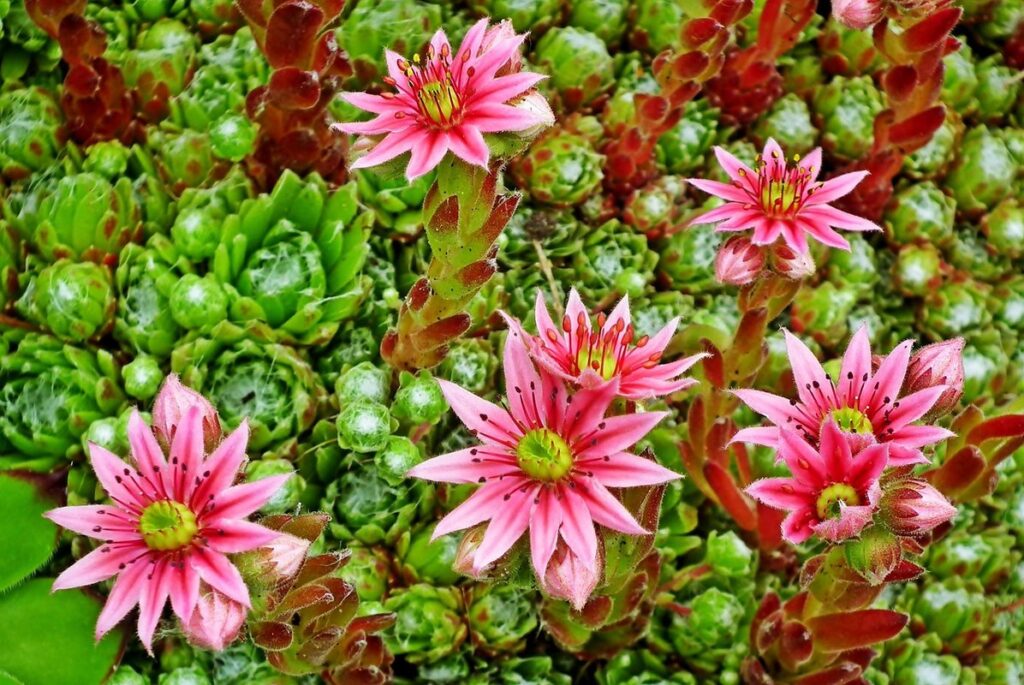
As we delve into the fascinating world of flowers, let’s take a closer look at the incredible diversity of blooms found on our planet, from delicate orchids to vibrant sunflowers.
What are Flowers?
Flowers are one of the most recognizable and widespread elements of nature. They come in an astonishing array of colors, shapes, sizes, and scents, each with its unique characteristics and significance. At their core, flowers are the reproductive structures of plants, responsible for producing seeds that ensure the continuation of life on Earth.
In addition to their vital role in plant reproduction, flowers play a crucial part in our ecosystem. They provide a source of food for pollinators like bees, butterflies, and hummingbirds, which are essential for maintaining the delicate balance of nature. Moreover, flowers contribute significantly to air quality by releasing oxygen through photosynthesis and absorbing pollutants from the atmosphere.
Beyond their ecological importance, flowers also hold immense cultural and symbolic value. They have been used in ceremonies, rituals, and art throughout history, symbolizing love, beauty, and life. Understanding what flowers are and their significance can foster a deeper appreciation for these natural wonders and inspire us to preserve their beauty for generations to come.
History of Flower Classification
The classification of flowers has been an ongoing process that spans thousands of years. Ancient civilizations such as Aristotle and Theophrastus made significant contributions to the field by categorizing plants based on their physical characteristics, growth habits, and uses. The Greek physician Dioscorides, for example, wrote extensively on medicinal plants and their properties.
In the 18th century, Carl Linnaeus developed the binomial nomenclature system that is still used today. This system assigns a unique two-part name to each plant species, consisting of a genus and species identifier. The work of botanists such as Linnaeus laid the groundwork for modern-day taxonomy.
Today’s understanding of flower classification is more nuanced and scientifically rigorous than ever before. With advancements in genetic analysis and other technologies, scientists can now better understand the relationships between different plant species and their evolutionary history. This information has significant implications for conservation efforts, agricultural practices, and our appreciation of the natural world. By studying the diversity of flowers, we can gain a deeper understanding of the complex mechanisms that govern life on Earth.
The Importance of Studying Flowers
Understanding flower types is crucial for various purposes beyond mere aesthetic appreciation. For instance, studying flowers plays a pivotal role in scientific research, particularly in botany and biology. By examining the morphology, anatomy, and behavior of different floral species, researchers can gain insights into ecological processes, adaptations, and evolutionary relationships.
In conservation efforts, recognizing flower types enables effective preservation strategies. Knowing which plant species are endangered or rare allows for targeted protection measures. For example, some flowers are more susceptible to habitat destruction due to human activities such as deforestation or urbanization. Identifying these vulnerable species can inform sustainable land-use practices and reduce extinction risks.
Moreover, everyday life benefits from understanding flower types in various ways. Knowing the meanings behind different floral arrangements can enhance personal relationships. Moreover, identifying wildflowers in one’s vicinity can spark an interest in botany, encouraging people to learn more about their surroundings. By recognizing flower types, individuals can contribute to a deeper appreciation for nature and its intricacies. This understanding fosters a sense of responsibility towards preserving the natural world.
Annual and Perennial Flowers
Let’s dive into two of the most popular types of flowers: annuals, which complete their life cycle within a year, and perennials, which come back year after year.
Characteristics of Annual Flowers
Annual flowers are a delight to gardeners due to their vibrant blooms, ease of growth, and adaptability. These plants complete their life cycle within a year, germinating, growing, producing flowers, and setting seeds before dying off with the first frost.
One key characteristic of annuals is their growth pattern, which often involves rapid development from seed to maturity in as little as 60 days. This makes them ideal for filling gaps in gardens where perennials may be dormant or have finished blooming. Their compact growth habit also allows them to thrive in containers and hanging baskets, adding a pop of color to small spaces.
Annuals typically bloom throughout the growing season, providing a continuous display of flowers that can last from spring through fall. Petunias, marigolds, and zinnias are just a few examples of annuals that come in a range of colors and varieties, making them perfect for adding a splash of color to gardens and indoor spaces.
When choosing annuals, consider their specific growing requirements, such as sunlight, water, and nutrient needs. With proper care, these low-maintenance flowers will reward you with a stunning display of blooms all season long.
Examples of Popular Annual Flowers
When it comes to annual flowers, there are countless options to choose from. Let’s take a look at some of the most popular and widely cultivated annuals that add vibrant colors and textures to gardens.
Marigolds, for instance, are easy to grow and require minimal maintenance. They thrive in full sun and well-drained soil, making them perfect for hot spots in your garden. With their bright yellow and orange blooms, marigolds repel nematodes and other pests, creating a healthy environment for your plants.
Zinnias, on the other hand, come in an array of colors and varieties. They’re perfect for cutting gardens, as they bloom from mid-summer to frost. Zinnias prefer well-drained soil and full sun, but can tolerate some shade. With their long blooming period and wide range of colors, zinnias are a great choice for adding continuous color to your garden.
Petunias are another popular annual that’s easy to care for. They come in a variety of shapes, sizes, and colors, from trumpet-shaped blooms to compact, trailing varieties. Petunias prefer well-drained soil and full sun to partial shade. With their ability to cascade over containers or hang baskets, petunias add a dramatic touch to any garden.
Unique Features of Perennial Flowers
Perennial flowers have several unique features that set them apart from annuals. One of the most notable characteristics is their lifespan. While annuals complete their life cycle within a year and then die, perennials can live for multiple years. They typically go dormant during winter months and regrow in the spring. This means you don’t need to replant them every year.
Perennial flowers also have different growth habits compared to annuals. Some perennials grow from rhizomes, while others spread through underground stolons or above-ground stems. For example, daylilies and hostas are popular perennials that grow from thick roots called tubers. On the other hand, plants like peonies and irises have a more compact growth habit.
Perennial flowers also have distinct blooming cycles. Some bloom in early spring, while others bloom later in summer or even fall. This makes them an excellent choice for gardeners who want to extend their flowering season. For instance, crocuses are some of the first perennials to bloom in late winter, followed by daffodils and tulips. Meanwhile, coneflowers and black-eyed Susans continue blooming throughout the summer months. By understanding these unique features, gardeners can better plan and plant perennial flowers in their gardens.
Examples of Tropical and Exotic Flowers
Let’s explore some of the most stunning tropical and exotic flowers from around the world, each with its unique beauty and characteristics. These rare blooms will leave you in awe!
Exploring the World’s Most Exotic Blooms
Venturing into the world’s most exotic blooms is a thrilling experience that can leave you mesmerized by their beauty and uniqueness. These rare and unusual flowers thrive in tropical regions, where warm temperatures and high humidity create an ideal environment for them to flourish.
Orchids are one of the most popular and sought-after exotic blooms. With over 30,000 species, they come in a wide range of colors, shapes, and sizes. From the delicate Phalaenopsis to the vibrant Vanda, orchids are a true marvel of nature. Did you know that some orchid species can bloom for up to eight weeks at a time? This is because they have adapted to their tropical environments, where long blooming periods are necessary to attract pollinators.
Other notable mentions include hibiscus and heliconias, which are often used in floral arrangements due to their striking appearance. Hibiscus flowers come in an array of colors, from vibrant reds and pinks to soft whites and purples. Heliconias, on the other hand, have intricate, curved petals that resemble exotic masks.
To incorporate these rare blooms into your garden or arrangements, consider providing them with optimal growing conditions. This includes bright light, warm temperatures, and high humidity. With proper care, you can coax even the most reluctant bloomers to unfurl their unique beauty.
Cultivating Exotic Flowers in Home Gardens
When it comes to cultivating exotic flowers in your home garden, you’ll need to consider the specific climate and care requirements for each plant. First, choose a location that receives the right amount of sunlight and has suitable temperature conditions. For example, orchids thrive in warm temperatures between 65-75°F (18-24°C), while bromeliads prefer temperatures above 50°F (10°C).
To replicate tropical climates, you can use grow lights or mist your plants with water daily to maintain humidity levels. Some exotic flowers like birds of paradise and hibiscus also require a specific amount of rainfall, so be sure to research their watering needs.
When caring for your exotic blooms, remember that over-fertilization can be detrimental, so start with a balanced fertilizer and adjust as needed. Pruning is also essential for promoting healthy growth and encouraging new blooms. Regularly inspect your plants for pests and diseases, and take action promptly if you notice any issues.
By following these tips and doing your research on specific plant care instructions, you’ll be well on your way to successfully cultivating exotic flowers in your home garden.
Unusual Uses of Tropical Flowers
In addition to their breathtaking beauty, tropical flowers have numerous uses beyond mere decoration. One of the most fascinating aspects of these flowers is their versatility in the culinary world. In some cultures, edible flowers like hibiscus, orchids, and roses are used to add flavor and color to salads, desserts, and beverages.
For instance, the petals of hibiscus flowers can be steeped in hot water to create a caffeine-free tea rich in vitamins and minerals. Similarly, rose petals can be used to make jams, jellies, and even wine. In Southeast Asia, orchid flowers are often pickled and served as a garnish or side dish.
Tropical flowers also possess medicinal properties that have been harnessed for centuries. For example, the sap of the Dragon Tree (Dracaena draco) contains a bright red latex that has been used to treat wounds and skin conditions due to its antibacterial and anti-inflammatory properties. In some traditional medicine practices, the leaves of the Heliconia plant are used to alleviate fever and headaches.
When experimenting with tropical flowers in cooking or using them for medicinal purposes, it’s essential to ensure proper identification and preparation to avoid any adverse effects. Always research the specific uses and cautions associated with each flower before incorporating them into your recipes or remedies.
Wildflowers and Native Plant Species
When it comes to the beauty of nature, few things rival the vibrant colors and delicate charm of wildflowers and native plant species that bloom in our backyards and beyond. Let’s take a closer look at these stunning examples.
Types of Wildflowers Found in North America
North America is home to an incredible diversity of wildflowers, with over 20,000 species found across the continent. From the delicate Western Buttercup to the vibrant California Poppy, each region boasts its own unique array of blooms.
In the eastern United States, you’ll find a variety of species like Black-eyed Susans, Purple Coneflower, and Wild Indigo, which thrive in open fields and meadows. These flowers are often found growing alongside native grasses and shrubs, and can be identified by their distinctive shapes and colors.
In contrast, the western states are home to more drought-tolerant varieties like Lupine, Penstemon, and California Poppy, which have adapted to the dry climate. The Rocky Mountains, in particular, boast an impressive array of alpine flowers, including Columbine and Gentian, which bloom in the high-altitude meadows.
When exploring North America’s wildflowers, consider the specific habitat and climate conditions that each species requires. This will help you spot the most beautiful blooms and learn more about their unique characteristics.
Preserving Wildflower Habitats and Ecosystems
Preserving wildflower habitats and ecosystems is crucial for maintaining the delicate balance of our natural world. These plants have evolved over time to thrive in specific environments, and their removal can disrupt entire ecosystems. For instance, the monarch butterfly’s dependence on milkweed makes preserving its habitats essential for the survival of this iconic species.
Native wildflowers also play a vital role in supporting local pollinators like bees, butterflies, and hummingbirds. They provide nectar-rich flowers that these creatures rely on for food, helping to maintain their populations and ensure the continued health of our ecosystems. By preserving natural habitats, we can safeguard the future of these plants and the wildlife they support.
To preserve wildflower habitats, it’s essential to adopt sustainable gardening practices. This includes using native plant species in landscaping, avoiding invasive weeds that outcompete native flowers, and minimizing chemical use. You can also create a pollinator-friendly garden by incorporating milkweed, coneflower, or black-eyed Susan into your yard. By taking these steps, you’ll be contributing to the preservation of wildflower habitats and supporting the intricate web of life they sustain.
Sustainable Methods for Harvesting Wildflowers
When it comes to harvesting wildflowers, many of us want to enjoy their beauty without harming the environment. However, if not done sustainably, this can lead to over-harvesting and even extinction of native plant populations. So, how can we harvest wildflowers responsibly?
One key principle is to only pick what you need, leaving some for future generations and for other animals that rely on them for food and shelter. This means being mindful of the number of stems you cut, rather than pulling up the entire root system which can harm the plant’s ability to regrow.
Before harvesting, make sure you have correctly identified the wildflowers as non-invasive species that are native to your area. Some popular wildflowers like coneflowers and black-eyed susans can be easily propagated by cutting off a few stems with some leaves intact, allowing them to grow new roots. When picking, use scissors or pinch off individual blooms at the base of the stem to minimize damage.
Flower Symbolism and Cultural Significance
Flowers have been imbued with symbolic meanings across cultures, conveying emotions and ideas through their vibrant petals. Let’s explore how flowers are used to convey deeper meaning in various societies worldwide.
Understanding Symbolic Meanings Behind Flowers
When it comes to flowers, their meanings go far beyond just their visual appeal. In various cultures throughout history, flowers have been used as symbols to convey emotions, messages, and even tell stories. Whether it’s a bouquet of roses for Valentine’s Day or a sprig of lavender at a funeral, the symbolic meaning behind flowers can be complex and nuanced.
For instance, in Japan, white chrysanthemums are often associated with mourning and bereavement, while in Europe they symbolize honor and loyalty. In China, peonies are considered a symbol of good fortune and prosperity, whereas in the United States they’re seen as a representation of riches and wealth. This highlights how different cultures attribute unique meanings to the same flower.
To decode these symbolic meanings, consider the cultural context and history behind each bloom. For example, if you’re giving a bouquet of lilies to someone, it’s essential to be aware that in ancient Greece they were associated with funerals and mourning. By being mindful of these differences, you can ensure your gift is not only visually stunning but also thoughtful and meaningful.
Cross-Cultural Comparison of Flower Symbolism
When it comes to flower symbolism, it’s fascinating to see how different cultures interpret these delicate blooms. While some meanings are universal, others reveal unique perspectives that showcase the diversity of human expression. Let’s take a look at a few examples.
For instance, red roses symbolize love and passion in Western cultures, but in China, they signify good fortune and prosperity. In Japan, cherry blossoms represent the fleeting nature of life and the arrival of spring. This cross-cultural comparison highlights the importance of understanding context when interpreting flower symbolism.
In some African cultures, marigolds are associated with death and the afterlife, while in India, they’re a symbol of new beginnings and fertility. This shared yet distinct perspective emphasizes the value of respecting cultural differences when choosing flowers for a specific occasion or ritual.
To navigate these diverse meanings, consider the following: research the local customs and traditions surrounding your chosen flower, and be mindful of cultural sensitivities. By doing so, you’ll not only appreciate the deeper significance behind each bloom but also ensure that your gesture is respectful and well-received.
Using Flowers to Express Emotions and Ideas
When it comes to conveying emotions and ideas through flowers, there are many ways to use them effectively. In art, design, and everyday communication, the right choice of flower can make all the difference. For instance, a bright red rose conveys love and passion, while a delicate white lily represents purity and innocence.
In floral arrangements, consider pairing complementary colors and textures to create visual interest. Mixing high-contrast flowers like sunflowers with soft petals will add depth and emotional resonance. You can also use specific flower combinations to evoke different emotions: for example, pairing daisies with lavender creates a cheerful yet calming atmosphere.
When choosing flowers to express ideas or emotions in everyday communication, think about the occasion and the recipient’s preferences. A bouquet of bright sunflowers can lift someone’s spirits on a gloomy day, while a more subdued arrangement might be suitable for a somber event like a funeral. By selecting flowers thoughtfully, you can convey complex emotions and ideas with greater nuance and sensitivity.
To make your flower selection even more intentional, consider the symbolism associated with specific blooms. This will enable you to communicate more effectively in various contexts, whether it’s through art, design, or everyday interactions.
Conclusion: Appreciating the Beauty of Flowers
In conclusion, we’ve explored various types and examples of flowers that add beauty and vibrancy to our surroundings. From roses and sunflowers to orchids and daisies, each bloom has its unique characteristics, meanings, and uses. As you continue to learn about different flower varieties, remember that appreciation is key. Take a moment to stop and smell the roses – literally! Appreciate the intricate details of a single petal or the burst of color in a bouquet.
Consider how flowers can be used to brighten up a room, uplift our mood, or even serve as a symbol of love and gratitude. By incorporating flowers into your daily life, you’ll not only experience their beauty but also cultivate a deeper connection with nature.
Frequently Asked Questions
Can I grow tropical flowers in my home garden if I live in a cold climate?
Yes, you can still enjoy tropical blooms even in a cold climate. Consider growing them in containers that can be moved indoors during the winter months or using greenhouse technology to extend the growing season. With proper care and protection, many tropical species can thrive in temperate zones.
How do I preserve wildflower habitats and ecosystems?
To preserve wildflower habitats and ecosystems, consider implementing sustainable methods for harvesting wildflowers, such as hand-picking or using scissors. You can also support conservation efforts by planting native species, reducing pesticide use, and protecting natural areas from development. This helps maintain biodiversity and supports the long-term health of these ecosystems.
What are some unusual uses of tropical flowers?
Tropical flowers have been used in various ways beyond their beauty and fragrance. For example, hibiscus flowers can be used to make tea, while orchids have been used in traditional medicine for centuries. You can also use tropical flowers as natural dyes or to create unique perfumes.
Can I cultivate exotic flowers at home without extensive experience?
While it may seem daunting, cultivating exotic flowers at home requires patience and research rather than extensive experience. Start by choosing a species that suits your climate and growing conditions. Follow proper care instructions, and don’t be afraid to experiment with different techniques. Many online resources and gardening communities can provide valuable guidance.
How do I determine the symbolic meaning of a flower in a specific culture?
To understand the symbolic meanings behind flowers in various cultures, research local customs and traditions surrounding flowers. Look for resources such as cultural guides or consult with experts who specialize in botanical history or anthropology. This will help you appreciate the depth of meaning associated with different flowers across cultures.