
Are you struggling to create a beautiful garden that thrives in full sun? Don’t worry, I’ve got you covered! As a seasoned gardener knows, selecting the right flowers for your full-sun garden can be overwhelming. But with the right strategies and expert tips, you can create a stunning flower bed that blooms all season long.
In this article, we’ll dive into inspiring flower bed designs specifically tailored for full sun, and explore expert-approved tips on choosing the perfect sun-loving flowers. We’ll also cover essential companion planting strategies to ensure your garden is thriving from top to bottom. From vibrant annuals to hardy perennials, discover how to create a radiant garden that shines all summer long with our comprehensive guide to flower bed ideas for full sun.
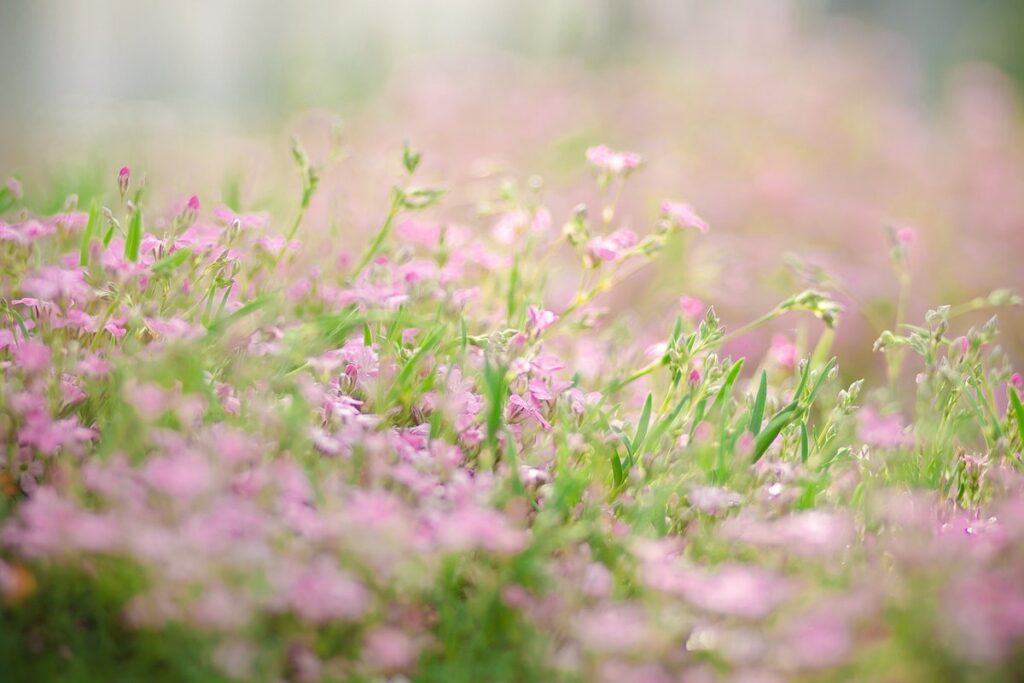
Planning a Flourishing Full-Sun Garden
When planning a full-sun garden, choosing the right flowers and designing your bed layout are crucial to creating a vibrant and thriving space that’s sure to impress. Let’s dive into the specifics of planning a successful full-sun garden!
Choosing the Right Flowers for Full Sun
When selecting flowers that thrive in full sun, there are several factors to consider. First and foremost, take note of the sunlight requirements for each type of flower. While some flowers can tolerate intense afternoon sun, others may burn easily under direct sunlight for extended periods. For instance, marigolds love full sun but will quickly scorch if exposed to more than 6 hours of direct sunlight.
Another crucial factor is soil type. Full-sun flowers tend to prefer well-draining soil that’s rich in organic matter. If your yard has heavy clay or sandy soils, amend the soil with compost or perlite to ensure optimal drainage and aeration. Additionally, consider the hardiness zone you live in, as this will help determine which varieties are best suited for your climate.
To further narrow down your options, think about bloom time, foliage texture, and color palette. For example, if you’re looking for a vibrant display of blooms, choose flowers like zinnias or sunflowers that produce showy blossoms throughout the growing season.
Understanding Soil pH and Nutrient Levels
When planning a full-sun garden, understanding soil pH and nutrient levels is crucial for optimal plant growth. Soil pH affects nutrient availability to plants, with most vegetables and flowers preferring a slightly acidic to neutral pH between 6.0 and 7.0. If your soil is too alkaline or acidic, essential nutrients like nitrogen, phosphorus, and potassium become unavailable or toxic.
To determine your soil’s pH level, you can purchase a DIY testing kit or send a sample to a laboratory for analysis. Once you know your soil’s pH, you can take steps to adjust it if necessary. For example, adding elemental sulfur or peat moss can lower the pH of alkaline soils, while dolomitic limestone can raise it.
Nutrient levels also play a significant role in plant growth. Soil testing will reveal whether your garden is deficient in any essential micronutrients like iron, zinc, or magnesium. To improve nutrient levels, you can amend your soil with organic matter like compost or manure tea, which adds beneficial microorganisms and slowly releases nutrients as they break down. Regularly checking and adjusting your soil’s pH and nutrient levels will ensure a thriving full-sun garden that produces vibrant flowers and healthy plants.
Designing a Full-Sun Flower Bed: Layout and Style
When designing a full-sun flower bed, choosing the right layout and style is crucial to ensure your blooms receive optimal sunlight. A well-planned design will bring out the beauty of your flowers.
Creating a Focal Point with Statement Plants
When designing a full-sun flower bed, incorporating statement plants can elevate the entire layout and add visual interest. Statement plants are those that make a significant impact due to their unique shape, size, color, or texture. In full-sun beds, these plants often require less care since they’re naturally adapted to thrive in bright conditions.
Some popular varieties of statement plants for full-sun flower beds include the dramatic ‘Velvet Queen’ coleus with its deep purple and green foliage, the towering ‘Red Hot Poker’ with its vibrant orange flowers, or the architectural succulents like Echeveria or Aloe. These plants can serve as focal points, drawing the eye to specific areas of the bed.
To incorporate statement plants into your full-sun flower bed design, start by selecting one or two that catch your attention and then plan the rest of the layout around them. Consider their mature size, growth habits, and pruning needs when placing them in the bed. By strategically using statement plants, you can create a visually striking focal point in your full-sun flower bed.
Incorporating Companion Planting Strategies
When designing a full-sun flower bed, incorporating companion planting strategies can take your garden to the next level. Companion planting is the practice of growing different plants together to promote growth, deter pests, and add visual interest. By selecting the right combinations, you can create a harmonious ecosystem that benefits from the unique characteristics of each plant.
For example, marigolds repel nematodes, which can harm tomatoes, while basil improves the flavor and growth of nearby vegetables like lettuce and spinach. Nasturtiums, on the other hand, attract aphid-eating insects and add a pop of color to your garden. Planting beans with corn and squash, known as the “Three Sisters” method, allows each plant to thrive in the others’ shade.
To incorporate companion planting into your full-sun flower bed design, start by choosing plants that complement each other’s growing requirements, such as sun exposure and watering needs. Then, select a mix of annuals and perennials for year-round interest. Some popular combinations include pairing tall sunflowers with shorter zinnias or interspersing herbs like rosemary and thyme among flowering blooms.
Incorporating Hardscaping Elements for Functionality and Style
To add depth and visual interest to your full sun flower beds, consider incorporating hardscaping elements that provide both functionality and style. Choose from patios, walkways, and retaining walls that complement your blooms.
Designing a Pathway or Walkway through the Garden
When designing a pathway or walkway through your garden, it’s essential to consider both safety and visual appeal. A well-designed pathway can seamlessly integrate with your flower bed design, creating a cohesive look that draws the eye through the space.
To start, choose materials that complement your flower bed colors and style. For example, if you’re using warm-toned stones for your beds, consider using dark-colored pavers or gravel for the pathway to create contrast. Alternatively, use light-colored materials like sandstone or pea gravel to blend with a cool-toned flower bed design.
Incorporate gentle curves and smooth edges to make the pathway easy to navigate, especially if you have mobility issues or strollers. Aim for a minimum width of 3-4 feet to allow comfortable passage. Add ambient lighting along the path to highlight the beauty of your flower beds at night, creating an inviting ambiance that encourages evening strolls.
Remember to consider drainage and maintenance when selecting materials. For instance, gravel pathways are easy to clean but may require more frequent replenishment than stone pavers.
Adding Water Features for Visual Interest and Soundscaping
Adding water features to your garden can be a game-changer for both visual interest and soundscaping. Not only do they add a soothing soundtrack to your outdoor space, but they also create a sense of tranquility that’s perfect for full sun areas. A small pond or fountain can instantly elevate the ambiance of your flower beds, making them feel more lush and inviting.
When choosing a water feature, consider its maintenance requirements and whether it will complement the style of your garden. For example, a sleek and modern fountain might be perfect for a contemporary garden, while a natural stone-lined pond would suit a more rustic or countryside-inspired design. To maximize visual interest, incorporate plants that thrive in full sun around your water feature – such as succulents, daylilies, or coneflowers – to create a stunning contrast of textures and colors.
Remember to also consider the soundscaping aspect of your water feature. A gentle burble from a small fountain can be incredibly soothing, while a larger pond with running water can mask any unwanted noise from surrounding areas.
Water Conservation Strategies for Full-Sun Gardens
To make the most of your full-sun garden, implementing effective water conservation strategies is essential, especially during dry spells and hot summer months. Here are some practical tips to help you achieve this goal.
Implementing Drought-Tolerant Plant Species
When designing a full-sun garden, choosing drought-tolerant plants is an excellent way to conserve water while still enjoying vibrant blooms. These hardy species require less watering and maintenance than traditional flowers, making them perfect for areas with low rainfall or high evaporation rates.
Some excellent options for drought-tolerant plants suitable for full-sun gardens include:
* Lavender: This fragrant herb requires minimal watering and can thrive in poor soil conditions.
* Lantana: A low-maintenance shrub that produces clusters of small flowers and attracts pollinators.
* Succulents (e.g., aloe, agave, echeveria): These water-storing plants come in a variety of shapes and sizes and add unique texture to your garden bed.
When selecting drought-tolerant plants for your full-sun garden, consider the climate and soil conditions specific to your area. Also, keep in mind that even though these plants require less water, they will still need some irrigation, especially during their first year of growth. To make the most of your new drought-tolerant plants, be sure to group them together and incorporate a layer of organic mulch to retain moisture and suppress weeds.
Using Efficient Irrigation Systems and Schedules
When it comes to full-sun gardens, efficient irrigation systems and schedules are crucial to minimize water waste. As a flower bed enthusiast, you likely want to ensure your vibrant blooms receive the right amount of hydration without overwatering.
Invest in smart irrigation controllers that can be programmed according to your specific climate, soil type, and plant species. For example, if you have drought-tolerant plants like succulents or sedum, you may only need to water them every 7-10 days during hot summer months. On the other hand, delicate flowers like impatiens or petunias require more frequent watering.
To create a schedule that works for your full-sun garden:
• Determine the right watering frequency based on plant type and weather conditions
• Install rain sensors to automatically pause irrigation during rainfall events
• Set specific start and end times for each zone to avoid overwatering
• Monitor soil moisture levels using a moisture meter or by checking for water in the drainage holes
By implementing these strategies, you’ll be able to provide your full-sun garden with just the right amount of hydration, reducing waste and keeping your plants healthy and thriving.
Seasonal Maintenance and Care Tips
To keep your full-sun flower bed thriving all year round, it’s essential to follow some simple seasonal maintenance tips that’ll make a world of difference in its beauty. Regular care will ensure it stays healthy and vibrant throughout the seasons.
Preparing Your Garden for Summer Heat
As we dive into the world of flower bed ideas for full sun, it’s essential to remember that these gorgeous blooms require some TLC to thrive during the scorching summer months. Preparing your garden for extreme heat is crucial to prevent damage and ensure your flowers stay healthy and vibrant throughout the season.
Start by pruning any overgrown plants or shrubs in late spring to promote new growth and prevent heat stress. This will also encourage air circulation, which is vital for preventing fungal diseases that love the warm and humid conditions of summer. Next, add a layer of mulch around your plants to retain moisture, suppress weeds, and regulate soil temperature.
For tall plants or those that may topple over in strong winds, provide support with stakes, trellises, or cages. This will not only keep them upright but also prevent damage from harsh weather conditions. By taking these simple steps, you’ll be well on your way to creating a stunning full-sun garden that’s resilient and radiant throughout the summer months.
Winterizing Your Full-Sun Flower Bed
As winter approaches, it’s essential to give your full-sun flower bed some TLC to ensure it thrives come spring. Start by cleaning up debris, deadheading spent blooms, and removing any weeds that have taken over the space. This not only keeps your garden looking tidy but also prevents disease and pests from spreading.
Next, protect sensitive plants from harsh winter conditions by applying a layer of mulch or straw around 2-3 inches thick. This will help retain moisture, regulate soil temperature, and prevent frost damage. For delicate flowers like begonias or impatiens, consider bringing them indoors or relocating them to a protected area until the weather warms up.
As you put your garden to bed for winter, also take some time to plan for next year’s growing season. Take note of which plants performed well and which areas received sufficient sunlight. This will help you make informed decisions when selecting new flowers and adjusting their placement in the coming seasons. By giving your full-sun flower bed a little extra attention now, you’ll be rewarded with a vibrant display come springtime.
Budget-Friendly Ideas for Creating a Beautiful Full-Sun Garden on a Limited Budget
Creating a stunning full-sun garden doesn’t have to break the bank. We’ll show you budget-friendly ways to make your outdoor space bloom with vibrant flowers and lush greenery.
Repurposing Materials from Other Projects or Areas of Your Yard
When working on a full-sun garden, it’s easy to get caught up in buying new materials and supplies. However, repurposing materials from other projects or areas of your yard can be a budget-friendly way to create a beautiful and thriving space.
Start by scouting out potential materials around the house. Old bricks, stones, or pavers can make great edging for your flower beds. Consider using wooden planks or reclaimed wood for a trellis or arbor. Even old metal items like galvanized tubs or buckets can be transformed into unique planters. For example, you could use an old wheelbarrow as a planter for a small tree or shrub.
Another idea is to repurpose materials from your yard itself. Broken concrete or pavement can be crushed and used as mulch. Dead branches or limbs can be trimmed and used as stakes for plants. By getting creative with the materials you already have, you can save money and add character to your full-sun garden.
Shopping Second-Hand or Discount Stores for Gardening Supplies
Shopping second-hand stores or discount retailers for gardening supplies can be an effective way to save money without sacrificing quality. Consider visiting local thrift stores, garage sales, or online marketplaces like Craigslist or Facebook Marketplace for gently used gardening tools and equipment. You can also check with neighbors or friends who may have items they no longer need.
When shopping at second-hand stores, inspect the condition of each item carefully before making a purchase. Look for signs of wear, rust, or damage that could compromise its functionality. For example, a rusty lawnmower blade can cause more harm than good to your lawn, so it’s essential to be picky when buying used gardening tools.
To get the most out of second-hand shopping, focus on purchasing items that are still in good condition and have a long lifespan, such as gloves, pruning shears, or irrigation systems. You can also repurpose household items like old containers, buckets, or tubs for seed starting or planters, which can add a unique touch to your full-sun garden.
By thinking creatively and being willing to hunt for bargains, you can create a thriving full-sun garden without breaking the bank.
Frequently Asked Questions
Can I Use a Single Type of Soil for My Full-Sun Garden, or Do I Need to Mix Different Compositions?
When designing your full-sun garden, it’s essential to create a balanced soil composition that suits the specific needs of each plant. While you can use a single type of soil as a base, consider mixing different compositions based on the pH levels and nutrient requirements of your chosen flowers. For instance, add organic matter like compost or well-rotted manure to improve drainage and fertility.
How Do I Incorporate Companion Planting Strategies for Different Types of Flowers?
Companion planting is an excellent way to create a thriving ecosystem in your full-sun garden. Pair marigolds with tomatoes to deter nematodes, basil with vegetables like lettuce and peppers to enhance flavor and repel pests. Research the specific needs of each plant to create harmonious pairings that promote growth, reduce pests, and increase yields.
What’s the Best Way to Water My Full-Sun Garden Without Wasting Resources?
Proper watering is crucial for full-sun gardens. To conserve water, use drip irrigation systems or soaker hoses, which deliver water directly to the roots of plants. Avoid overhead sprinklers that can lead to evaporation and waste. Monitor soil moisture levels by inserting a finger into the soil up to the knuckle; if it feels dry, it’s time for watering.
Can I Use Drought-Tolerant Plants in Shaded Areas of My Full-Sun Garden?
While drought-tolerant plants are ideal for full-sun areas, they may not perform well in shaded spots. Consider using a mix of both sun-loving and shade-tolerant plants to create a diverse ecosystem that adapts to changing conditions. For example, plant succulents or cacti in sunny areas and ferns or hostas in shadier spots.
How Do I Maintain My Full-Sun Garden During the Hot Summer Months?
Maintaining your full-sun garden during peak summer heat requires attention to watering, pruning, and fertilizing. Water deeply but infrequently to encourage deep root growth; prune plants regularly to promote air circulation and prevent fungal diseases; and fertilize with balanced fertilizers that meet the specific needs of each plant type.