
Are you tired of struggling to keep your flower beds looking their best in the scorching heat? Creating stunning flower bed designs that thrive in full sun conditions can be a challenge, but don’t worry, we’ve got you covered. With the right combination of plants and hardscaping elements, you can create a beautiful and thriving garden that brings joy to your outdoor space all summer long.
In this article, we’ll share expert tips and ideas for creating stunning flower bed designs that are perfect for full sun conditions. We’ll dive into heat-tolerant varieties, drought-tolerant plants, and hardscaping elements that will help you create a garden that’s both beautiful and resilient. Whether you’re a seasoned gardener or just starting out, we’ve got the inside scoop on how to create a stunning flower bed design that will make your neighbors green with envy!
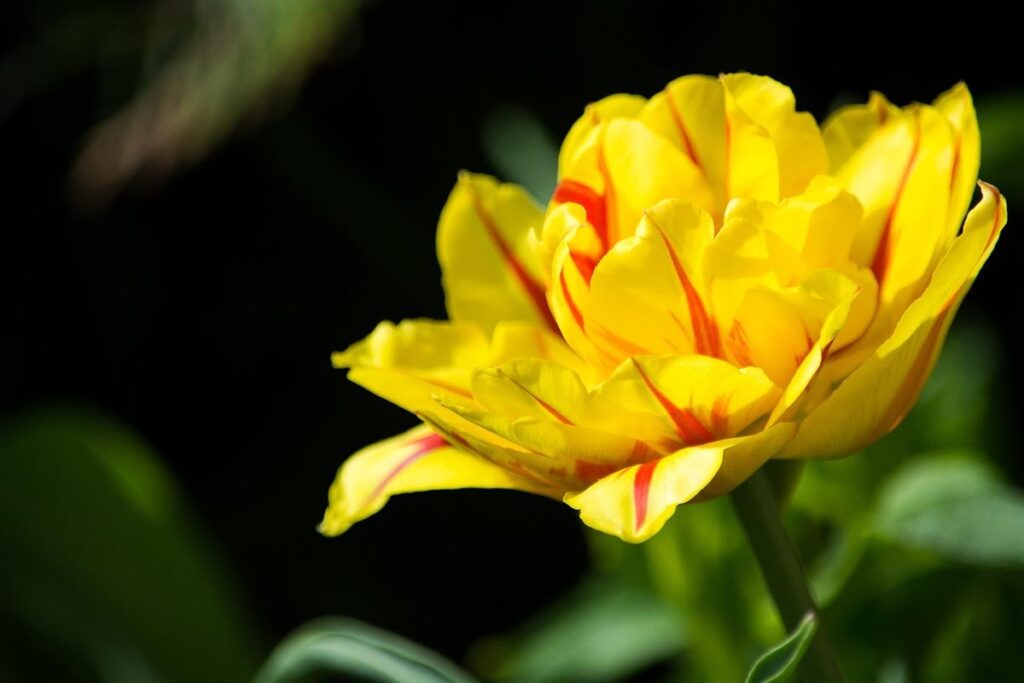
Choosing the Right Flowers for Full Sun
When selecting flowers for a full sun bed, it’s essential to choose varieties that can thrive in intense sunlight and heat, ensuring they bloom beautifully throughout the season. Consider factors like color, texture, and growth habits when making your selection.
Selecting Heat-Tolerant Varieties
When selecting flowers for your full sun flower bed design, it’s crucial to choose varieties that can thrive in these conditions. After all, nothing is more disappointing than planting beautiful blooms only to have them wilt and fade away due to heat stress.
To ensure your flowers perform optimally, consider the following factors: bloom time, growth habits, and color selection. For instance, if you want a continuous display of color throughout the growing season, choose varieties that bloom at different times. This way, you’ll always have something in bloom, even during periods when others are dormant.
In terms of growth habits, opt for compact or dwarf varieties to prevent overcrowding and maintain good air circulation. This will help prevent heat stress and diseases from taking hold. Finally, select a mix of cool and warm-season colors to create visual interest and harmony in your flower bed design. For example, pair bright yellows and oranges with deep purples and blues for a stunning contrast that will add depth and personality to your full sun garden.
Some great options for heat-tolerant flowers include Lantana, Zinnia, and Black-eyed Susan. These varieties not only thrive in full sun but also come in a range of colors and bloom times, making them perfect for adding diversity and interest to your flower bed design.
Understanding the Impact of Soil Quality
When choosing flowers for full sun areas, it’s easy to overlook one of the most critical factors in their success: soil quality. But the truth is, the health and vitality of your blooms depend greatly on the condition of the soil they’re planted in. Soil with poor drainage, low fertility, or inadequate pH can stunt growth, reduce flowering, and even lead to plant decline.
To determine the condition of your soil, consider testing its pH level and nutrient content. A DIY kit or a professional analysis will reveal if your soil needs adjustments. Based on the results, you may need to amend it with organic matter like compost or manure to improve fertility and structure. For example, if your test reveals low levels of phosphorus – essential for flower development – add a balanced fertilizer high in phosphorus.
Keep in mind that different flowers have varying requirements, so research the specific needs of your chosen blooms. For instance, daisies prefer well-draining soil with a slightly acidic pH, while roses thrive in more alkaline conditions. By optimizing soil quality through testing and amending, you’ll set your full-sun flower bed up for optimal performance and beauty.
Incorporating Drought-Tolerant Plants
When designing flower beds for full sun areas with limited irrigation options, it’s essential to incorporate drought-tolerant plants that can thrive with minimal watering. These flowers not only conserve water but also require less maintenance, making them perfect for busy homeowners or those living in dry climates.
Some excellent options for drought-tolerant flowers include Lantana, Zinnia, and Marigold. These vibrant blooms come in a range of colors and can tolerate extreme heat, reducing the need for frequent watering. Lantana, in particular, is known for its ability to survive with as little as 1 inch of water per week.
When selecting drought-tolerant plants, consider factors like soil type, sun exposure, and temperature fluctuations. For example, if your flower bed receives direct sunlight for most of the day, choose plants that can handle intense heat, such as Succulents or Yarrow. By incorporating these water-conserving flowers into your design, you’ll not only reduce your water bill but also create a stunning display of color that flourishes even in dry conditions.
Designing a Full Sun Flower Bed
When designing a full sun flower bed, it’s essential to choose plants that thrive in direct sunlight and can withstand the heat. Here are some expert tips for selecting the perfect flowers for your sunny space.
Creating a Focal Point
Creating a visually appealing focal point is crucial in designing a full sun flower bed. This central element draws the eye and creates visual interest, making the entire space feel more dynamic and engaging. A well-designed focal point can be achieved by incorporating different types of plants or hardscaping elements.
For example, a striking statue or sundial can become the focal point of the bed, surrounded by colorful flowers that bloom in sync with its placement. Alternatively, a large ornamental tree or shrub can serve as the central element, its unique shape and size adding depth to the space.
Consider using tall, upright plants like sunflowers or daylilies to create a dramatic vertical element, drawing attention upwards towards the focal point. Or, install a decorative fountain or birdbath to add movement and sound to the bed, creating a sense of serenity. Whatever your choice, remember that balance is key – ensure the focal point doesn’t overwhelm the surrounding flowers, but rather harmonizes with them to create a cohesive look.
Balancing Color and Texture
When designing a full sun flower bed, it’s essential to balance color and texture to create a visually appealing display. This can be achieved by combining flowers with varying growth habits, bloom times, and foliage colors.
Consider pairing tall, upright flowers like sunflowers or dahlias with shorter varieties like petunias or pansies. This contrast in height creates visual interest and adds depth to the bed. For example, plant a row of bright yellow sunflowers behind a backdrop of lavender or purple petunias to create a striking combination.
In addition to varying growth habits, mix flowers with different foliage textures to add dimension. Combine smooth-leaved plants like begonias with fuzzy-leaved ones like lamb’s ear or succulents. This contrast in texture creates a visually appealing display that invites exploration.
Remember, balance is key when combining color and texture. Avoid pairing too many similar colors together, and instead opt for 3-5 main hues to create a cohesive look. By thoughtfully balancing color and texture in your full sun flower bed, you’ll create a beautiful and inviting space that attracts pollinators and delightfully showcases your blooms.
Incorporating Hardscaping Elements
When designing a full sun flower bed, it’s essential to incorporate hardscaping elements that not only provide functionality but also enhance the visual appeal of the space. Hardscaping refers to non-plant materials used in landscaping, such as paths, patios, and retaining walls.
These elements serve multiple purposes: they define the space, create visual interest, and guide foot traffic through the garden. For instance, a meandering stone path can lead visitors on a winding journey through the flower bed, creating an inviting atmosphere and drawing attention to specific plant groupings. A patio or seating area can provide a comfortable spot for relaxation, offering a perfect place to sit back and enjoy the vibrant blooms.
When selecting hardscaping materials, consider factors such as durability, maintenance needs, and aesthetic appeal. For example, natural stone pavers or brick can add warmth and texture to the space, while also withstanding extreme temperatures and weather conditions. By incorporating these elements thoughtfully, you can create a cohesive and visually stunning full sun flower bed that invites exploration and enjoyment.
Maintenance and Care
To ensure your beautiful flower bed design thrives, it’s crucial to learn proper maintenance techniques to prevent damage from the intense full sun exposure. Regular care will keep your flowers looking their best year-round.
Watering Strategies
Watering full sun flower beds requires careful consideration of several factors to ensure your plants receive the right amount of moisture. Climate plays a significant role in determining watering needs. In regions with low humidity and high temperatures, such as desert or Mediterranean climates, plants may require more frequent watering than those in areas with cooler temperatures and higher humidity.
Soil type also affects how often you need to water your full sun flower bed. Sandy soils drain quickly, requiring more frequent watering, while clay soils retain moisture longer, allowing for less frequent watering. Consider the specific needs of each plant variety as well; some plants are drought-tolerant, while others require consistent moisture.
To develop an effective watering strategy, observe your plants’ responses to different watering schedules and adjust accordingly. Watering during the cooler morning or evening hours helps prevent evaporation, allowing plants to absorb water more efficiently. Monitor soil moisture by inserting a finger into the soil up to the first knuckle; if it feels dry, it’s time to water.
Mulching and Weeding
Mulching is one of the most effective ways to protect your full sun flower bed from extreme temperatures and retain moisture. By applying a 2-3 inch layer of organic mulch such as wood chips, bark, or pine straw, you’ll reduce soil temperature by up to 30 degrees Fahrenheit, minimizing stress on plants and reducing water evaporation.
When selecting a mulch, keep in mind that it should be at least 3 inches away from plant stems to prevent moisture accumulation. Also, replenish the mulch layer every 6-12 months as it breaks down and loses its effectiveness. Some popular mulching options include:
* Pine straw: acidic pH, retains moisture well
* Cedar bark: aromatic, repels pests
* Composted leaves: nutrient-rich, improves soil structure
As for weeding, it’s essential to remove weeds regularly before they compete with your flowers for water and nutrients. Use a tool like a hoe or cultivator to gently lift weeds without damaging surrounding plants. To prevent weed growth in the future, consider applying a pre-emergent herbicide in early spring.
Keep an eye out for invasive species like creeping thyme and English ivy, which can quickly take over your flower bed. Regularly inspecting your bed will help you catch any issues before they become severe.
Fertilization and Pest Management
When it comes to maintaining full sun flower beds, fertilization and pest management are crucial for optimal growth and health. Full sun conditions can be challenging for plants, as the intense heat and sunlight can lead to nutrient deficiencies and pest infestations.
To minimize waste and maximize results, use a slow-release fertilizer specifically formulated for full sun plants. These fertilizers provide a steady supply of nutrients over an extended period, reducing the need for frequent applications. Additionally, consider using organic fertilizers like compost or well-rotted manure, which are rich in beneficial microbes that promote soil health.
Regular monitoring is key to effective pest management. Keep an eye out for common pests like aphids, whiteflies, and spider mites, which thrive in full sun conditions. Use neem oil or insecticidal soap to control infestations, and introduce beneficial insects like ladybugs or lacewings to maintain a balanced ecosystem.
By implementing these fertilization and pest management techniques, you’ll be able to create a thriving, full-sun flower bed that showcases your favorite blooms at their best.
Inspiration and Ideas
Get ready to spark some creativity! This section is packed with inspiring flower bed designs for full sun that you can easily replicate in your own garden, guaranteed to brighten up any space.
Theme-Based Designs
One of the most exciting aspects of designing a full sun flower bed is choosing a theme that brings your outdoor space to life. Theme-based designs can transport you to different parts of the world, evoke emotions, and create a sense of cohesion throughout your garden.
For example, if you’re drawn to exotic destinations, consider creating a tropical paradise in your own backyard. Think bright colors, lush foliage, and vibrant blooms like hibiscus, bird of paradise, or heliconia. To achieve this look, group similar plants together, such as placing all the succulents in one area, and balance them with larger statements pieces like palms or a statement tree.
Alternatively, if you’re inspired by traditional English gardens, opt for a cottage garden theme. Mix and match different bloom times to create a constant display of color, combining annuals and perennials in harmonious combinations. Don’t forget to include plenty of fragrant herbs and flowering shrubs like roses or hydrangeas.
When designing your full sun flower bed with a specific theme in mind, remember to consider factors like climate, soil type, and maintenance requirements. With a little creativity and planning, you can bring your dream garden to life, no matter the location or conditions.
DIY Projects
When it comes to creating a stunning full sun flower bed, sometimes all it takes is a little creativity and elbow grease. One of the easiest ways to enhance your design’s visual appeal is by incorporating DIY projects that complement your blooms.
Consider adding a trellis or arbor to provide support for climbing plants like clematis or morning glories. Not only will this add height and interest, but it also creates a sense of depth in your garden bed. You can find pre-made options at most nurseries or hardware stores, or get creative and build one yourself using reclaimed wood or metal.
Garden ornaments are another great DIY addition to consider. Painted terra cotta pots, hand-carved wooden statues, or even a mosaic tabletop can add personality to your flower bed without breaking the bank. For example, you could upcycle an old planter into a unique bird bath or create a wind chime using metal rods and sea glass.
Remember, it’s all about experimenting and having fun with your garden design! By incorporating a few DIY elements, you’ll not only save money but also infuse your space with character and charm.
Seasonal Tips and Tricks
As the seasons change, it’s essential to adapt your full sun flower bed maintenance routine to ensure its continued vibrancy and health. Spring is an excellent time to add new plants to your bed, taking advantage of the cooler temperatures and ample moisture. When selecting new additions, choose varieties that thrive in the intense sunlight, such as lavender, coneflower, or black-eyed Susan.
Summer months can be challenging for full sun flower beds, with scorching heat and dry spells posing a threat to plant health. To combat this, incorporate drought-tolerant plants like succulents or sedum into your design. Regular watering is also crucial during hot weather, but avoid overwatering, which can lead to root rot.
In autumn, prepare your bed for the approaching winter by adding a layer of mulch or compost to retain moisture and suppress weeds. This is also an excellent opportunity to prune back spent blooms and deadhead flowers to encourage new growth in the spring.
Frequently Asked Questions
How can I ensure my full sun flower bed remains vibrant throughout the summer months?
Consider implementing a watering schedule that takes into account factors like temperature, humidity, and wind direction. This will help prevent overwatering or underwatering, which can be detrimental to your plants’ health.
Can I use regular potting soil in my full sun flower bed, or do I need special heat-tolerant soil?
While regular potting soil may suffice for some plants, it’s often best to use a heat-tolerant and drought-resistant mix specifically designed for full sun conditions. This will help your flowers and other plants thrive in the intense sunlight.
How can I incorporate hardscaping elements without breaking my budget?
Consider using affordable materials like gravel or decomposed granite instead of expensive stone or brick. You can also repurpose items you already have on hand, like old pavers or brick, to create a unique and budget-friendly design.
What’s the best way to protect my plants from pests and diseases in a full sun flower bed?
Use physical barriers like fine mesh or fine-netted row covers to prevent insects from reaching your plants. You can also practice good garden hygiene by regularly removing weeds, which can harbor pests and diseases.
Can I plant succulents and cacti together in the same full sun flower bed?
While it’s technically possible to combine succulents and cacti in the same bed, they do have different watering needs. Be sure to research specific care instructions for each type of plant to ensure you’re meeting their individual requirements.