
Broken clay pots can be more than just a household nuisance – they’re also an opportunity to get creative, reduce waste, and even save some money. If you’ve got a collection of cracked or broken clay pots taking up space in your home, don’t throw them away just yet! In this article, we’ll take a closer look at the common causes behind broken clay pots, from minor cracks to more significant breakage. You’ll learn how to repair and restore your favorite pots, as well as discover some eco-friendly alternatives for replacing damaged ones. Plus, we’ll explore some innovative upcycling ideas that will breathe new life into old or broken pots – turning trash into treasure in the process! Whether you’re a seasoned gardener, an avid DIY enthusiast, or simply looking to live more sustainably, this article has got you covered.
What is a Broken Clay Pot?
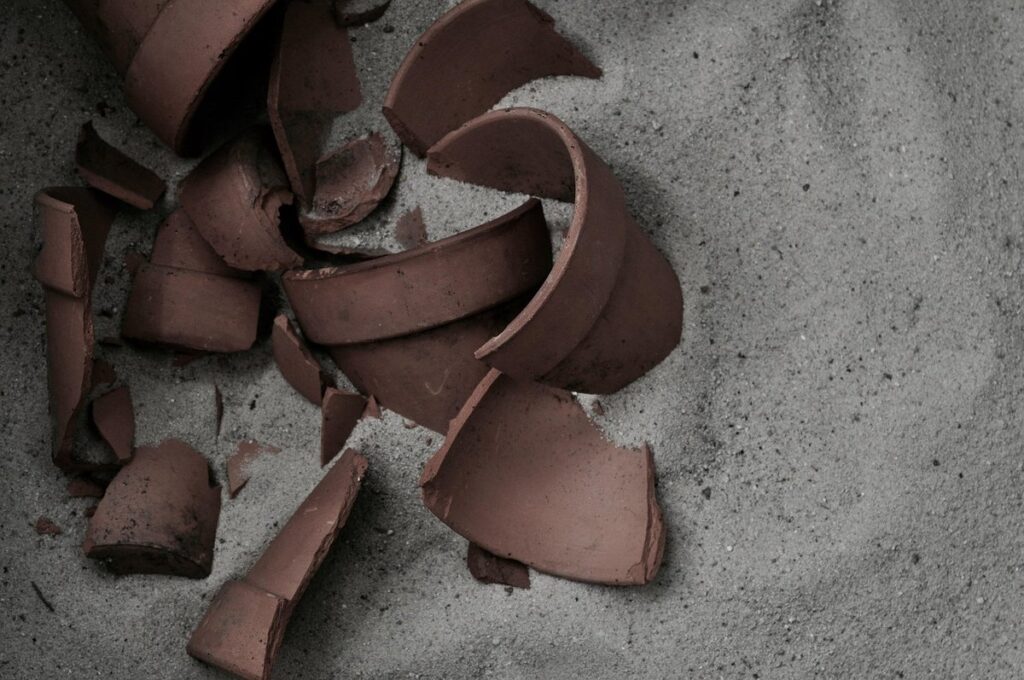
So, you’ve got a broken clay pot on your hands and you’re wondering what exactly it means for that lovely ceramic piece to be damaged. Let’s break down the basics of a broken clay pot together.
Defining a Broken Clay Pot
A broken clay pot is not just about visible cracks on its surface. It’s about the cumulative effects of wear and tear that compromise its structural integrity. When a clay pot is considered broken, it’s often because it can no longer serve its intended purpose.
Common signs of damage include hairline cracks, fissures, or chipping, which can lead to leaks, water seepage, or soil erosion if used for plant growth. Other indicators include unevenness, warping, or sagging, which affect the pot’s stability and make it prone to toppling over. In some cases, a broken clay pot may still look intact but have internal damage that compromises its functionality.
To determine whether your clay pot is broken beyond repair, inspect it carefully for any signs of damage. Check for weaknesses in the rim or handle, which can lead to accidents when handling the pot. If you’ve identified multiple areas of damage or a significant crack, it’s likely time to consider replacing your clay pot with a new one. In some cases, minor repairs might be possible, but this depends on the severity and location of the damage.
Types of Clay Pots That Can Break
When it comes to clay pots, not all are created equal when it comes to durability. While some types of clay pots can withstand rough handling and extreme temperatures, others are more prone to breaking.
Terracotta pots, for example, are made from natural clay and are often used in gardening and outdoor decorations. However, they can be fragile and may crack or break if dropped or exposed to sudden temperature changes. Ceramic pots, on the other hand, are made from a combination of clay and other materials, making them stronger and more resistant to damage.
Earthenware pots, another type of clay pot, are also prone to breaking. They are often used for decorative purposes and can be fragile due to their thin walls and delicate glazes. Raku pots, which are known for their distinctive crackle patterns, can also break easily if not handled carefully.
If you’re a gardener or crafty individual who loves working with clay pots, it’s essential to choose the right type of pot for your needs. Consider using more durable materials like stoneware or porcelain, which are less likely to break and can withstand harsh weather conditions. By being aware of the different types of clay pots and their vulnerabilities, you can take steps to prevent breakage and enjoy your beautiful handmade creations for years to come.
Causes of Broken Clay Pots
Let’s get down to the root of the problem: clay pots break for a variety of reasons, from manufacturing defects to everyday use mishaps. We’ll explore these common causes in more detail.
Overuse or Handling Issues
When handling clay pots, it’s surprising how easily they can be damaged. One of the most common mistakes people make is over-tightening the lid or handle, which puts excessive pressure on the pot’s seams and glaze. This can cause the clay to crack or shatter under stress.
Another issue is not washing the pot properly before use. If food residue or other substances are left behind, they can seep into the clay and weaken its structure over time. Additionally, using abrasive cleaners or scrubbers can scratch the glaze and create micro-cracks that eventually lead to breakage.
To avoid these handling issues, it’s essential to handle your clay pots with care. Always wash them gently by hand before first use, and make sure to dry them thoroughly to prevent water spots from forming. When not in use, store your clay pots away from direct sunlight and heat sources, which can cause the clay to expand and contract excessively.
It’s also crucial to be mindful of how you’re placing your pot on a surface or storing it in a cabinet. Avoid stacking them haphazardly, as this can put pressure on the seams and lead to breakage.
Environmental Factors
When you place clay pots outdoors, they’re exposed to various environmental conditions that can cause them to crack or shatter. Temperature fluctuations are a major culprit. Sudden changes in temperature, such as moving a pot from a cold garage to direct sunlight, can cause the pot’s material to expand and contract rapidly. This can lead to small cracks or even complete shattering.
Humidity is another environmental factor that affects clay pots. High humidity can cause moisture to seep into the pot’s pores, weakening its structure and making it more prone to cracking. Conversely, low humidity can dry out the pot, causing it to shrink and become brittle.
Wind is also a significant contributor to broken clay pots. Strong gusts can cause the pot to topple over or vibrate violently, leading to cracks or shattering. To mitigate these risks, choose a sheltered location for your pots or use weights to secure them in place. You can also consider using a sealant to protect your pots from moisture damage.
By being mindful of these environmental factors, you can take steps to prevent your clay pots from breaking. Regular inspections and maintenance can help identify potential issues before they become major problems.
Manufacturing Defects
Manufacturing defects are often overlooked as a contributing factor to broken clay pots. However, flaws in the manufacturing process can lead to a pot that is prone to cracking and breaking from the very start.
During production, manufacturers may use low-quality materials or follow subpar techniques, resulting in uneven thickness, warping, or other imperfections. These defects can compromise the overall structural integrity of the pot, making it more susceptible to damage. For instance, if a pot’s walls are not evenly glazed, they may be more prone to chipping or cracking.
To identify manufacturing defects, inspect your clay pot for signs of uneven glazing, warping, or unusual weight distribution. If you notice any irregularities, it’s best to avoid using the pot altogether to prevent accidents. When shopping for new clay pots, look for reputable manufacturers that prioritize quality control and have a track record of producing durable, long-lasting pieces. By being mindful of manufacturing defects, you can enjoy your clay pot without worrying about it breaking apart in your hands or in use.
Consequences of Broken Clay Pots
When a beloved clay pot meets its untimely demise, the damage can extend far beyond the broken fragments. In this section, we’ll explore the ripple effects on your wallet and garden ecosystem.
Water Damage and Mess
Breaking a clay pot can lead to more than just a mess – it can also cause water damage and pose potential health risks. When ceramic materials like clay pots break, they release tiny particles into the air that can aggravate respiratory issues like asthma. Moreover, if the broken pieces are not cleaned up promptly, they can become a breeding ground for bacteria and mold.
If your pot was holding water when it broke, you may be facing a bigger issue – water damage. Water can seep into surrounding surfaces, causing warping or discoloration of nearby materials like wood or drywall. To mitigate this risk, act quickly by scooping up any broken pieces and mopping the area with a damp cloth to prevent further spreading.
In addition to these consequences, there’s also the issue of mess cleanup itself. The shards of clay can be painful to step on, and trying to sweep them up without proper protection can lead to injuries. To avoid this, wear protective gloves and use a dustpan or vacuum cleaner with a gentle suction setting to collect the broken pieces.
Financial Implications
Calculating the cost of replacing a broken clay pot can be a significant expense, especially if you have multiple pieces that need to be replaced. But it’s not just about the initial replacement cost; there are also additional expenses to consider. For instance, if the breakage occurred due to an accident or a mishap, you may need to factor in cleaning or repair costs.
On average, a single high-quality clay pot can range from $50 to $200, depending on its size and design. If you have multiple pots that need replacing, this cost can quickly add up. Moreover, if the breakage is severe enough to require professional repair, labor costs can be an additional expense. To minimize these costs, it’s essential to take preventive measures such as handling clay pots with care and storing them safely.
To put things into perspective, let’s consider a typical example: If you have five clay pots that need replacing at $100 each, the total replacement cost would be $500. Adding cleaning or repair costs can increase this amount further.
Emotional Impact
A broken clay pot can have a profound emotional impact on gardeners and cooks alike. For many, these vessels hold sentimental value, serving as a tangible connection to loved ones who passed down the skill of ceramics or shared cooking traditions. When a cherished pot shatters, it’s not just a material loss – it’s a reminder that impermanence is an inherent part of our creative endeavors.
Gardeners, in particular, may feel a sense of failure when their prized planters break. The investment of time and effort into nurturing those plants, combined with the emotional attachment to the pot itself, can make the experience devastating. Cooks, too, may struggle with the loss of a beloved cooking vessel – one that has been stained with countless meals, evoking memories of family gatherings and special occasions.
To mitigate these feelings, consider adopting a “broken pottery garden” or repurposing your old pots into new creations. For example, you can transform broken shards into mosaic art for your garden walls or use the pieces as decorative accents in your kitchen.
Repairing vs. Replacing a Broken Clay Pot
When dealing with a broken clay pot, deciding whether to repair it or replace it altogether can be a tough decision, and weighing your options is key.
If you’re not sure what to do, this section will help guide you through the considerations.
DIY Repair Methods
Repairing minor cracks and chips can breathe new life into a broken clay pot. One effective method is using superglue to bond the pieces back together. Apply a small amount of glue to the crack, holding the pieces in place until it dries completely. For more extensive damage, ceramic adhesive may be a better option as it’s specifically designed for bonding ceramics.
When using ceramic adhesive, follow these steps: clean the area around the crack, apply a thin layer of adhesive to both surfaces, and clamp them together until dry. Allow the adhesive to cure according to the manufacturer’s instructions before handling the pot.
In some cases, painting over minor chips can be an attractive solution, especially if you’re looking for a creative way to upcycle your broken clay pot. Choose a ceramic-friendly paint or sealant that adheres well to the surface, applying thin coats until the chip is fully covered. Consider adding decorative elements like ribbons or stickers to make it more visually appealing.
Keep in mind that not all repairs can be done successfully, so evaluate the extent of damage before attempting DIY repair methods.
Professional Repairs
When dealing with a broken clay pot, many of us are tempted to try and fix it ourselves. However, in some cases, it’s best to seek the help of a professional. This is particularly true if the break is extensive or if you’re not confident in your repair skills.
Professional potters and restorers have the expertise and specialized equipment needed to restore even the most delicate pieces. They can assess the damage and provide an accurate estimate for repairs, which can range from $50 to $500 or more, depending on the complexity of the job and the materials used. In some cases, turnaround times can be as short as a few days, but it’s not uncommon for repairs to take several weeks or even months.
If you’re unsure whether your broken pot is worth repairing, consider the sentimental value or monetary investment in the piece. If it holds significant emotional or financial weight, it may be worth seeking professional help to restore it to its former glory.
When to Replace a Broken Clay Pot
If you’ve assessed your broken clay pot and decided it’s not worth repairing, it may be time to consider replacing it altogether. Before making a final decision, take into account the following factors: the age of the pot, its sentimental value, and whether it still fulfills its intended purpose.
For instance, if your clay pot is old or has significant emotional attachment, you might want to hold onto it despite the damage. On the other hand, if the pot was relatively inexpensive and serves a functional role in your garden or home decor, replacing it might be the more practical choice.
Consider also the cost of replacement versus repair. If the cost of repairing the pot is comparable to buying a new one, it may not be worth investing time and resources into fixing it. Additionally, think about the potential for future damage or wear and tear – if your clay pot has suffered significant cracks or breaks before, it’s likely due for replacement.
Ultimately, weigh these factors against your personal preferences and needs to make an informed decision about whether to replace a broken clay pot.
Creative Solutions for Broken Clay Pots
Now that we’ve tackled the causes and consequences of a broken clay pot, let’s explore creative solutions to repurpose these fragments into beautiful new pieces.
Upcycling Ideas
Upcycling broken clay pots is an art that requires a little creativity and imagination. You can transform old or broken clay pots into unique decorative items, planters, or vases by giving them new life with a fresh coat of paint, decoupage, or even turning them into functional pieces like candle holders or coasters.
Consider upcycling your broken clay pot into a beautiful planter for your indoor plants. Simply add a layer of cement to the inside of the pot and attach a smaller pot inside it. This creates a self-watering system that ensures your plants receive just the right amount of moisture. Alternatively, you can use the broken pieces as individual planters or group them together to create a unique display.
When upcycling clay pots, don’t be afraid to get creative with materials and designs. You can mix paint techniques like glazing or faux finishing to achieve different textures and effects. Add embellishments like beads, shells, or other small decorative items to give your piece a personal touch. Remember, the beauty of upcycling lies in its uniqueness, so feel free to experiment and come up with innovative ideas that reflect your personal style.
Sustainable Materials
When it comes to creative solutions for broken clay pots, one of the most exciting areas of exploration is sustainable materials. Gone are the days when we had to settle for cheap, non-biodegradable alternatives. With a little creativity and resourcefulness, you can create beautiful and durable planters using eco-friendly materials.
Consider bioplastics, made from renewable resources like cornstarch or sugarcane, which offer a greener alternative to traditional plastics. You can also repurpose old plastic containers or bottles by cleaning and decorating them with paint or decoupage. Recycled glass or terracotta tiles can be used to create stunning mosaic planters that not only reduce waste but also add visual interest to your garden.
To get started, gather some bioplastic sheets or recycled materials from local craft stores or online suppliers. Use a craft knife or scissors to cut them into desired shapes and sizes. Add a layer of natural sealant like beeswax or linseed oil to protect the material from moisture and extend its lifespan. With a bit of creativity, you can breathe new life into broken clay pots while reducing your environmental footprint.
Prevention is Key: Tips for Avoiding Broken Clay Pots
Let’s face it, broken clay pots can be frustrating and costly. To avoid this issue altogether, let’s explore some practical tips on preventing breaks from happening in the first place.
Handling and Storage
When storing and handling clay pots, it’s essential to adopt best practices that minimize the risk of breakage. This is especially crucial for delicate or fragile pieces. To start with, make sure you have a dedicated space for storing your clay pots. Avoid stacking them on top of one another, as this can cause uneven pressure and lead to damage.
Instead, store each pot separately in a protective sleeve or wrapping material to prevent scratching and chipping. You can also wrap delicate pieces in bubble wrap for added protection. When handling clay pots, be gentle and avoid sudden movements that can cause them to slip out of your hands.
When transporting clay pots, make sure the area is clear of obstacles and consider using a carrying case or bag with padding to absorb any impact. Always lift by the handle, rather than grasping the pot itself, to prevent straining or dropping. By following these simple guidelines, you can significantly reduce the risk of breakage and keep your beautiful clay pots intact for years to come.
Some additional tips to consider: avoid storing pots near heating vents or radiators, as the moisture in the air can cause them to become brittle; also, ensure that they are completely dry before storing to prevent water spots.
Maintenance and Cleaning
Regular maintenance is crucial to extending the life of your clay pots. To keep them in good condition, start by regularly cleaning them with a soft brush and mild soap solution. Avoid using harsh chemicals or abrasive materials that can scratch the surface. For tougher stains, mix baking soda and water to create a paste, apply it gently, and let it sit for 30 minutes before rinsing.
Another essential maintenance tip is to dry your clay pots thoroughly after each use. This will prevent moisture from seeping into the pot’s pores and causing cracks or breaks. You can also store them in a dry place, away from direct sunlight, which can cause fading or warping.
For outdoor clay pots, apply a clear sealant to protect against weather damage. Reapply every 6-12 months, depending on usage and exposure. Regular maintenance will help prevent small issues from turning into major repairs, keeping your clay pots intact for years to come.
Frequently Asked Questions
What can I do with a clay pot that has small hairline cracks but still holds water?
If your clay pot has small hairline cracks, it’s likely safe to continue using it for now. However, consider applying a waterproof sealant to prevent further damage and extend its lifespan. This will also give you more time to explore creative upcycling ideas or plan for eventual replacement.
Can I mix and match different DIY repair methods, like glazing and patching?
Yes, combining multiple DIY techniques can be an effective way to restore your broken clay pot. For example, you could apply a patch to cover larger cracks and then use a glaze to protect the area from further damage. Just ensure that each method is compatible with the others.
How do I know when it’s time to replace my clay pot instead of trying to repair it?
Consider replacing your broken clay pot if it has multiple large cracks, significant chipping, or shows signs of severe water damage. Replacing damaged pots can be a cost-effective solution in the long run and will help prevent further messes.
Can I use a broken clay pot for decorative purposes, even if it’s no longer functional?
Absolutely! Broken clay pots can make great conversation pieces when repurposed as decorative items. Clean and dry the pot thoroughly before using it as a planter for non-edible plants or filling it with decorative pebbles and lights.
Are there any eco-friendly materials I can use to create new planters from broken clay pots?
Yes, consider upcycling your broken clay pots into new containers by mixing them with sustainable materials like coconut coir, recycled glass beads, or natural latex. These combinations not only reduce waste but also provide a healthier environment for plants.