
Are you growing tomato seedlings at home, but they’re not quite living up to your expectations? You’ve probably noticed that some of them are looking a bit leggy – with long stems and sparse leaf growth. This can be a major problem for any gardener, as it can lead to reduced yields and even affect the overall health of your plants. But don’t worry, diagnosing and treating leggy growth in tomato seedlings is easier than you think. In this article, we’ll take a closer look at what causes legginess, how to prevent it from happening in the first place, and some advanced techniques for promoting bushy growth and maximizing yield. We’ll cover everything from basic care tips to expert advice on pruning and training your plants to grow strong and healthy.
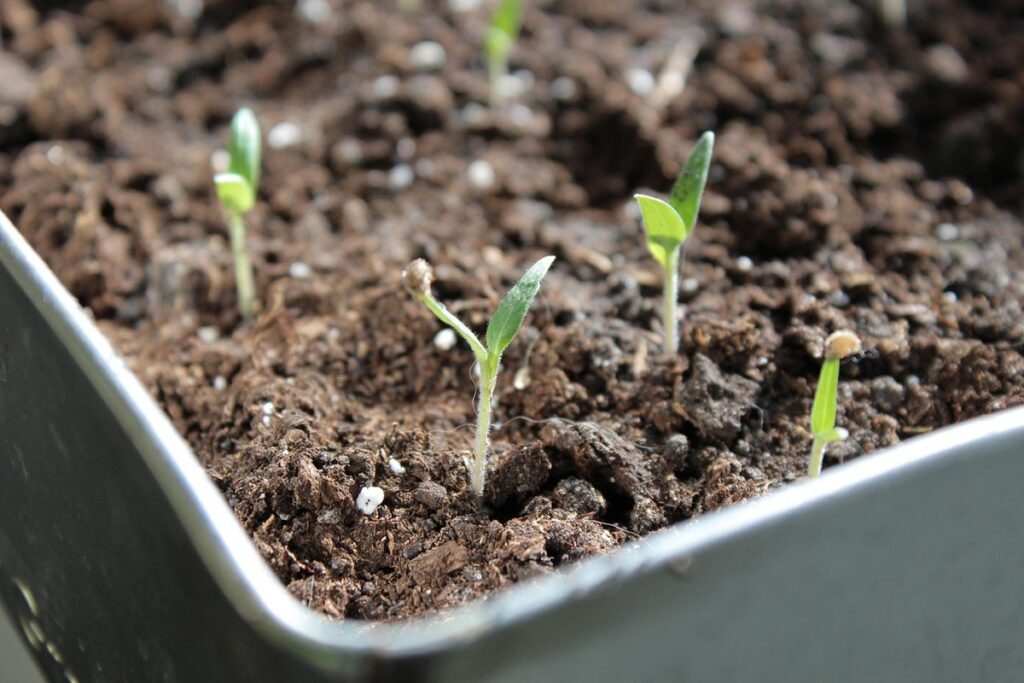
Understanding Leggy Growth in Tomato Seedlings
When you notice your tomato seedlings growing leggy, it’s not just a cosmetic issue – it can also impact their overall health and productivity. Let’s dive into the reasons behind this phenomenon.
What is Leggy Growth?
Leggy growth refers to the elongation of tomato seedlings’ stem and internodes while the plant’s leaves become sparse. This issue is a common problem faced by growers when it comes to nurturing their prized tomato plants from seedlings. The primary cause of leggy growth can be attributed to inadequate light, specifically insufficient direct sunlight or low-intensity lighting conditions.
When tomato seedlings do not receive sufficient light, they stretch upwards in an attempt to reach more light sources, often developing long and slender stems. This causes the plant’s stem to become weak and vulnerable to disease and pests. Moreover, leggy growth can also be triggered by overwatering or poor soil quality, as these factors can cause nutrient deficiencies that lead to weakened cell walls.
To determine if your tomato seedlings are experiencing leggy growth, look for signs such as an excessively long stem, sparse leaf distribution, and a pale coloration.
Factors Contributing to Leggy Growth
Light exposure is one of the primary environmental factors contributing to leggy growth in tomato seedlings. When seedlings are exposed to intense light, particularly from a single direction, they stretch their stems upwards to reach more light, resulting in an elongated and leggy appearance. This can happen when seedlings are placed too close to south-facing windows or under grow lights without adequate diffusers.
Temperature fluctuations also play a significant role in promoting leggy growth. Tomato seedlings grown in temperatures that are consistently above 70°F (21°C) tend to stretch more than those grown in cooler temperatures. This is because the plants are producing more cell elongation hormones at warmer temperatures, leading to increased stem length.
Soil conditions can also contribute to leggy growth if the nutrient levels are too high or low. When seedlings receive an overabundance of nitrogen, they may focus on developing a strong root system and stretchy stems rather than developing robust leaves and fruiting structures. Conversely, inadequate soil nutrients can cause stunted growth.
To minimize the risk of leggy growth, provide your tomato seedlings with balanced light exposure through east- or west-facing windows, use grow lights with diffusers, and maintain optimal temperature ranges between 65°F (18°C) and 75°F (24°C).
Environmental Causes of Leggy Growth
One of the main reasons tomato seedlings become leggy is due to inadequate light, which can cause them to stretch towards available sunlight. Let’s explore some common environmental causes in more detail.
Inadequate Light Conditions
Inadequate light conditions can have a significant impact on tomato seedlings’ growth patterns, leading to leggy growth. When seedlings don’t receive sufficient light, they stretch towards the available light source, developing long and spindly stems as opposed to robust and bushy ones.
Low-light conditions can be caused by insufficient direct sunlight or placement of the seedlings too far away from any light sources. For example, if you’re growing your tomato seedlings indoors with a single LED grow light, it may not provide enough intensity for optimal growth, leading to leggy stems. On the other hand, placing them near a south-facing window can be beneficial, but direct sunlight for extended periods can also cause damage.
To combat this issue, consider supplementing with additional lighting options such as high-intensity grow lights or using LED strips to enhance light coverage. Another solution is to place seedlings in a location where they receive indirect natural light, like an east- or west-facing window. By providing adequate light, you can promote healthier and more balanced growth in your tomato seedlings, minimizing the likelihood of leggy stems developing.
Temperature Fluctuations
Extreme temperature fluctuations can have a significant impact on tomato seedlings, leading to leggy growth. During germination, seedlings require a consistent and optimal temperature range of around 70-80°F (21-27°C) to ensure proper root development and emergence. However, if the temperature drops or rises significantly, it can cause stress, leading to weak and spindly growth.
As seedlings transition to the growth stage, they require temperatures between 60-70°F (15-21°C). Prolonged exposure to warmer temperatures above 75°F (24°C) can promote excessive stem elongation, causing the seedling to become leggy. On the other hand, cooler temperatures below 55°F (13°C) can slow down growth and increase susceptibility to disease.
To mitigate the effects of temperature fluctuations, ensure that your growing area maintains a consistent temperature within the optimal range for each stage. You can also use row covers or other temperature regulation methods to maintain a stable environment. By providing seedlings with the right temperatures at different stages, you can promote healthy growth and minimize leggy stems.
Genetic Predisposition to Leggy Growth
If you’ve ever wondered why some tomato seedlings seem destined for tall, leggy growth from day one, their genetic makeup may be partly to blame. Let’s take a closer look at how genetics can influence your seedling’s shape.
Tomato Variety Characteristics
When it comes to growing tomatoes, one of the most significant factors influencing their growth habit is genetics. Different tomato varieties have distinct characteristics that can predispose them to leggy growth.
Determinate tomatoes, for instance, are bred to be bushy and compact, producing a single harvest of fruit. They tend to have shorter internodes, which means there’s less space between leaves, resulting in a more balanced growth habit. On the other hand, indeterminate tomatoes are vining varieties that continue to grow throughout the season, producing multiple harvests of fruit. These plants can become leggy if not properly supported, as their stems stretch and reach for sunlight.
Compact tomato varieties, such as ‘Tiny Tim’ or ‘Red Robin’, are also less likely to exhibit leggy growth due to their naturally smaller size and bushy habit. In contrast, vining varieties like ‘Brandywine’ or ‘Cherokee Purple’ have a tendency to sprawl and become leggy if not pruned regularly.
Heirloom tomatoes, which are often saved from previous harvests and grown using traditional methods, can exhibit varying growth habits depending on their specific variety. Similarly, hybrid tomatoes, bred for specific traits like disease resistance or high yields, may also display unique growth characteristics. By understanding the genetic predispositions of your tomato variety, you can take proactive steps to prevent leggy growth and promote healthy development.
Breeding for Disease Resistance vs. Plant Vigor
When breeding programs prioritize disease resistance over plant vigor, it can inadvertently lead to weaker plants that are more susceptible to leggy growth. This is because the selection process often focuses on identifying and promoting genes that confer resistance to specific diseases, without considering the overall health and resilience of the plant.
As a result, these plants may have compromised root systems, reduced photosynthetic capacity, or altered hormone balances that can contribute to an elongated stem and leggy appearance. For example, research has shown that tomato varieties bred for disease resistance often exhibit reduced cell wall thickness and increased ethylene production, which can lead to more slender stems.
To avoid these issues, breeders are starting to incorporate plant vigor into their selection criteria, recognizing the importance of a strong, healthy root system and robust stem growth in maintaining overall plant resilience. If you’re selecting seedlings, look for varieties that have been bred with both disease resistance and vigor in mind – it may take some extra effort to find them, but they’ll be worth it in the long run!
Preventing Leggy Growth in Tomato Seedlings
Let’s focus on preventing leggy growth from taking over your tomato seedlings, as it can be a challenge to correct once they’ve become stretched out. We’ll cover practical tips for growing healthy stems and leaves.
Proper Sowing and Transplanting Techniques
When sowing seeds, it’s essential to give them a strong start. Begin by choosing a well-draining seed starting mix and filling seed trays or small pots about 1-2 inches deep. Plant seeds at the correct depth, usually around ¼ inch for tomato seeds, and cover with a thin layer of the seed mix. Water gently but thoroughly, making sure not to wash away the tiny seeds.
When transplanting seedlings into larger containers or directly into the garden, handle them carefully to avoid damaging their delicate roots. Harden off seedlings by gradually exposing them to outdoor conditions over 7-10 days before transplanting. This helps prevent shock and promotes healthy growth.
Adequate root space is also crucial in preventing leggy growth. Use containers that are at least 6-8 inches deep, allowing the taproot of the tomato plant to develop without restriction. Avoid overcrowding seedlings by giving them enough space to grow, usually about 1-2 feet apart for indeterminate varieties.
Nutrient Management Strategies
A well-balanced fertilization program is essential to promote healthy growth patterns in tomato seedlings. This involves providing them with the right amount and type of nutrients at different stages of their development. Too much fertilizer can be detrimental, however, as it can lead to an overabundance of nitrogen, causing the seedling to focus more on leaf growth than root development.
When fertilizing your tomato seedlings, look for a balanced formula that contains equal parts of nitrogen (N), phosphorus (P), and potassium (K). This ratio is often represented by a series of numbers, such as 10-10-10. Avoid formulas with high nitrogen content, as these can exacerbate leggy growth issues.
To achieve optimal results, fertilize your seedlings once they have two sets of true leaves. Start by watering them with a weak solution (diluted to half the recommended strength) and gradually increase the concentration as they grow. This will prevent burning their delicate roots and promote healthy root development. By getting fertilization right, you can encourage bushy growth and minimize the likelihood of leggy seedlings.
Diagnosing and Treating Leggy Growth
Now that you’ve identified the cause of your tomato seedling’s legginess, it’s time to learn how to diagnose and treat the issue effectively. This is crucial for giving them a strong start in life.
Visual Cues for Diagnosis
When examining your tomato seedling for signs of leggy growth, there are several visual cues to look out for. One common indication is a stretched-out appearance, with the stem elongating excessively while the leaves remain sparse. This can be due to insufficient light or inadequate pruning.
A more pronounced sign is uneven leaf distribution, where new growth occurs at the very tips of the stems. This is often accompanied by weak and spindly growth, characteristic of a leggy plant that’s unable to support its own weight.
To accurately diagnose this issue, inspect your seedling’s foliage for a noticeable lack of branching or lateral shoots. Leggy growth tends to dominate the center stem, suppressing the development of lateral buds.
When evaluating your tomato seedlings, keep an eye out for these visual signs and adjust your care routine accordingly.
Remedial Measures for Correction
To correct leggy growth in tomato seedlings, you’ll need to employ some targeted remedial measures. Start by pruning the plant to encourage bushy growth. Pinch off the top set of leaves to discourage stem elongation and promote branching. Remove any weak or spindly growth to redirect the plant’s energy towards developing a robust root system.
Next, consider using support systems like tomato cages, trellises, or stakes to provide structure for your plant as it grows. This will help keep the stems upright and encourage horizontal growth, rather than stretching towards sunlight. You can also employ training methods like topping or tipping to control stem length and promote lateral branching.
To further enhance bushy growth, make sure to provide adequate light and nutrients to your tomato seedlings. A balanced fertilizer will help stimulate root development, while a south-facing window or grow lights will encourage healthy stem elongation. By implementing these corrective measures, you can transform your leggy tomato seedling into a robust, productive plant capable of producing an abundance of fruit.
Advanced Techniques for Promoting Bushy Growth
Now that you know why your tomato seedlings are leggy, let’s dive into some advanced techniques to encourage bushy growth and a more robust plant. This includes pruning methods and tips for maximizing yields.
Pruning Strategies for Maximum Yield
When it comes to promoting bushy growth in tomato seedlings, pruning is an essential technique that requires a more nuanced approach. Different tomato varieties respond better to specific pruning strategies, so it’s crucial to understand the unique needs of each variety you’re growing.
For instance, indeterminate tomatoes benefit from tip pinching and lateral branching to encourage upward growth and prevent leggy stems. Remove the top set of leaves on seedlings when they reach 6-8 inches tall, allowing for a more even distribution of energy and promoting bushy growth.
On the other hand, determinate varieties respond well to selective pruning that focuses on maintaining a balanced structure while maximizing fruiting potential. Prune out weak or spindly stems and direct the plant’s energy towards producing more fruits by removing lower leaves that may be competing for resources.
By tailoring your pruning approach to the specific needs of each variety, you can strike the perfect balance between promoting bushy growth and achieving maximum yields. Regular observation and adjustments will help you refine your technique and optimize your tomato seedlings’ potential.
Companion Planting and Soil Conditioning
Companion planting and soil conditioning are two advanced techniques that can help promote bushy growth in tomato seedlings while reducing leggy growth. By introducing beneficial plants alongside tomatoes, you can create a balanced ecosystem that fosters healthy root development and discourages the production of hormones responsible for stretching.
Some examples of companion plants that can help with this issue include basil, borage, and nasturtiums. Basil repels pests that target tomatoes, such as whiteflies and aphids, while also improving growth rates through its fragrance. Borage attracts beneficial insects like bees and butterflies, which aid in pollination, while also adding nutrients to the soil. Nasturtiums release chemicals that deter nematodes, microscopic worms that can harm tomato roots.
To condition your soil for optimal bushy growth, focus on maintaining a consistent moisture level and pH between 6.0-7.0. Add organic matter like compost or manure to improve drainage and nutrient availability. Avoid over-fertilizing, as this can promote weak root development and encourage leggy growth. By adopting these practices, you’ll create an environment where your tomato seedlings thrive, producing robust, bushy plants with minimal need for pruning.
Frequently Asked Questions
Can I still harvest tomatoes from seedlings with leggy growth?
Yes, it’s possible to harvest tomatoes from leggy seedlings, but their yields may be lower due to reduced foliage area for photosynthesis. However, proper pruning and training can help maximize yield. Regularly remove weak or spindly growth, focusing on promoting bushy, compact plants.
What if I’ve already noticed temperature fluctuations affecting my seedlings’ legginess?
Temperature fluctuations, especially during critical stages of growth, can exacerbate leggy growth. To mitigate this, ensure your growing space maintains a consistent temperature between 65-70°F (18-21°C). Use row covers or other protective measures to shield your plants from extreme temperatures.
How often should I prune my tomato seedlings for optimal bushy growth?
Prune your seedlings regularly, ideally when you notice two sets of leaves. Remove the weakest stem and any weak growth to encourage branching. This will help redirect energy towards developing a robust root system and promote healthy foliage growth.
Can inadequate light conditions be corrected by moving seedlings outdoors?
Yes, if possible, relocate seedlings to an area with direct sunlight (at least 6 hours) or consider supplementing with grow lights. However, ensure a gradual transition to outdoor conditions, as sudden exposure can cause stress and potentially harm your plants.
What are some common nutrient deficiencies that contribute to leggy growth in tomato seedlings?
Common nutrient deficiencies include nitrogen, iron, magnesium, and calcium. Soil testing will help identify specific issues. Address any imbalances promptly by adjusting your fertilization schedule or applying targeted supplements.