
Compost is an amazing way to turn kitchen scraps into nutrient-rich soil, but let’s face it – it can also be pretty smelly. If you’re like many gardeners and cooks out there, you’ve probably dealt with the stinky problem of compost odors at some point or another. But don’t worry, we’ve got the solutions for you! In this article, we’ll dive into the world of pH levels, oxygen, and natural remedies to show you how to create a balanced mix that minimizes odors and maximizes your compost’s potential. We’ll also explore advanced systems for dealing with strong smells, so whether you’re a seasoned composter or just starting out, you can learn expert tips to keep your compost pile fresh and odor-free.
Understanding Compost Odor Causes
Let’s get down to the root of the problem and explore the common causes behind compost odor, such as excess moisture and decaying materials.
The Role of Nitrogen-Rich Materials
High-nitrogen materials like food scraps and grass clippings are often contributors to compost odors. When these materials break down quickly, they release strong smells into the air. The high nitrogen content in these materials means they’re rich in ammonia, which is a potent odor-causing agent.
As food scraps decompose, they can produce volatile organic compounds (VOCs), including trimethylamine, which has a strong fishy smell. Similarly, grass clippings contain high amounts of nitrogen-rich urea, which breaks down into ammonia as it decomposes. This rapid breakdown releases these potent odor-causing agents into the air.
To manage odors from high-nitrogen materials, balance their addition to your compost pile with carbon-rich materials like dried leaves or shredded newspaper. Aim for a mix that’s 2/3 carbon and 1/3 nitrogen to slow down decomposition and minimize odors. Regular turning of the pile can also help distribute heat and oxygen, reducing the likelihood of anaerobic conditions that contribute to strong smells.
pH Levels and Their Impact on Compost Odors
pH levels play a crucial role in determining the odor production of your compost pile. An imbalance of acidic or alkaline substances can lead to unpleasant aromas that are often associated with rotten eggs, ammonia, or sour milk smells. When the pH level is too low (acidic), it can cause microorganisms to break down organic matter too quickly, releasing volatile compounds and potent odors.
Conversely, if the pH level is too high (alkaline), it can slow down the decomposition process, leading to anaerobic conditions that produce hydrogen sulfide gas – the culprit behind rotten egg smells. To maintain a healthy pH balance between 6.0 and 7.5, you should regularly monitor your compost pile’s acidity.
To adjust your compost pile’s pH levels, add materials like lime or dolomitic limestone to raise the pH, or wood ash or peat moss to lower it. It’s essential to introduce these amendments gradually, as sudden changes can disrupt the balance of microorganisms in your compost pile. By maintaining a balanced pH level and monitoring your compost pile regularly, you’ll be able to prevent odors and create nutrient-rich compost for your garden.
Insufficient Oxygen: A Key Factor in Compost Smells
Insufficient oxygen is one of the primary reasons why compost often develops an unpleasant smell. When organic matter breaks down without sufficient oxygen, it creates anaerobic conditions that foster the growth of bacteria and other microorganisms responsible for odors. These anaerobic microorganisms thrive in environments with low oxygen levels, producing compounds like volatile organic compounds (VOCs) that contribute to the characteristic “rotten egg” smell.
To maintain adequate oxygen levels in your compost pile, it’s essential to ensure proper mixing and aeration. Regularly turn or aerate your compost to introduce more oxygen into the pile. You can also add bulking agents like straw or shredded newspaper to improve airflow and increase oxygen availability. Aim for a mix of 2/3 “green” materials (food scraps, grass clippings) and 1/3 “brown” materials (dried leaves, branches) to maintain a balanced carbon-to-nitrogen ratio.
By prioritizing adequate oxygen levels in your compost pile, you can minimize the risk of anaerobic conditions and unpleasant odors.
Creating a Balanced Compost Mix
To create a balanced compost mix, you’ll want to combine “green” materials rich in nitrogen with “brown” materials high in carbon, ensuring an optimal blend for efficient decomposition.
Adding Carbon-Rich Materials for Odor Control
Incorporating carbon-rich materials into your compost mix is a simple yet effective way to neutralize unpleasant odors. These materials, such as leaves, straw, or shredded newspaper, are like sponges that absorb excess moisture, helping to reduce the smell of ammonia and other pungent compounds.
By adding carbon-rich materials, you’re creating a better balance between “green” (nitrogen-rich) and “brown” (carbon-rich) elements in your compost. This balance is crucial for healthy decomposition, as it allows for optimal microbial activity without excessive moisture buildup. For example, if you add a lot of nitrogen-rich food scraps or grass clippings to your compost pile, adding some carbon-rich materials like straw will help absorb excess moisture and reduce the likelihood of anaerobic conditions that contribute to odors.
Aim to include 2-3 parts “brown” materials for every one part “green” materials in your compost mix. This will ensure that you’re providing enough oxygen for microorganisms to break down organic matter efficiently, reducing unpleasant odors and creating a balanced, odor-free compost pile.
Introducing Worms: Nature’s Odor-Eliminating Agents
Worms are one of nature’s most effective odor-eliminating agents. These tiny creatures play a crucial role in breaking down organic matter and reducing unpleasant smells in the compost pile. By introducing worms into the mix, you can significantly reduce the likelihood of strong odors developing.
To introduce worms safely and effectively, start by ensuring your compost pile has a mix of “green” and “brown” materials. This balance will provide a suitable environment for worms to thrive. Next, add a handful or two of red wiggler worms to the pile, depending on its size. Red wigglers are specifically chosen for their ability to digest organic matter quickly.
To promote healthy worm activity, maintain a carbon-to-nitrogen ratio between 2:1 and 3:1. This balance will help regulate moisture levels, ensuring the compost remains aerated but not too dry. Keep in mind that worms prefer temperatures between 55°F and 77°F (13°C to 25°C).
Avoiding Overcrowding: A Key to Minimal Odors
Maintaining a balanced compost mix is crucial for preventing unpleasant odors. Overcrowding can lead to anaerobic conditions, where microorganisms break down organic matter without sufficient oxygen. This results in the production of volatile organic compounds (VOCs), causing strong and often objectionable smells.
To avoid overcrowding, ensure that your compost pile is not more than 3-4 feet high. Aim for a mix that’s roughly 2/3 “brown” materials (dried leaves, straw, or shredded newspaper) and 1/3 “green” materials (food scraps, grass clippings, or manure). Regularly turning the compost pile will also help maintain oxygen levels.
Think of your compost pile as a layered cake. Brown materials form the base, followed by green materials, which provide nutrients for microorganisms to break down. By maintaining this balance and aerating the pile regularly, you can prevent overcrowding and minimize the risk of anaerobic conditions that lead to unpleasant odors. Regularly inspecting your compost pile will help you identify potential issues before they become severe.
Reducing Compost Smells through Maintenance Practices
To minimize those unwanted odors, regular maintenance practices are key. We’ll dive into effective ways to reduce compost smells by keeping your pile tidy and balanced.
Regular Turning and Aeration
Regular turning and aeration are two of the most effective practices for reducing compost smells. By regularly turning your compost pile, you’re allowing oxygen to penetrate deeper into the pile, promoting even decomposition and reducing anaerobic conditions that contribute to odors.
Think of it like a big kitchen trash can – when you don’t take out the trash frequently enough, everything starts to rot and smell. Similarly, when you don’t turn your compost regularly, moisture gets trapped, creating an environment perfect for odor-causing bacteria to thrive.
To incorporate regular turning into your maintenance routine, aim to turn your pile every 7-10 days during active decomposition phases. This can be done using a pitchfork or shovel, depending on the size of your pile and personal preference. When you turn, make sure to mix in any newly added materials with the existing compost, promoting air circulation throughout.
By maintaining oxygen levels and promoting even decomposition, regular turning and aeration will significantly reduce unpleasant odors in your compost.
Monitoring Moisture Levels for Optimal Odor Control
Maintaining optimal moisture levels is crucial for minimizing odors in compost piles. When the pile becomes too wet, it creates an anaerobic environment where bacteria thrive, producing volatile organic compounds (VOCs) that contribute to unpleasant smells. On the other hand, a dry compost pile can lead to reduced microbial activity, resulting in slower decomposition and potentially more odor issues.
To strike the perfect balance, aim for a moisture level between 50-60% of the compost’s total weight. You can achieve this by adding water gradually as you turn the pile, ensuring it doesn’t become too saturated. A good rule of thumb is to maintain a consistency similar to that of a damp sponge. Regular monitoring and turning will help prevent both over-drying and over-wetting, promoting healthy microbial activity and reducing odor-causing VOCs.
For example, if your compost has been exposed to heavy rainfall or irrigation, consider adding some dry materials like straw or shredded newspaper to absorb excess moisture.
Adding Natural Remedies: Baking Soda, Activated Charcoal, or Essential Oils
When using natural remedies to neutralize compost smells, it’s essential to choose the right ingredients and use them correctly. Baking soda is a popular choice for absorbing odors. Mix 1-2 tablespoons of baking soda into the compost pile, or sprinkle it on top to help mask unpleasant aromas. However, be cautious not to overdo it, as excessive amounts can disrupt the compost’s carbon-to-nitrogen balance.
Activated charcoal can also be effective in absorbing volatile organic compounds (VOCs) responsible for bad smells. Add a small amount of activated charcoal – about 1-2 cups per 10 cubic feet of compost – and mix well to distribute evenly. Note that this remedy works best when the compost is hot, as the heat will help activate the charcoal.
Essential oils can be used to create a pleasant scent in the compost pile. Certain oils like tea tree oil, lavender oil, or peppermint oil have antimicrobial properties that can help control odor-causing microorganisms. Mix 5-10 drops of your chosen essential oil with water and spray it onto the compost. However, always use high-quality, pure essential oils and follow safety guidelines to avoid contaminating the compost or harming yourself.
Advanced Solutions for Severe Compost Smells
If you’re dealing with pungent compost smells that are overpowering even the most determined gardener, we’ve got advanced solutions to help neutralize them completely. These remedies are tailored for severe cases, so you can get back to composting with confidence.
Incorporating Microorganisms for Enhanced Odor Control
Introducing microorganisms specifically designed to break down organic matter and reduce odors can be a game-changer for severe compost smells. These microbes are naturally occurring bacteria that feed on the ammonia-rich compounds responsible for unpleasant odors, thereby reducing their intensity.
When selecting microorganisms for odor control, look for products containing Bacillus subtilis, Aspergillus terreus, or other similar species. These microbes can be sourced from reputable suppliers and added to the compost pile as a powder, liquid, or granule. To incorporate them effectively, start by sprinkling the microbe product over the top of the compost heap, ensuring even distribution.
As these microbes work to break down organic matter, they’ll also start to neutralize odors. For example, research has shown that Bacillus subtilis can reduce odor-causing compounds by up to 90%. By introducing these beneficial microbes into your compost pile, you can significantly improve the overall smell and quality of your finished compost product.
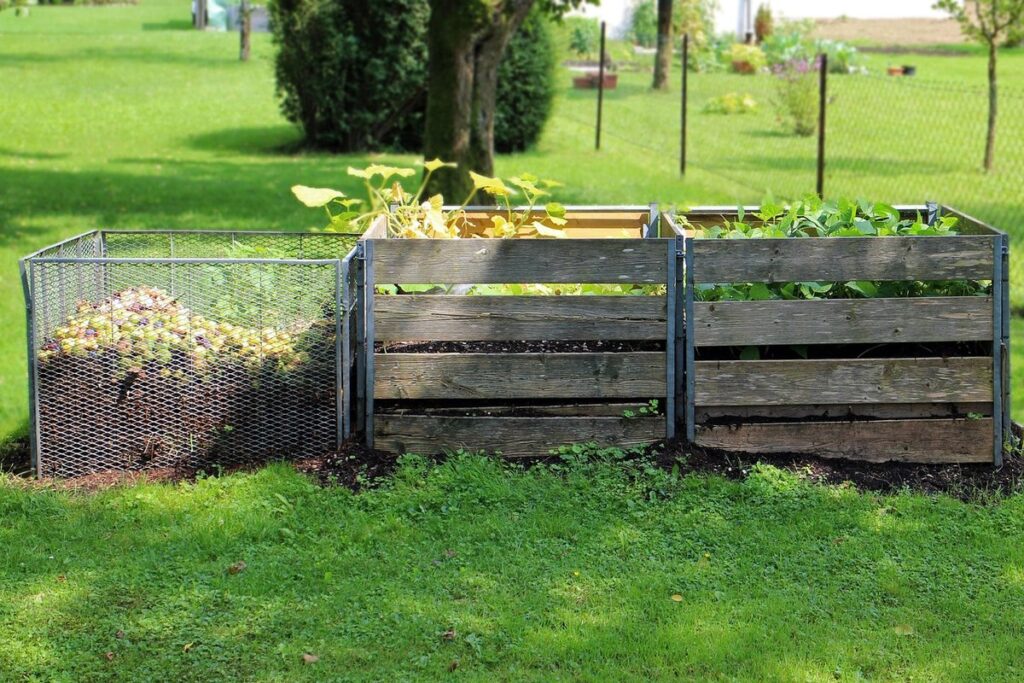
Implementing a Two-Chamber Composting System
Implementing a two-chamber composting system is an effective strategy to minimize odors and produce high-quality compost. This approach separates hot composting from cold composting, allowing you to manage each process individually. In one chamber, you can focus on actively aerating the materials, introducing oxygen, and monitoring temperature, which helps to speed up decomposition.
In the other chamber, you can create a slower and cooler environment, perfect for cold composting. This method allows you to maintain optimal conditions for both hot and cold processes without disrupting each other. As a result, you’ll have better control over odors, as volatile compounds will be released during the hot composting process and then broken down further in the cold composting chamber.
A two-chamber system also enables more efficient management of carbon-to-nitrogen ratios. By separating materials into different chambers based on their C:N requirements, you can balance the mix and prevent over-saturation or under-nourishment, which are common causes of unpleasant odors.
Using Physical Barriers: Odor-Absorbing Materials or Enclosures
When dealing with severe compost smells, using physical barriers can be an effective way to contain and reduce odors. One option is to use odor-absorbing mats placed under the compost bin or pile. These mats are designed to capture unpleasant smells and neutralize them before they spread. Some popular types of odor-absorbing mats include activated charcoal-based materials and zeolite-filled mats.
Another approach is to invest in an enclosed composting unit, such as a worm composter or a Bokashi bin. These units are designed with ventilation systems that help control airflow and reduce odors. They also often come equipped with filters or odor-absorbing materials that can be replaced periodically.
Some composters have reported success with using physical barriers to minimize smells. For example, placing a layer of straw or wood chips under the compost pile has been shown to absorb excess moisture and help contain odors. However, it’s essential to maintain regular turning of the compost to ensure airflow and prevent anaerobic conditions that can lead to severe smells.
Troubleshooting Common Compost Smell Issues
Don’t worry, we’ve all been there – dealing with a smelly compost pile is frustrating and overwhelming. Let’s tackle common issues together to get your compost back on track!
Identifying the Root Cause of Unpleasant Odors
When it comes to troubleshooting unpleasant odors in your compost pile, it’s essential to identify the root cause rather than just treating the symptoms. This requires a bit of detective work, but don’t worry, we’ll guide you through the process.
Start by observing your compost pile’s overall condition. Are there puddles or standing water? If so, this could be indicative of excessive moisture, which can lead to anaerobic conditions and unpleasant odors. On the other hand, if your compost is dry and crumbly, it may indicate inadequate oxygen levels.
Another common issue is an imbalance of nitrogen-rich materials. When there’s too much nitrogen (from sources like food scraps or manure), it can break down quickly and release strong-smelling ammonia. To check for this, look for signs of excessive green material (like grass clippings or fresh vegetable scraps) versus brown material (like dried leaves or shredded paper).
By assessing your compost pile’s moisture levels, oxygen supply, and nitrogen-to-carbon ratio, you can pinpoint the underlying cause of unpleasant odors and take corrective action to neutralize them.
Implementing Short-Term Solutions for Severe Odor Episodes
When faced with severe odor episodes, it’s essential to have some temporary fixes up your sleeve. These solutions can provide immediate relief while you work on addressing the underlying causes of the issue.
Adding natural remedies is a great place to start. You can sprinkle baking soda or activated charcoal over the compost pile to absorb moisture and neutralize odors. Alternatively, adding a layer of peat moss or coconut coir can help control ammonia levels and reduce unpleasant smells. Another option is to use essential oils like tea tree oil or lavender oil, which have natural antimicrobial properties that can help combat odor-causing bacteria.
Physical barriers are another effective solution for severe odor episodes. You can cover the compost pile with a breathable tarp or mesh screen to prevent odors from spreading and keep pests out. This will give you some breathing room while you work on resolving the underlying issue, such as adding more carbon-rich materials or adjusting your composting ratios.
Remember, these temporary fixes should not replace proper maintenance and monitoring of your compost pile. They’re meant to provide relief in emergency situations only. By using a combination of natural remedies and physical barriers, you can keep odors under control until you can address the root cause of the issue.
Long-Term Strategies for Preventing Compost Smells
To maintain a low-odor compost pile, regular maintenance is crucial. This includes turning the pile regularly to ensure oxygenation and speeding up the decomposition process. Aim to turn your compost at least once a week during warm months when microbial activity is high.
Another essential strategy is adjusting the carbon-to-nitrogen (C:N) ratio in your compost mix. A balanced C:N ratio helps prevent anaerobic conditions that contribute to unpleasant odors. Add more brown materials like dry leaves or shredded newspaper if you notice a high nitrogen content, and vice versa for high-carbon piles.
Additionally, monitor temperature fluctuations within the pile. High temperatures can indicate an imbalance in the composting process. Regularly inspect the pH levels as well; most beneficial microorganisms thrive between 6.0-7.5 pH range. By maintaining these factors, you’ll significantly reduce odors and promote a healthier composting environment.
As a general rule of thumb, aim for a C:N ratio of 25:1 to 30:1. This can be achieved by mixing in organic materials that are rich in carbon like straw or wood chips with high-nitrogen materials such as food scraps or manure.
Frequently Asked Questions
What’s the best way to balance my compost mix for optimal odor control?
Balancing your compost mix is crucial for minimizing odors. Aim for a 2/3 “brown” materials (e.g., dried leaves, shredded newspaper) and 1/3 “green” materials (e.g., food scraps, grass clippings). Monitor moisture levels, ensuring they’re not too wet or dry. Regular turning and aeration will also help maintain balance.
Can I add compost to my garden beds immediately after the odor issue is resolved?
No, it’s essential to let your finished compost mature for several weeks before using it in your garden. This allows the compost to break down any remaining microorganisms that might cause odors or affect plant growth. A minimum of 2-3 months is recommended.
How often should I turn and aerate my compost pile to prevent odor buildup?
Turn and aerate your compost pile regularly, ideally every 7-10 days during warm weather. This will help introduce oxygen, reducing anaerobic conditions that contribute to strong odors. Be sure to use a pitchfork or shovel to gently mix the materials without compacting them.
Are there any natural remedies I can add to my compost to control odors?
Yes, consider adding natural remedies like baking soda, activated charcoal, or essential oils (e.g., tea tree oil) to absorb and neutralize odors. However, be cautious not to overdo it, as excessive amounts can harm microorganisms responsible for decomposition.
Can I use a two-chamber composting system to separate “green” and “brown” materials?
Yes, a two-chamber system can help manage odor issues by separating high-nitrogen materials (e.g., food scraps) from low-nitrogen materials (e.g., dried leaves). This will allow you to control the decomposition process more effectively, reducing odors and improving overall compost quality.