
The smell from your compost bin can be overwhelming, making you wonder if you’ll ever get rid of the stench. As any gardener or homeowner knows, an unpleasant odor from your compost bin is not only frustrating but also a sign that something’s amiss. Regularly dealing with smelly compost bins can deter you from using this natural resource for fertilizing your plants.
In this comprehensive guide, we’ll tackle common causes of bad odors in compost bins and provide practical tips on how to eliminate them for good. We’ll cover essential regular maintenance tasks and explore natural solutions that will have your compost bin smelling fresh in no time. By the end of this article, you’ll be equipped with the knowledge to maintain a healthy and odor-free composting process that benefits both your plants and the environment.
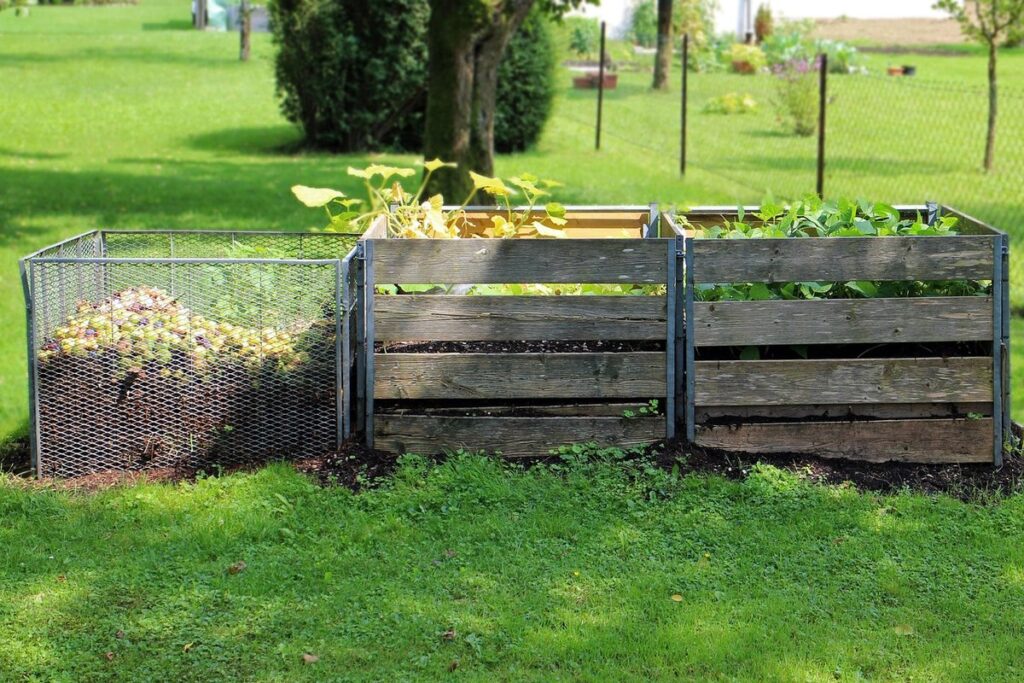
Understanding Compost Bin Smells
Compost bin smells can be a real nuisance, but understanding what causes them is key to fixing the problem. In this next part of our guide, we’ll explore the common culprits behind these unpleasant odors.
Common Causes of Unpleasant Odors
When it comes to compost bin smells, there are several common causes that can lead to unpleasant odors. One of the main reasons is overloading the bin with too much food waste and yard trimmings at once. This creates an ideal environment for anaerobic bacteria to thrive, producing pungent odors. To avoid this, it’s essential to add materials in moderation and maintain a balance between “green” (nitrogen-rich) and “brown” (carbon-rich) materials.
Another common issue is an imbalance of carbon-rich materials, which are crucial for absorbing excess moisture and odor-causing compounds. Without sufficient brown materials like dried leaves or shredded newspaper, the compost bin can become too wet and stinky. Conversely, high nitrogen content from excessive green materials like food scraps and grass clippings can also lead to odors.
Additionally, poor ventilation is a significant contributor to compost bin smells. When the bin lacks adequate airflow, moisture builds up, creating an anaerobic environment that fosters odor-causing bacteria. To mitigate this, ensure your compost bin has sufficient airholes or consider adding a ventilation system.
To fix these issues, start by adding brown materials like dried leaves or straw to absorb excess moisture and balance out the mix. If you’ve overloaded the bin, simply remove some of the materials and restart with a fresh batch. Regularly aerate the pile by turning it or using a pitchfork to introduce oxygen. By addressing these common causes, you can eliminate unpleasant odors and maintain a healthy composting process.
The Importance of Regular Maintenance
Regular maintenance is key to preventing odors from building up in your compost bin. This means turning, aerating, and inspecting the pile on a regular basis. Turning the pile allows for even decomposition of materials, reducing the likelihood of anaerobic conditions that can lead to unpleasant smells.
Aerate your compost by occasionally poking holes in the bottom or sides of the bin, allowing oxygen to reach the inner layers. This encourages beneficial microbes to break down organic matter efficiently, minimizing odors. Inspect the pile regularly for signs of imbalance, such as excessive moisture or pest infestation, which can all contribute to bad smells.
Make turning a part of your routine by doing it at least once a week. Use a pitchfork or shovel to gently turn the pile, working from the bottom up. This will help to distribute heat evenly and prevent hotspots that can lead to anaerobic conditions. By incorporating regular maintenance into your composting practice, you’ll be well on your way to eliminating odors and maintaining a healthy garden ecosystem.
Identifying the Source of the Smell
Now that we’ve narrowed down the possible causes, let’s dive into identifying the source of the smell by examining the compost bin itself and its surroundings. We’ll start by checking for common culprits like food scraps and anaerobic pockets.
Visual Inspection: What to Look for in Your Compost Bin
When performing a visual inspection of your compost bin, it’s essential to keep an eye out for potential issues that can cause unpleasant odors. Start by lifting the lid and taking a look inside. Check for signs of pests like rodents, raccoons, or flies, which can be attracted to the nutrient-rich environment within the bin.
Mold and mildew can also contribute to bad smells. Look for slimy patches on the sides or bottom of the bin, and check if the compost pile is too wet. If it’s waterlogged, it may be a sign that you’re adding too much green material or not enough brown materials like leaves or shredded paper.
Another issue to watch out for is over-rotting materials. Check for signs of anaerobic decomposition, which can cause unpleasant odors. These include a slimy texture, a strong ammonia smell, or a lack of carbon-rich materials in the compost pile.
If you notice any of these issues during your visual inspection, it’s time to take action and address the problem.
Monitoring Temperature and Moisture Levels
Maintaining optimal temperature and moisture levels is crucial to preventing anaerobic conditions that can lead to strong smells. Anaerobic decomposition occurs when oxygen is scarce, causing microorganisms to break down organic matter too quickly, producing ammonia gas as a byproduct. This gas is responsible for the pungent odors often associated with compost bins.
To prevent this scenario, aim for temperatures between 55°C and 65°C (131°F to 149°F). At these levels, decomposition occurs more slowly, allowing oxygen to penetrate the pile and supporting aerobic processes. Regularly monitoring temperature can be done using a thermometer or by feeling the heat emanating from the pile.
Moisture levels should also be kept within a range of 50-60% to prevent excessive drying out or waterlogging. Over-drying leads to anaerobic conditions, while excessive moisture invites pests and unpleasant odors. Regularly checking moisture levels and adjusting as necessary can make all the difference in maintaining a healthy compost bin.
Strategies for Eliminating Compost Bin Smells
To tackle those pesky compost bin smells, we’ll dive into practical strategies that will help you eliminate odors and maintain a healthy garden. This includes clever techniques for balancing carbon and nitrogen levels.
Adding Carbon-Rich Materials to Balance the Pile
Incorporating carbon-rich materials into your compost pile is essential when dealing with high nitrogen inputs. These materials help balance out the excess moisture and heat generated by high-nitrogen ingredients like food scraps and grass clippings. A good rule of thumb is to maintain a ratio of 2/3 “brown” materials (dry leaves, straw, shredded newspaper) to 1/3 “green” materials (food scraps, grass clippings).
Materials like straw, coconut coir, or shredded newspaper are excellent choices for balancing out your compost pile. They provide a slow release of carbon into the decomposition process, which helps regulate temperature and moisture levels. For example, adding 2-3 inches of shredded newspaper to your compost pile can help absorb excess moisture and reduce odors.
When incorporating these materials, be sure to add them in layers, allowing for adequate air circulation throughout the pile. Aim to maintain a depth of 3-4 feet for optimal decomposition and aeration. By balancing out high nitrogen inputs with carbon-rich materials, you’ll create an environment that fosters efficient decomposition and minimizes odors.
Increasing Aeration and Ventilation
Improving airflow within your compost bin is crucial to preventing unpleasant odors and promoting healthy decomposition. One effective way to increase aeration is by adding holes or gaps to the bin’s walls. You can use a drill to create 1-2 inch holes, spaced about 6 inches apart, depending on the size of your bin. This will allow oxygen to flow in and excess moisture to escape, reducing the likelihood of anaerobic conditions that contribute to odors.
Another option is to consider using a rotating drum composter, which is designed with built-in aeration features. These bins typically have multiple compartments that rotate as you add new materials, ensuring constant mixing and airflow. This can be particularly useful for small-scale composting or for those who struggle to maintain regular turnover of their compost.
Remember, it’s essential to balance aeration with moisture levels in your compost bin. Over-aerating can dry out the pile, while under-aerating can lead to anaerobic conditions. By striking this balance and providing adequate airflow, you’ll be well on your way to eliminating unpleasant odors and creating nutrient-rich compost for your garden.
Best Practices for Maintaining a Low-Smell Compost Bin
Now that we’ve covered how to troubleshoot and eliminate existing compost bin odors, let’s dive into best practices for preventing future smells. We’ll explore simple habits to maintain a low-smell compost bin all season long.
Regular Turning and Monitoring of pH Levels
Regular turning of the compost pile is crucial to ensure optimal decomposition conditions. This process helps to aerate the pile, allowing oxygen to reach the microorganisms breaking down the organic matter. As a result, the decomposition process accelerates, reducing the likelihood of anaerobic conditions that can lead to unpleasant odors.
Monitoring pH levels is equally important. Most compost piles have a slightly acidic pH, ranging from 5.5 to 6.5. However, extreme pH levels can hinder microbial activity and slow down decomposition. To maintain optimal pH levels, it’s essential to add materials with different pH values, such as wood ash (alkaline) or peat moss (acidic). Regularly testing the pH level of your compost pile will help you identify any deviations and make necessary adjustments.
Aim to turn your compost pile every 7-10 days, depending on its size and composition. This frequency allows for consistent aeration and prevents anaerobic pockets from forming. By combining regular turning with monitoring of pH levels, you’ll be able to maintain an optimal decomposition environment, reducing the risk of strong odors and promoting healthy microbial activity in your compost bin.
Incorporating Natural Odor-Absorbing Materials
One of the most effective ways to incorporate natural odor-absorbing materials into your compost bin is by using activated charcoal. This porous material has a unique property that allows it to absorb and neutralize unpleasant odors, making it an excellent addition to your composting process. You can add a small bag or container of activated charcoal to your compost pile, where it will work its magic over time.
Another natural odor-absorber is baking soda. This household staple has been used for years to eliminate odors in refrigerators and freezers, but it also works wonders in compost bins. Sprinkle a small amount of baking soda into the compost pile or mix it with water to create a paste that can be applied directly to the offending area.
Certain types of clay, such as zeolite or montmorillonite, also have natural odor-absorbing properties. These clays work by attracting and holding onto volatile organic compounds (VOCs), which are responsible for many unpleasant odors in compost bins.
Advanced Techniques for Compost Bin Management
Now that you’ve mastered the basics of compost bin management, let’s dive into some more advanced techniques to keep your bin odor-free and thriving.
Using Bokashi or EM-1 to Accelerate Decomposition
Using Bokashi or EM-1 to Accelerate Decomposition can be a game-changer for your compost bin. These microbe-rich products are specifically designed to speed up the decomposition process, reducing odors and creating a more efficient composting system.
Bokashi is a fermented liquid made from a blend of effective microorganisms (EM), which includes lactic acid bacteria, yeast, and photosynthetic bacteria. When added to your compost bin, Bokashi helps break down complex organic matter into simpler compounds, reducing the need for oxygen and minimizing odors. For instance, adding 1-2 cups of Bokashi to a standard-sized compost bin can lead to decomposition rates that are up to 3 times faster.
Similarly, EM-1 is another microbe-rich product that uses beneficial microbes to break down organic matter. When used in conjunction with your compost bin’s natural ecosystem, EM-1 helps create an ideal environment for microbial activity, reducing odors and accelerating the composting process.
To incorporate Bokashi or EM-1 into your compost bin management routine, follow these simple steps: Add 1-2 cups of Bokashi or 1 tablespoon of EM-1 to your compost bin every week. Mix well with other compost materials to ensure even distribution. Monitor decomposition rates and adjust product usage as needed. By leveraging the power of microbe-rich products like Bokashi or EM-1, you’ll be on your way to creating a thriving, odor-free composting system in no time.
Creating a Compost Tea or Liquid Solution
Brewing a liquid solution from your finished compost is an excellent way to fertilize plants while minimizing waste. This process, known as compost tea or liquid solution, involves steeping the finished compost in water to extract its nutrients and beneficial microorganisms. These micronutrients can be directly applied to plants through foliar feeding or added to soil for healthier root development.
To create a compost tea, place 1-2 pounds of finished compost in a bucket with 5 gallons of water. Allow it to steep for 24-48 hours, agitating the mixture occasionally. The resulting liquid solution is rich in beneficial microbes and micronutrients that can boost plant growth and immunity. By using compost tea, you can reduce your reliance on chemical fertilizers and create a more balanced ecosystem in your garden.
For best results, use this liquid solution within 24-48 hours of brewing to maximize its potency.
Conclusion: Tips for Long-Term Odor-Free Composting
Now that you’ve learned how to fix smelly compost bins, let’s summarize our top tips and provide a comprehensive guide on maintaining long-term odor-free composting.
Recap of Key Takeaways
To summarize, maintaining an odor-free compost bin requires regular maintenance, balancing carbon and nitrogen levels, and using natural odor-absorbing materials. We’ve covered the importance of turning your compost pile regularly to introduce oxygen, speed up decomposition, and prevent anaerobic conditions that cause unpleasant odors.
You should also strive to maintain a balanced ratio of “green” (nitrogen-rich) to “brown” (carbon-rich) materials in your compost pile. Aim for a mix of 2/3 brown materials like dried leaves or straw, and 1/3 green materials like food scraps or grass clippings. This balance will help minimize the production of ammonia, which is often responsible for strong smells.
In addition to maintaining a balanced carbon-to-nitrogen ratio, using natural odor-absorbing materials can also help eliminate unpleasant odors. Consider adding a layer of sawdust, wood ash, or coconut coir to your compost pile to absorb excess moisture and neutralize odors. By following these tips, you’ll be well on your way to creating a healthy, thriving compost bin that’s free from odors and rich in nutrients for your garden.
Encouragement to Continuously Monitor and Adjust Compost Pile Conditions
As you’ve successfully implemented odor-reducing strategies and created a thriving compost bin, it’s essential to remain vigilant in monitoring its conditions. Compost piles can be unpredictable, and even with the best intentions, they can still become smelly or inefficient if not regularly checked. Think of your compost pile as a living ecosystem – it needs attention and adjustments to ensure optimal performance.
Check your compost pile at least once a week, looking for signs of imbalance, such as:
• Excessive moisture: If your pile is too wet, odors will arise. Add more brown materials like dried leaves or shredded newspaper to balance out the moisture.
• Insufficient carbon-to-nitrogen ratio: A mix of 2/3 “brown” materials and 1/3 “green” materials (food scraps, grass clippings) is ideal. If you notice a strong ammonia smell, it may indicate an overabundance of nitrogen-rich materials.
Make adjustments as needed to keep your compost pile in balance and prevent odors from arising.
Frequently Asked Questions
How often should I check my compost bin for signs of anaerobic conditions?
Regular checks are crucial to maintaining a healthy composting process. We recommend inspecting your bin at least once a week, looking out for signs of anaerobic conditions such as excessive moisture, slimy textures, and foul odors. By catching these issues early on, you can prevent the buildup of toxic compounds and keep your compost bin odor-free.
Can I use any household items to absorb bad smells in my compost bin?
Yes, there are several natural odor-absorbing materials you can incorporate into your compost bin, such as activated charcoal, baking soda, or even coffee grounds. These materials will help neutralize unpleasant odors and create a more balanced environment for decomposition.
How do I balance the pH levels in my compost pile to prevent acidic conditions?
Balancing pH levels is essential to maintaining a healthy composting process. To achieve this, you can add materials with high alkalinity, such as crushed eggshells or wood ash, to counteract acidity. Regularly monitoring and adjusting pH levels will help prevent the growth of anaerobic bacteria and keep your compost bin smelling fresh.
Can I speed up the decomposition process using Bokashi or EM-1?
Yes, incorporating Bokashi or EM-1 into your composting process can accelerate decomposition by introducing beneficial microorganisms that break down organic matter more efficiently. However, be sure to follow the instructions provided with these products and maintain a balanced environment within your compost bin to avoid overloading it.
What’s the best way to monitor temperature levels in my compost bin?
Monitoring temperature levels is crucial for ensuring optimal decomposition conditions. We recommend using a thermometer to track temperature fluctuations, aiming for a balance between 130°F – 140°F (54°C – 60°C) for efficient microbial activity and odor control. Regularly monitoring temperature will help you identify potential issues and make adjustments as needed.