
The joys of composting! You set up your bin, start adding food scraps and yard waste, and suddenly you’re hit with an overpowering ammonia smell. Don’t worry, it’s not uncommon. But before that smell takes over your backyard (and your nose), let’s tackle the issue head-on. Excess nitrogen, moisture, or aeration problems can cause this pungent odor in your compost bin. In this article, we’ll dive into the reasons behind ammonia smells and provide expert tips on how to balance your materials, monitor moisture levels, and maintain healthy composting conditions. By the end of this post, you’ll know exactly how to fix that nasty ammonia smell and get back to creating nutrient-rich compost for your garden.
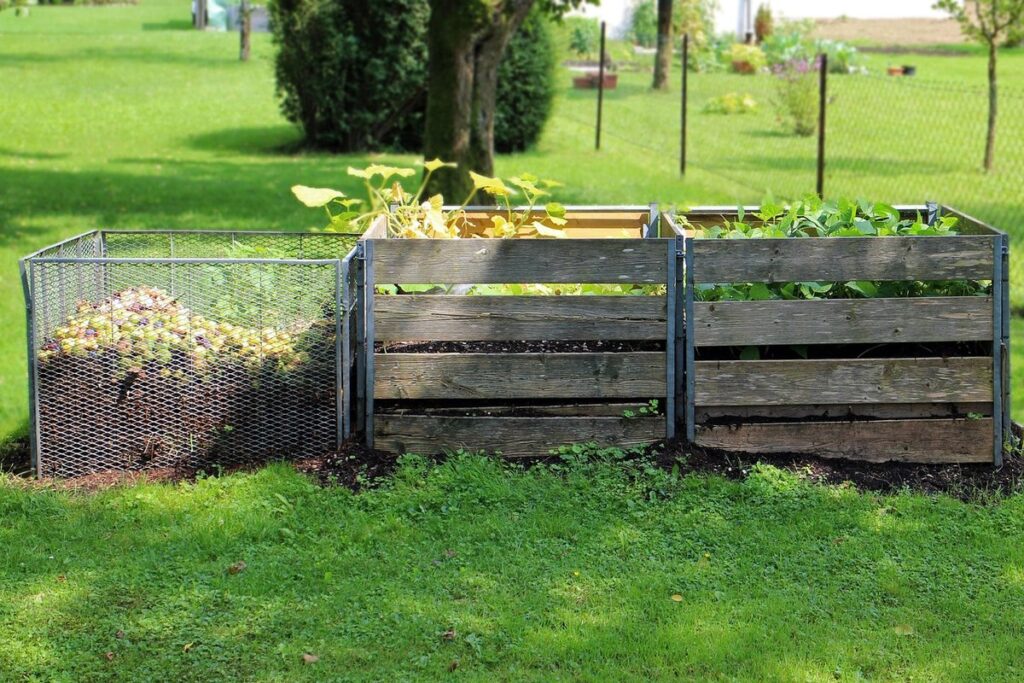
Understanding Ammonia Odor in Compost Bins
Ammonia smell in your compost bin is often a sign of nitrogen-rich materials breaking down too quickly. Let’s break down what’s causing this issue and how to fix it.
What Causes Ammonia Smell in Compost?
Ammonia smell in compost bins can be a frustrating problem to deal with. So, what’s behind this issue? To start with, it’s essential to understand that ammonia is a byproduct of the decomposition process. When nitrogen-rich materials like food scraps, grass clippings, or manure break down, they release ammonia gas.
This smell becomes more pronounced when there’s an imbalance of these nitrogen-rich materials in your compost bin. If you’re adding too many high-nitrogen ingredients without balancing them with sufficient carbon-rich materials like leaves, twigs, or shredded paper, it can lead to a buildup of ammonia. Additionally, excess moisture and inadequate aeration also contribute to the formation of ammonia smell.
Think of it like this: when nitrogen-rich materials break down quickly in an oxygen-poor environment, they release ammonia as a waste product. Similarly, if your compost bin is too wet or waterlogged, it can create an anaerobic environment that fosters the production of ammonia. So, to fix the issue, focus on maintaining the right balance of green and brown materials, ensuring adequate aeration through regular turning, and monitoring moisture levels.
The Role of Nitrogen-Rich Materials in Ammonia Odor
When you notice that your compost bin smells like ammonia, it’s often due to nitrogen-rich materials breaking down too quickly. These materials, such as meat, bones, and dairy products, are high in protein and contain a lot of nitrogen. As they decompose, they release ammonia gas into the air, creating an unpleasant odor.
To put this into perspective, consider that 1 pound of meat contains about 6-8% nitrogen by weight. When this nitrogen-rich material breaks down quickly, it can lead to a significant increase in ammonia production. This is why it’s essential to balance these nitrogen-rich materials with carbon-rich ones like leaves, straw, or shredded newspaper.
To mitigate the issue, make sure to add a mix of both types of materials to your compost bin. A general rule of thumb is to maintain a carbon-to-nitrogen ratio of 2:1 or 3:1 (carbon:nitrogen). This will help slow down the decomposition process and reduce ammonia production.
Importance of Moisture Levels in Compost Bins
Proper moisture levels are crucial for composting, but if you get it wrong, you’ll end up with a compost bin that smells like ammonia. Excess water can lead to anaerobic conditions, which means there’s not enough oxygen for the microorganisms to break down the organic matter. This results in the production of ammonia gas, causing that pungent smell.
So, what’s the ideal moisture range? Aim for a mix that’s similar to a damp sponge – not soaking wet, but definitely not dry either. The perfect balance is between 40-60% moisture content. To achieve this, you can add water in small increments and mix well after each addition. For example, if your compost bin is too dry, sprinkle some water over the pile and use a pitchfork to gently turn it.
Some common mistakes that lead to excess moisture include overwatering, not mixing the materials properly, or adding too many “green” ingredients like grass clippings or food scraps without balancing them with enough “brown” materials like dried leaves or shredded newspaper. To avoid these issues, make sure to balance your green and brown layers and regularly check the moisture levels to maintain a healthy compost pile.
Identifying Ammonia Odor Causes: A Compost Bin Checklist
To tackle your ammonia-scented compost bin, start by checking for common culprits like too much nitrogen-rich material and inadequate carbon balance. Let’s go through a checklist to identify the root cause!
Signs of Over-Nitrogen Levels in Compost Bins
When you notice an ammonia smell coming from your compost bin, it’s essential to identify if over-nitrogen levels are contributing to the issue. One common sign of excessive nitrogen is a slimy texture on the surface of the compost pile or in the bottom layer. This can be due to anaerobic conditions where microbes break down the organic matter too quickly, releasing excess ammonia.
Another indicator of over-nitrogen levels is strong odors emanating from the bin. If you notice a pungent smell that’s more like rotten eggs than earthy compost, it may indicate an imbalance in nitrogen-to-carbon ratios. This can attract pests like rodents and flies, as they’re drawn to the high nitrogen content.
To rectify this situation, reduce the amount of high-nitrogen materials like grass clippings or fresh manure going into your bin. Balance out these additions with carbon-rich materials such as dried leaves, shredded newspaper, or coconut coir. Regularly aerating the pile by turning it or using a pitchfork will also help to prevent anaerobic conditions from developing and reduce ammonia production.
Inspecting Your Compost Bin for Moisture and Aeration Issues
Regular inspections of your compost bin are crucial to prevent ammonia odor. When you notice that your compost is starting to smell like ammonia, it’s essential to check for moisture and aeration issues. Here’s what to look out for:
Moisture problems can lead to anaerobic conditions, where microorganisms thrive in the absence of oxygen, producing ammonia as a byproduct. Check if there are any waterlogged areas or if your compost is too wet. If so, you’ll need to add more brown materials like shredded newspaper or cardboard to balance out the mix.
On the other hand, under-aeration can also lead to ammonia odor. This often occurs when your compost bin has inadequate ventilation or is too compacted. Check for blockages in air vents and ensure there’s sufficient space between layers of food waste and other materials. If you find that your compost is too dense, use a pitchfork or shovel to loosen it up.
By monitoring moisture levels and ensuring proper aeration, you can prevent ammonia odor from taking over your compost bin.
Solutions to Fix Ammonia Smell in Compost Bins
Don’t worry, fixing ammonia smell in your compost bin is easier than you think! We’ve got some simple and effective solutions right here to get your compost back on track.
Adding Carbon-Rich Materials to Balance Nitrogen Levels
When dealing with an ammonia smell in your compost bin, one of the most effective solutions is to balance out the nitrogen levels by adding carbon-rich materials. This might seem counterintuitive, as we’re often taught that “green” or nitrogen-heavy materials like food scraps and grass clippings are essential for composting. However, without sufficient “brown” materials like leaves, straw, or shredded newspaper, these green ingredients can quickly turn into a stinky ammonia bomb.
To incorporate carbon-rich materials into your composting routine, start by collecting a mix of brown sources such as dried leaves, straw, or shredded newspaper. Aim for about 2/3 to 3/4 “brown” materials in your bin at all times, with the remaining 1/3 to 1/4 consisting of green materials like food scraps and grass clippings. This balance will help slow down the decomposition process and minimize ammonia production. For example, adding a few handfuls of dry leaves or shredded newspaper can make a big difference in reducing odors within a day or two.
Improving Aeration and Moisture Control
Improving airflow and maintaining optimal moisture levels are crucial for preventing ammonia buildup in compost bins. When materials like grass clippings and manure decompose, they release heat and create anaerobic conditions that foster the growth of ammonia-producing bacteria.
To improve aeration, regularly turn or “fluff” your compost pile to allow oxygen to penetrate deeper layers. You can also use tools like pitchforks or aerators to break up clumps and promote airflow. For example, try turning your compost every 7-10 days during hot summer months when decomposition accelerates rapidly.
Maintaining optimal moisture levels is equally important. A mix of dry and wet materials helps regulate temperature and prevents anaerobic conditions from developing. Aim for a consistency similar to a damp sponge, neither too soggy nor parched. Regularly inspect your compost pile and add dry leaves or shredded newspaper as needed to balance out excess moisture.
Remember, maintaining optimal airflow and moisture levels requires consistent effort. By incorporating these techniques into your regular composting routine, you can significantly reduce the likelihood of ammonia buildup and create a healthier compost environment.
Tips for Maintaining Ammonia-Free Compost Bins
Now that you’ve fixed your ammonia problem, let’s dive into some expert tips on how to maintain a fresh-smelling compost bin long-term. We’ll cover essential habits and practices to keep it odor-free forever.
Regular Maintenance Routine
Regular maintenance is crucial to preventing ammonia smell issues in your compost bin. To ensure your bin remains odor-free, set aside some time each week for a thorough inspection and routine maintenance.
Start by inspecting your compost bin’s contents. Look for signs of decomposition, such as earthy aromas or the presence of worms. Check the carbon-to-nitrogen ratio by examining the mix of “green” (nitrogen-rich) materials like food scraps and grass clippings alongside “brown” (carbon-rich) materials like dried leaves and shredded newspaper. Aim for a balance between these two types of materials.
Next, turn your compost bin’s contents to introduce oxygen and speed up decomposition. Use a pitchfork or shovel to gently mix the materials, working from the bottom up. This helps prevent anaerobic conditions that can lead to ammonia smells.
Monitor moisture levels by feeling the top layer of the compost pile. If it feels dry, add water; if it’s too wet, wait until it dries out slightly. Aim for a consistency like a damp sponge. Finally, check the temperature by inserting your hand into the pile or using a thermometer. Most compost piles reach temperatures between 130°F and 140°F, which indicates optimal decomposition. By following this simple routine, you’ll be well on your way to maintaining an ammonia-free compost bin.
Monitoring Temperature and pH Levels
Monitoring temperature and pH levels is crucial to maintaining optimal conditions in your compost bin. Temperature fluctuations can lead to anaerobic conditions, which are a breeding ground for ammonia-producing bacteria. To monitor temperature, use a thermometer specifically designed for composting, such as a digital or analog gauge. Insert the probe into the pile, making sure it’s not touching any metal parts, and take readings daily.
Aim for temperatures between 130°F to 140°F (54°C to 60°C), which is ideal for decomposition. If it rises above 160°F (71°C), it may indicate over-heating, while temperatures below 100°F (38°C) could mean under-processing. Regular temperature checks will help you balance the carbon-to-nitrogen ratio and prevent anaerobic conditions.
pH levels also play a significant role in composting. Use a pH tester to monitor the acidity or alkalinity of your pile. Aim for a pH between 6.0 and 7.5, which is suitable for most microorganisms. If the pH is too high (above 8) or too low (below 5), it can lead to an imbalance, causing ammonia odor. Regular pH checks will help you maintain optimal conditions and prevent potential problems.
Advanced Solutions for Severe Ammonia Odor Issues
If you’re struggling with severe ammonia odors from your compost bin, these advanced solutions will help you eliminate the smell and get back to composting successfully. From specialized filters to creative ventilation strategies.
Adding Beneficial Microorganisms or Compost Tea
In severe cases of ammonia smell, adding beneficial microorganisms can be a game-changer. These tiny critters break down organic matter and consume excess nitrogen, thereby reducing the pungent aroma. You can purchase beneficial microbes specifically designed for composting, such as Effective Microorganisms (EM) or Garden Safe Brand Compost Accelerator. Simply follow the instructions on the packaging to mix the microbes with water, then add it to your compost bin.
Another option is to brew a batch of compost tea, which is essentially a liquid solution made by steeping finished compost in water. This allows the beneficial microorganisms to release their goodness into the liquid, creating a potent inoculant that can be added to your compost bin. Compost tea has been shown to improve soil health and increase microbial diversity.
When introducing beneficial microbes or compost tea to your compost bin, start with small batches (about 1-2 cups per week) and monitor the effects on the odor level. This allows you to gauge whether the addition is having a positive impact without overwhelming the system. Also, ensure that you have a balance of carbon-rich materials (e.g., dried leaves, shredded newspaper) to offset the nitrogen-rich inputs like food scraps or grass clippings.
Enzyme-Based Solutions for Breaking Down Excess Nitrogen
If you’re dealing with severe ammonia odor issues in your compost bin, enzyme-based solutions can be a game-changer. These natural additives contain microorganisms that help break down excess nitrogen-rich materials, thereby reducing the smell.
The process is simple: enzymes are added to the compost bin and work their way through the materials, converting ammonia into carbon dioxide and water. This not only eliminates the odor but also reduces the risk of toxicity from excessive nitrogen levels.
When choosing an enzyme-based solution for your compost bin, consider products that contain beneficial microbes like Aspergillus terreus or Trichoderma harzianum. These microorganisms are specifically designed to tackle high-nitrogen waste and can be applied in small quantities (usually 1-2 ounces per cubic yard of compost).
Some popular enzyme-based solutions include Garden Safe Brand Compost Accelerator, E.B. Stone Organics Enzyme-Based Compost Starter, and Dr. Earth Organic Compost Tea Fertilizer. Always follow the manufacturer’s instructions for application rates and frequency to avoid over-dosing.
Enzyme-based solutions have been shown to be effective in reducing ammonia odor by up to 90% in just a few weeks. However, it’s essential to maintain proper composting practices, such as regular turning and adequate carbon-to-nitrogen ratios, to achieve optimal results.
Conclusion: Creating Ammonia-Free Compost Bins with Ease
Now that you’ve fixed your ammonia problem, let’s walk through the simple process of creating a new compost bin without any stinky surprises. We’ll cover essential tips for easy setup and maintenance.
Recap of Key Takeaways
To recap, we’ve covered several key points to help you fix ammonia smell issues in your compost bin. First and foremost, it’s essential to understand that ammonia smells are a natural byproduct of the composting process, but excessive levels can be hazardous.
We discussed the importance of balancing carbon-rich “brown” materials with nitrogen-rich “green” materials in your compost pile. This balance is crucial in preventing an overabundance of nitrogen, which can lead to ammonia production. To achieve this balance, aim for a mix of 2/3 brown materials (dried leaves, straw, shredded newspaper) and 1/3 green materials (fresh grass clippings, kitchen scraps).
We also touched on the role of moisture in controlling ammonia smells. Aim for a damp, not soggy, compost pile to prevent anaerobic conditions that can lead to ammonia production.
Lastly, we emphasized the importance of regular maintenance, including turning your compost pile regularly and adding bulking agents like straw or shredded newspaper to improve airflow.
By implementing these strategies, you’ll be well on your way to fixing ammonia smell issues in your compost bin and creating a healthy, thriving ecosystem for your plants.
Final Tips for Long-Term Success
As you near the end of your composting journey, it’s essential to remember that maintaining ammonia-free bins requires ongoing effort. By now, you’ve learned how to balance carbon-rich “brown” materials with nitrogen-rich “green” ones, aeration techniques, and troubleshooting common issues like overwatering or inadequate decomposition. To solidify your progress and ensure long-term success, consider the following final tips:
Regularly monitor moisture levels: Check your compost bin daily to prevent waterlogged conditions that foster ammonia production. Aim for a mix of dampness, similar to a moist sponge.
Keep adding brown materials: Continuously supply “brown” elements like dried leaves or shredded newspaper to maintain the ideal carbon-to-nitrogen ratio. This will help regulate decomposition and prevent excessive nitrogen buildup.
Rotate your compost piles seasonally: Periodically turning over your compost can ensure that all materials are exposed to oxygen, promoting healthy decomposition and minimizing ammonia smells.
By implementing these habits consistently, you’ll be well-equipped to maintain ammonia-free compost bins for years to come.
Frequently Asked Questions
How do I know if my compost bin needs aeration to reduce ammonia smell?
Aeration is crucial to prevent anaerobic conditions that lead to ammonia production. Check your compost bin for signs of anaerobic decay, such as mold growth or slimy texture. If you notice these symptoms, turn or mix the contents to improve airflow and speed up decomposition.
Can I use a compost tea to fix an ammonia smell in my bin?
Yes, adding beneficial microorganisms through compost tea can help balance your compost’s ecosystem and reduce ammonia production. However, it’s essential to address the underlying cause of the issue by monitoring moisture levels and ensuring adequate carbon-rich materials are added to counterbalance nitrogen-rich ingredients.
How often should I turn or mix my compost bin to prevent ammonia smell?
Regular turning or mixing (every 1-2 weeks) will help maintain aerobic conditions and prevent anaerobic decay. This frequency may vary depending on your specific climate, waste composition, and desired decomposition rate. Monitor your bin’s progress and adjust the turning schedule as needed.
What can I do if I notice ammonia smell even after following a balanced composting routine?
If you’ve implemented a balanced routine with adequate carbon-rich materials and regular mixing but still experience ammonia smell, it may be due to an underlying issue like excessive moisture or poor aeration. Inspect your bin’s moisture levels, ensure proper drainage, and consider adding beneficial microorganisms or enzyme-based solutions to help break down excess nitrogen.
How can I prevent ammonia smell from happening in the first place?
Prevention is key! Maintain a balanced composting routine with adequate carbon-rich materials (e.g., leaves, straw), regular mixing, and monitoring of moisture levels. Aim for a mix of 2/3 “brown” materials (dry, carbon-rich) to 1/3 “green” materials (wet, nitrogen-rich). This will create an optimal environment for decomposition, minimizing the risk of ammonia production.