
A soggy compost pile can be a real problem, causing nutrient loss, attracting pests, and creating unpleasant odors that drive you crazy. If your compost is too wet, it’s not only unappealing but also unhealthy for your garden. Excessive moisture can break down organic matter too quickly, leaving behind little to no usable nutrients for your plants.
In this article, we’ll tackle the issue of a wet compost pile head-on, providing expert tips on how to identify and troubleshoot the problem. We’ll cover the importance of balancing moisture levels in your compost pile, turning techniques to aerate and dry it out, and more. By the end of this post, you’ll have a better understanding of what’s going wrong with your compost and how to fix it, ensuring that your nutrient-rich garden is always thriving.
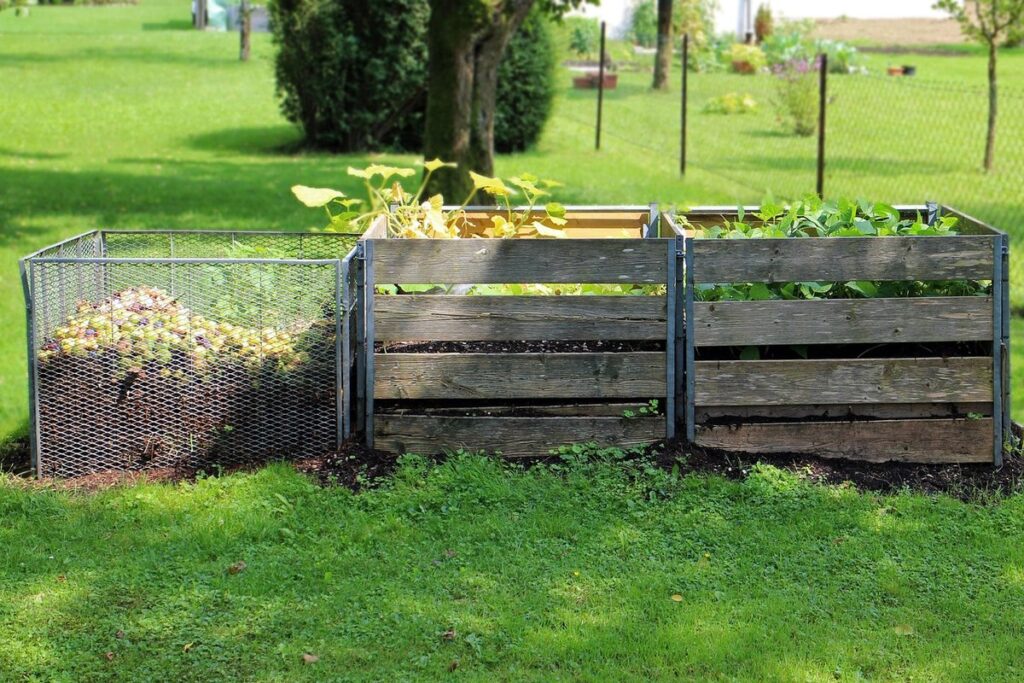
Understanding the Problem
Let’s dive into what might be causing your compost pile to become too wet, a common issue that can stall the decomposition process and lead to unpleasant odors.
Common Causes of a Wet Compost Pile
An overwatered compost pile is a recipe for disaster. When your compost pile is too wet, it creates anaerobic conditions – a perfect breeding ground for pests and odors. The excess moisture prevents oxygen from reaching the microorganisms that break down organic matter, causing them to suffocate and multiply uncontrollably.
This leads to an explosion of pest infestations, including rodents, raccoons, and even cockroaches. These unwanted critters thrive in the damp environment, feeding on the compost’s nutrient-rich goodness. Not only do they ruin your compost pile but also carry diseases that can spread to other areas of your garden.
As the anaerobic conditions worsen, unpleasant odors start to emanate from your compost pile. This is a clear sign that something has gone terribly wrong. To prevent this catastrophe, it’s essential to maintain the ideal moisture level in your compost pile – not too dry and not too wet. Aim for a mix that’s similar to a damp sponge, allowing microorganisms to breathe while keeping pests at bay.
To rectify an overwatered compost pile, you’ll need to balance its moisture levels. Start by turning it frequently to aerate the contents, followed by adding more brown materials like dry leaves or straw to absorb excess moisture. This will help restore oxygen flow and encourage beneficial microorganisms to thrive once again.
Signs of a Wet Compost Pile
A wet compost pile can be a real eyesore, not to mention a health hazard. One of the most obvious signs is excessive moisture, which can cause the pile to sag and even leak liquid. Check for sogginess by inserting your hand into the pile; if it feels waterlogged or squelches when you withdraw your hand, it’s definitely too wet.
Another visual indicator is mold growth – think slimy green patches or fuzzy white growths. This is not just unsightly; it can also indicate anaerobic (oxygen-free) conditions that lead to the production of methane and CO2. And then there’s the smell: a putrid, earthy odor that’s all too familiar to composters who’ve let their piles get out of hand.
If you notice any of these signs, it’s time to take action. Start by adding more brown materials (like dried leaves or straw) to balance out the moisture levels in your pile. This will help absorb excess water and introduce oxygen, which should kill off any mold growth.
Consequences of a Wet Compost Pile
A wet compost pile can be a breeding ground for pests and odors, threatening to ruin your entire gardening project. If not addressed promptly, these issues can have serious consequences for your garden’s health.
Nutrient Loss and Leaching
When excess water accumulates in your compost pile, it can lead to nutrient loss through leaching. This process occurs when water flows through the compost and carries away essential nutrients, reducing the effectiveness of the compost as a fertilizer. Leaching is particularly concerning because it can occur rapidly, especially during heavy rainfall or irrigation.
For instance, if you’re composting high-nitrogen materials like food scraps or manure, excess moisture can cause nitrogen to leach out of the pile, rendering it less effective for plant growth. To combat this issue, ensure your compost has adequate aeration and carbon-to-nitrogen ratios. Add bulking agents like straw or shredded newspaper to absorb excess water and slow down decomposition.
Regularly monitoring your compost pile’s moisture levels can help prevent leaching. Aim to maintain a moisture level between 40-60%. If you notice your pile is too wet, use the “squeeze test”: grab a handful of compost and squeeze it gently – if it sticks together but not excessively, it’s likely at the right moisture level.
Attracting Pests and Diseases
When a compost pile becomes too wet, it creates an ideal environment for pests and diseases to thrive. The excess moisture can attract unwanted visitors like rodents, raccoons, and even snakes, which can contaminate the compost with their waste and spread diseases.
Pests are drawn to the warmth and humidity of a wet compost pile, feeding on decaying organic matter and multiplying rapidly. This can lead to an infestation that compromises the quality of the compost, making it unusable for gardening purposes. Diseases like botrytis and phytophthora thrive in moist environments, causing root rot and other issues.
To prevent this from happening, it’s essential to maintain a balanced moisture level in your compost pile. This can be achieved by adding dry materials like straw or shredded newspaper, which help absorb excess water and improve airflow. Regular turning of the pile also helps to aerate it and speed up the decomposition process. By taking these steps, you can create an environment that discourages pests and diseases from developing, ensuring a high-quality compost for your garden.
Maintaining Proper Moisture Levels
Now that we’ve identified the issue, let’s dive into the key steps for maintaining proper moisture levels to prevent overwatering your compost pile. This includes adjusting how often you add water and monitoring the pile’s texture.
Adding Brown Materials for Absorption
When your compost pile is too wet, it’s likely due to an imbalance of green and brown materials. Green materials, such as food scraps and grass clippings, are high in nitrogen but low in carbon. Brown materials, on the other hand, like dried leaves or shredded newspaper, are high in carbon but low in nitrogen.
To balance out your wet compost pile, you need to add more brown materials. These will absorb excess moisture and help regulate the balance of oxygen levels within the pile. Think of it like a seesaw: green materials provide the nitrogen-rich fuel for decomposition, while brown materials provide the carbon-rich framework that helps stabilize the process.
Aim to add 2-3 times as much brown material as you do green material. For example, if you’ve added a bucket of grass clippings (green), follow it with two buckets of dried leaves or shredded newspaper (brown). This simple adjustment can make a huge difference in drying out your compost pile and getting the decomposition process back on track.
Monitoring Temperature and Turning Regularly
Maintaining optimal temperature within your compost pile is crucial for speeding up decomposition. When temperatures rise above 130°F (54°C), bacteria and other microorganisms thrive, breaking down organic matter efficiently. Conversely, a pile that’s too wet can lead to anaerobic conditions, resulting in temperatures below 100°F (38°C) – an environment where decomposition slows significantly.
To maintain optimal temperature, ensure your compost pile is at least three feet wide and three feet tall. This allows for adequate airflow and helps heat escape, reducing the risk of overheating. Regular turning also plays a vital role. Turn your compost every 7-10 days to redistribute materials, allowing oxygen to penetrate deeper layers. This simple act can make a substantial difference in decomposition rates.
Aim to turn your compost pile when it’s around two-thirds dry – not too wet or too dry. Avoid over-turning, as this can damage the beneficial microorganisms that thrive within the pile. By combining regular turning with maintaining optimal temperature conditions, you’ll significantly reduce the likelihood of a soggy compost pile and ensure your decomposition process stays on track.
Troubleshooting Common Issues
Now that you know the causes and consequences of a wet compost pile, let’s tackle some common issues that might be plaguing your pile right now.
Overwatering vs. Underwatering
When it comes to composting, finding the right balance between too much water and not enough is crucial. Overwatering and underwatering a compost pile have distinct consequences that can hinder the decomposition process.
Overwatering leads to anaerobic conditions, where microorganisms struggle to break down organic matter due to lack of oxygen. This results in unpleasant odors, mold growth, and potentially harming your garden ecosystem. Conversely, underwatering causes slow decomposition, reduced nutrient value in the finished compost, and may even lead to pest infestations.
To determine if you’re overwatering or underwatering, check the pile’s texture and moisture level. A well-balanced compost pile should feel damp but not soggy. If it’s too wet, add dry materials like straw or shredded newspaper. Conversely, if it’s too dry, sprinkle water gently around the pile.
Finding this balance requires observation and adjustment over time. Regularly inspect your compost pile to prevent either extreme, ensuring you create a nutrient-rich end product that benefits your garden.
Addressing Odors and Pests
A wet compost pile can become a breeding ground for unpleasant odors and pests. Unchecked, these issues can lead to further problems, such as the spread of disease and contamination. To address them effectively, it’s essential to understand their causes.
Odors often arise from anaerobic conditions within the compost pile, where decomposing materials break down without sufficient oxygen. This process produces volatile organic compounds (VOCs), which contribute to unpleasant smells. To mitigate this, aerate your compost by turning the pile regularly and ensuring good airflow.
Pests like rodents, flies, and ants may also be attracted to a wet compost pile, seeking food or shelter within its damp environment. Keep pests at bay by covering the pile with a physical barrier or using natural repellents like diatomaceous earth or cayenne pepper.
To balance moisture levels, maintain adequate carbon-to-nitrogen ratios in your compost materials and avoid overwatering. Regular monitoring of the pile’s temperature can help you determine if it has become too wet. By addressing odors and pests promptly, you can prevent more severe issues from developing within your compost pile.
Optimizing Your Composting Process
Now that you’ve identified and addressed the causes of a too-wet compost pile, let’s dive into optimizing your process to achieve perfect decomposition. This includes troubleshooting common issues and fine-tuning your techniques for success.
Choosing the Right Location
When selecting a location for your compost bin or pile, it’s essential to consider its impact on the composting process. A well-draining site can help prevent waterlogging issues that lead to a too-wet compost pile. Aim to place your compost bin in an area with good air circulation and sunlight. This allows excess moisture to evaporate, reducing the likelihood of water accumulation.
Ideally, choose a location with a slight incline to allow water to drain naturally. Avoid areas prone to flooding or where water tends to collect, such as low-lying spots near downspouts or sprinkler systems. When possible, position your compost bin near a south-facing wall or under an overhang to reduce rainwater exposure.
By placing your compost pile in a well-draining location, you can minimize the risk of waterlogging and associated issues like anaerobic conditions, unpleasant odors, and pest infestations. This simple yet crucial step will help you maintain a healthy and balanced composting process.
Implementing Efficient Turning Techniques
Regular turning is an essential practice when it comes to maintaining optimal moisture levels in your compost pile. By doing so, you’ll promote healthy decomposition and prevent anaerobic conditions that can lead to a soggy mess. When turning your compost, aim to do it every 7-10 days during the initial stages of decomposition.
As you turn, use a pitchfork or shovel to gently loosen the materials at the bottom of the pile, working your way up. This will help to distribute heat and oxygen throughout the pile, speeding up the decomposition process. Don’t forget to mix in some brown materials like dry leaves or shredded newspaper to balance out the moisture levels.
Consider implementing other efficient turning techniques, such as ‘wet-to-dry’ turning. Start by lifting the wetter side of the pile and placing it on top of a dry section, allowing excess water to drain off before mixing everything together. This will help to maintain optimal moisture levels and prevent soggy conditions from developing.
Frequently Asked Questions
How do I know if I’ve added too many brown materials to my compost pile?
If you’re unsure whether your compost pile is too dry or just needs more brown materials, look for a consistency similar to damp soil. If it’s too dry, add a small amount of green materials like food scraps or grass clippings. Conversely, if it’s too wet, add more brown materials like dried leaves or shredded newspaper.
Can I still compost during the winter months when it’s cold outside?
Yes. While microorganisms may slow down in colder temperatures, you can still compost year-round. To do so, create a windbreak to protect your compost pile from harsh winds and ensure adequate moisture levels by covering the top with a layer of brown materials.
How often should I turn my compost pile to maintain proper aeration?
The frequency of turning depends on several factors, including the size of your compost pile, its location, and the climate. As a general rule, aim for at least 2-3 times per week during warm months when decomposition is active.
What’s the ideal moisture level in my compost pile?
Aim for a consistency similar to damp soil or a well-wrung-out sponge. This allows oxygen to penetrate while preventing anaerobic conditions that can lead to pest infestations and unpleasant odors.
How do I address stubborn odor issues in my compost pile?
First, ensure your compost pile has sufficient aeration by turning it regularly. If the issue persists, add more brown materials like dried leaves or straw to absorb excess moisture and neutralize any strong smells. Finally, consider implementing a 1:1 ratio of green to brown materials for better nutrient balance.