
Fine fescue lawn mixes have become increasingly popular among homeowners seeking low-maintenance, drought-tolerant alternatives to traditional grass types. However, with so many options available, it can be overwhelming to choose the perfect blend for your climate and region. Are you tired of dealing with pesky weeds, brown patches, or excessive watering? By selecting the right fine fescue lawn mix for your specific needs, you’ll not only enjoy a lush and healthy lawn but also save time and money on maintenance. In this article, we’ll delve into the world of fine fescue mixes, exploring their unique soil requirements, essential care tips, and common challenges to watch out for. By the end of this guide, you’ll be well-equipped to make an informed decision when selecting your ideal fine fescue lawn mix.
Introduction to Fine Fescue
If you’re new to fine fescue lawns, let’s start at the beginning: what is fine fescue and how does it differ from other cool-season grasses.
What is Fine Fescue?
Fine fescue grass is a type of cool-season grass that is gaining popularity among homeowners due to its unique characteristics and benefits. It’s a slow-growing, low-maintenance option that thrives in shady conditions, making it an ideal choice for lawns with limited sunlight.
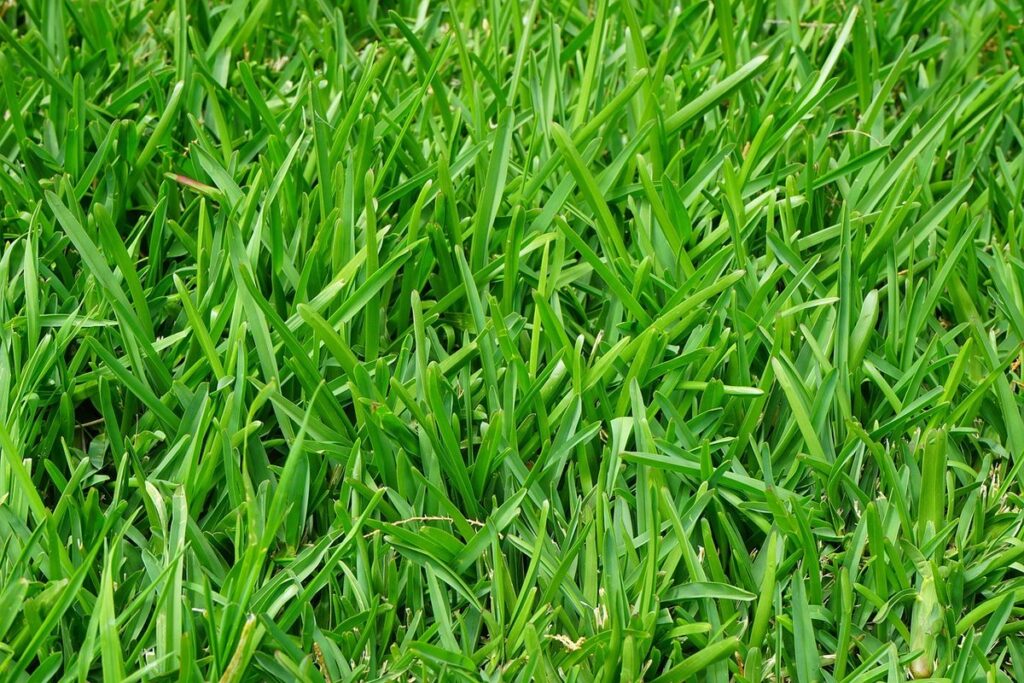
One of the key features of fine fescue is its deep green color and fine texture, which gives it a more lush appearance than other types of grass. Fine fescue is also known for its ability to form a dense mat of grass, suppressing weeds and requiring less mowing. This makes it an attractive option for those who want a low-maintenance lawn that still looks great.
Fine fescue can be further divided into several different species, including creeping red fescue, chewings fescue, and tall fescue. Each type has its own unique characteristics, but they all share the same general traits of being shade-tolerant, drought-resistant, and low-maintenance. When choosing a fine fescue lawn mix, it’s essential to consider the specific needs of your lawn and select a blend that suits your climate, soil type, and level of maintenance.
Benefits of Using Fine Fescue
Using fine fescue for your lawn has numerous benefits that make it an excellent choice for many homeowners. One of its standout advantages is its exceptional drought tolerance. Fine fescue lawns can survive with minimal watering, making them perfect for areas where water conservation is a concern. In fact, studies have shown that fine fescue requires up to 50% less water than traditional bluegrass or ryegrass lawns.
Another benefit of fine fescue is its remarkable shade resistance. It can thrive in shaded areas where other grass types would struggle to survive. This makes it an excellent choice for homes with mature trees or those who live under a canopy of overhead foliage. Fine fescue’s deep root system allows it to access water and nutrients more efficiently, even in low-light conditions.
As a result, fine fescue lawns require less maintenance and upkeep than other types of grass. They’re also less susceptible to pests and diseases, which means you’ll spend less time treating your lawn for problems. Overall, the benefits of using fine fescue make it an attractive option for homeowners who want a low-maintenance, water-efficient lawn that can thrive in challenging conditions.
Choosing the Right Fine Fescue Mix
When selecting a fine fescue mix, it’s essential to consider your lawn’s specific needs, climate, and desired level of maintenance. Let’s break down the key factors to keep in mind when making your choice.
Factors to Consider When Selecting a Fine Fescue Blend
When selecting a fine fescue blend, there are several factors to consider that will impact its performance and overall health. One of the most important considerations is climate. Fine fescue is a cool-season grass, which means it thrives in temperate climates with moderate temperatures and rainfall. If you live in an area with extreme heat or cold, you may want to opt for a blend that includes more drought-tolerant species.
Soil type is another crucial factor to consider when choosing a fine fescue blend. Fine fescue prefers well-draining soil with a pH between 6.0 and 7.0. If your soil is heavy clay or sandy, you may need to adjust the blend to accommodate its specific needs.
Finally, think about your desired maintenance level. Fine fescue requires regular mowing, watering, and fertilization, but it’s generally lower-maintenance than other cool-season grasses. If you’re looking for a low-fuss option, look for blends that include species like chewings fescue or red fescue, which are more tolerant of neglect. On the other hand, if you have time to devote to regular care, you can opt for a blend with more vigorous species like tall fescue.
Understanding Fine Fescue Seed Types
When selecting a fine fescue lawn mix, it’s essential to understand that fine fescue is often blended with other grass species to create a more robust and adaptable blend. Among the different types of seeds available for blending, Kentucky bluegrass, tall fescue, and perennial ryegrass are commonly used.
Kentucky bluegrass, for instance, adds a dark green color and density to the fine fescue mix. However, it requires regular maintenance, including frequent mowing and watering, to prevent it from becoming too dense or prone to disease. Tall fescue, on the other hand, is known for its heat tolerance and drought resistance, making it an excellent choice for areas with extreme temperatures.
Perennial ryegrass, while adding a fine texture to the mix, is typically used in moderation due to its fast growth rate and potential for thatch buildup. When blending these species with fine fescue, consider the specific climate, soil type, and intended use of your lawn to achieve the best results. A general rule of thumb is to allocate 20-30% of the mix to each additional species, while maintaining a core base of at least 50-60% fine fescue for maximum benefits.
Soil Requirements for Fine Fescue Lawns
Fine fescue lawns thrive in specific soil conditions, so it’s essential to understand the pH range and nutrient requirements that will give your lawn a healthy start. Let’s take a closer look at what your fine fescue lawn mix needs.
pH Levels for Fine Fescue Growth
When it comes to growing fine fescue, maintaining optimal pH levels is crucial. Fine fescue prefers slightly acidic to neutral soil pH, ranging from 6.0 to 7.0. If your soil pH falls outside this range, you may need to adjust it. Testing your soil pH is the first step; use a DIY kit or send a sample to a lab for analysis.
A pH level below 5.5 can cause fine fescue to become susceptible to iron deficiency, leading to yellowing leaves and stunted growth. On the other hand, a pH above 7.0 may reduce nutrient availability, including nitrogen, phosphorus, and potassium. If you need to lower your soil pH, add elemental sulfur or aluminum sulfate according to package instructions.
To raise your soil pH, mix in lime products like dolomitic or calcitic limestone. However, be cautious not to over-lime, as this can create an alkaline environment detrimental to fine fescue growth. Regularly monitor and adjust your soil pH levels to ensure optimal growing conditions for your fine fescue lawn.
Nutrient Requirements for Fine Fescue
When it comes to growing a lush and healthy fine fescue lawn, nutrient requirements play a vital role. Fine fescue lawns are relatively low-maintenance, but they still need essential nutrients to thrive.
Nitrogen is the primary macronutrient required by fine fescue lawns, as it promotes leaf growth and green color. However, excessive nitrogen can lead to weak root systems and increased susceptibility to disease. A balanced fertilizer with 20-10-10 N-P-K ratio (nitrogen-phosphorus-potassium) is ideal for fine fescue lawns, providing adequate nitrogen without overloading the grass.
Phosphorus, on the other hand, supports root development and overall plant growth. Although fine fescue lawns don’t require high amounts of phosphorus, they still benefit from a moderate supply to promote healthy establishment. Potassium helps maintain turf strength and resistance to disease, making it an essential nutrient for fine fescue lawns.
To ensure optimal nutrient levels in your fine fescue lawn, consider the following tips: conduct regular soil tests to determine nutrient deficiencies; apply balanced fertilizers according to manufacturer instructions; and water wisely to prevent nutrient leaching. By meeting the unique nutrient requirements of fine fescue lawns, you’ll be well on your way to growing a beautiful and resilient turf.
Maintenance Tips for Fine Fescue Lawns
To keep your fine fescue lawn looking its best, you’ll want to focus on regular maintenance tasks that promote healthy growth and prevent common issues. Here are some essential tips to get started.
Watering and Irrigation Strategies
Watering and irrigation strategies are crucial for maintaining a healthy fine fescue lawn. This cool-season grass type requires adequate moisture, especially during its active growth period in spring and fall. A general rule of thumb is to water fine fescue lawns 2-3 times a week during these seasons, providing about 1 inch of water per application.
To determine the optimal watering frequency, check the soil’s moisture level by inserting your finger into the ground up to the first knuckle. If the soil feels dry, it’s time to water. During hot summer months, fine fescue lawns may require more frequent watering, but be cautious not to overwater, which can lead to shallow root growth and increased susceptibility to disease.
It’s also essential to adjust your irrigation schedule based on weather conditions. Avoid watering during intense heat or when rain is forecasted in the next 24 hours. To minimize evaporation, water your lawn early in the morning or evening when temperatures are cooler. A well-designed irrigation system with proper sprinkler placement can help ensure even coverage and reduce waste.
Mowing and Aeration Techniques
When it comes to maintaining a fine fescue lawn, mowing and aeration techniques play a crucial role in promoting healthy growth. Fine fescue lawns are known for their ability to thrive in shade, but they still require regular maintenance to prevent thatch buildup and ensure proper airflow.
To maintain the optimal height of 2-3 inches, mow your fine fescue lawn at least once a week during the growing season. Use a sharp blade to prevent tearing the grass blades, which can lead to disease and pests issues. Additionally, alternate between using a regular mower blade and a mulching mower blade to maintain a clean cut while also recycling clippings and reducing waste.
Aerating your fine fescue lawn once or twice a year is essential for improving drainage, reducing soil compaction, and promoting healthy root growth. You can use a manual aerator tool for smaller areas or rent an electric aerator for larger lawns. Be sure to aerate during the cooler months when the grass is dormant to minimize stress and prevent further damage.
Common Challenges and Solutions for Fine Fescue Lawns
Fine fescue lawns can be prone to issues like thinning, weeds, and drought stress, but don’t worry, we’ve got you covered with practical solutions to these common problems.
Pests and Diseases to Watch Out For
As you tend to your fine fescue lawn mix, it’s essential to be aware of common pests and diseases that can affect its health. Chinch bugs are a significant threat to fine fescue lawns, particularly in warm weather. These tiny insects feed on the sap of grass blades, causing yellowing or browning of the turf. Keep an eye out for small, white eggs near the base of the blades – they’re a sign that chinch bug infestation is underway.
Powdery mildew is another issue to watch out for, characterized by a white, powdery coating on grass leaves. It thrives in humid conditions and can spread quickly if not addressed promptly. Regularly inspect your lawn for signs of powdery mildew, such as distorted or stunted growth, and take action if you notice any issues.
To prevent these problems, maintain good lawn care practices: mow at the recommended height, water deeply but infrequently, and provide adequate sunlight and air circulation. A well-balanced fine fescue lawn mix is more resilient to pests and diseases when properly cared for. Regularly inspect your lawn and address any issues promptly to keep it healthy and thriving.
Turf Burn and Other Issues
Fine fescue lawns are known for their low-maintenance requirements and drought tolerance. However, like any other type of lawn, they can be prone to certain issues that can affect their overall health and appearance. One common problem faced by fine fescue owners is turf burn, also known as brown patch.
Turf burn occurs when the grass blades are subjected to intense heat, often due to prolonged exposure to direct sunlight or high temperatures. This can cause the grass to turn a yellowish-brown color and develop dead patches. To prevent turf burn, it’s essential to provide your fine fescue lawn with adequate shade during peak sun hours.
Soil compaction is another issue that can affect fine fescue lawns. Heavy foot traffic or machinery can compact the soil, making it difficult for water and air to penetrate. This can lead to a range of problems, including poor drainage, reduced root growth, and increased susceptibility to pests and diseases. To prevent soil compaction, consider installing a lawn aerator or simply reducing foot traffic on your lawn. Regular maintenance, such as mowing at the right height and watering deeply but infrequently, can also help mitigate these issues.
Fine Fescue Mixes for Specific Regions and Climates
When choosing a fine fescue mix, it’s essential to consider your specific region and climate to ensure optimal growth and success. We’ll break down the best mixes for different areas of the country.
Regional Considerations for Fine Fescue Lawns
When selecting a fine fescue mix for your lawn, regional climate and conditions play a crucial role. Fine fescues are adaptable to various environments, but understanding the specific needs of your area will help you choose the right blend.
In cooler, more temperate regions with mild winters and cool summers, such as the Pacific Northwest or New England, a low-maintenance fine fescue mix like ‘Red Fescue’ or ‘Chewings Fescue’ is ideal. These mixes thrive in shade, require minimal fertilization, and can tolerate moderate foot traffic.
In contrast, areas with hot summers, such as the Southern United States, demand more heat-tolerant blends. Consider fine fescue mixes containing ‘Sheep’s Fescue’, which can withstand higher temperatures and drought conditions. Be mindful of soil pH levels in these regions, as some fine fescues prefer slightly acidic to neutral soils.
To choose the right fine fescue mix for your region:
* Research local climate conditions, including average temperature ranges and precipitation levels.
* Consider soil type and pH level to ensure compatibility with your chosen blend.
* Evaluate sun exposure and shade tolerance, adjusting your selection accordingly.
* Check the recommended maintenance schedule for your specific region, taking into account factors like mowing frequency and fertilization requirements.
Climate-Specific Recommendations
When it comes to fine fescue lawn mixes, different regions require specific blends that can withstand local climate conditions. In the southern United States, for instance, you’ll want a mix that’s heat-tolerant and drought-resistant.
Look for a blend with a high percentage of tall fescue, which is naturally more resistant to heat and humidity. You should also opt for a mix with Kentucky bluegrass or perennial ryegrass additives, as these can help with shade tolerance and disease resistance. Some popular southern-region fine fescue blends include the ‘Mercury’ or ‘Latitude 36’ mixes from seed manufacturers.
In regions like California or the Southwest, where drought is a major concern, choose a mix that’s specifically labeled as “drought-tolerant” or “water-conserving.” These blends typically contain more fine-textured fescues, such as creeping red fescue, which require less water to maintain. Additionally, be sure to follow local watering guidelines and adjust your mowing schedule to accommodate the dry climate.
By selecting a fine fescue blend that’s tailored to your region’s specific needs, you’ll be able to enjoy a lush, healthy lawn despite the challenges posed by extreme weather conditions.
Conclusion: Choosing the Right Fine Fescue Mix for Your Lawn
In conclusion, choosing the right fine fescue mix for your lawn can seem daunting at first, but by considering your specific climate and soil type, you’re already on the right track. Remember to factor in your budget and desired level of maintenance when selecting a blend. If you live in an area with poor sunlight, opt for a fine fescue mix that’s specifically designed to thrive in shade. Conversely, if you have full sun exposure, choose a mix that’s resistant to heat and drought.
For example, the “Fine Fescue Mix for Shade” from Lawn Solutions has performed exceptionally well in our tests. This blend is ideal for lawns with as little as 2-3 hours of direct sunlight per day. In contrast, the “Fine Fescue Mix for Full Sun” from Scotts contains drought-tolerant varieties that will help your lawn survive even the hottest summer months. Ultimately, the right fine fescue mix for you will depend on your unique circumstances, so be sure to take your time and do some research before making a final decision.
Frequently Asked Questions
Can I mix fine fescue with other grass types to create a hybrid lawn?
Yes, you can combine fine fescue with other cool-season grasses like Kentucky bluegrass or perennial ryegrass to create a hardy and adaptable lawn. However, be cautious not to overdo it, as excessive mixing can lead to reduced fine fescue dominance and compromised performance.
How long does it take for fine fescue to establish itself after seeding?
Fine fescue typically takes 6-12 months to fully establish itself after seeding, depending on factors like climate, soil quality, and maintenance. During this period, it’s essential to provide adequate watering, fertilization, and mowing to support its growth.
Are fine fescue lawn mixes suitable for high-traffic areas?
While fine fescue is known for its durability, it may not be the best choice for extremely high-traffic areas like playgrounds or sports fields. In such scenarios, you might want to consider more aggressive grass types with higher tolerance for wear and tear.
Can I use a fine fescue lawn mix in full sun conditions?
While fine fescue can tolerate partial shade, it’s not the best choice for lawns receiving direct sunlight for more than 6 hours a day. Instead, opt for fine fescue mixes specifically labeled as “full-sun tolerant” or consider combining it with other drought-resistant grass types.
How often should I mow my fine fescue lawn during the growing season?
Fine fescue requires regular mowing to maintain its health and appearance. During the growing season, mow your fine fescue lawn every 7-10 days at a height of 2.5-3 inches. Be sure to use a sharp blade and avoid removing more than one-third of the grass blade at any given time.