
Are you tired of maintaining a high-maintenance lawn? Look no further than fine fescue, one of the most sustainable and low-fuss options available. As homeowners become increasingly aware of the environmental impact of their lawns, fine fescue is gaining popularity for its eco-friendly benefits. But what exactly makes fine fescue so special? In this ultimate guide, we’ll delve into the characteristics, benefits, and best practices for planting and maintaining a healthy fine fescue lawn. From troubleshooting common issues to learning how to choose the right type of fine fescue for your climate, we’ve got you covered. Whether you’re a seasoned gardener or just starting out, this article will equip you with everything you need to know about achieving a lush, sustainable fine fescue lawn that requires minimal upkeep and care.
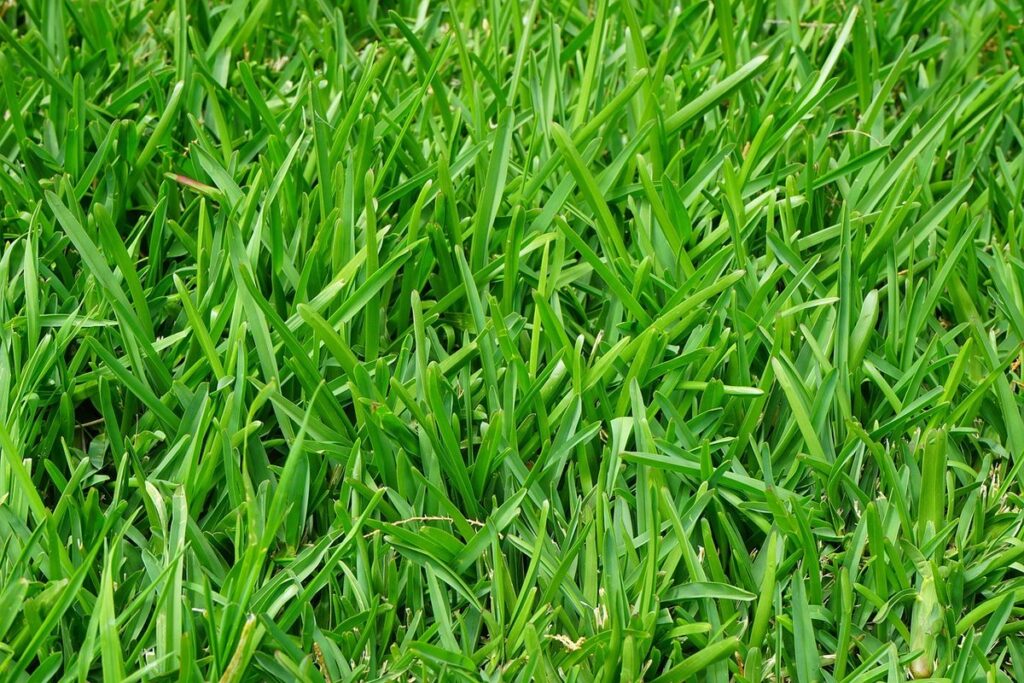
What is Fine Fescue?
Fine fescue lawns are a popular choice for homeowners, but what exactly makes them so great? In this section, we’ll explore the unique characteristics that set fine fescue apart from other types of grass.
Overview of Fine Fescue Grass Type
Fine fescue is one of the most popular and sought-after cool-season grass types due to its numerous benefits and low maintenance requirements. This adaptable lawn type thrives in a wide range of conditions, including partial shade, making it an ideal choice for areas with limited sunlight.
One of the key advantages of fine fescue is its ability to survive with minimal watering and mowing needs. Its deep root system allows it to draw moisture from the soil, reducing the need for frequent irrigation. This also means that homeowners can enjoy a lush lawn without breaking their backs over tedious maintenance tasks.
Fine fescue lawns are also remarkably resilient to wear and tear. They can handle heavy foot traffic with ease, making them perfect for families or pet owners who want to spend quality time outdoors. In fact, fine fescue has been known to thrive in areas with moderate shade, outperforming other grass types that may struggle in similar conditions.
Fine fescue’s versatility also extends to its ability to grow well on a variety of soil types and pH levels, from acidic to alkaline. This flexibility makes it an excellent choice for homeowners who want a hassle-free lawn experience without worrying about specific soil requirements.
History and Origins of Fine Fescue
Fine fescue has its roots in Europe and Asia, where it was first cultivated as a low-maintenance alternative to other cool-season grasses. Its popularity soon spread to North America, where it thrives in the temperate climates of regions like the Pacific Northwest. In fact, fine fescue is one of the most widely used cool-season grasses on the West Coast, where its shade tolerance and drought resistance make it an attractive choice for homeowners.
Fine fescue is classified as a cool-season grass, meaning it grows best in temperatures between 65°F and 75°F (18°C and 24°C). It’s also known for its ability to survive with minimal watering and mowing. This makes it an excellent option for environmentally conscious gardeners who want to reduce their water consumption and carbon footprint.
In terms of classification, fine fescue is often grouped into three main categories: creeping red fescue, Chewings fescue, and tall fescue. Each type has its unique characteristics and growth habits, but all share the same benefits that have made fine fescue a favorite among lawn enthusiasts.
Key Features and Benefits
Fine fescue lawns offer an array of unique features and benefits that make them an attractive choice for homeowners. For one, fine fescue is renowned for its exceptional drought tolerance. This means you can enjoy a lush green lawn even during the driest summer months without breaking the bank on frequent watering sessions.
In addition to its water-saving prowess, fine fescue also boasts impressive disease resistance capabilities. Unlike other types of grass that are susceptible to fungal diseases and pests, fine fescue’s robust root system makes it more resilient against these common issues. This reduces the need for chemical treatments and allows you to maintain a healthy lawn without compromising on safety.
Another significant advantage of fine fescue is its ability to thrive in poor soil conditions. Its deep roots allow it to access essential nutrients, making it an excellent choice for lawns with subpar soil quality. Plus, fine fescue requires minimal maintenance, including less mowing and fertilization needs. This makes it a perfect solution for busy homeowners or those on a tight budget.
Choosing the Right Fine Fescue for Your Lawn
When selecting a fine fescue grass, you’ll need to consider factors such as climate, soil type, and intended use of your lawn. This will help you choose the best option for your unique needs.
Factors to Consider When Selecting a Fine Fescue Variety
When selecting a fine fescue variety for your lawn, there are several key factors to consider. Climate is a crucial factor, as different varieties of fine fescue perform better in various temperature and precipitation conditions. For example, ‘Red Fescue’ performs exceptionally well in cooler climates with mild winters and cool summers, while ‘Sheep’s Fescue’ excels in warmer temperatures.
Soil type is another essential consideration. Fine fescue prefers well-drained soils with a slightly acidic pH, but it can tolerate a wide range of soil conditions. However, if your lawn has heavy clay or sandy soils, you may want to choose a variety that’s more tolerant of these conditions. Intended use also plays a significant role in selecting the right fine fescue variety. If you’re looking for a low-maintenance option, ‘Chewings Fescue’ is an excellent choice due to its ability to tolerate drought and wear.
Ultimately, it’s essential to choose a fine fescue variety that suits your specific climate, soil type, and lawn needs to ensure optimal performance and health. Research different varieties and consult with local nurseries or gardening experts to determine the best option for your area.
Popular Fine Fescue Varieties for Different Regions
When it comes to choosing the right fine fescue variety for your lawn, region plays a significant role. Different parts of the country have varying climate conditions, soil types, and moisture levels that can affect the performance and appearance of your fine fescue lawn.
One popular variety suitable for cooler regions is ‘Boulder’ fine fescue. This cool-season grass thrives in areas with moderate temperatures and adequate rainfall. It’s an excellent choice for lawns in the Pacific Northwest or Northeast, where winters are cold and summers are mild. ‘Boulder’ fine fescue has a deep root system, making it more drought-tolerant than other varieties.
For warmer regions, consider ‘Blackjack’ fine fescue. This variety is more heat-tolerant and can handle higher temperatures than ‘Boulder’. It’s an ideal choice for lawns in the Southwest or Texas, where summers are hot and dry. However, it may require more watering and maintenance to keep it looking its best.
Lastly, ‘Shenandoah’ fine fescue is a versatile variety suitable for both cooler and warmer regions. It has a moderate growth rate and can handle a wide range of soil types and moisture levels. This makes it an excellent choice for lawns in transition zones or areas with unpredictable weather patterns.
Tips for Selecting a Fine Fescue Seed or Sod Mix
When selecting a fine fescue seed or sod mix, it’s essential to consider several factors to ensure you choose the right product for your lawn. First, think about the climate and soil conditions in your area. Fine fescues are ideal for cooler climates with well-draining soils. If you live in an area with heavy rainfall or poor drainage, look for a fine fescue mix that’s specifically designed to handle these conditions.
Another crucial factor is the intended use of your lawn. If you plan on using your lawn for sports or heavy foot traffic, choose a seed or sod mix with a higher density rating. For example, some fine fescue mixes are designed specifically for golf courses or high-traffic areas.
When shopping for fine fescue seeds or sods, also consider the type of fine fescue you want to grow. There are several varieties, including creeping red fescue, chewings fescue, and tall fescue. Each has its own unique characteristics and benefits. By considering these factors, you can select a high-quality fine fescue seed or sod mix that will thrive in your specific environment.
Look for mixes that have been certified by organizations such as the National Turfgrass Federation (NTF) or the Golf Course Superintendents Association of America (GCSAA). These certifications ensure that the product meets certain standards for quality and performance.
Planting and Establishing a Fine Fescue Lawn
To get your fine fescue lawn off to a great start, you’ll want to learn how to plant and establish it properly. This section will walk you through those crucial first steps.
Preparing the Soil for Fine Fescue Establishment
Fine fescue lawns thrive in well-prepared soil, so it’s essential to test and amend your soil before establishing a fine fescue lawn. Testing your soil helps you understand its pH level, nutrient content, and texture, which are crucial for optimal growth.
To start, purchase a soil testing kit or send a sample to a lab for analysis. The results will indicate if your soil is acidic, alkaline, or neutral. Fine fescue prefers slightly acidic to neutral soil with a pH between 6.0 and 7.0. Based on the test results, you may need to amend your soil.
If your soil lacks essential nutrients like nitrogen, phosphorus, or potassium, add organic matter such as compost or manure. Mix it into the top 8-10 inches of soil to improve its structure and fertility. You can also use lime to adjust the pH if necessary. For example, adding dolomitic limestone will help raise the pH and provide calcium.
It’s also vital to consider your soil’s texture. Fine fescue prefers well-draining, slightly sandy loam soils that allow for proper aeration. If your soil is heavy clay or sandy, mix in compost or topsoil to create a more balanced composition.
Best Practices for Seeding or Sodding a Fine Fescue Lawn
When seeding or sodding a fine fescue lawn, it’s essential to get the process right from the start. This will ensure that your new lawn establishes itself quickly and becomes a lush, vibrant addition to your outdoor space.
To begin with, determine the correct seeding rate for your specific region and climate. Fine fescue lawns typically require between 1-2 pounds of seed per 1,000 square feet. Sow the seeds at the correct depth, usually about 1/8 inch, and rake them in gently to ensure good contact with the soil.
Timing is also crucial when it comes to seeding or sodding your fine fescue lawn. Spring and fall are ideal seasons for planting, as the weather is typically cooler and rainfall is more consistent. Avoid seeding during extreme heat or drought conditions, as this can lead to poor germination rates and an increased risk of disease.
Aftercare is just as important as proper seeding or sodding techniques. Keep your new lawn consistently moist, but avoid overwatering, which can lead to shallow roots and a higher susceptibility to disease. Maintain a mowing height of 2.5-3 inches and fertilize lightly during the first growing season to promote healthy establishment.
Common Challenges During Fine Fescue Establishment
Establishing a fine fescue lawn can be a bit more challenging than other types of turf. One common issue is poor soil preparation, which can lead to an uneven growth rate and increased susceptibility to disease. This is often due to inadequate loosening or removal of existing vegetation.
Another challenge is achieving proper establishment density through seeding or sodding. Fine fescue is a slow-growing species that requires patience and careful planning. It’s essential to ensure adequate soil moisture during the first few weeks after planting, as this will help establish a strong root system.
Furthermore, fine fescue lawns can be more prone to thinning in areas with heavy foot traffic or where there are existing weed populations. Regular maintenance practices such as mowing, fertilization, and aerating should also be implemented on time. By addressing these challenges proactively, you can help ensure a healthy and thriving fine fescue lawn.
For example, if your soil is particularly dense, consider using a tiller to loosen it before planting. This will give the new seeds or sod a better chance at establishing themselves properly. Additionally, make sure to maintain an optimal mowing height of 2-3 inches to promote deep root growth and reduce the likelihood of disease issues.
Maintaining a Healthy Fine Fescue Lawn
To keep your fine fescue lawn looking its best, it’s essential to maintain proper mowing, watering, and fertilizing habits that cater specifically to this unique grass type. Proper care will ensure a lush and healthy appearance year-round.
Mowing and Watering Requirements
Fine fescue lawns require regular maintenance to stay healthy and looking their best. When it comes to mowing and watering, there are specific guidelines you should follow to ensure your lawn receives the right amount of care.
When mowing your fine fescue lawn, keep in mind that this type of grass prefers a higher mowing height than some other types of turf. For fine fescue, aim for an mowing height of 2.5-3 inches throughout the growing season. This allows the grass blades to absorb sunlight and water more efficiently, promoting healthy growth.
It’s also essential to maintain a regular watering schedule. Fine fescue lawns prefer about 1 inch of water per week, either from rainfall or irrigation. Water deeply but infrequently to encourage deep root growth, which helps your lawn withstand drought conditions better. Aim for once or twice a week during hot summer months and reduce watering to once a month in cooler seasons.
By following these mowing and watering guidelines, you can keep your fine fescue lawn looking lush and vibrant all year round.
Fertilization and Pest Management Strategies
Fine fescue lawns require regular fertilization and pest management to maintain their lush green appearance. When it comes to fertilizing, a balanced mix of nitrogen (N), phosphorus (P), and potassium (K) is essential for healthy growth. A 5-10-10 N-P-K ratio is recommended for fine fescue lawns. Apply fertilizer in the spring and fall, avoiding high-nitrogen products that can promote weak, disease-prone growth.
Aeration is another crucial aspect of maintaining a healthy fine fescue lawn. This process involves removing small plugs of soil to improve air, water, and nutrient circulation. Aim for an annual aeration session during the growing season, typically in late spring or early summer. Regular mowing at the right height (2.5-3 inches) also helps promote root growth and reduce thatch buildup.
Controlling pests is vital to prevent damage to your fine fescue lawn. Common problems include white grubs, chinch bugs, and billbugs. Use integrated pest management techniques, such as hand-picking weeds, applying insecticidal soap or neem oil, and introducing beneficial insects like lady beetles or lacewings. Monitor your lawn regularly to catch issues early and take action promptly.
Tips for Reducing Weed Pressure in Fine Fescue Lawns
Reducing weed pressure is crucial for maintaining a healthy fine fescue lawn. One of the primary reasons why weeds invade your lawn is because they’re often better adapted to certain environmental conditions than your grass. To reduce weed pressure, it’s essential to identify and address these underlying causes.
For example, if you have thin or weak spots in your lawn, weeds will quickly fill in those gaps. To prevent this from happening, make sure to maintain a healthy mowing height of 2-3 inches for fine fescue lawns. This will encourage deep root growth, making your grass more resilient to weed invasion.
It’s also essential to use a pre-emergent herbicide in early spring and late summer to prevent crabgrass and other common weeds from germinating. Additionally, keep an eye out for signs of stress or disease in your lawn, as these can create an environment conducive to weed growth. By taking proactive steps to identify and address potential issues, you’ll be better equipped to manage weed pressure and maintain a lush, healthy fine fescue lawn.
Some other strategies to consider include using a creeping thyme groundcover to suppress weeds, incorporating organic amendments to improve soil health, and maintaining a balanced watering schedule to prevent moisture-related problems.
Troubleshooting Common Issues with Fine Fescue Lawns
Fine fescue lawns can be prone to certain problems, so let’s tackle some common issues together and find solutions to get your lawn back in shape. From thin spots to pests, we’ll cover it all.
Identifying Common Pests and Diseases Affecting Fine Fescue
Fine fescue lawns are susceptible to various pests and diseases that can cause significant damage if left unchecked. Among the most common culprits is the white grub, a type of beetle larva that feeds on grass roots. These pests can be particularly problematic during periods of drought or excessive moisture, when fine fescue’s natural resilience may be compromised.
Another pest affecting fine fescue lawns is the chinch bug, which feeds on plant sap and can cause significant discoloration and damage to the turf. Chinch bugs are often found in areas with poor soil quality or inadequate irrigation.
Diseases like powdery mildew also pose a significant threat to fine fescue health. This fungal disease appears as a white, powdery coating on grass blades and can be exacerbated by high humidity, poor air circulation, and excessive nitrogen application.
Regular monitoring of your lawn for signs of pests or diseases is essential to prevent infestations from getting out of hand. Keep an eye out for unusual growth patterns, discoloration, or holes in the turf that may indicate pest activity.
Strategies for Addressing Drought Stress in Fine Fescue
When it comes to fine fescue lawns, drought stress can be a significant concern. Fine fescues are more susceptible to drought than other cool-season grasses due to their deep root system. However, with some planning and strategy, you can reduce the impact of drought on your lawn.
One key approach is to implement a smart watering schedule. This involves adjusting your watering frequency based on weather conditions. For example, if it’s been raining regularly, you may not need to water as often. Conversely, if temperatures are soaring or there’s an extended dry spell, you’ll want to increase the frequency of watering.
To further conserve water, consider implementing a rainwater harvesting system. This involves collecting and storing rainwater in a tank or barrel for later use on your lawn. Another strategy is to maintain a healthy lawn by using proper mowing techniques, such as keeping the blade at a height of 2.5-3 inches to promote deep root growth.
You can also apply drought-tolerant fertilizers to help fine fescue lawns survive dry spells. These products contain specialized ingredients that help reduce water loss and promote drought resistance.
Common Causes of Browning or Yellowing in Fine Fescue
Fine fescue lawns can be prone to browning or yellowing due to various factors. One of the most common causes is drought stress. Fine fescue grass is not as drought-tolerant as other types, so it requires consistent moisture, especially during hot summer months. If your lawn receives inconsistent watering, you may notice patches of browning or discoloration.
Nutrient deficiencies can also cause browning in fine fescue lawns. Nitrogen, iron, and magnesium are essential nutrients for the growth and health of fine fescue grass. If these nutrients are lacking, it can lead to yellowing or browning of the lawn. Regular soil testing can help identify any nutrient deficiencies.
Other causes of browning in fine fescue include fungal diseases such as powdery mildew, leaf spot, and rust. These diseases thrive in humid environments and can spread quickly if not addressed promptly. Maintaining good air circulation, reducing watering frequency, and applying fungicides when necessary can help prevent the spread of these diseases.
It’s worth noting that fine fescue lawns are more susceptible to fungal diseases than other types of grass. Regular lawn care practices such as mowing, fertilizing, and aerating can help reduce the risk of disease and promote a healthy lawn.
Benefits of Sustainable Lawn Care with Fine Fescue
Fine fescue lawns offer numerous advantages when it comes to sustainable lawn care, making them an attractive choice for eco-conscious homeowners and those seeking low-maintenance options. From water efficiency to reduced chemical use, these benefits are hard to beat.
How Fine Fescue Can Help Reduce Environmental Impact
Choosing fine fescue for your lawn can have a significant impact on the environment. One of the main benefits is reduced water consumption. Fine fescue lawns require less watering due to their deep roots, which allow them to access moisture deeper in the soil profile. In fact, studies have shown that fine fescue requires up to 30% less water than other cool-season grasses.
In addition to conserving water, fine fescue also reduces emissions from mowing. The grass grows more slowly and requires fewer mowings throughout the year, which means less fuel consumption and lower greenhouse gas emissions. This is especially beneficial for those who live in urban areas or have limited access to environmentally friendly lawn care products.
To maximize the environmental benefits of fine fescue, consider using a mulching mower to leave clippings on the lawn. This not only reduces waste but also acts as a natural fertilizer, reducing the need for chemical fertilizers and other synthetic products.
Case Studies: Success Stories of Fine Fescue Lawns in Practice
Fine fescue lawns have proven themselves to be reliable and low-maintenance options for residential and commercial properties. Let’s take a look at some success stories of fine fescue lawn implementation.
In the state of California, several homeowners’ associations (HOAs) have successfully transitioned their entire neighborhood lawns to fine fescue, citing significant water savings as a major perk. According to data from the National Association of Landscape Professionals, these communities report an average 35% reduction in water consumption after switching to fine fescue.
In addition to reduced watering needs, fine fescue’s ability to thrive in shade makes it an ideal choice for properties with limited sunlight exposure. For example, a commercial office park in Portland, Oregon, replaced its traditional bluegrass lawn with fine fescue, which has since shown excellent performance despite receiving only 4-6 hours of direct sunlight per day.
Fine fescue’s adaptability also extends to soil types, allowing it to grow well in both sandy and clay soils. This flexibility makes it an attractive option for properties with challenging soil conditions.
Why Choose Sustainable Lawn Care with Fine Fescue?
Choosing sustainable lawn care with fine fescue is an excellent decision for homeowners who want to reduce their environmental footprint and maintain a beautiful lawn. Fine fescue lawns are inherently more eco-friendly than traditional grass types, but pairing it with sustainable practices takes it to the next level.
Fine fescue requires less water, fertilizers, and pesticides compared to other popular turf species. According to the US Environmental Protection Agency (EPA), about 30% of residential water usage goes towards lawn irrigation. By adopting fine fescue, you can significantly reduce your water consumption. Plus, its low-maintenance requirements mean fewer chemicals are needed, making it a safer choice for children and pets.
To take your sustainable fine fescue lawn to the next level, incorporate these practices into your care routine:
• Mow at a higher height (2.5-3 inches) to encourage deeper root growth and reduce water needs
• Use compost or organic fertilizers instead of synthetic options
• Reduce watering by installing rain sensors and smart irrigation controllers
• Encourage beneficial insects and microorganisms with native wildflowers and clover
By combining these strategies, you’ll not only create a stunning fine fescue lawn but also contribute to a healthier environment for years to come.
Tips for Seasonal Care and Fine-Tuning Your Fine Fescue Lawn
As you look forward to a lush, vibrant lawn throughout the seasons, here’s how fine-tune your fine fescue lawn for optimal performance.
Adjusting Mowing Heights, Watering, and Fertilization for Different Seasons
As you care for your fine fescue lawn throughout the year, it’s essential to adjust your mowing height, watering schedule, and fertilization routine according to the changing seasons. This will help your lawn thrive during each period.
In spring, when new growth emerges, raise your mower blade to 3-4 inches to promote healthy growth and prevent damage from cutting too low. Be sure to water deeply but infrequently to encourage deep root development, which is crucial for fine fescue’s drought tolerance. You can also apply a balanced fertilizer in early spring, following the manufacturer’s instructions.
During summer months, maintain your mower at 3-4 inches, and reduce watering frequency to once or twice a week, depending on weather conditions. Fine fescue lawns may require more water during hot periods, but be cautious not to overwater, which can lead to disease and pest issues. Fertilization is typically unnecessary during the summer, as fine fescue grows slowly during this time.
In fall, gradually lower your mower blade to 2-3 inches to prepare for winter dormancy. Watering should decrease significantly as rainfall increases during the cooler months. Consider applying a slow-release fertilizer in late summer or early fall to promote root growth and improve overall health. In winter, minimize watering, mowing, and fertilization to allow your lawn to conserve energy.
Addressing Common Issues During Spring, Summer, Fall, and Winter
As we dive into fine-tuning your fine fescue lawn, it’s essential to be aware of the common issues that may arise during each season. Fine fescue lawns are renowned for their hardiness and adaptability, but they still require some attention to stay healthy and thriving.
In the spring, one common issue is overwatering. As temperatures rise and rainfall increases, it can be tempting to give your lawn extra water, but this can lead to shallow roots and a weakened grass stand. Instead, focus on providing about 1-2 inches of water per week through a combination of rain and irrigation.
Summer brings its own set of challenges, including heat stress and drought tolerance. Fine fescue lawns are more sensitive to heat than other species, so be sure to provide adequate shade, especially during the hottest part of the day. You can also use a lawn aerator to improve air circulation and reduce water usage.
In the fall, fine fescue lawns often experience issues with fungal diseases, such as powdery mildew. To prevent this, maintain good mowing practices (never removing more than 1/3 of the blade at once), keep your mower blades sharp, and avoid overfertilizing.
Winter brings its own set of challenges, including cold temperatures and potential snow mold issues. To mitigate these risks, apply a winterizer fertilizer in late fall to promote root growth and hardiness. Also, be mindful of snow depth – if it gets too high, remove the excess to prevent damage to your grass.
By being aware of these seasonal challenges and taking proactive steps to address them, you’ll be well on your way to maintaining a healthy, thriving fine fescue lawn all year round.
Frequently Asked Questions
Can I mix fine fescue with other grass types for a unique lawn blend?
Fine fescue can be mixed with other cool-season grasses, such as Kentucky bluegrass or perennial ryegrass, to create a hardy and low-maintenance lawn. However, it’s essential to choose compatible grass species that share similar growth habits and requirements. When blending fine fescue with other types, ensure you select varieties with complementary characteristics to achieve the best results.
How do I prevent weeds from taking over my fine fescue lawn?
Preventing weeds in fine fescue lawns requires a multi-faceted approach. Regularly mowing your lawn at the recommended height (2.5-3 inches), maintaining proper watering schedules, and applying pre-emergent herbicides can help control weed growth. Additionally, incorporating compost or organic fertilizers into your soil can promote a healthy fine fescue stand that outcompetes weeds.
Can I overseed my existing lawn with fine fescue?
Yes, you can overseed an existing lawn with fine fescue to thicken and improve its appearance. However, it’s crucial to choose a fine fescue variety suitable for your region and climate. Before overseeding, ensure the soil is well-prepared by loosening it to a depth of 8-10 inches and applying a starter fertilizer.
How do I care for my fine fescue lawn during extreme weather conditions?
Fine fescue lawns are relatively drought-tolerant but may still require extra care during severe weather events. During periods of drought, reduce watering to every 7-10 days, and consider mulching or using a groundcover to retain moisture. When facing excessive rainfall, ensure proper drainage by aerating your lawn regularly.
Can I use a weed and feed product on my fine fescue lawn?
No, it’s not recommended to use a weed and feed product on your fine fescue lawn. These products can contain high levels of nitrogen that may promote weed growth, while also damaging the fine fescue itself. Instead, opt for targeted herbicides or integrated pest management strategies tailored specifically to fine fescue lawns.