
Are you ready to unlock the secrets of the humble fig branch? Not only is it a nutrient-rich superfood, but it also holds a special place in various cultures and cuisines around the world. Imagine being able to incorporate the tender shoots of a fresh fig tree into your favorite recipes or growing your very own fig tree in your backyard. In this article, we’ll delve into the wonderful world of fig branches, exploring their numerous health benefits, cultural significance, and mouth-watering culinary uses. From incorporating them into salads, smoothies, and baked goods to learning how to care for a thriving fig tree, we’ve got you covered. Whether you’re a seasoned chef or an avid gardener, get ready to discover the magic of the fig branch and take your cooking and gardening skills to the next level!
What is a Fig Branch?
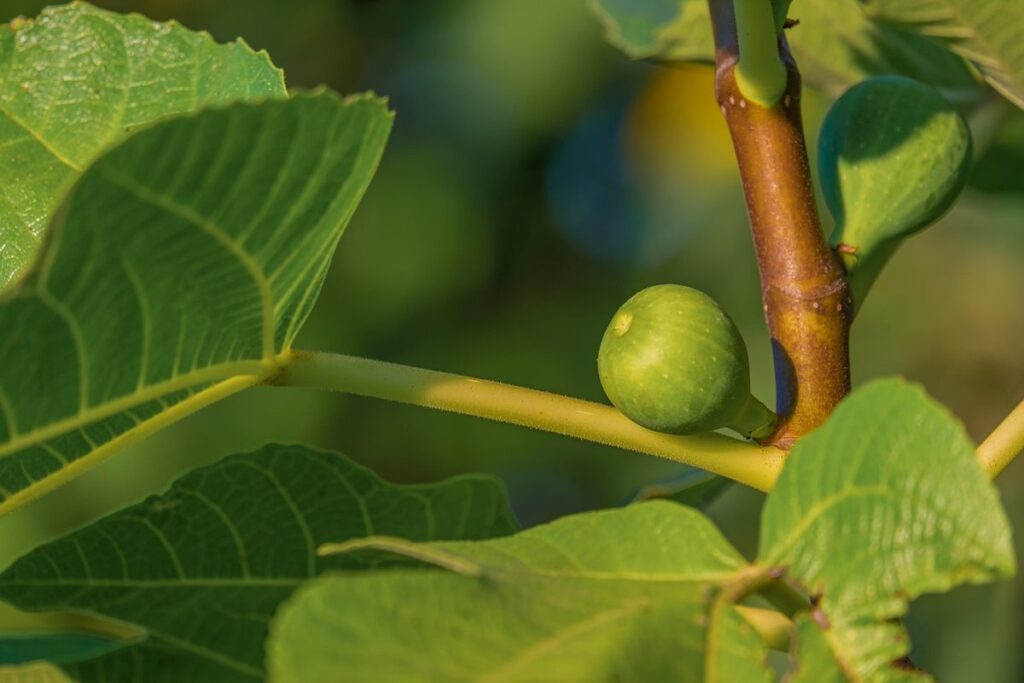
You’re probably wondering what exactly we mean by fig branch, and how it differs from the fruit itself. Let’s start with the basics: fig branches are the stems of the fig tree that produce delicious edible fruits.
Definition and Identification
A fig branch is a crucial part of the fig tree (Ficus carica), which produces two main types of edible products: fresh and dried figs. The branch itself is a stem that grows from the trunk or branches of the tree, typically measuring between 10 to 30 feet in length.
To identify a fig branch, look for its woody texture, typically with a grayish-brown color and a smooth bark surface. The leaves are an essential identifying feature, usually having three lobes with a pointed tip, measuring around 2-4 inches long. Fig branches often grow close to the ground or at low heights due to the tree’s habit of producing aerial roots.
A mature fig branch has small nodes along its length where new shoots emerge. These nodes are crucial for propagation and can be used as cuttings for grafting onto other fig trees. When selecting a fresh fig, look for branches with multiple fruits growing from the node area, indicating it is in its ripening stage.
Uses in Cooking and Baking
When it comes to cooking and baking with fig branches, the possibilities are endless. Not only do they add a touch of elegance and sophistication to any dish, but they also bring a burst of fresh flavor and texture. One of the most common ways to use fig branches is as an ingredient in sweet and savory dishes alike. Try adding them to salads for a pop of color and sweetness, or chop them up and toss them with olive oil, salt, and pepper as a simple but delicious side dish.
In baking, fig branches are a game-changer. Use them to make fig jam, a classic pairing that’s perfect for toast, yogurt, or as a filling for cakes and pastries. You can also dry them in the oven to use as a topping for ice cream, oatmeal, or even savory dishes like stews and braises. Plus, they’re a great addition to homemade granola or trail mix, adding natural sweetness and chewiness.
As a garnish, fig branches are a stylish way to add visual appeal to any dish. Simply trim the ends and use them as a centerpiece for your plate, or tie them with twine to create a beautiful edible bouquet.
Cultural Significance of Fig Branches
In many cultures around the world, fig branches hold significant symbolic and traditional value. In ancient Greece and Rome, for instance, fig branches were used as a symbol of fertility and prosperity. They were often exchanged as gifts to bring good luck and fortune. Similarly, in Islamic culture, the fig tree is considered one of the blessed trees mentioned in the Quran.
In some African cultures, fig branches are believed to have healing properties, with traditional healers using them to treat various ailments. In addition, in many Mediterranean countries, fig branches are used as a decorative element during special occasions and holidays, such as weddings and harvest festivals.
When it comes to incorporating fig branches into your own traditions or celebrations, consider their symbolic meaning. Use them as a centerpiece for your dining table or incorporate them into floral arrangements. If you’re looking to tap into the healing properties of fig branches, try making a tea infusion by steeping dried fig branches in hot water. With a little creativity and imagination, you can weave the cultural significance of fig branches into your own unique traditions and rituals.
Nutritional Benefits of Fig Branches
Fig branches are a treasure trove of nutrients, rich in vitamins A and C, potassium, and fiber. Here’s how you can unlock their nutritional potential for a healthier you.
Fiber Content and Digestive Health
One of the most impressive nutritional benefits of fig branches is their exceptionally high fiber content. A single serving of dried fig branches can provide upwards of 12 grams of dietary fiber, a substantial amount that far surpasses other common fruits and vegetables. This rich fiber profile plays a crucial role in maintaining digestive health.
Consuming sufficient amounts of fiber has been linked to several benefits for the digestive system. Firstly, it helps to regulate bowel movements and alleviate symptoms associated with constipation. By promoting regularity and preventing hard stools from forming, a high-fiber diet can significantly reduce the risk of developing chronic conditions such as diverticulitis or hemorrhoids.
In addition to its impact on bowel health, fiber also plays a significant role in satiety. Foods rich in fiber tend to be more filling, which makes them an excellent choice for those looking to manage their weight or develop healthier eating habits. By incorporating fig branches into your daily meals or snacks, you can experience firsthand the benefits of increased fiber intake and reap its rewards on both your digestive health and overall well-being.
Antioxidant Properties and Anti-Inflammatory Effects
Fig branches are rich in antioxidants, which play a vital role in protecting our bodies from oxidative stress and potential cell damage. These powerful compounds can help neutralize free radicals, thus reducing the risk of chronic diseases such as heart disease and cancer. The antioxidant properties of fig branches have been attributed to their high content of polyphenols, flavonoids, and phenolic acids.
Research has shown that consuming foods rich in antioxidants can lead to a significant reduction in inflammation within the body. Chronic inflammation is a major risk factor for various diseases, including heart disease, diabetes, and certain types of cancer. The anti-inflammatory effects of fig branches may help alleviate this condition, making them an excellent addition to a healthy diet.
Incorporating dried or fresh fig branch into your meals can be as simple as adding it to salads, using it in jams and preserves, or even brewing it into a tea. By harnessing the antioxidant properties and anti-inflammatory effects of fig branches, you can contribute to maintaining overall well-being and reducing your risk for chronic diseases.
Vitamins and Minerals Present in Fig Branches
Fig branches are not only a visually appealing addition to salads and sandwiches but also a rich source of essential vitamins and minerals. Rich in vitamin K, fig branches play a crucial role in maintaining blood clotting and bone health. A deficiency in vitamin K has been linked to an increased risk of osteoporosis, fractures, and cardiovascular diseases.
Potassium content in fig branches is another significant benefit. As one of the most abundant electrolytes in our bodies, potassium helps regulate fluid balance and maintain healthy blood pressure levels. Consuming foods rich in potassium can help reduce the risk of heart disease, stroke, and kidney stones.
Manganese, an essential mineral found in fig branches, plays a vital role in enzyme function, wound healing, and bone formation. A manganese deficiency has been linked to impaired glucose metabolism and bone health issues. The best way to incorporate fig branches into your diet is by using them as a crunchy garnish for salads or blending them into smoothies. This will allow you to reap the nutritional benefits while minimizing any bitter flavors associated with fresh figs.
Culinary Uses of Fig Branches
Fig branches can add a sweet and savory flavor to various dishes, making them a versatile ingredient for cooks. Explore some creative ways to incorporate fig branches into your recipes.
Preserving and Drying Methods
Preserving and drying fig branches is an excellent way to make their culinary potential available year-round. One of the simplest methods is sun-drying, where fresh branches are hung upside down in a dry, warm environment with good air circulation. This method helps preserve the flavor and nutrients while also maintaining the branch’s texture.
For those who prefer a faster approach, dehydrating machines can be used to dry fig branches quickly and evenly. These machines work by drawing out moisture from the branches using heat or vacuum pressure. Dehydrated fig branches can be stored for long periods without refrigeration, making them an ideal choice for preserving the flavor of fresh branches.
Another preservation method is pickling, which involves soaking the fig branches in a brine solution (usually containing vinegar and salt) to create a tangy, savory flavor profile. This method requires more effort but yields delicious results when done correctly. Regardless of the chosen method, preserved or dried fig branches can be used in various dishes like teas, soups, salads, and as a garnish for desserts.
Incorporating Fig Branches into Recipes
When it comes to incorporating fig branches into recipes, the possibilities are endless. One of the most popular ways to use them is in salads, where their sweet and slightly bitter flavor adds a unique twist to classic combinations. Try pairing fresh arugula with sliced fig branches, crumbled goat cheese, and a balsamic vinaigrette for a refreshing summer salad.
Fig branches also make an excellent addition to sauces and marinades. Their jam-like texture breaks down easily when cooked, making them a great base for glazes or BBQ sauces. For example, combine fig branches with balsamic vinegar, olive oil, garlic, and thyme to create a rich and savory sauce perfect for grilled meats.
In baked goods, fig branches add a sweet and chewy texture that’s especially well-suited to breads and muffins. Simply chop them up and fold them into your favorite recipe or use them as a topping for a rustic-style loaf.
When working with fig branches in recipes, remember to always use fresh ones to ensure the best flavor. You can also dry them to preserve their texture and use them throughout the year. Experiment with different combinations of flavors and textures to unlock the full potential of this versatile ingredient.
Traditional Dishes Featuring Fig Branches
Fig branches are not only a beautiful garnish but also a key ingredient in many traditional dishes from around the world. In Middle Eastern cuisine, for example, fig branches are used to add flavor and texture to tabbouleh, a fresh herb salad made with parsley, tomatoes, mint, and bulgur. The sweetness of the figs pairs perfectly with the tangy dressing, creating a refreshing and healthy side dish that’s perfect for hot summer days.
In Italy, fig branches are used to make delicious fruit preserves, known as “confettura di fichi.” These sweet spreads are made by cooking down fresh or dried figs with sugar and sometimes wine or liqueurs. The resulting jam is rich, fruity, and perfect for topping toast, yogurt, or using as a filling for cakes and pastries.
When using fig branches in your own cooking, try to incorporate them into dishes where their natural sweetness can shine through. You can also use them as a garnish for cocktails or desserts, adding a pop of color and flavor to any occasion. Simply chop the fresh fig branches finely and add them to salads, yogurt parfaits, or oatmeal bowls for a nutritious and delicious boost.
Health Risks Associated with Consuming Fig Branches
While fig branches are safe to eat, consuming them can pose some health risks that you should be aware of, particularly for certain individuals. These risks include allergic reactions and digestive issues in some people.
Potential Allergic Reactions
When consuming fig branches, some individuals may be prone to allergic reactions. This is particularly true for people who have a history of food allergies or sensitivities. Symptoms can range from mild discomfort to severe reactions and even anaphylaxis.
Common symptoms of a fig branch allergy include hives, itching, swelling, stomach cramps, diarrhea, and nausea. In severe cases, individuals may experience difficulty breathing, rapid heartbeat, and dizziness. If you suspect an allergic reaction, seek medical attention immediately.
If you’re planning to consume fig branches, it’s essential to be aware of the potential risks. Start by introducing small amounts into your diet to monitor for any adverse reactions. If symptoms persist or worsen, consult a healthcare professional for guidance. In some cases, antihistamines or epinephrine injections may be prescribed to alleviate symptoms.
To minimize the risk of an allergic reaction, opt for fresh fig branches and avoid consuming them if they’re dried, processed, or pasteurized. Regularly checking with your doctor before introducing new foods into your diet is also crucial, especially if you have a pre-existing condition.
Interactions with Medications
Consuming fig branches may have unintended consequences for individuals taking certain medications, particularly those affecting blood clotting. The high vitamin K content in fig branches can interact with these medications, such as warfarin and aspirin, leading to an increased risk of bleeding.
Vitamin K plays a crucial role in the production of clotting factors in the liver. Consuming large amounts of vitamin K-rich foods like fig branches can enhance this process, potentially counteracting the effects of blood thinners. This interaction is particularly concerning for individuals with existing bleeding disorders or those taking medications that suppress blood clotting.
To minimize potential risks, it’s essential to consult a healthcare professional before incorporating fig branches into your diet if you’re taking any medications. Be aware of the quantities consumed and maintain consistent amounts to avoid unforeseen interactions. As a general guideline, consider limiting your daily intake of fig branches or using them in moderation (about 1-2 inches per serving) when cooking or preparing recipes. By being mindful of these potential interactions, you can enjoy the nutritional benefits of fig branches while ensuring your safety.
Precautions for Specific Populations
If you’re considering consuming fig branches, particularly if you belong to certain populations, it’s essential to exercise caution and consult with a healthcare professional. Pregnant women, for example, should be mindful of their fig branch intake due to the potential risk of allergic reactions or digestive issues.
Breastfeeding mothers should also approach fig branch consumption with moderation in mind. While figs are nutritious, excessive consumption may lead to gastrointestinal upset or interact with medication. If you’re breastfeeding and planning to incorporate fig branches into your diet, monitor your baby’s behavior for any signs of discomfort or allergy.
Individuals taking blood thinners or medications that affect blood sugar levels should consult their doctor before consuming fig branches. The high fiber content in these branches can interact with certain medications, leading to adverse effects. In all cases, it’s best to start with small portions and observe how your body reacts before increasing consumption.
Growing and Harvesting Fig Branches
Fig branches are a treasure trove of flavor and nutrition, but they require careful cultivation to thrive. Learn how to grow and harvest them for maximum enjoyment in your kitchen.
Climate and Soil Requirements
When growing fig trees to harvest branches for food, it’s essential to consider their climate and soil requirements. Fig trees thrive in warm and dry climates with mild winters and hot summers. They can tolerate temperatures between 32°F (0°C) and 100°F (38°C), but prolonged exposure to frost can damage or kill the tree.
In terms of soil, fig trees prefer well-draining, fertile soil that is rich in organic matter. The ideal pH range for fig trees is between 6.0 and 7.0. To replicate these conditions, gardeners can amend their soil with compost or manure to improve its fertility and drainage.
To ensure optimal growth, it’s crucial to plant fig trees in full sun and provide regular watering, especially during the first year after planting. A mature fig tree can survive with minimal watering, but consistent moisture during its early stages promotes healthy growth and fruit production. By understanding these climate and soil requirements, gardeners can successfully cultivate fig trees that produce nutritious and delicious branches for cooking and snacking.
Timing of Harvest
Harvesting fig branches at the right time is crucial to unlock their full flavor and texture potential. The ideal timing depends on several factors, including weather patterns and tree maturity. Generally, fig trees are ready for harvest when the fruit is still green and not yet ripe. This may seem counterintuitive, but it’s essential to allow the branches to ripen further after harvesting.
In most regions, the optimal time for fig branch harvest is in late summer or early fall, around 70-80 days before the first frost. However, this can vary depending on your location and tree variety. For example, in warmer climates like California, figs may be ready as early as mid-July, while in cooler areas like New York, they might not be ready until September.
When selecting branches for harvest, look for those with a slight softening of the fruit around the neck. This indicates that the sugars are converting to starches, which will continue to ripen off the tree. Harvesting at this stage ensures that your figs retain their natural sweetness and texture, making them perfect for snacking, baking, or using in your favorite recipes.
Tips for Home Gardeners
Growing fig branches at home requires some effort, but with the right care, you can enjoy fresh and nutritious produce year-round. Pruning is essential to maintain a healthy tree and encourage fruiting. Prune your fig tree during its dormant season, removing any dead or damaged branches. This will also help control the shape of the tree and promote new growth.
Watering is another critical aspect of growing figs. They prefer well-draining soil and should be watered regularly, but make sure not to overwater. Fig trees are susceptible to root rot if the soil is too moist for extended periods. Aim for about 1 inch of water per week, either from rainfall or irrigation.
Managing pests like aphids, whiteflies, and spider mites can also be challenging. Use natural methods whenever possible, such as introducing beneficial insects that prey on these pests or spraying them with a mild soap solution. Keep your tree healthy by fertilizing it regularly with a balanced fertilizer during the growing season.
Monitor your tree’s condition closely to catch any issues early on, and take action promptly to prevent damage from spreading.
Frequently Asked Questions
How can I identify the edible fig branch on my tree?
To ensure you’re picking the right part of the tree, look for branches with a grayish-brown color, smooth bark surface, and leaves that are typically smaller than 4 inches long. You can also check the texture by gently touching the stem; it should be slightly woody.
Can I consume fig branches raw or do they need to be cooked?
While some people enjoy eating raw fig shoots, it’s generally recommended to cook them first to break down cell walls and release their natural sweetness. Simply chop the shoots into small pieces and sauté them in olive oil with your favorite herbs for a delicious side dish.
How do I preserve fresh fig branches to keep them edible longer?
To prolong the shelf life of fresh fig shoots, store them in an airtight container in the refrigerator at 32°F (0°C) or below. You can also dry or freeze them for later use in cooking and baking recipes. Proper preservation methods will help maintain their nutritional value.
Are there any specific health benefits associated with consuming dried vs. fresh fig branches?
Both dried and fresh fig shoots offer numerous health benefits, including high fiber content, antioxidant properties, and anti-inflammatory effects. However, the drying process can concentrate the nutrients even further, making dried figs a great option for on-the-go snacking or as an addition to oatmeal or yogurt.
Can I grow my own fig tree from a branch?
Yes, you can propagate new fig trees from mature branches with at least two nodes (the joint where leaves meet the stem). Choose healthy stems with plenty of leaf growth and follow proper grafting techniques to increase your chances of successful propagation. With proper care, your new tree will thrive in its designated spot.