
Starting your first fiddle leaf fig plant can be both exciting and intimidating. With their elegant, violin-shaped leaves and versatility in interior design, it’s no wonder these plants have become a staple for many home decorators. However, caring for a fiddle leaf fig requires attention to detail, especially if you’re new to plant parenthood. Choosing the right location with adequate light, water, and humidity can make all the difference between a thriving tree and one that struggles to survive.
In this beginner’s guide, we’ll cover the essential tips and techniques for growing a healthy fiddle leaf fig plant from scratch. From selecting the perfect potting mix and pruning your tree regularly, to troubleshooting common problems like yellowing leaves or pests, we’ve got you covered. Whether you’re looking to enhance your indoor space with some greenery or simply want to learn more about these popular plants, keep reading for expert advice on fiddle leaf fig care.
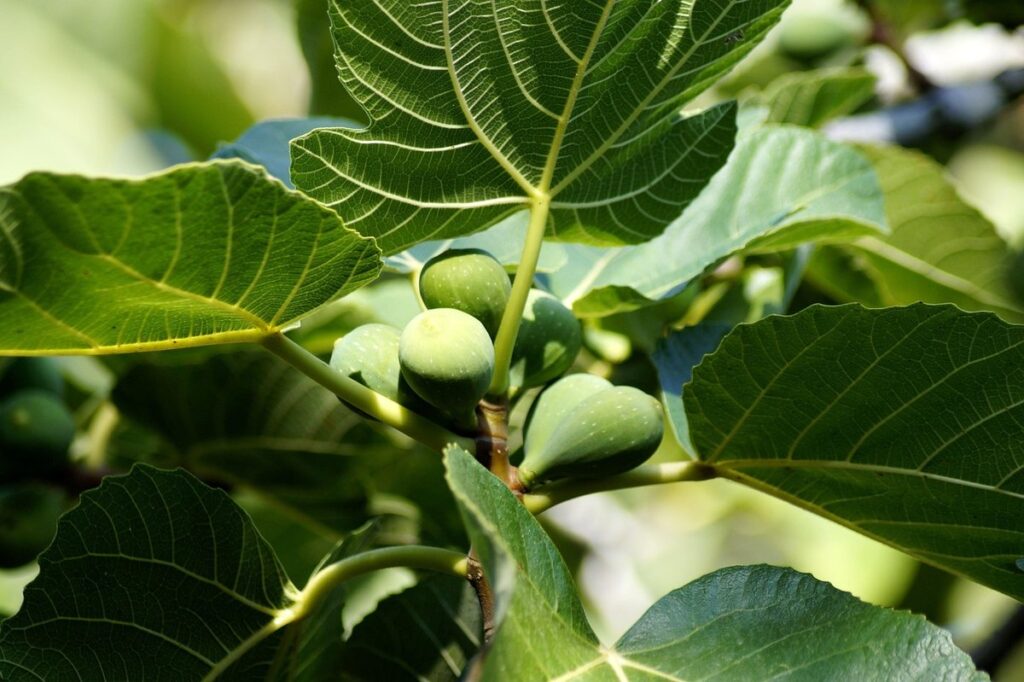
Getting Started with Fiddle Leaf Fig Care
Welcome to the world of fiddle leaf fig care! Let’s start by covering the basics, including choosing the perfect location and handling for your new plant.
Choosing the Perfect Location
When it comes to growing a healthy and thriving fiddle leaf fig, choosing the perfect location is crucial. This means considering three essential factors: light exposure, temperature, and humidity.
Firstly, lighting is a top priority for fiddle leaf figs. They love bright, indirect light but can tolerate some direct sunlight, especially during the spring and summer months when they’re actively growing. A north-facing window or a spot near an east- or west-facing window works well. Avoid placing your plant in a low-light area, as this will stunt its growth and potentially lead to leaf drop.
In terms of temperature, fiddle leaf figs prefer temperatures between 65°F (18°C) and 75°F (24°C). Avoid placing them near heating vents, fireplaces, or drafty windows, which can cause stress and harm the plant. Maintaining a consistent humidity level is also important – aim for a relative humidity of 50-60% to prevent leaf drop and promote healthy growth.
To position your fiddle leaf fig effectively, place it at least 3-4 feet away from any heating or cooling sources, and avoid placing it directly in front of a window. This will help regulate the temperature and humidity levels around the plant, giving it the best chance to thrive.
Understanding Fiddle Leaf Fig Growth Habits
When you bring your fiddle leaf fig home, you might be excited to watch it grow and flourish. However, understanding its growth habits is crucial for successful care. Fiddle leaf figs are known for their rapid growth rate, which can sometimes catch new plant owners off guard.
In ideal conditions, a mature fiddle leaf fig can reach heights of up to 10-15 feet (3-4.5 meters) tall. This means your plant will require regular pruning to maintain a desired shape and size. But be warned: if you don’t prune it regularly, your fiddle leaf fig might become leggy and lose its attractive appearance.
Another essential aspect of understanding your fiddle leaf fig’s growth habits is knowing that it doesn’t tolerate temperatures above 65°F (18°C). Avoid placing it near heating vents, radiators, or sunny windows during the warmer months. Finally, keep in mind that fiddle leaf figs naturally shed their lower leaves as they grow. This is a normal process and shouldn’t be cause for alarm – simply remove any dead or dying leaves to prevent pests from taking advantage of them.
This knowledge will help you develop a growth plan tailored to your plant’s unique needs, ensuring it stays healthy and beautiful for years to come. By understanding its growth habits, you’ll be better equipped to provide the right care and create an optimal environment for your fiddle leaf fig to thrive.
Soil and Watering Essentials
When it comes to fiddle leaf fig care, mastering soil and watering techniques is crucial for your plant’s health. Let’s dive into the essential tips for creating a thriving environment for your FLF.
Selecting the Right Potting Mix
When it comes to fiddle leaf fig care, selecting the right potting mix is crucial for your plant’s health and happiness. A well-draining potting mix specifically designed for indoor plants will help prevent root rot and ensure healthy water absorption.
You can purchase a high-quality potting mix at most gardening stores or online retailers. Look for a mix that contains ingredients like peat moss, vermiculite, or perlite to aid in drainage. Some popular options include Miracle-Gro Indoor Potting Mix or Pro-Mix Indoor & Outdoor Planting Mix. If you’re feeling adventurous, you can even create your own potting mix at home using a combination of topsoil, compost, and sand.
To make your own mix, start by mixing 2 parts topsoil with 1 part compost and 1/2 part perlite or sand. This ratio will provide excellent drainage while still retaining moisture. If you notice your soil is too dense or heavy, add more perlite or sand to the mix. On the other hand, if it’s too dry, increase the amount of compost. By taking control of your potting mix, you’ll be well on your way to creating an ideal environment for your fiddle leaf fig to thrive.
Watering Fiddle Leaf Figs Like a Pro
Watering fiddle leaf figs can be intimidating, but with the right approach, you’ll be on your way to becoming a pro. Let’s start with the basics: frequency and amount of water.
For indoor plants like fiddle leaf figs, it’s essential to strike the right balance between underwatering and overwatering. A good rule of thumb is to check the soil moisture by sticking your finger into the soil up to the first knuckle. If the soil feels dry, it’s time for a drink. Water your fiddle leaf fig thoroughly until you see water dripping from the pot’s drainage holes.
To ensure you’re not overwatering, observe your plant’s behavior. Droopy leaves and yellow edges are often signs of too much H2O. On the other hand, if the leaves are crispy or brown, it may be time to give them a good soak. To get an accurate reading, consider investing in a moisture meter – it’ll save you from overwatering (and those pesky root rot issues).
Some general guidelines: water your fiddle leaf fig once a week during the spring and summer months when it’s actively growing. During fall and winter, when growth slows down, reduce watering to every 10-14 days.
Lighting Requirements
To keep your fiddle leaf fig happy and thriving, it’s essential to understand its lighting needs, which can be quite specific, especially for indoor plants. Proper lighting will make all the difference in your plant’s growth.
Understanding Light Intensity and Duration
When it comes to providing your fiddle leaf fig with sufficient light, understanding light intensity and duration is crucial. Fiddle leaf figs thrive in bright, indirect light but can tolerate low light conditions for short periods. To assess the light intensity in your home, place a hand above the soil level of your plant; if you can see the leaves clearly, it’s likely too direct. On the other hand, if the leaves appear pale or weak, it might be due to insufficient light.
To supplement natural light, consider using grow lights specifically designed for indoor plants. These emit a spectrum tailored to promote photosynthesis and can help fill in gaps during winter months when daylight hours are shorter. Place grow lights 6-8 inches above your plant’s canopy and adjust the distance as needed to avoid burning the leaves. Aim for 12-14 hours of light exposure per day, with an intensity of around 2,000-4,000 lumens per square meter.
Keep in mind that over-supplementing with grow lights can lead to scorched leaves or even plant death, so monitor your fiddle leaf fig’s response closely and adjust the lighting accordingly.
Common Lighting Mistakes to Avoid
When it comes to providing the right lighting for your fiddle leaf fig, there are several common mistakes beginners make that can actually harm your plant. One of the biggest errors is placing your fiddle leaf fig too close to a window. While it may seem counterintuitive, direct sunlight can be just as detrimental to your plant’s health as lack of light.
In fact, if you place your fiddle leaf fig in front of a south-facing window, it can cause scorching and discoloration on the leaves. This is because direct sunlight can reach temperatures of over 120°F (49°C), which is too hot for most plants. A good rule of thumb is to keep your fiddle leaf fig at least 3-4 feet away from any windows.
Another mistake beginners make is not rotating their plant regularly. Fiddle leaf figs grow asymetrically, meaning they tend to lean towards the light source. If you don’t rotate your plant every few days, it can lead to uneven growth and a lopsided appearance.
Fertilizing and Pruning
When it comes to keeping your fiddle leaf fig happy and healthy, fertilizing and pruning are two essential tasks that’ll make all the difference in its growth. Let’s dive into the details of how to do them correctly!
Nutrient-Rich Fertilizers for Healthy Growth
When it comes to promoting healthy growth and development in your fiddle leaf fig, fertilizing is a crucial aspect of care. As a beginner, you may wonder when and how often to fertilize your plant. The answer lies in understanding its active growth period.
Fiddle leaf figs are most active during the spring and summer months, which is also when they require more nutrients from their soil. This is because new leaves and stems are emerging at an incredible rate, demanding essential nutrients like nitrogen, phosphorus, and potassium to support this growth.
To choose the right fertilizer for your fiddle leaf fig, look for a balanced formula (20-20-20) that contains equal parts of N-P-K (nitrogen-phosphorus-potassium). This will ensure your plant receives a well-rounded mix of nutrients without overloading it with too much nitrogen. Over-fertilization can cause more harm than good, so be cautious not to apply too much fertilizer at once.
Some popular options for nutrient-rich fertilizers include organic choices like fish emulsion or bone meal. These natural alternatives are gentler on the soil and provide a slow release of nutrients over time.
The Art of Pruning Your Fiddle Leaf Fig
Pruning your fiddle leaf fig is an essential part of its care routine. Not only does it promote healthy growth and prevent pest issues, but it also helps maintain the plant’s desired shape and size. To start, take a close look at your plant and identify any unhealthy or damaged leaves and branches. These will often appear wilted, discolored, or have visible signs of decay.
Remove these affected areas to prevent the spread of disease and encourage new growth. Use clean pruning tools to avoid transferring bacteria to healthy areas of the plant. When shaping your fiddle leaf fig, cut off any weak or spindly branches to promote a fuller, more balanced appearance. For a larger plant, prune one-third of its foliage at a time to prevent shock. This will also encourage new leaves and branches to grow in their place.
Remember, pruning is not just about removing unwanted parts – it’s an opportunity to guide your plant into its best form.
Common Issues and Solutions
Don’t worry, we’ve all been there – a neglected fiddle leaf fig can quickly turn into a problem plant. In this section, we’ll tackle common issues and their easy solutions to get your tree thriving again.
Dealing with Pests and Diseases
As a fiddle leaf fig owner, it’s essential to be aware of common pests and diseases that can harm your plant. Spider mites, mealybugs, and root rot are just a few examples of issues you may encounter.
To prevent infestations, keep an eye on your plant’s surroundings. Check for dusty areas around the leaves and repot your fiddle leaf fig in well-draining soil to avoid waterlogged roots. Regularly inspect your plant’s leaves for signs of pests like spider mites, which can cause yellowing or bronzing. Isolate infested plants to prevent spreading.
If you notice any damage, act quickly! For minor cases, gently wipe the leaves with a damp cloth. To treat root rot, repot your fiddle leaf fig in fresh soil and trim affected roots. Prune infected areas from the rest of the plant to prevent further damage.
Remember that prevention is key. Regularly inspect your plant’s environment and take action at the first sign of trouble.
Addressing Fiddle Leaf Fig Deficiencies
As you care for your fiddle leaf fig, it’s essential to be aware of potential deficiencies that can impact its growth. One common issue is nutrient deficiency, which can occur when the soil lacks essential nutrients like nitrogen, iron, or magnesium. If your plant is exhibiting pale leaves, stunted growth, or yellowing veins, it may be a sign of a nutrient deficiency.
Another critical aspect to monitor is watering habits. Underwatering can cause leaves to turn brown and crispy, while overwatering can lead to root rot and yellowing leaves. Check the soil moisture by sticking your finger into the soil up to the first knuckle; if it feels dry, it’s time to water. To avoid overwatering, ensure your pot has proper drainage holes and consider using a self-watering planter.
Monitor your plant regularly for signs of nutrient deficiency or watering issues, and take action promptly to prevent further damage.
Propagation and Repotting
Now that you’ve got a thriving fiddle leaf fig, it’s time to learn how to propagate new plants and repot your existing one for continued growth. Here’s what you need to know!
Propagating Fiddle Leaf Figs through Cuttings
Propagating fiddle leaf figs through cuttings can be a fun and rewarding experience. To increase success rates, it’s essential to choose healthy stems with at least two nodes, as these will give you the best chance of successful rooting. Cut 4-6 inch stem sections from your plant, just above a node, using clean, sharp pruning shears.
Remove lower leaves from the cutting, leaving only the top set, to reduce moisture loss and prevent rotting. Dip the cut end in a rooting hormone powder or liquid, following the product’s instructions, to stimulate root growth. Place the cutting in a propagation tray filled with well-draining mix, such as perlite or vermiculite, and water thoroughly.
Keep the soil consistently moist but not waterlogged during the first few weeks after planting. Provide bright, indirect light and maintain temperatures between 65-75°F (18-24°C) to promote healthy root development. With proper care, you can enjoy new fiddle leaf fig plants in just a few months.
Repotting Your Mature Plant
As your fiddle leaf fig matures, it may eventually need more room to grow. This is known as being “root-bound,” where the roots have outgrown their container and are circling around the inside of the pot. When this happens, it can hinder the plant’s ability to absorb water and nutrients, leading to stunted growth or even decline.
Signs that your fiddle leaf fig needs repotting include: the soil level has dropped significantly since the last watering, the roots are visible through the drainage holes, or the plant is top-heavy and prone to falling over. If you notice any of these signs, it’s likely time for a larger pot.
To repot your mature fiddle leaf fig, choose a container that is only 1-2 sizes larger than its current one. This will prevent the soil from becoming too wet and causing root rot. Gently remove the plant from its pot, taking care to loosen any tightly bound roots with your fingers or a blunt instrument. Place fresh, well-draining potting mix in the new container and position your fiddle leaf fig, firming the soil gently around the roots. Water thoroughly after repotting and keep the plant in a bright, indirectly lit spot while it adjusts to its new home.
Advanced Care Techniques
Now that you’ve mastered the basics, let’s dive into advanced care techniques for your fiddle leaf fig, including pruning and repotting strategies.
Enhancing Humidity Levels for Optimal Growth
Maintaining high humidity levels around your fiddle leaf fig is crucial for optimal growth. When the air is too dry, the plant’s leaves may develop brown edges and drop, while its roots can become stressed. By keeping the environment humid, you’ll encourage healthy development and prevent common problems like leaf scorch.
To achieve this, consider investing in a humidifier or misting system specifically designed for indoor plants. These devices release moisture into the air, mimicking the natural humidity found near tropical waterfalls where fiddle leaf figs originate. You can place a humidifier nearby or connect it to your central heating system, adjusting the settings according to your plant’s needs.
Another approach is to mist your plant regularly using a spray bottle filled with distilled water. This method allows for precise control over moisture levels and is particularly effective when used in conjunction with low-maintenance fertilizers that promote healthy root growth. For example, applying a balanced fertilizer once a month will support the development of strong roots and leaves.
By adopting one or both of these methods, you’ll be able to maintain a stable humidity level around your fiddle leaf fig, promoting optimal growth and minimizing potential issues related to dry air.
Using Grow Lights and Supplements for Enhanced Health
As you continue to care for your fiddle leaf fig, you may wonder if there’s more you can do to promote its health and growth. One way to give your plant an extra boost is by using LED grow lights and supplements.
LED grow lights are a great alternative to natural sunlight, especially during the winter months when daylight hours are shorter. They emit specific wavelengths of light that promote photosynthesis, helping your fiddle leaf fig produce more energy and grow stronger. When choosing an LED grow light for your plant, look for one with a blue spectrum (around 400-500nm) as this will promote healthy growth.
Supplements can also be beneficial in providing your plant with essential nutrients it may not be getting from its soil or water. Fertilizers specifically designed for indoor plants are available in various forms, such as liquid, granular, or sticks that you insert into the soil. Follow the instructions carefully and don’t over-fertilize, as this can harm your plant.
Some popular supplements include:
* Epsom salt to promote root growth and prevent yellowing leaves
* Neem oil to prevent pests and diseases
* Cal-Mag supplement to ensure adequate calcium and magnesium levels
Remember, it’s essential to research and choose products specifically designed for fiddle leaf figs or indoor plants in general. This will help you avoid harming your plant with the wrong nutrients or amounts.
Frequently Asked Questions
How often should I water my fiddle leaf fig after repotting?
Water your fiddle leaf fig plant sparingly for the first few weeks after repotting, allowing the top inch of soil to dry out between waterings. This will help prevent root rot and give the roots a chance to adjust to their new environment. As you observe your plant’s response to its new conditions, gradually increase watering frequency based on its growth rate and environmental conditions.
What are some common signs of overwatering in fiddle leaf figs?
Fiddle leaf figs suffering from overwatering may exhibit yellowing leaves, droopy branches, or a soft and mushy texture. If you notice any of these symptoms, reduce watering frequency immediately and ensure the plant’s pot has good drainage to prevent further waterlogging.
Can I use regular tap water for my fiddle leaf fig?
While it might be convenient, using regular tap water can harm your fiddle leaf fig due to high salt content or chlorine levels. Instead, consider using filtered or rainwater to maintain optimal soil health and promote healthy growth.
How often should I fertilize my mature fiddle leaf fig tree?
Fertilize your mature fiddle leaf fig every 1-2 months during the growing season (spring-fall) with a balanced, water-soluble fertilizer. Dilute the recommended strength according to the manufacturer’s instructions and avoid overfertilizing, which can cause damage to the plant.
What are some potential risks associated with using grow lights for my fiddle leaf fig?
While grow lights can supplement natural light conditions, improper use or excessive duration can lead to burning or scorching of leaves. Monitor your plant closely when introducing grow lights and adjust intensity and duration based on its individual needs and responses to avoid any adverse effects.