
Are you tired of struggling to keep plants alive in your dimly lit home or office? You’re not alone! Ferns are often overlooked as an option for low-light spaces, but they can actually thrive in conditions where other plants would struggle. With the right choice and care, ferns can add a touch of greenery and serenity to even the most challenging indoor environments. But which types of ferns are best suited for low-light conditions? How do you troubleshoot common issues like dry leaves or slow growth? In this comprehensive guide, we’ll walk you through the process of selecting the right fern species, providing expert tips on care and propagation, and addressing common problems that can arise when growing ferns in low-light spaces.
Benefits of Indoor Ferns in Low-Light Spaces
Adding a touch of natural beauty to your low-light spaces, ferns bring numerous benefits that will transform your indoor environment in more ways than one. Let’s explore these advantages together!
Why Choose Ferns Over Other Plants?
When it comes to choosing the perfect plant for your low-light indoor space, ferns stand out from the rest. One of the main advantages of ferns is their extremely low maintenance requirements. Unlike some other plants that demand regular pruning, repotting, and fertilizing, ferns are happy with minimal care. This makes them an ideal choice for busy homeowners or those new to plant parenthood.
Another significant benefit of ferns is their ability to thrive in shady conditions. While most plants require direct sunlight to photosynthesize, ferns can survive and even flourish in low-light environments. This means you can place a fern in a room with limited natural light and still enjoy its beauty and air-purifying benefits. For example, the Boston fern is particularly well-suited for low-light spaces and can be grown in a variety of containers to add some greenery to your home.
Overall, ferns offer a range of advantages that make them an excellent choice for indoor spaces with limited light. By choosing a fern over other plants, you’ll enjoy the benefits of minimal upkeep and adaptability to changing conditions.
Types of Ferns That Excel in Low-Light Environments
When it comes to low-light environments, not all ferns are created equal. Some species thrive in the shade, making them perfect for indoor spaces with limited natural light. Let’s take a look at some of the top performers.
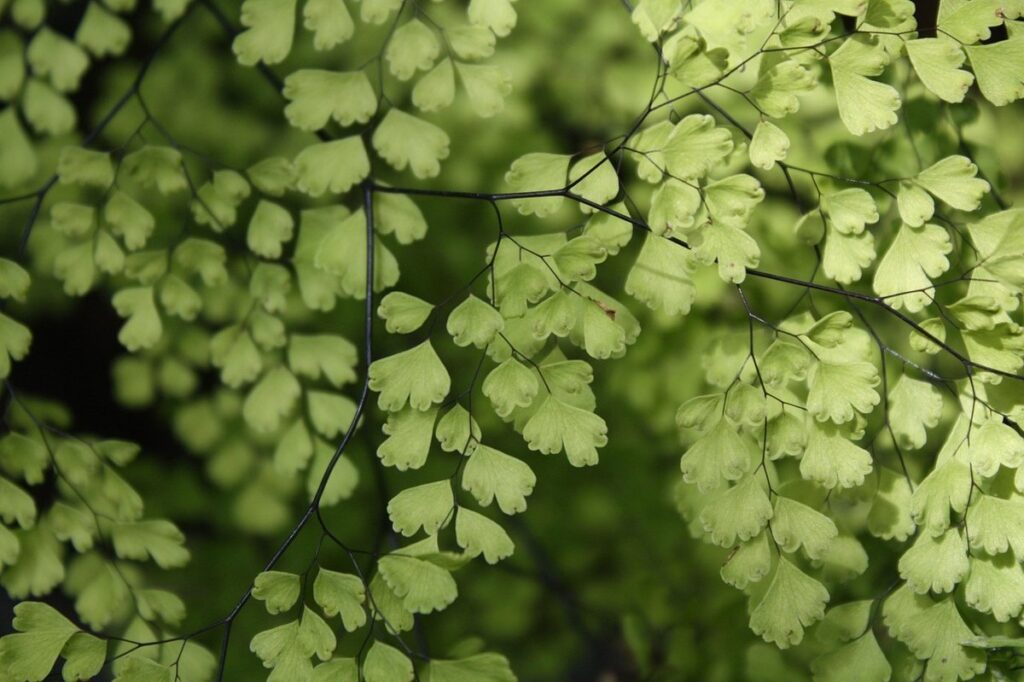
The Boston Fern (Nephrolepis exaltata) is a popular choice for low-light areas due to its ability to tolerate neglect and maintain its lush green fronds even in dim conditions. Another favorite among fern enthusiasts is the Maidenhair Fern (Adiantum spp.), which can adapt to partial shade and still produce delicate, fan-shaped leaves.
If you’re looking for something a bit more exotic, consider the Lady Fern (Athyrium filix-femina) or the Holly Fern (Cyrtomium falcatum). Both of these species are well-suited for low-light areas and can add a touch of elegance to any room. When selecting a fern for your low-light space, remember to choose a variety that is specifically bred for indoor cultivation. This will ensure you get the best results with minimal maintenance.
Selecting the Right Fern Species for Your Indoor Space
When it comes to choosing a fern species that’ll thrive in low-light conditions, knowing which ones are best suited for indoor spaces is crucial. Let’s explore some top picks together!
Factors to Consider When Choosing a Fern
When choosing a fern species that thrives in low-light conditions, it’s essential to consider several key factors. First and foremost, you need to think about the climate where you live. Some ferns are more tolerant of cooler temperatures than others, so if you’re living in an area with mild winters, you’ll want to choose a species that can handle the occasional cold snap.
Another crucial factor is humidity levels. Ferns love humid environments, and low light conditions often mean dry air. To combat this, consider investing in a humidifier or grouping your fern with other plants that will help maintain a healthy level of moisture in the air. Space constraints are also important to consider – some ferns can grow quite large, so make sure you have enough room for it to spread out.
When selecting a species, also think about how often you’ll be able to water and fertilize your fern. Some require more maintenance than others, so choose one that fits with your lifestyle. For example, the maidenhair fern (Adiantum spp.) is relatively low-maintenance and can thrive in indoor conditions with minimal care.
Popular Fern Species Suitable for Low-Light Indoors
If you’re looking to bring some lush greenery into your home without worrying about bright sunlight, there are plenty of fern species that thrive in low-light conditions. One popular option is the Boston Fern (Nephrolepis exaltata), which grows best in moist environments and prefers indirect light. Its delicate fronds can grow up to 6 feet long, making it a great choice for adding drama to a room.
Another excellent low-light fern is the Maidenhair Fern (Adiantum spp.). These ferns are known for their lacy, fan-shaped leaves that require minimal maintenance and can tolerate low humidity. They’re perfect for bathrooms or kitchens where light levels may be limited.
The Lady Fern (Athyrium filix-femina) is also a great choice for low-light areas. Its delicate fronds have a silvery sheen and prefer moist soil, but can adapt to lower light conditions than other fern species. With proper care, these ferns can grow up to 3 feet tall.
These are just a few examples of the many fern species suitable for low-light conditions. When choosing a fern, remember to consider factors such as humidity levels, temperature, and maintenance requirements to ensure your plant thrives in its new environment.
Caring for Your Indoor Fern in Low-Light Conditions
When caring for your fern indoors, low-light conditions can be challenging to navigate. In this section, we’ll explore specific tips and tricks for keeping your fern thriving despite limited light.
Lighting Requirements for Indoor Ferns
Providing optimal lighting conditions is crucial for the health and well-being of indoor ferns, even more so when they’re placed in low-light spaces. When choosing a spot for your fern, consider its natural habitat: most species thrive in bright, dappled light but can tolerate shaded areas.
To meet their lighting needs, place your fern near an east- or west-facing window. Avoid direct sunlight, which can cause scorching and fading of the fronds. If this isn’t possible, invest in a grow light specifically designed for low-light plants. These lights emit a specific spectrum that mimics natural light, promoting healthy growth.
Monitor your fern’s response to its environment by observing its coloration and texture. Inadequate light can cause leaves to become pale or develop brown tips. Conversely, too much light may result in scorched fronds. Aim for 1-2 hours of direct sunlight or 12-14 hours of indirect light per day.
Keep in mind that some fern species are more tolerant of low light than others. Research the specific lighting requirements for your plant to ensure you’re providing the best conditions for its growth and health.
Watering Techniques for Healthy Fern Growth
Watering ferns can be tricky, especially when they’re placed in low-light conditions. Overwatering is a common mistake that can lead to root rot and other issues. To avoid this, it’s essential to establish a consistent watering schedule.
As a general rule, water your fern once a week during the spring and summer months, but reduce the frequency to once every 10-14 days during the fall and winter. You’ll also want to check the moisture level of the soil by sticking your finger into the top inch of soil up to the first knuckle. If it feels dry, it’s time for a drink.
To avoid overwatering, you can use the ‘soak-and-dry’ method. Water your fern thoroughly until water drains out of the bottom of the pot, then let it sit undisturbed for 24-48 hours to allow excess moisture to evaporate. This will help prevent root rot and ensure your fern stays healthy in low-light conditions.
Monitor your fern’s response to watering by observing its growth and adjusting the frequency as needed.
Propagation and Repotting of Indoor Ferns
When it comes to expanding your indoor fern collection, understanding how to propagate and repot these delicate plants is essential for success. Let’s dive into the basics of propagation and repotting.
Methods for Propagating Ferns from Stolons or Rhizomes
Propagating ferns from stolons or rhizomes is an excellent way to multiply your favorite indoor fern species. Many low-light tolerant ferns produce stolons or rhizomes that can be easily divided and potted up to create new plants.
To propagate by stolon formation, look for the long stems that grow horizontally across the soil surface or hang down from the mother plant. Cut these stems at a 45-degree angle, just above a node (where a leaf meets the stem). Allow the cut ends to dry for a few days to form a callus, then plant them in moist potting mix. Water well and keep the soil consistently moist but not waterlogged.
Some popular low-light tolerant fern species that produce stolons or rhizomes include the Autumn Fern (Dryopteris erythrosora) and the Lady Fern (Athyrium filix-femina). When dividing a mature plant, make sure to gently separate the roots and foliage of each new section, taking care not to damage any delicate growth. This will help prevent shock and ensure successful establishment of your newly propagated ferns.
When to Repot Your Indoor Fern and How to Do It Properly
As you care for your indoor fern, it will eventually outgrow its pot and require repotting to maintain its health. Repotting allows you to refresh the soil, inspect the roots, and give the plant more room to grow. This process is crucial for the long-term well-being of your fern.
When to repot your indoor fern depends on several factors, including the type of fern and the pot’s size. Generally, it’s best to repot every 1-3 years during the spring or summer months when ferns are actively growing. A good rule of thumb is to inspect your plant’s roots annually for signs of circling or becoming pot-bound.
To choose a suitable potting mix for your indoor fern, opt for a high-quality blend that contains ingredients such as peat moss or coconut coir, which retain moisture and provide acidity. Avoid using regular garden soil, as it can compact and prevent proper drainage. Instead, select a potting mix specifically designed for ferns and tropical plants to ensure the right balance of nutrients and water retention.
Common Problems and Solutions for Low-Light Indoor Ferns
When growing ferns indoors, you may encounter some common issues that can affect their health and appearance. Let’s explore some solutions to these problems together.
Troubleshooting Common Issues Like Yellowing or Browning Leaves
Yellowing or browning leaves on your indoor ferns can be a frustrating issue, especially when you’ve tried to create the perfect low-light environment. But don’t worry, these problems are often easy to solve with a little troubleshooting.
Firstly, let’s talk about yellowing leaves. This is usually a sign that your fern isn’t getting enough light, even if it’s in a shaded area. Check if the light source is too far away or if the plant is being blocked by other objects. Moving the plant to a brighter spot or using grow lights can help.
On the other hand, browning leaves often indicate overwatering. Ferns don’t like wet feet, so make sure the pot has good drainage holes and isn’t sitting in water. Check the soil moisture by sticking your finger into it – if it’s too damp, wait a few days before watering again.
If you’re still unsure about what’s causing the problem, take a closer look at the plant’s roots. Overwatering can cause roots to rot, leading to yellow or brown leaves. If you suspect this is the case, gently remove the plant from its pot and inspect the roots. Prune any dead or rotten roots with sterile scissors.
By identifying and addressing these common issues, you should be able to keep your indoor ferns healthy and thriving even in low-light conditions.
Pest Control Measures to Protect Your Indoor Fern
If you’re growing an indoor fern in low-light conditions, it’s only a matter of time before pests start to become a problem. Pests like spider mites, mealybugs, and scale can quickly take over your plant if not properly addressed.
To prevent infestations, make sure to inspect your plant regularly for any signs of pests. Check the underside of leaves, stems, and even the soil for eggs or tiny insects. Isolate new plants before introducing them to your fern to prevent bringing in unwanted guests. If you notice any issues, treat the affected area with neem oil or insecticidal soap.
For more severe infestations, consider using a systemic pesticide that can be absorbed by the plant through its leaves. Remember to always follow the instructions and take necessary safety precautions when handling chemicals. To prevent re-infestation, maintain good air circulation around your fern, keep the temperature between 65-75°F (18-24°C), and avoid overwatering.
To ensure a healthy fern that can withstand pest attacks, provide optimal growing conditions, including bright but indirect light, moderate watering, and fertilization with a balanced fertilizer during the growing season.
Displaying and Styling Your Indoor Fern
Now that you’ve chosen your perfect fern, let’s explore how to showcase it at its best. Learn how to display and style your indoor fern for a stunning low-light centerpiece.
Tips for Arranging and Positioning Your Fern in the Space
When placing your indoor fern, consider the overall visual balance of the space. A well-placed fern can add a touch of elegance and serenity to an otherwise dull room. Start by choosing a location with sufficient floor space for the plant’s mature size, taking into account its height and spread.
To create a visually appealing arrangement, position your fern away from any direct sunlight or heating vents, which can cause dryness and damage the fronds. Avoid placing it too close to corners or against walls, as this can make the space feel cluttered and claustrophobic. Instead, place it in a central location where it can be enjoyed from multiple angles.
For added visual interest, pair your fern with complementary plants that thrive in low-light conditions, such as Chinese Evergreen or Pothos. Be mindful of the plant’s height when selecting companions; for example, a smaller fern like the Maidenhair can look stunning alongside a taller, more dramatic option like the Staghorn Fern.
When it comes to positioning your fern, don’t be afraid to experiment and find what works best for you.
Additional Decorative Ideas Using Ferns as a Focal Point
When it comes to incorporating ferns into your indoor decor, there are many creative ways to do so beyond simply placing them on a shelf. By using vases or planters as a focal point, you can add visual interest and texture to a room. Consider placing a large, statement piece fern in a beautiful planter on a coffee table or side table, drawing the eye towards it.
For a more subtle approach, try grouping smaller ferns together in a vase or container, creating a lush and inviting arrangement. This is particularly effective in low-light areas where plants may not receive direct sunlight to their full advantage. You can also use ferns as a decorative element by placing them in a hanging basket or planter, adding a touch of greenery to a room without taking up valuable floor space.
When selecting vases or planters for your ferns, choose ones that complement the natural beauty of the plants themselves. A delicate, mercury glass vase pairs perfectly with a delicate maidenhair fern, while a more rustic, earthy planter suits a bold, tropical fern like the Boston fern. Experiment with different shapes, sizes, and materials to find the perfect combination for your space.
Maintenance and Longevity of Indoor Ferns
To keep your indoor ferns thriving for months to come, it’s essential to understand how to properly maintain their environment. Regular care will help extend their lifespan significantly.
Best Practices for Regularly Monitoring and Maintaining Your Fern’s Health
Regularly monitoring and maintaining your fern’s health is crucial to its longevity and overall appearance. To keep your fern thriving, make it a habit to check the soil moisture at least once a week. Stick your finger into the soil up to the first knuckle, and if the soil feels dry, it’s time to water. Be cautious not to overwater, as this can lead to root rot and other issues.
Pruning dead leaves is another essential task. Remove any damaged or dying fronds as soon as you notice them, as they can spread disease and create an unappealing appearance. Use a pair of clean scissors or pruning shears to cut the stems at their base, just above a node (where the leaf meets the stem). This will encourage new growth and prevent the spread of disease.
Maintain your fern in an area with consistent temperatures between 65°F to 75°F (18°C to 24°C), avoiding drafts and extreme heat. Monitor your fern’s response to these conditions, adjusting as needed to ensure its optimal health and happiness.
Strategies to Promote the Prolonged Health and Vigor of Your Indoor Fern
To keep your indoor fern thriving and healthy in low-light conditions, it’s essential to adopt strategies that promote prolonged health and vigor. One of the most crucial factors is maintaining a consistent moisture level. Over-watering can lead to root rot, while under-watering causes dryness and stress. Check the soil moisture by sticking your finger into the soil up to the first knuckle; if it feels dry, it’s time for watering.
Another critical aspect is providing humidity. Ferns love humid environments, but low light spaces often lack sufficient moisture in the air. To combat this, place the fern on a tray filled with water and pebbles or use a humidifier nearby to maintain an optimal relative humidity level of 50-60%. Also, avoid exposing your fern to direct drafts from air conditioning vents, radiators, or open windows.
Additionally, prune your fern regularly to encourage new growth and prevent it from becoming leggy. Remove any dead or damaged fronds and cut back overgrown stems. This will also help maintain the plant’s appearance and promote healthy photosynthesis.
Frequently Asked Questions
Can I propagate ferns during the winter months, or is it best to wait until spring?
Yes, you can propagate ferns during the winter months, but be aware that they may not grow as quickly due to lower light conditions and cooler temperatures. Make sure to provide enough humidity and keep the soil moist to promote healthy growth.
How often should I water my indoor fern in low-light conditions, and what are signs of overwatering?
Water your indoor fern sparingly, allowing the top inch of soil to dry out between waterings. Signs of overwatering include yellowing or browning leaves, soft stems, and a foul odor from the pot. Be cautious not to underwater, as this can cause slow growth.
Can I use regular potting mix for my indoor fern, or do I need a specific type?
While you can use regular potting mix for your indoor fern, it’s recommended to use a mix specifically designed for tropical plants like ferns. This will provide the right balance of nutrients and drainage for optimal growth.
How long does it take for ferns to adjust to new lighting conditions, and what are signs of stress?
Ferns can take anywhere from 2-6 weeks to adjust to new lighting conditions. Signs of stress include yellowing or browning leaves, droopy stems, and a decrease in growth rate. Make adjustments gradually to prevent shock.
Can I display my indoor fern in a hanging basket, or is it better suited for a pot on the floor?
Both options are viable, depending on your space and desired aesthetic. Hanging baskets can add visual interest and make the most of vertical space, while pots on the floor provide stability and easy access to water and nutrients.