
Are you looking to supercharge your diet with some serious health benefits? Fermented vegetables are the secret ingredient you’ve been missing. These nutrient-dense foods are bursting with probiotics, antioxidants, and more, making them a powerhouse for optimal health. But what makes fermented veggies so special? For one, they contain live cultures that support gut health, boost our immune systems, and even aid in weight management.
If you’re new to the world of fermentation, don’t worry – we’ve got you covered. In this article, we’ll walk you through the basics of getting started with easy recipes and expert tips. We’ll explore the benefits of fermented vegetables, from fighting inflammation to supporting mental clarity. By the end of it, you’ll be well on your way to unlocking the full potential of fermented veggies for yourself.
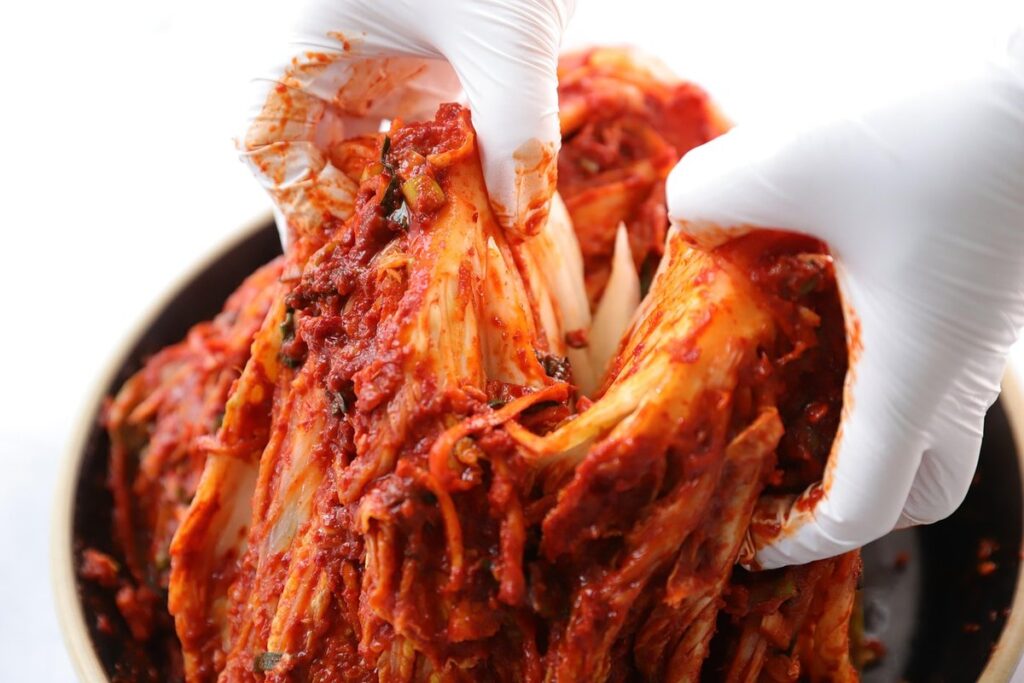
The Power of Fermentation
Fermented vegetables are a powerhouse of nutrition, boasting an incredible array of beneficial compounds that boost health and wellbeing. Let’s dive into the amazing benefits you can expect from incorporating them into your diet.
Unlocking Nutrients Through Microbial Magic
When you eat fermented vegetables, you’re not just getting a flavorful addition to your meals – you’re unlocking a treasure trove of nutrients that can have a profound impact on your overall health. Fermentation is a natural process that increases nutrient bioavailability, making these foods an excellent choice for optimal well-being.
The key to this “microbial magic” lies in the way microorganisms like bacteria and yeast break down complex compounds in vegetables, releasing their essential vitamins and minerals in more accessible forms. For example, lactic acid produced during fermentation can enhance the absorption of calcium, iron, and other crucial micronutrients by up to 300%.
To reap these benefits, make sure you’re choosing fermented veggies that are rich in live cultures. Look for products that have been fermented at home or by a reputable manufacturer using traditional methods. You can also create your own ferments with simple ingredients like cabbage, carrots, and ginger.
Remember to store your ferments in the fridge to slow down bacterial growth and preserve their nutritional potency. By incorporating fermented veggies into your daily diet, you’ll be giving your body a potent dose of essential nutrients that will support your energy, immune function, and overall vitality.
Historical Significance and Cultural Importance
Fermentation has been a cornerstone of traditional diets around the world for centuries, serving as both a means to preserve food and promote overall wellness. In many cultures, fermented vegetables are considered not just a staple ingredient but also a key component of their heritage.
In Korea, kimchi is more than just a side dish; it’s an integral part of Korean cuisine and culture. The process of making kimchi has been passed down through generations, with each family having its unique recipe and technique. This fermented cabbage condiment not only adds flavor to meals but also provides essential nutrients and probiotics.
Similarly, in Eastern Europe, sauerkraut is a staple in many households, particularly during the winter months when fresh produce is scarce. The fermentation process allows for the preservation of cabbage, making it possible to enjoy this nutrient-rich food year-round. This technique has been used for centuries, with each region developing its own unique recipe and tradition.
By incorporating fermented vegetables into our diets, we can tap into the rich cultural heritage surrounding this ancient practice, while also reaping the numerous health benefits they offer.
Benefits of Fermented Vegetables
You’re probably wondering what all the fuss is about when it comes to fermented veggies, and how they can benefit your health. Let’s dive into some of the top perks of incorporating them into your diet!
Rich in Probiotics: Supporting Gut Health
When it comes to achieving optimal gut health, fermented vegetables are a powerhouse of probiotics. Probiotics are live microorganisms that provide numerous health benefits by promoting a balanced gut microbiome. The gut is home to trillions of microorganisms, and when they’re out of balance, it can lead to digestive issues like IBS (Irritable Bowel Syndrome), bloating, gas, and even mental health concerns.
Fermented vegetables are rich in beneficial bacteria like Lactobacillus and Bifidobacterium, which have been shown to alleviate symptoms of IBS and other digestive disorders. Studies have demonstrated that consuming probiotic-rich foods can improve gut motility, reduce inflammation, and even enhance the production of neurotransmitters like serotonin.
To incorporate more fermented vegetables into your diet, try adding kimchi to your salads or sauerkraut to your sandwiches. You can also make your own fermented veggies at home using a simple recipe. Experiment with different types and flavors to find what works best for you. A daily serving of fermented veggies can go a long way in supporting a healthy gut microbiome, leading to improved digestion and overall well-being.
Antioxidant Properties: Cancer Prevention and Inflammation Reduction
Antioxidant Properties: Cancer Prevention and Inflammation Reduction
When it comes to fighting cancer-causing free radicals and reducing chronic inflammation, antioxidants play a crucial role. And fermented vegetables are an excellent source of these powerful compounds. By consuming fermented veggies regularly, you can boost your antioxidant levels and reap the rewards for your overall health.
Research has shown that the fermentation process increases the bioavailability of antioxidants in vegetables by up to 300%. This means that fermented veggies contain significantly higher amounts of vitamins C and E, beta-carotene, and other essential antioxidants. These antioxidants work tirelessly to neutralize free radicals, which are unstable molecules that can damage cells and contribute to chronic diseases.
In particular, the high levels of antioxidants in fermented vegetables have been shown to inhibit cancer cell growth and induce apoptosis (cell death) in various studies. For example, a study published in the Journal of Agricultural and Food Chemistry found that fermented cabbage extracts exhibited significant anti-cancer activity against human colon cancer cells. By incorporating fermented veggies into your diet, you can take a proactive approach to reducing your risk of developing chronic diseases like cancer and heart disease.
Choosing the Right Fermented Vegetables
When it comes to incorporating fermented vegetables into your diet, selecting the right types can be overwhelming. Let’s break down what to look for and how to choose varieties that suit your taste preferences.
Types of Fermented Veggies: Sauerkraut, Kimchi, and More
When it comes to incorporating fermented veggies into your diet, you’re spoiled for choice. There’s sauerkraut, kimchi, and a plethora of other varieties to explore. Each one boasts its own unique flavor profile and nutritional benefits.
Let’s start with the classic: sauerkraut. This fermented cabbage dish is rich in vitamins C and K, and contains a good dose of calcium and iron. Its tangy flavor makes it a staple in many Eastern European cuisines. You can enjoy it as a side dish or use it to top your favorite sandwiches.
Kimchi, on the other hand, is Korea’s pride and joy. Made from fermented vegetables – usually cabbage or radish – kimchi packs a punch with its bold, spicy flavor. It’s high in antioxidants and contains probiotics that support gut health. Try making your own kimchi at home using napa cabbage, Korean chili flakes (gochugaru), and fish sauce for an added depth of umami flavor.
But sauerkraut and kimchi are just the beginning. Other fermented veggies worth exploring include pickled carrots, beets, and cucumbers. Each one offers its own unique blend of vitamins, minerals, and antioxidants that can boost your overall health. So don’t be afraid to experiment and find the varieties that work best for you!
How to Select Healthy Fermented Options in Stores or Online
When shopping for fermented vegetables, it’s essential to read labels carefully to ensure you’re getting healthy options. Look for products that are labeled as “raw,” “unpasteurized,” and “without added preservatives.” These terms indicate that the fermentation process has not been compromised by heat or artificial additives.
Understand the different types of fermentation methods used, such as lacto-fermentation (using lactic acid bacteria) and high-pressure processing. Some products may use these methods in combination with pasteurization, which can kill beneficial bacteria. Opt for products that clearly state their fermentation method to make informed choices.
When shopping online or in stores, be aware of added ingredients like salt, sugar, or spices. While some of these may be naturally occurring or used as part of the fermentation process, excessive amounts can impact nutritional quality. Instead, choose products with minimal ingredient lists and avoid those with artificial flavorings or colorings.
Lastly, check for certifications from reputable organizations like the USDA Organic or Non-GMO Project Verified. These labels ensure that the product meets specific standards for ingredients, processing, and environmental sustainability.
At-Home Fermentation: Getting Started
Now that you’ve fallen in love with fermented veggies, let’s dive into setting up your own fermentation station at home and getting started with this simple yet rewarding process.
Essential Equipment for a Home Fermentation Setup
To successfully ferment vegetables at home, you’ll need some essential equipment. First and foremost, you’ll require a clean environment to work with. A dedicated space for fermentation, like a pantry or a designated room, is ideal. This area should be easily accessible, well-ventilated, and protected from direct sunlight.
Next, you’ll need the right tools for preparation and storage. A chef’s knife, cutting board, and colander will come in handy for chopping, slicing, and preparing your vegetables. You’ll also need a crock or container with a wide mouth to ferment your produce. Glass or ceramic containers are ideal, as they won’t impart any flavors or odors into the fermented mixture.
In addition to these basic tools, you may want to consider investing in an airlock or weight to keep out contamination and ensure the fermentation process proceeds smoothly. An instant-read thermometer will also help you monitor the temperature of your ferments, which is crucial for achieving optimal health benefits.
Simple Recipes to Get You Started with Fermented Veggies
Getting started with fermented veggies can seem intimidating, but don’t worry, we’ve got you covered. Here are some simple recipes to get you going:
Begin by choosing the right ingredients. For beginners, start with easy-to-ferment vegetables like carrots, beets, and cucumbers. You’ll need a clean glass jar with a lid, some salt, and water. A weight or fermentation stone will help keep your veggies submerged under their juices.
To make fermented carrot sticks, grate 1 pound of carrots and pack them into a clean jar, leaving about an inch at the top for expansion. Add 1 tablespoon of salt and 1/4 cup of water. Weigh down the carrots with a stone or weight to keep them covered in liquid. Store it in a cool dark place for 3-5 days.
Fermenting beets is similar, but be prepared for a slightly sweeter taste. Use a combination of grated beet and carrot for added flavor. For cucumbers, slice them thinly and pack them into the jar with salt and water. This recipe is perfect for making fermented pickles.
These recipes are great starting points because they require minimal equipment and ingredients. With practice, you can experiment with different vegetables and flavor combinations to create your own unique fermented veggie recipes.
Overcoming Common Challenges in Fermentation
One of the biggest hurdles to enjoying fermented vegetables is often the challenges that come with fermenting itself. Let’s tackle some common issues that can trip you up along the way.
Troubleshooting Common Issues: Mold, Bacteria, and More
When it comes to fermenting vegetables, contamination can be a major concern. One of the most common issues is mold growth, which can be caused by inadequate salt levels, poor temperature control, or contaminated equipment. To prevent mold, ensure you’re using the right amount of salt – typically 1-2% of the vegetable’s weight – and maintain a consistent temperature between 64°F and 72°F (18°C and 22°C).
Another common issue is bacterial contamination, which can be caused by dirty hands or equipment. To prevent this, make sure to wash your hands thoroughly before handling vegetables, and use clean equipment and containers for fermentation.
Some signs of contamination include a slimy texture, off-odors, or visible mold growth. If you notice any of these symptoms, discard the entire batch immediately.
To troubleshoot common issues during fermentation, regularly inspect your ferments for signs of spoilage. Check for off-smells, slimy textures, or mold growth. Regularly tasting and smelling your ferments can also help detect potential problems early on.
Tips for Achieving Optimal Flavor and Texture
Achieving optimal flavor and texture is key to enjoying fermented vegetables. When it comes to fine-tuning the taste and texture of your fermented veggies, individual preferences come into play. To cater to diverse tastes, experiment with varying salt levels and fermentation times.
Some experts recommend starting with a lower salt concentration (around 1-2%) for vegetables like cucumbers or carrots, which tend to absorb less salt. For heartier veggies like beets or broccoli, you may want to increase the salt level up to 3% to ensure proper preservation and flavor development.
Timing is also crucial – fermentation times can range from a few days to several weeks, depending on factors such as temperature, oxygen levels, and the type of vegetables being fermented. If you find your ferments too sour or overpowering, try shortening the fermentation time or increasing the temperature (though be cautious not to compromise food safety).
Incorporating fresh herbs like garlic, ginger, or chili flakes can also greatly enhance flavor without adding additional salt.
Advanced Techniques and Experimentation
Now that you’ve mastered the basics of fermenting vegetables, it’s time to take your skills to the next level with some advanced techniques and experimentation. This is where the real fun begins!
Exploring the World of Fermented Vegetable Combinations
When it comes to incorporating fermented vegetables into your diet, the possibilities for experimentation are endless. Delving into creative ways to combine different fermented vegetables, herbs, and spices can unlock a world of unique flavors and textures. One approach is to focus on complementary flavor profiles, such as pairing tangy sauerkraut with sweet and spicy kimchi or earthy miso with fresh and herbaceous pickles.
To take it to the next level, try experimenting with different ratios of fermented vegetables to herbs and spices. For instance, add a pinch of red pepper flakes to a jar of fermented carrots for an added kick or combine chopped fresh dill with a spoonful of sauerkraut juice for a refreshing dip. You can also play with temperature by allowing certain combinations to ferment at room temperature while others are refrigerated.
Remember, the key to creating innovative fermented vegetable combinations is to trust your taste buds and have fun experimenting. Don’t be afraid to get creative and try new pairings – you might just stumble upon a game-changing flavor combination that becomes a staple in your kitchen!
Tips for Scaling Up Your Fermentation Efforts
As you become more comfortable with fermentation, it’s natural to want to scale up your efforts and make fermented vegetables a staple in your kitchen. However, increasing batch sizes and optimizing fermentation time can be intimidating if you’re not sure where to start.
To ensure quality control remains high as you expand your operations, consider the following tips: When scaling up, maintain a consistent ratio of salt to vegetables to avoid over- or under-salting. Monitor temperature and pH levels closely, especially in larger batches, to prevent spoilage. Divide large batches into smaller containers for easier handling and more even fermentation.
Consider investing in fermentation vessels with built-in weight systems to simplify the process. For instance, weighted lids can help maintain pressure without requiring constant monitoring. To optimize fermentation time, research the specific requirements for each vegetable type and adjust your schedule accordingly.
Conclusion: Making Fermented Vegetables a Part of Your Healthy Lifestyle
Now that you’ve learned how to make and incorporate fermented veggies into your diet, let’s explore ways to make them a sustainable part of your healthy lifestyle.
Integrating Fermented Veggies into Daily Meals
Incorporating fermented veggies into your daily meals can be as simple as adding them to your favorite dishes or using them as a topping. Start by experimenting with different types of fermented vegetables, such as sauerkraut, kimchi, or pickled carrots. Add a spoonful to your morning omelette or scrambled eggs for an extra kick of probiotics and flavor.
For snacks, try using fermented veggies as a dipper for crackers or raw veggies. For example, serve store-bought or homemade hummus with a side of sauerkraut or kimchi for a boost of gut-friendly bacteria. You can also use fermented vegetables in place of traditional condiments like ketchup or mayonnaise.
Even desserts can benefit from the addition of fermented veggies! Try adding a spoonful of sauerkraut to your favorite baked goods, such as muffins or cakes, for an extra dose of probiotics and flavor. Or, make a fermented veggie topping for ice cream or yogurt by blending together sauerkraut, kimchi, and a sweetener like honey or maple syrup.
Some other creative ways to incorporate fermented vegetables into your meals include:
* Adding them to salads for a tangy kick
* Using them as a topping for tacos or grilled meats
* Mixing them into soups or stews for added depth of flavor
* Making fermented veggie sauces or marinades for meats and veggies
Future Directions in Fermentation Research and Practice
As we conclude our exploration of fermented vegetables’ peak health benefits, it’s exciting to consider the future directions that research and practice will take. The fermentation community is abuzz with ongoing studies and emerging trends that promise to further unlock the potential of this ancient food tradition.
One notable area of research is the study of fermentation’s impact on gut microbiome diversity. Scientists are investigating how different types of fermented vegetables can influence the composition and function of our gut bacteria, leading to improved digestive health and even mental well-being. For example, a recent study found that consuming fermented cabbage increased the abundance of beneficial Bifidobacterium species in the gut.
In addition to its numerous health benefits, fermentation is also being recognized as a key strategy for reducing food waste. As more people turn to home fermentation, there’s an increasing focus on developing innovative techniques and tools for making use of surplus produce. This not only reduces waste but also encourages creativity and experimentation in the kitchen.
Frequently Asked Questions
Can I use pre-made fermented vegetables or should I make them from scratch?
While store-bought options can be convenient, making your own fermented vegetables allows for greater control over the ingredients and fermentation process. Plus, homemade ferments are often more cost-effective and tailored to your taste preferences.
What if my fermented vegetables develop mold or an off smell – is it still safe to eat them?
No, in most cases, it’s best to err on the side of caution and discard any visibly moldy or strongly smelling fermented vegetables. This ensures your safety and prevents potential health issues from consuming contaminated foods.
How can I incorporate fermented vegetables into my daily meals beyond salads and sandwiches?
Fermented veggies are incredibly versatile! Try adding them to soups, stews, stir-fries, or even using as a topping for omelets or breakfast bowls. Experiment with different combinations to find your favorite ways to use these nutrient-dense foods.
What’s the ideal storage method for fermented vegetables to maintain their nutritional benefits?
Store your fermented veggies in airtight containers in the refrigerator to keep them fresh and preserve the beneficial compounds. Make sure to label the containers with the date and contents, so you can easily track what you have on hand.
Are there any specific health conditions or diets that require special consideration when consuming fermented vegetables?
Individuals with compromised immune systems or certain allergies should exercise caution when introducing fermented foods into their diet. Additionally, those following a low-sodium or low-FODMAP diet may need to adjust the ingredients and fermentation times accordingly. Consult with a healthcare professional if you have specific concerns.