
Get ready to unlock the secret world of fermented vegetables! With so many of us racing against the clock, fast-paced lifestyles can often leave our gut health in shambles. But what if I told you there’s a simple solution to boost your nutrient intake and heal your gut from the inside out? Fermented vegetables are just that – a live food powerhouse packed with probiotics and nutrients that will transform your health in no time! In this article, we’ll take you by the hand and walk you through our step-by-step guide on how to ferment veggies at home. From expert tips to common mistakes to avoid, we’ve got you covered every step of the way. By the end of it, you’ll be whipping up your own fermented veggie delights in no time!
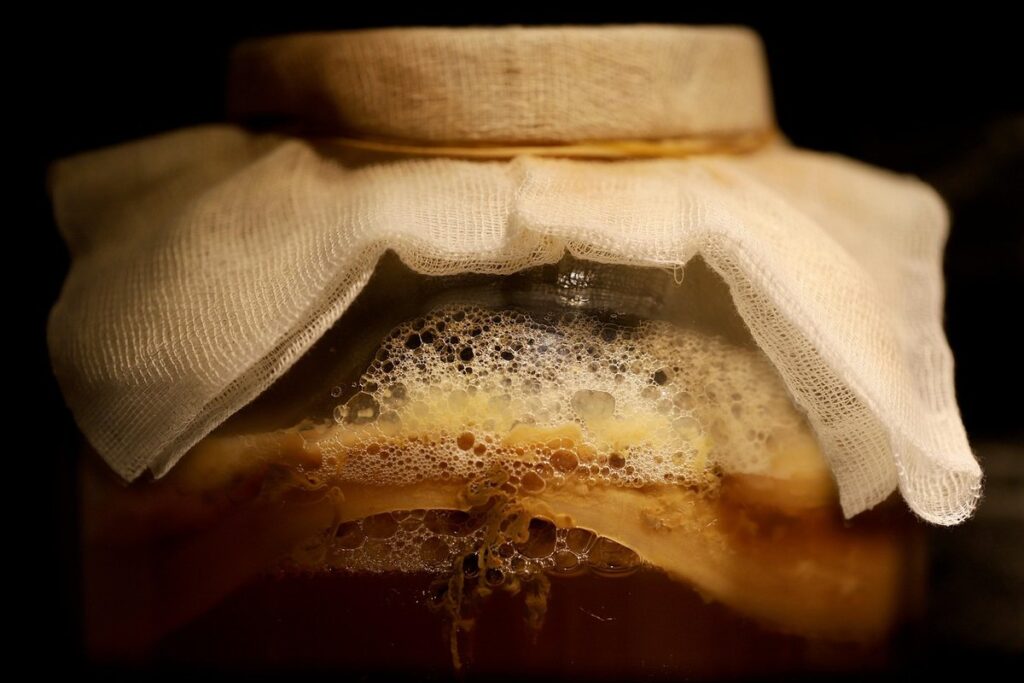
The Benefits of Fermenting Vegetables
When you embark on a fermented vegetables fast, you’ll want to know about the incredible benefits that come from incorporating more live food into your diet. Let’s explore how fermentation can supercharge your health.
Introduction to Fermentation
Fermentation is an ancient process that has been used for centuries to preserve food and unlock its nutritional potential. At its core, fermentation involves allowing natural bacteria to break down the complex compounds in food, creating a healthier, more easily digestible product. This process not only extends the shelf life of vegetables but also enhances their flavor and nutrient content.
When done correctly, fermentation can be a simple and rewarding way to preserve food at home. It requires minimal equipment and can be tailored to suit various tastes and dietary needs. For instance, you can ferment cucumbers to create crunchy, tangy pickles or use fermentation to make sauerkraut from cabbage. The possibilities are endless, and the benefits are numerous.
One of the most significant advantages of fermentation is its ability to increase the bioavailability of nutrients in food. This means that the vitamins, minerals, and other compounds become more easily absorbed by the body, providing a greater nutritional boost. By incorporating fermented vegetables into your diet, you can support overall health and well-being, from boosting immunity to improving digestion.
How Fermented Vegetables Affect Gut Health
When you incorporate fermented vegetables into your diet, one of the most significant benefits is the positive impact on gut health. The gut and the immune system are closely linked, and a healthy gut microbiome is essential for proper digestion, absorption of nutrients, and immune function.
The process of fermentation increases the bioavailability of nutrients in vegetables, making them easier to digest. This can be especially beneficial for individuals with sensitive stomachs or those who struggle with digestive issues. For example, fermented cabbage, such as sauerkraut, is rich in vitamin K2, which plays a crucial role in calcium absorption and bone health.
Incorporating fermented vegetables into your diet can also support the growth of beneficial gut bacteria. These probiotics help to crowd out pathogenic bacteria, leading to improved digestion and immune function. To reap these benefits, try adding fermented vegetables like kimchi or pickles to your meals 2-3 times a week. You can also experiment with fermenting your own vegetables at home using a jar or crock. This will allow you to control the ingredients and ensure that you’re getting the maximum nutritional benefit from your fermented foods.
Nutrient-Rich Live Food
When you ferment vegetables, the process unlocks their full potential by increasing the bioavailability of nutrients. This means that the vitamins and minerals contained within the veggies become more easily absorbed by the body, making them a more potent source of energy.
During fermentation, beneficial bacteria break down cell walls, releasing trapped nutrients and making them available for your body to use. For example, lactic acid produced during fermentation increases the absorption rate of iron in leafy greens like kale and spinach. Similarly, the process enhances the bioavailability of vitamins A and C in vegetables like bell peppers and carrots.
As a result, fermented live foods provide a more efficient energy source compared to raw or cooked veggies. This is especially important for individuals with compromised digestive systems, as their bodies may struggle to absorb nutrients from regular food sources. To maximize the benefits of fermented live foods, be sure to consume them regularly, ideally as part of a balanced diet that includes other nutrient-dense whole foods.
Choosing the Right Vegetables for Fermentation
When it comes to fermenting vegetables, not all choices are created equal. Let’s explore some of the best veggies to ferment and why they’re perfect for a live food fast.
Selecting Vegetables for Fermentation
When it comes to selecting vegetables for fermentation, there are several factors to consider. Texture plays a crucial role, as you’ll want to choose veggies that will hold their shape and density during the fermentation process. Crunchy and firm vegetables like cucumbers, carrots, and beets work exceptionally well.
Flavor is another important consideration. Vegetables with strong flavors can dominate the taste of your fermented creations, so it’s best to balance them out with milder options. For instance, pairing sweet and earthy parsnips with tangy cabbage creates a delightful harmony of flavors.
Water content also matters. Low-water veggies like eggplant, bell peppers, and cauliflower tend to ferment faster due to their dryness, while high-water veggies like cucumbers take longer to develop that signature tanginess. To speed up the process, you can slice or dice these higher-water vegetables into smaller pieces for better fermentation.
Some vegetables are naturally more suitable for fermentation than others. Cruciferous veggies like broccoli, cauliflower, and cabbage contain beneficial compounds that enhance the probiotic benefits of your fermented creations.
Commonly Fermented Vegetables and Their Characteristics
When it comes to fermenting vegetables, some popular choices offer unique characteristics that can enhance the flavor and nutritional value of your fermented foods. Cabbage, for instance, is a staple in many fermented dishes due to its crunch and slightly sweet taste. It ferments relatively quickly, usually within 3-5 days, and develops a tangy flavor. Carrots, on the other hand, take longer to ferment – around 7-10 days – but their sweetness balances out with a hint of bitterness.
Cucumbers are another popular choice for fermentation, as they yield a refreshing and light-tasting product that’s perfect for summer salads or snacks. They can be fermented in as little as 1-3 days, making them an excellent option for those new to fermentation. Another veggie worth mentioning is beets – their earthy flavor and high water content make them ideal for fermentation. When choosing vegetables for fermentation, consider factors like texture, flavor profile, and nutrient density.
Be mindful of the vegetable’s natural sweetness level, as this can impact the final product’s taste. For example, cucumbers are naturally low in sugars, whereas carrots contain more starches that break down during fermentation, creating a sweeter end result.
Preparing Vegetables for Fermentation
Before diving into fermentation, let’s talk about preparing your veggies. In this section, we’ll cover the essential steps to clean, chop, and prepare your vegetables for successful fermentation.
Cleaning and Preparation Techniques
When it comes to fermenting vegetables, proper cleaning and preparation techniques are crucial to preventing contamination and spoilage. This is especially true for a fermented vegetables fast, where the goal is to harness the benefits of live food quickly. One of the most critical steps is washing the vegetables thoroughly.
Use a combination of cold water and a gentle scrubber or brush to remove any dirt, debris, or bacteria from the surface of the veggies. Pay special attention to areas like leafy greens, cruciferous vegetables, and root vegetables, which tend to harbor more bacteria. A study found that simply washing produce with cold water can reduce bacterial contamination by up to 90%.
Once clean, it’s essential to prepare the vegetables for fermentation. This typically involves chopping or slicing them into smaller pieces, depending on their texture and the desired level of crunch. Aim for even cuts to ensure proper penetration of brine (saltwater solution) and to prevent any areas from becoming overly sour.
Remember, cleanliness is key when fermenting vegetables. By taking a few extra minutes to properly clean and prepare your ingredients, you’ll be well on your way to creating healthy, live food that supports optimal gut health and boosts energy levels.
Tips for Achieving Optimal Fermentation Conditions
Achieving optimal fermentation conditions is crucial for creating live food that’s rich in nutrients and probiotics. Temperature control is one of the most critical factors to consider. The ideal temperature range for fermentation is between 64°F and 75°F (18°C and 24°C). If it’s too warm, bacteria will multiply too quickly, causing off-flavors and potentially even contamination. On the other hand, if it’s too cool, fermentation may slow down or stop altogether.
To maintain a stable temperature, you can use a thermometer to monitor the environment where your vegetables are fermenting. You can also keep them in a dark place, as light can affect temperature fluctuations. pH levels are another important consideration. Aim for a slightly acidic environment with a pH level between 4.2 and 4.6. This will create an ideal environment for beneficial bacteria to thrive.
When it comes to oxygen management, cover your fermentation vessel to prevent unwanted contaminants from entering the mix. However, don’t seal it too tightly – you want to allow for just enough air exchange to keep the fermentation process going smoothly. By paying attention to these factors, you’ll be well on your way to creating delicious, nutrient-dense fermented vegetables that will supercharge your diet.
The Fermentation Process: A Step-by-Step Guide
Now that you know why fermented veggies are a game-changer, let’s dive into the nitty-gritty of how to make them at home. We’ll break down each step of the fermentation process in detail.
Understanding the Microbial Ecology of Fermentation
When you slice open a jar of fermented vegetables, what’s really going on beneath the surface? It’s not just a simple process of letting veggies sit around until they’re tangy and sour. Microorganisms like lactic acid bacteria and yeast are working tirelessly behind the scenes to break down the sugars in your food and produce compounds that give fermented foods their unique flavors.
These microorganisms, often referred to as “good” or “friendly” bacteria, feed on the natural sugars found in vegetables. As they ferment, they release enzymes that break down these sugars into lactic acid, which gives fermented foods their characteristic tanginess. Yeast, on the other hand, contributes to the development of flavor compounds like esters and aldehydes, which are responsible for the fruity or floral notes you might detect in a well-fermented sauerkraut.
To encourage the growth of these beneficial microorganisms, it’s essential to create an environment that fosters their activity. This means using clean equipment, following proper sanitation techniques, and allowing your ferments to breathe – think of it as giving them some fresh air to do their thing! By doing so, you’ll be rewarded with a richly flavored, nutrient-dense food that’s teeming with life.
Monitoring Progress and Troubleshooting Common Issues
As you embark on your fermented vegetables fast journey, it’s essential to monitor the fermentation process closely. This will help ensure that your vegetables are developing beneficial bacteria and not spoiling. To do this, check on your ferment daily for signs of activity such as bubbles forming around the edges or a slightly effervescent smell.
If you notice any unusual odors or mold growth, it’s likely an issue with contamination. Remove the affected vegetables immediately and start again with fresh ones. On the other hand, if your vegetables are too salty or have developed off-putting flavors, you can try rinsing them with clean water to balance out the taste.
Regular monitoring will also help prevent over-fermentation, which can lead to unpleasant textures. Check for this by tasting a small portion of your fermented vegetables; if they’re too sour or have an acrid flavor, it’s best to stop the fermentation process and store them in the fridge.
By staying vigilant and taking corrective action as needed, you’ll be able to enjoy your fermented vegetables without worrying about food safety or quality.
Safety Considerations and Storage
When working with fermented vegetables, it’s essential to prioritize your safety and store them properly to maintain their nutritional value and prevent spoilage at home. We’ll cover key considerations to keep in mind.
Preventing Contamination and Foodborne Illness
When fermenting vegetables, it’s crucial to take steps to prevent contamination and foodborne illness. One of the most effective ways to do this is by maintaining a clean environment for fermentation. This includes washing your hands thoroughly before handling vegetables, as well as regularly sanitizing any equipment or utensils used in the process.
Proper storage is also essential. Ensure that your fermenting vessel is airtight and stored in a cool, dark place, away from direct sunlight and heat sources. This will help to slow down bacterial growth and prevent contamination.
To further minimize risk, use clean utensils and equipment when transferring fermented vegetables to the refrigerator or freezer for storage. Label containers clearly so that you can easily identify what’s inside. Regularly inspect your ferments for signs of spoilage, such as mold, sliminess, or an off smell. If in doubt, it’s always best to err on the side of caution and discard the ferment.
Fermenting at room temperature (68-72°F) also helps speed up fermentation process but it requires extra attention to prevent contamination. Keep your ferments away from drafts and make sure they are fully submerged under liquid or brine to avoid contamination.
Long-Term Storage and Shelf Life
Proper storage and maintenance are crucial to extending the shelf life of fermented vegetables while preserving their nutritional benefits. To keep your fermented creations fresh for an extended period, follow these guidelines.
Firstly, ensure that your containers are airtight, non-reactive, and suitable for storing fermented foods. Glass jars with lids or ceramic crocks work well. Store them in a cool, dark place, such as a pantry or cupboard. Avoid direct sunlight, as it can cause the fermentation process to slow down or even revert.
Maintain an ideal temperature range between 32°F (0°C) and 55°F (13°C). Above 65°F (18°C), the fermentation process may accelerate too quickly, leading to over-fermentation or contamination. Keep your storage area away from heat sources, moisture, and direct sunlight.
When transferring fermented vegetables to a new container, use a clean utensil to minimize the risk of contamination. Label each jar with its contents and date to ensure you consume the oldest batches first. Regularly check on your stored fermented foods for any signs of spoilage or mold growth, discarding them immediately if necessary.
Conclusion: Unlock the Power of Fermented Vegetables
Now that you’ve completed your fermented vegetables fast, it’s time to reap the long-term benefits and incorporate these nutritious foods into your lifestyle. Let’s explore how to make them a permanent part of your healthy habits.
Recap of Key Takeaways
In this article, we’ve delved into the world of fermented vegetables and explored their incredible benefits. Fermented veggies are a game-changer for those looking to supercharge their health and energy levels. By incorporating them into your diet, you can expect to experience improved digestion, enhanced immune function, and even weight management.
We discussed how fermented veggies contain a rich array of vitamins, minerals, and antioxidants that help to boost the body’s natural defenses against disease. The Lacto-fermentation process, in particular, is responsible for creating these beneficial compounds, which are then preserved in the vegetable itself.
To unlock the full potential of fermented vegetables, it’s essential to master proper technique. This includes selecting the right ingredients, monitoring temperature and time, and ensuring a balanced fermentation environment. By following our guidelines and tips, you can confidently create your own probiotic-rich ferments at home.
Remember, fermented veggies are not just a nutritious addition to your diet – they’re also incredibly versatile and can be enjoyed in a variety of dishes, from salads to soups and even as a tasty side dish on their own.
Encouragement to Experiment with Live Food
Now that you’ve learned about the incredible benefits and ease of incorporating fermented vegetables into your diet, it’s time to take the next step. Don’t just read about it – experience it for yourself! Experimenting with live food is a journey, not a destination, and we encourage you to dive in and discover the transformative power of fermentation.
Start small by trying a new fermented vegetable recipe each week. Look up simple recipes online or try substituting your favorite vegetables into an existing recipe. You’ll be amazed at how quickly your taste buds adapt and crave the tangy flavors of live food. For example, swap out regular sauerkraut for a fermented kale salad or add kimchi to your morning omelette.
As you experiment with different types of fermented vegetables, pay attention to how they make you feel. Do you notice increased energy after consuming fermented foods? Or perhaps you experience improved digestion and reduced bloating? Take note of these subtle shifts and let them guide your exploration of the world of live food. With patience, curiosity, and an open mind, you’ll unlock a whole new world of health and vitality. So what are you waiting for? Get experimenting!
Frequently Asked Questions
Can I use pre-made fermentation starter cultures or do I need to create my own?
You can use either option, depending on your preference. Pre-made starter cultures are convenient but may not provide the same level of customization as creating your own using a vegetable scrap like cabbage leaves. Creating your own starter culture encourages experimentation and understanding of the microbial ecology involved in fermentation.
What’s the optimal temperature range for fermenting vegetables at home?
The ideal temperature range for fermentation is between 64°F (18°C) and 72°F (22°C). Avoid temperatures above 75°F (24°C), as this can lead to off-flavors, mold growth, or an over-fermented product. Keep your fermentation vessel away from direct sunlight and heat sources.
How do I know when my fermented vegetables are ready for consumption?
Check on your fermentation vessel regularly by tasting a small sample. When the flavor is sour-tasting but not overwhelmingly so, it’s likely ready to eat. Some vegetable types, like sauerkraut, can ferment more quickly than others, like kimchi.
What if I notice mold or an off smell during fermentation?
Act promptly to prevent contamination by discarding the affected batch and starting anew with fresh ingredients. Regularly inspect your fermentation vessel for any signs of spoilage, such as mold growth, sliminess, or unusual odors.
Can I ferment vegetables in the winter when my house is colder?
Fermentation can indeed be done year-round, even at cooler temperatures. However, slower fermentation rates might require longer storage times to allow for full nutrient extraction and flavor development. Monitor your batch’s progress closely and adjust your expectations according to temperature fluctuations.